


On March 18, 2026, the veterinary community marked a significant milestone in the ongoing evolution of avian medicine with the release of a specialized educational program titled "Foraging and Enrichment," presented by M. Scott Echols, DVM, DABVP (Avian Practice). This initiative, hosted through the LafeberVet platform, serves as a critical resource for practitioners seeking to bridge the gap between clinical pathology and the behavioral health of captive avian species. By addressing the fundamental biological needs of birds—specifically through the lenses of foraging behaviors and environmental radiation—the program offers a data-driven approach to improving the quality of life for companion and zoo-housed birds. The curriculum has been formally reviewed and approved by the American Association of Veterinary State Boards (AAVSB) Registry of Approved Continuing Education (RACE), granting one hour of continuing education (CE) credit to participating veterinarians and veterinary technicians in jurisdictions that recognize such accreditation.
The Integration of Behavioral Science and Clinical Practice
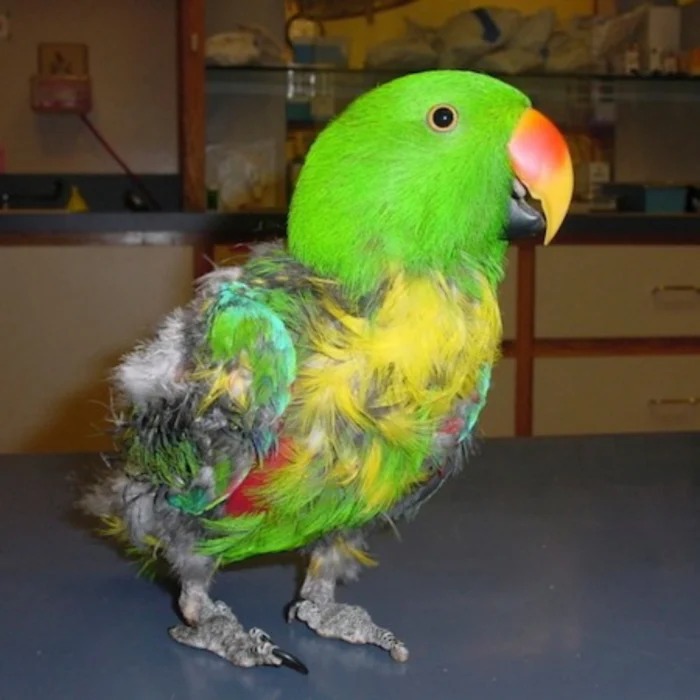
The emergence of this webinar reflects a broader shift within the veterinary industry toward holistic wellness. For decades, avian medicine focused primarily on infectious diseases, surgical interventions, and nutritional deficiencies. However, contemporary research suggests that a significant percentage of clinical presentations—ranging from feather destructive behavior (FDB) to chronic reproductive stasis—are rooted in environmental inadequacies. Dr. M. Scott Echols, a diplomat of the American Board of Veterinary Practitioners and a recognized authority in avian surgery and anatomy, utilizes this program to emphasize that "enrichment" is not merely an optional luxury but a physiological requirement for avian species.
The "Foraging and Enrichment" program focuses on the biological drive of psittacine and passerine birds to search for food, a process that occupies approximately 40% to 75% of their active time in the wild. In captivity, where caloric needs are met with minimal effort, the absence of this stimulus leads to cognitive decline and the development of stereotypic behaviors. The webinar provides a framework for practitioners to prescribe foraging strategies as part of a comprehensive treatment plan, treating environmental stimulation with the same clinical rigor as pharmaceutical interventions.
Accreditation and Professional Standards
The AAVSB RACE approval of this program underscores the increasing importance of behavioral health in professional veterinary standards. To maintain licensure, veterinarians and technicians must complete a specific number of CE hours annually or biennially. The inclusion of foraging and enrichment in the RACE registry signifies that these topics are now recognized as essential components of medical competency.
The program’s structure is designed for rigorous assessment; participants are granted three attempts to pass a post-test, ensuring that the core concepts are mastered before a certificate of completion is issued. This rigorous vetting process ensures that the information disseminated—ranging from the physics of ultraviolet (UV) radiation to the mechanics of foraging puzzles—is evidence-based and applicable to clinical settings. The availability of the resource in English, French, and Spanish further indicates an effort to standardize avian welfare education on a global scale, reflecting the international reach of the LafeberVet initiative.
Technical Analysis: The Role of Ultraviolet Radiation and Light
A pivotal component of the educational content involves the technical application of light and ultraviolet (UVB) radiation. While often overlooked in basic husbandry, the spectrum of light available to an avian patient directly influences its metabolic and psychological health.
UVB and Vitamin D3 Synthesis
Birds require UVB radiation (specifically in the 290–315 nm range) to facilitate the cutaneous synthesis of Vitamin D3. This vitamin is essential for calcium metabolism, which is critical for bone density, eggshell production, and muscular function. The webinar explores the nuances of providing artificial UV sources, emphasizing the "UV Index" and the safe distance for bulb placement to prevent ocular damage or thermal burns.
Visual Perception and Enrichment
Unlike humans, birds are tetrachromatic, meaning they possess a fourth cone type that allows them to perceive ultraviolet light. This capability significantly alters their perception of the environment, food, and conspecifics. Dr. Echols’ work highlights that a "dark" environment for a human may be even more sensory-deprived for a bird. By incorporating UV-rich environments, practitioners can provide a form of "visual enrichment" that reduces stress and encourages natural social interactions.
Chronology of Avian Husbandry Evolution
The release of this program is the latest step in a multi-decade timeline of advancing avian care:
- The 1970s-1980s (The Foundational Era): Avian medicine was largely reactive. Husbandry focused on basic caloric intake, often through seed-based diets, which led to widespread malnutrition and obesity.
- The 1990s (The Diagnostic Revolution): The development of avian-specific blood panels, endoscopy, and advanced imaging allowed for better internal medicine. However, behavioral issues were often treated with physical restraints (e.g., Elizabethan collars).
- The 2000s (The Rise of Enrichment): Research into "contrafreeloading"—the phenomenon where animals prefer to work for food rather than eat from a bowl—began to influence captive management.
- The 2010s (Evidence-Based Behavior): Veterinary behaviorists began quantifying the impact of foraging on cortisol levels and dopamine regulation in birds.
- 2026 (The Integrated Model): Initiatives like the "Foraging and Enrichment" webinar represent the integration of behavior, environment, and medicine into a single professional discipline.
Supporting Data on Avian Behavioral Health
Data from various veterinary teaching hospitals and avian-exclusive practices suggest that environmental enrichment can lead to measurable improvements in patient outcomes. In a study of captive parrots, those provided with complex foraging opportunities showed a 30% reduction in stereotypic behaviors, such as pacing or repetitive vocalizations. Furthermore, birds with access to appropriate UVB radiation exhibited higher levels of circulating ionized calcium, reducing the incidence of hypocalcemic tetany in species like African Grey parrots (Psittacus erithacus).
The educational materials provided by Dr. Echols leverage this data to argue that enrichment is a form of preventative medicine. By educating veterinary professionals on these topics, the industry can reduce the number of birds surrendered to rescues or euthanized due to preventable behavioral disorders.
Official Responses and Industry Implications
The veterinary community has responded positively to the expansion of CE credits into the realm of enrichment. "The approval of specialized behavior and husbandry courses by RACE is a testament to the evolving definition of ‘veterinary care,’" noted a representative from a leading avian practitioners’ association. "We are moving away from a model where we only see a bird when it is sick, toward a model where we provide the owner with the tools to keep the bird healthy for decades."
The implications of this shift extend beyond the clinic. Manufacturers of avian products are increasingly being held to higher standards regarding the safety and efficacy of "enrichment toys" and lighting systems. As veterinarians become more educated on the specifics of UVB wavelengths and foraging mechanics, they are better equipped to advise clients on which products are scientifically beneficial versus those that are merely marketing-driven.
Broader Impact and Future Outlook
The "Foraging and Enrichment" webinar serves as a catalyst for a more sophisticated approach to pet ownership and zoological management. By providing a platform for experts like Dr. M. Scott Echols to share technical knowledge, the veterinary profession is effectively raising the "floor" of minimum care standards.
Looking forward, the integration of such education is expected to influence future veterinary curricula in universities. As enrichment becomes a standardized part of the veterinary exam, we may see the development of more specialized "behavioral wellness" clinics that focus specifically on the environmental needs of exotic species. The global availability of these resources also ensures that birds in regions with fewer avian specialists can still benefit from the latest scientific advancements.
In conclusion, the March 18, 2026, release of this AAVSB RACE-approved program represents a significant investment in the longevity and welfare of the avian population. Through the detailed study of foraging, light, and radiation, the veterinary profession is not only treating the ailments of today but is proactively engineering a healthier environment for the avian patients of tomorrow. This move reinforces the concept that in modern veterinary medicine, the environment is just as important as the medicine in the bottle.

