


Today’s ornithological expedition sets out with a singular, yet challenging, objective: to identify ten distinct bird species that exhibit a combination of brown plumage and an orange chest. While a few familiar candidates might come to mind, it is anticipated that reaching this target number will necessitate venturing beyond the familiar avifauna of the United States, exploring the diverse feathered populations across the globe. Before embarking on this species-by-species investigation, it is crucial to understand the fundamental roles that colored feathers play in the lives of birds.
The Evolutionary Significance of Feather Coloration
The vibrant and varied colors of bird plumage are not merely aesthetic adornments; they are critical evolutionary adaptations serving essential survival and reproductive functions. Ornithologists generally identify two primary drivers behind the development of colored feathers:
Camouflage and Predator Evasion
One of the most significant roles of feather coloration is camouflage. Many bird species, particularly females, display muted and earth-toned plumage that allows them to blend seamlessly into their surroundings. This cryptic coloration is vital for protecting vulnerable eggs and chicks from predators, ensuring the continuation of the species. The ability to remain undetected on nests or while foraging in dense vegetation can be the difference between life and death for offspring.
Sexual Selection and Mate Attraction
In stark contrast, the striking and often brilliant coloration seen in many male birds serves as a powerful tool for attracting mates. These conspicuous displays signal a male’s health, genetic quality, and fitness to potential partners. A male bird’s vibrant plumage can indicate his ability to acquire resources, resist parasites, and possess desirable genes, making him a more attractive choice for reproduction. This process, known as sexual selection, drives the evolution of elaborate plumage in many bird species.
The Science Behind Feather Pigmentation
The captivating hues adorning avian bodies are a result of complex biochemical processes involving pigments and structural coloration. Understanding these mechanisms provides insight into why certain colors appear and how they are produced:
Melanin: The Foundation of Earth Tones
Melanin is a class of pigments that are naturally synthesized within the bird’s body. These pigments are responsible for producing a spectrum of colors ranging from deep blacks and rich browns to subtle grays and warm oranges. The concentration and distribution of melanin granules within the feather’s structure determine the intensity and shade of these colors. For our current quest, melanin is a key player, as it directly contributes to the brown and orange tones we are seeking.
Carotenoids: The Source of Vibrant Hues
Unlike melanin, carotenoids are not produced endogenously by birds. Instead, they must be acquired through the diet. These plant-derived pigments are responsible for generating the most brilliant colors in the avian world, including vibrant reds, yellows, and oranges, with the notable exception of blues. The ability of a bird to metabolize and deposit carotenoids can also be an indicator of its health and foraging capabilities, further contributing to their role in sexual selection.

The Illusion of Blue Feathers
It is a fascinating ornithological fact that there are no true blue pigments in bird feathers. The striking blues observed in species like the Blue Jay or the Indigo Bunting are the result of a phenomenon known as structural coloration. This occurs when microscopic structures within the feather barbules scatter light in a way that preferentially reflects blue wavelengths. This optical effect, rather than a pigment, creates the illusion of blue. For this article, focusing on brown and orange, we are primarily concerned with pigment-based coloration.
Given the biological explanations, it is highly probable that many of the birds fitting our criteria will be those where muted tones are advantageous, such as females employing camouflage.
The Global Avian Palette: Brown Birds with Orange Chests
Our journey begins with a curated list of avian species that embody the specific characteristics we are seeking. While the initial thought might lean towards North American species, a broader geographical scope reveals a fascinating array of birds with this particular coloration.
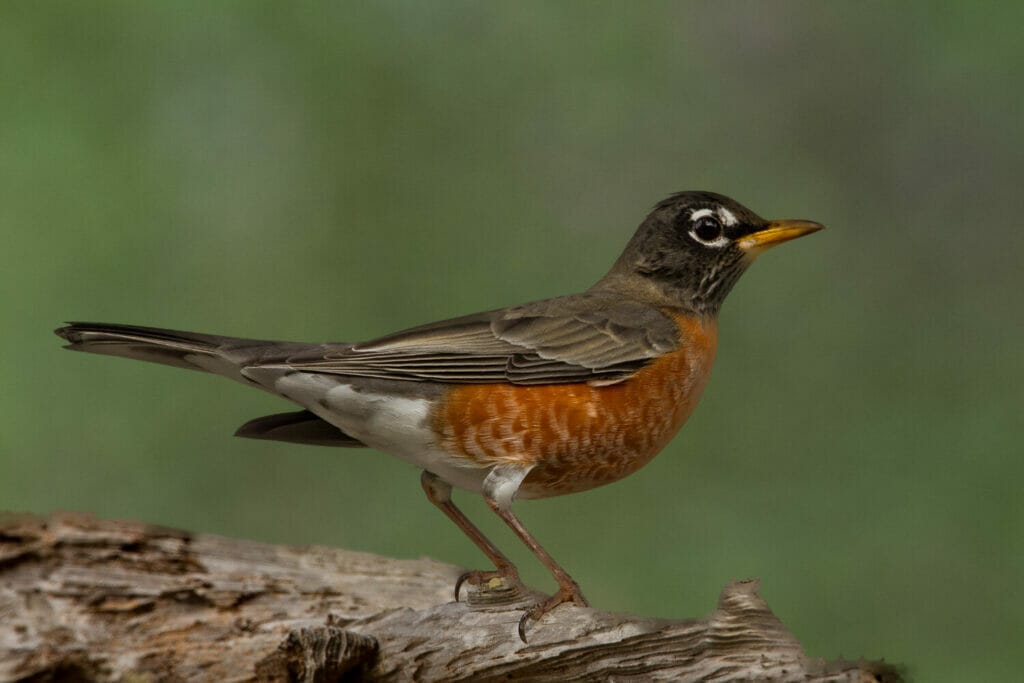
American Robin ( Turdus migratorius )
A familiar sight across North America, the American Robin is a quintessential example of a thrush with a distinctive orange-red breast. While the males often exhibit a more vibrant hue, females display a more subdued coloration, aligning with the principle of camouflage.
- Identification and Size: The American Robin is a medium-sized songbird, measuring approximately 7.9 to 11.0 inches in length with a wingspan of 12.2 to 15.8 inches. Its back is typically gray-brown, while its breast ranges from a dark orangey-red to a lighter buff.
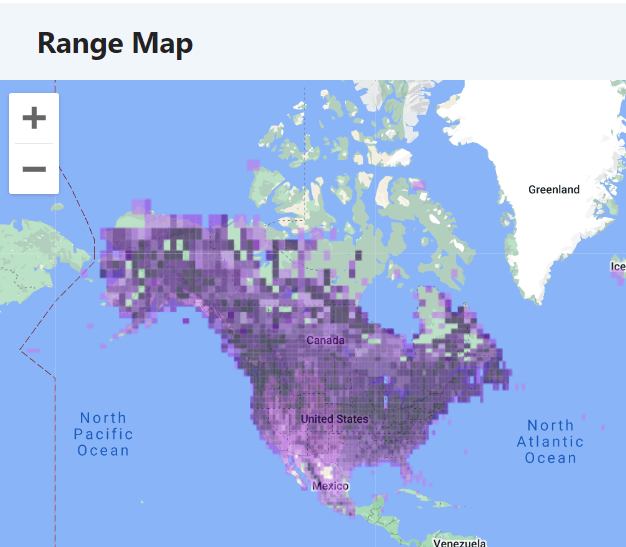
- Distribution: This adaptable species is widespread throughout continental North America, from the northern reaches of Canada and Alaska to Mexico in the south. They are commonly found in diverse habitats, including urban parks, gardens, and open woodlands.
- Diet: Primarily insectivorous, American Robins forage for earthworms, beetles, and other invertebrates in grassy areas. They also supplement their diet with fruits and berries, particularly during the colder months.
- Ecological Role: Often perceived as harbingers of spring, American Robins play a role in seed dispersal and insect population control. Their presence in urban environments makes them a readily observable indicator of ecological health.
- Interesting Fact: While many associate robins with the arrival of spring, they do not migrate extreme distances. Their winter survival is often attributed to their ability to find and consume winter berries in less populated areas, which explains their reduced visibility during colder seasons.
Zebra Waxbill ( Amandava subflava )
Venturing into the African continent, the Zebra Waxbill presents a more diminutive yet striking example of our target coloration. This small finch boasts a vivid orange breast that contrasts with its olive-brown back.
- Identification and Size: This diminutive bird measures around 3.5 inches in length and weighs a mere 0.18 to 0.38 ounces. The male is characterized by a bright orange breast, olive-brown back, and a vivid red rump. Females tend to be slightly duller in coloration.
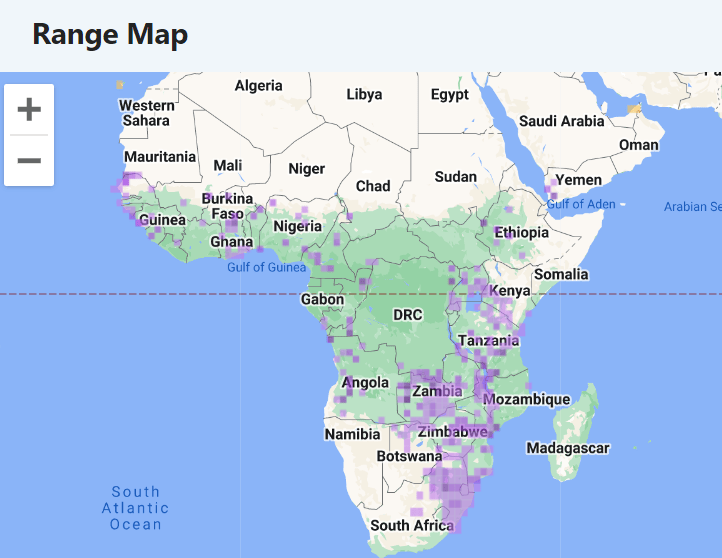
- Distribution: The Zebra Waxbill is found in south-western and north-eastern Africa, inhabiting grasslands, savannas, and areas with dense vegetation near water sources.
- Diet: Primarily seed-eaters, Zebra Waxbills will also consume insects, especially during their breeding season, to provide essential protein for their young.
- Behavioral Notes: Courtship rituals for this species are notably elaborate, involving bowing displays and mutual preening, signifying a strong pair-bonding behavior.
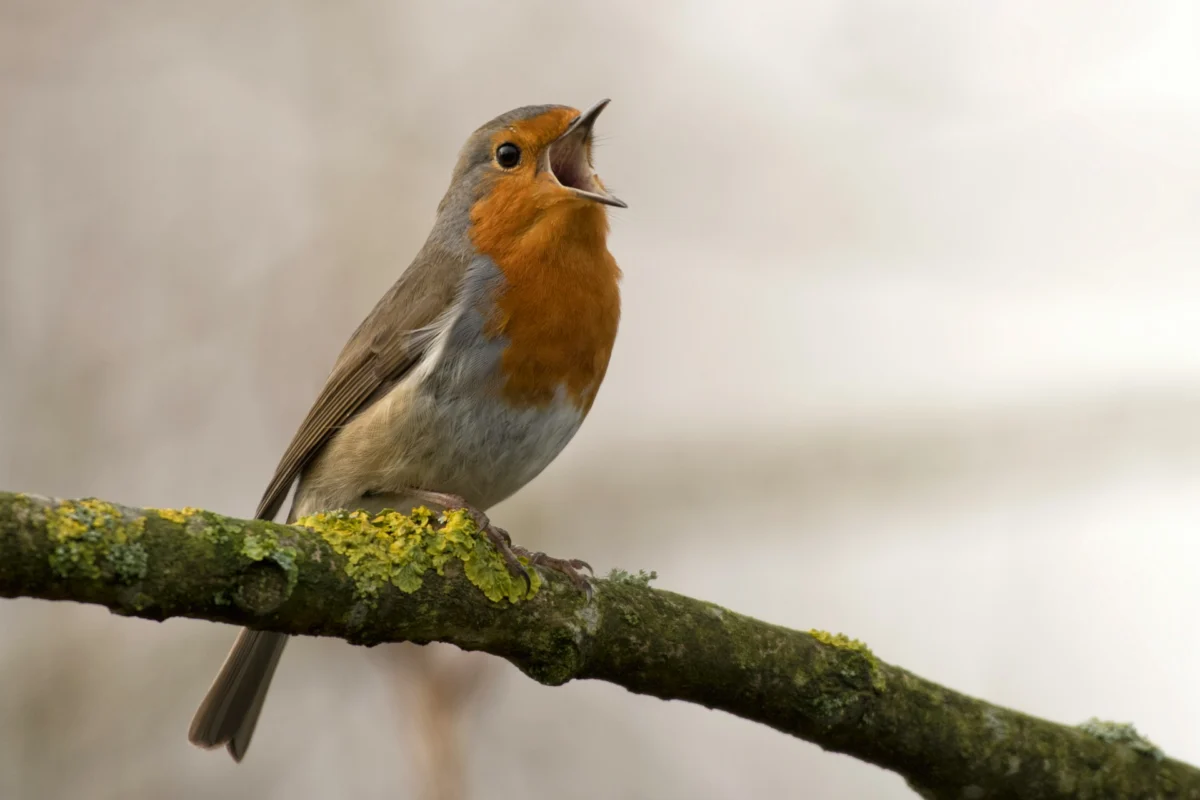
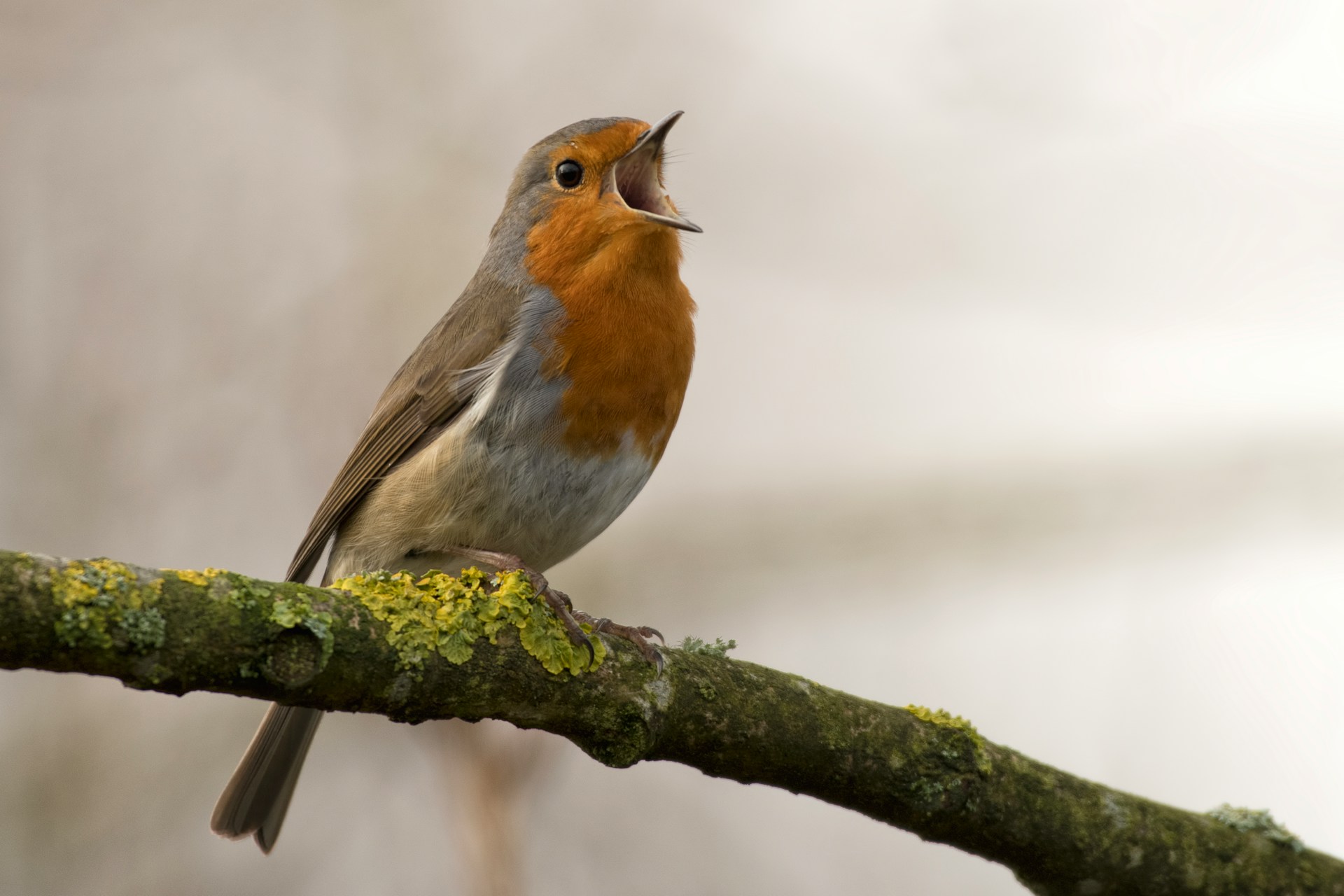
European Robin ( Erithacus rubecula )
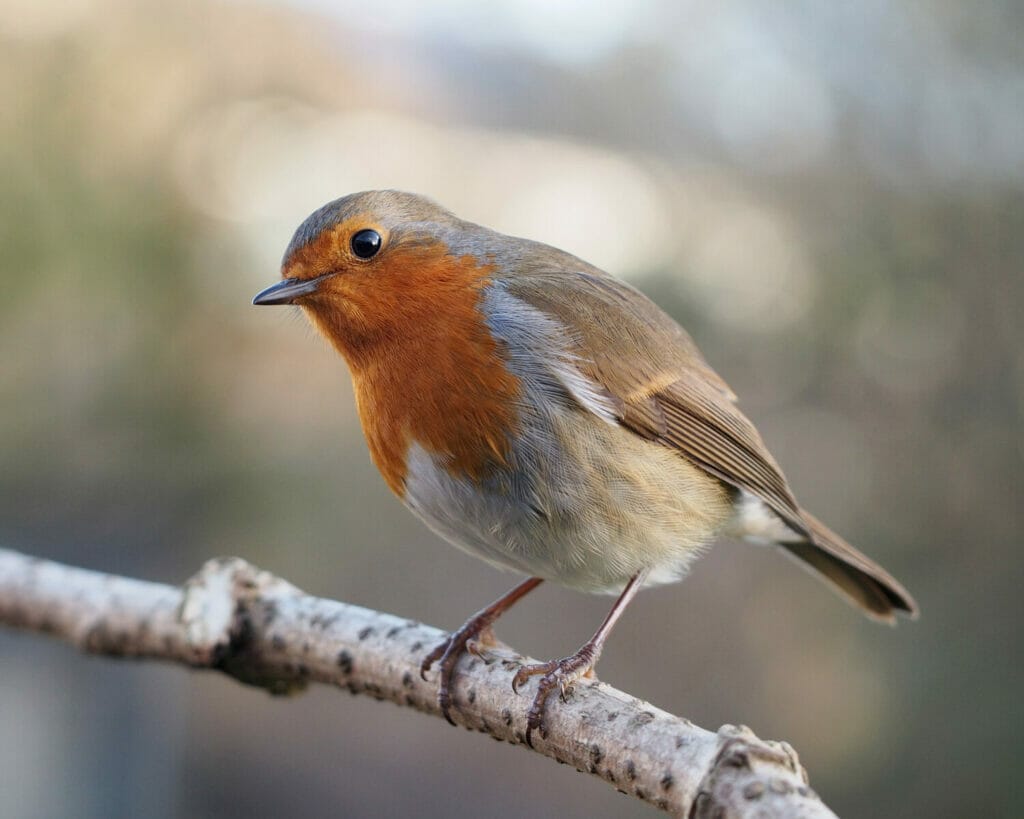
A beloved bird across Europe, the European Robin, often affectionately called the "Robin Redbreast," is perhaps the most iconic example of a bird with an orange-red breast. While the namesake orange is prominent, its upper parts are a classic brown.
- Identification and Size: This small, plump bird is easily recognizable by its bright orange-red breast and face, which extends to the throat. Its upperparts are a soft brown, and its underparts are a paler gray. Length typically ranges from 5.5 inches, with a weight of 0.49 to 0.88 ounces.
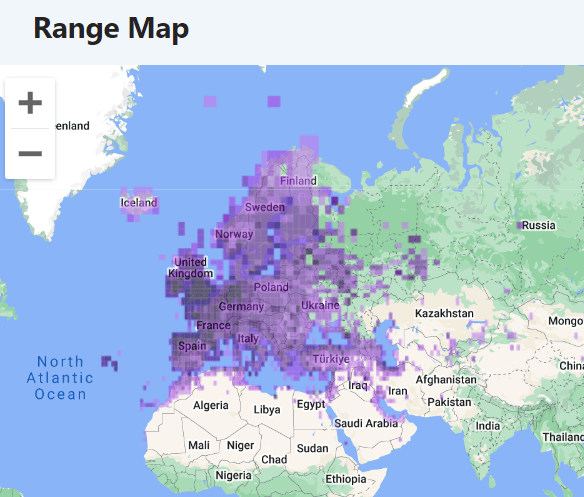
- Distribution: The European Robin is ubiquitous across the continent of Europe and extends its range into parts of North Africa and the Middle East. They are common in woodlands, gardens, and hedgerows.
- Diet: Their diet is varied, comprising insects, spiders, earthworms, fruits, and seeds, making them adaptable to different food availabilities throughout the year.
- Vocalizations: European Robins possess a diverse repertoire of songs and calls, which change seasonally and can include melodious warbling, sharp ticking sounds, and even mimicry of other birds.
Sharp-shinned Hawk ( Accipiter striatus )
Representing the raptor family, the Sharp-shinned Hawk, particularly in its juvenile plumage, can exhibit brown upperparts and a streaky orange or rufous breast. This agile predator showcases the diversity of our target coloration.
- Identification and Size: This relatively small hawk, a master of aerial maneuverability, measures between 9.4 and 13.4 inches in length with a wingspan of 16.9 to 22.1 inches. The breast can be streaky orange or a more solid rufous wash, transitioning to a pale belly. Juvenile birds often have browner upperparts, while adults develop darker plumage.
- Distribution: The Sharp-shinned Hawk is found throughout the Americas, residing in forests and woodlands from Canada and the United States down to Central America and parts of northwestern and mid-eastern South America.
- Diet: As a swift and efficient predator, its diet consists primarily of other small birds, which it hunts with remarkable agility, often in dense forest environments but also occasionally near backyard bird feeders.
- Unique Feature: The species derives its name from its slender, featherless legs that extend all the way to its toes, a distinctive characteristic among hawks.
Orange-breasted Trogon ( Harpactes oreskios )
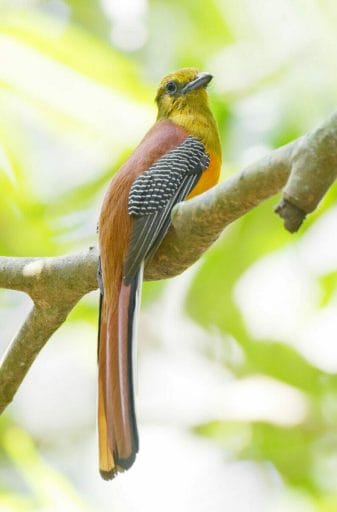
Hailing from the lush forests of Southeast Asia, the Orange-breasted Trogon offers a more exotic representation of our desired color combination. Both sexes share a striking orange breast, complemented by cinnamon-brown backs and olive-yellow heads.

- Identification and Size: Both males and females of this trogon species exhibit a bright orange breast, bordered by a paler yellow. Their backs are a rich cinnamon-brown, with distinctive black and white barring on the wings. The neck and head are a muted olive-yellow. They range from 9.8 to 12.2 inches in length and weigh between 1.7 and 2 ounces.
- Distribution: This trogon is endemic to the low-lying forests of Southeast Asia, favoring areas with dense undergrowth and mature trees.
- Foraging Technique: The Orange-breasted Trogon employs a unique hunting strategy known as "sally-gleaning." It perches and waits for insects, then launches itself to snatch them from leaves or branches, often startling its prey by briefly hovering before pouncing.
Russet-bellied Spinetail ( Synallaxis zimmeri )
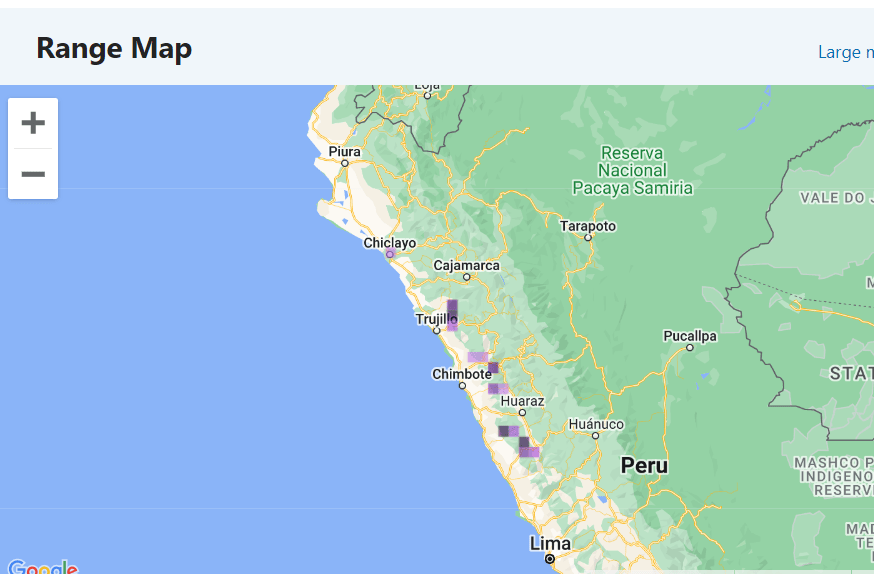
A rare and endangered species endemic to Peru, the Russet-bellied Spinetail, despite its limited numbers, fits our criteria with its distinct russet-orange breast that extends to its belly and tail, contrasted with gray-brown upperparts.
- Identification and Size: This critically endangered spinetail is characterized by its prominent russet-orange breast that extends downwards to its belly and tail. The upperparts and wings are a subdued gray-brown. It measures approximately 6.5 to 6.7 inches in length and weighs between 0.42 and 0.49 ounces.
- Distribution: This species is found exclusively in western Peru, inhabiting the Andean foothills. Its restricted range makes it particularly vulnerable to habitat changes.
- Conservation Status: The Russet-bellied Spinetail is classified as Vulnerable due to severe habitat loss and fragmentation, with limited corridors for dispersal to suitable new environments.
- Diet: Primarily an insectivore, it feeds on flying insects and spiders, foraging within dense shrubbery and undergrowth.
Orange-breasted Thornbird ( Phacellodomus ferrugineigula )
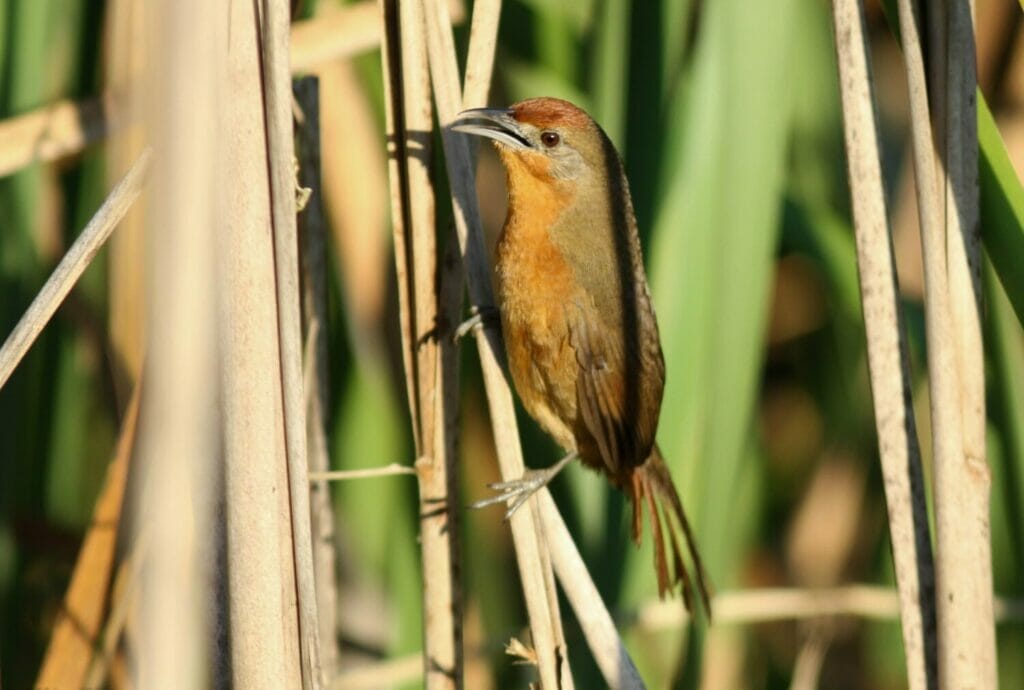
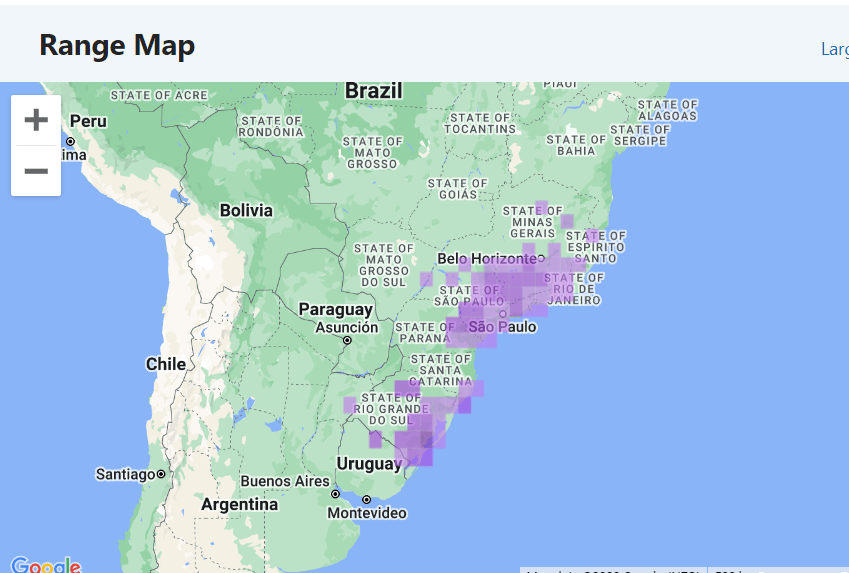
Found in the wetland habitats of eastern South America, the Orange-breasted Thornbird, despite its predominantly brown plumage, displays a beautiful fading of warm tones into a muted orange on its breast.

- Identification and Size: This attractive thornbird is largely brown, with its warm brown tones gradually transitioning into a muted orange on its breast. It measures between 7 and 7.2 inches in length and weighs approximately 0.84 to 0.88 ounces.
- Distribution: This species inhabits wetland and marsh environments across eastern South America, favoring areas with dense vegetation.
- Dietary Habits: Research on this elusive bird is limited, but it is believed to subsist mainly on arthropods.
- Fascinating Nomenclature: Interestingly, the thornbird’s name appears in numerous languages, highlighting the global interest in avian classification and common naming conventions.
European Stonechat ( Saxicola rubicola )
The European Stonechat, particularly the female, showcases the desired brown and orange combination. This small passerine bird is a common resident across Europe.
- Identification and Size: The female European Stonechat exhibits overall brown plumage with a pale buff belly that transitions into an orange chest. It measures around 5 inches in length and weighs between 0.5 and 0.6 ounces.
- Distribution: This stonechat is a widespread resident throughout Europe, extending its range into North Africa and the Middle East. They are typically found in open country, heathland, and coastal areas.
- Vocalization: The bird’s common name is derived from its call, which audibly resembles the sound of stones being clicked together.
- Diet: Its diet consists primarily of insects and their larvae, with occasional consumption of seeds and fruits.
Brambling ( Fringilla montifringilla )
A migratory finch found across Europe and Asia, the Brambling, especially outside its breeding season, presents an attractive orange breast against intricate brown, black, and white wing patterns, along with a distinctive white rump.
- Identification and Size: This striking finch measures between 5.3 and 6.2 inches in length and weighs from 0.6 to 1 ounce. Outside of the breeding season, it displays an orange breast, a white rump, and finely patterned brown, black, and white markings on its wings.
- Distribution: The Brambling is widespread across Western Europe and eastward into Asia, with populations reaching as far as Japan.
- Migration Patterns: This species is migratory, and during certain periods in Europe, enormous flocks, sometimes numbering in the millions, can be observed, creating a spectacular natural phenomenon.
- Diet: Primarily feeding on fruits and seeds, Bramblings will opportunistically consume insects when available.
Barn Swallow ( Hirundo rustica ) – A Close Contender
While not strictly fitting the "brown" criteria due to its iridescent blue-black upperparts, the Barn Swallow is often considered when discussing orange-breasted birds. Its underparts, however, are a distinct rufous-orange, making it a noteworthy mention in discussions of avian coloration, even if it falls outside the precise parameters of this specific search.
- Identification and Size: The Barn Swallow is an agile aerialist, measuring approximately 6.5 to 7.5 inches in length with a distinctive deeply forked tail. Its upperparts are a glossy blue-black, while its throat and breast are a rich rufous-orange.
- Distribution: This highly migratory species breeds across the Northern Hemisphere and winters in the Southern Hemisphere, undertaking vast transcontinental journeys.
- Nesting Habits: Barn Swallows are known for their mud nests, often built on man-made structures like barns and eaves, which gives them their common name.
- Diet: Exclusively insectivorous, they capture insects in flight, demonstrating exceptional aerial agility.
Conclusion: A World of Color and Adaptation
While the initial goal was to identify ten brown birds with orange chests, the exploration yielded nine distinct species that precisely match this description. The absence of a tenth species fitting all criteria underscores the specificity of avian coloration and the nuanced distinctions that ornithologists use for classification. However, the nine identified species—the American Robin, Zebra Waxbill, European Robin, Sharp-shinned Hawk, Orange-breasted Trogon, Russet-bellied Spinetail, Orange-breasted Thornbird, European Stonechat, and Brambling—represent a fascinating cross-section of avian diversity.

The Orange-breasted Thornbird, in particular, stands out. Its common name highlights its prominent feature, yet it remains a largely brown bird, demonstrating how subtle color variations can lead to such descriptive appellations. The quest has revealed the intricate ways in which evolution has shaped feather coloration for survival, reproduction, and species recognition. Each bird, with its unique palette, tells a story of adaptation and its place within the global ecosystem.
Frequently Asked Questions
What kind of bird has an orange belly in the United States?

In the United States, the American Robin is the most commonly encountered and widespread bird with a distinctly orange or reddish-orange belly. Its familiar presence in gardens and parks makes it an easily identifiable species with this characteristic.
What swallow bird has an orange chest?
The Barn Swallow is well-known for its orange or rufous-colored chest. However, it is important to note that its upper plumage is a glossy blue-black, not brown, so it doesn’t fully meet the criteria for a "brown bird with an orange chest" as defined in this article.
What birds are black with orange bellies?
Numerous species of orioles, found across various continents, are characterized by black and orange or black and yellow plumage. These birds often exhibit a striking contrast between their dark backs and vibrant undersides.
What kind of bird is reddish-brown?
The Brown Thrasher is a North American bird that is notably reddish-brown in color. While its breast is typically buff-colored, its overall warm, rusty-brown appearance is a defining feature. However, due to the lack of a prominent orange chest, it was not included in the primary list of birds for this article.

