


Squirrels, those ubiquitous and often audacious backyard inhabitants, are renowned for their acrobatic prowess and relentless pursuit of sustenance. Among their favored culinary targets are birdseed and nuts, making them frequent, and often unwelcome, guests at bird feeders. For many bird enthusiasts, the desire to attract a vibrant avian population while simultaneously deterring these furry pilferers presents a perennial challenge, demanding creative strategies to outsmart these remarkably intelligent creatures. This persistent conflict begs the question: do birds and squirrels truly coexist peacefully?
The straightforward answer is a nuanced yes, with a significant asterisk: it all hinges on the availability of food. Birds and squirrels share a common palate, with birdseed ranking high on both their lists of preferred delicacies. Consequently, the presence of a substantial squirrel population in a neighborhood can transform a tranquil bird feeder into a frequent battleground. These skirmishes, however, are rarely equitable. Squirrels, generally larger and more robust than most backyard birds, possess a distinct advantage. This size disparity often results in birds being intimidated and scared away, leaving squirrels to gorge on the readily available seeds.
Squirrels are not just physically imposing; they are also masters of their environment. Capable of leaping over ten feet and possessing exceptional climbing and digging skills, they are formidable adversaries. Their intelligence is well-documented; they learn quickly and exhibit remarkable persistence in achieving their goals. This tenacity extends to their feeding habits, with squirrels known to gnaw through and claw at wooden and plastic feeders to access the tempting treats intended for their feathered counterparts. This destructive behavior can render feeders unusable, adding a layer of cost and inconvenience for the homeowner.
The Allure of the Bird Feeder: A Shared Culinary Destination
The appeal of high-quality birdseed is a universal constant for both avian and squirrel species. Black oil sunflower seeds, a staple in many birdseed mixes, along with various nuts and suet, are particularly coveted by both groups. This shared preference is the root cause of much of the conflict observed at backyard feeders.
While squirrels are undeniably charming with their fluffy tails and agile movements, their presence at bird feeders can be a source of contention. Some individuals may find their antics entertaining and welcome them as part of the backyard ecosystem. However, for dedicated birdwatchers, the opportunistic raids by squirrels can be a significant nuisance, transforming a peaceful bird-watching experience into a frustrating battle of wits.
Birds, by nature, tend to be more accommodating to their own kind, often sharing feeders with a variety of species. Squirrels, conversely, exhibit a voracious appetite coupled with a dominating demeanor. They are often described as greedy, readily chasing away birds to monopolize the food supply. Frequently, their raids leave feeders completely depleted, offering no further sustenance for the avian visitors.
The Ecological Impact: Beyond Seed Theft
The conflict between squirrels and birds extends beyond mere competition for birdseed. Squirrels are opportunistic omnivores and can pose a threat to nesting birds. They have been known to prey on bird eggs and newly hatched chicks. This predatory behavior can significantly impact local bird populations, making gardens with a high squirrel presence less attractive to nesting birds seeking a safe haven for their young. The presence of squirrels can, therefore, have a cascading effect on garden biodiversity, discouraging species that rely on feeders and nesting sites.
Strategic Defenses: Protecting Your Avian Buffet
Protecting bird feeders from the persistent intrusions of squirrels requires a multi-faceted approach, often tailored to the specific feeder type and garden layout. Squirrels are notoriously cunning, and a single preventative measure may not suffice. Many homeowners have resorted to elaborate "obstacle courses" designed to test a squirrel’s agility and problem-solving skills before it reaches its desired reward.
Location, Location, Location: The First Line of Defense
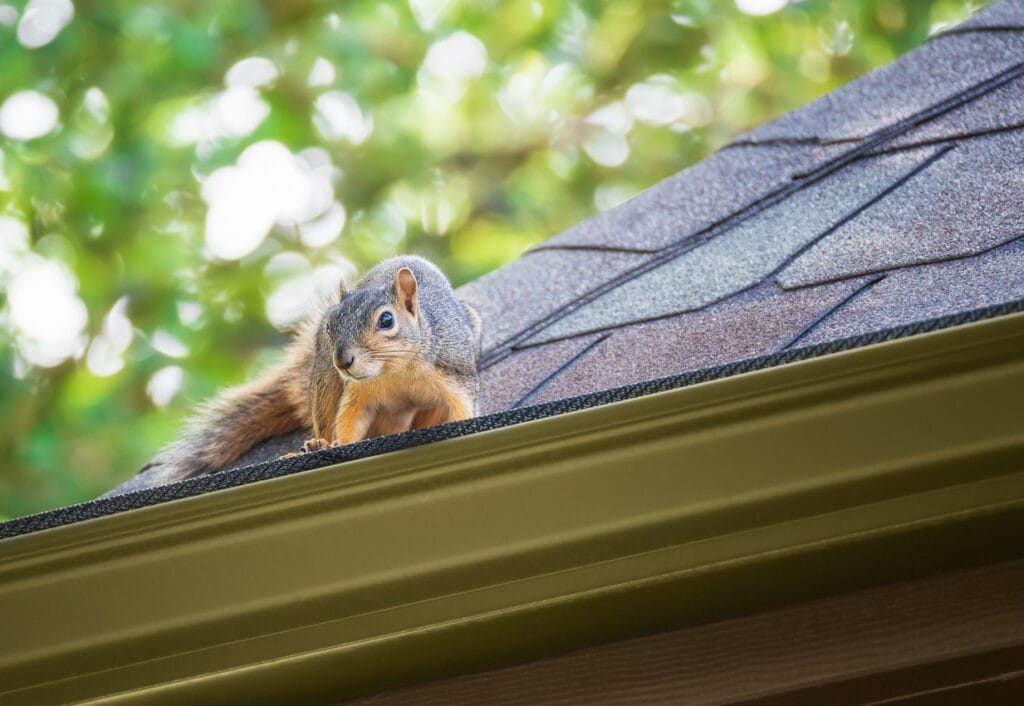
The strategic placement of a bird feeder is paramount in deterring squirrels. The primary goal is to make access as difficult as possible. This involves positioning feeders far from any potential launch points, such as porches, gutters, low-hanging wires, or tree branches. Squirrels are adept climbers and jumpers, and these structures provide them with easy access to feeders.
A highly effective strategy is to mount the bird feeder on a smooth metal pole, ideally at least six feet off the ground. This height alone can be a deterrent. Furthermore, it is advisable to prune any bushes or tree branches within a twelve-foot radius of the feeder. This creates a significant gap that squirrels are less likely to bridge, forcing them to abandon their attempts.
Caging for Safety: A Barrier Against Unwanted Guests
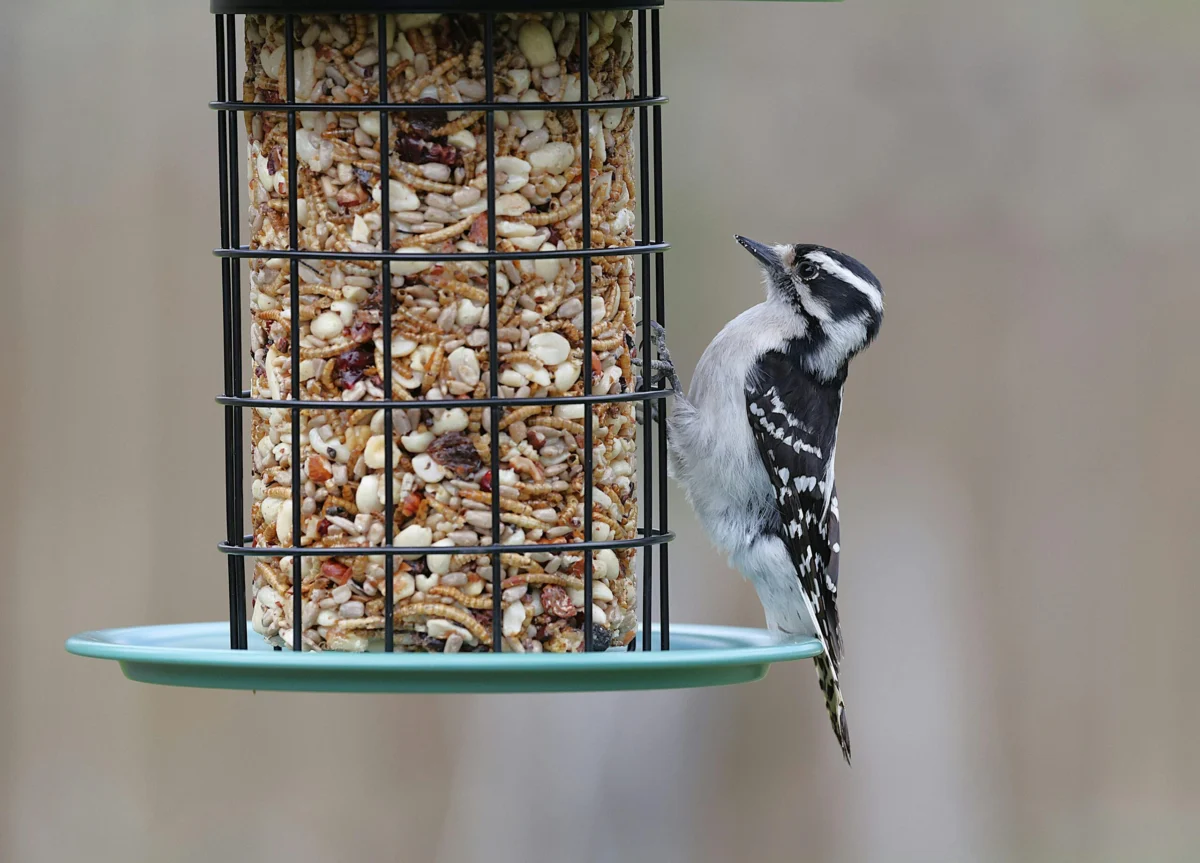
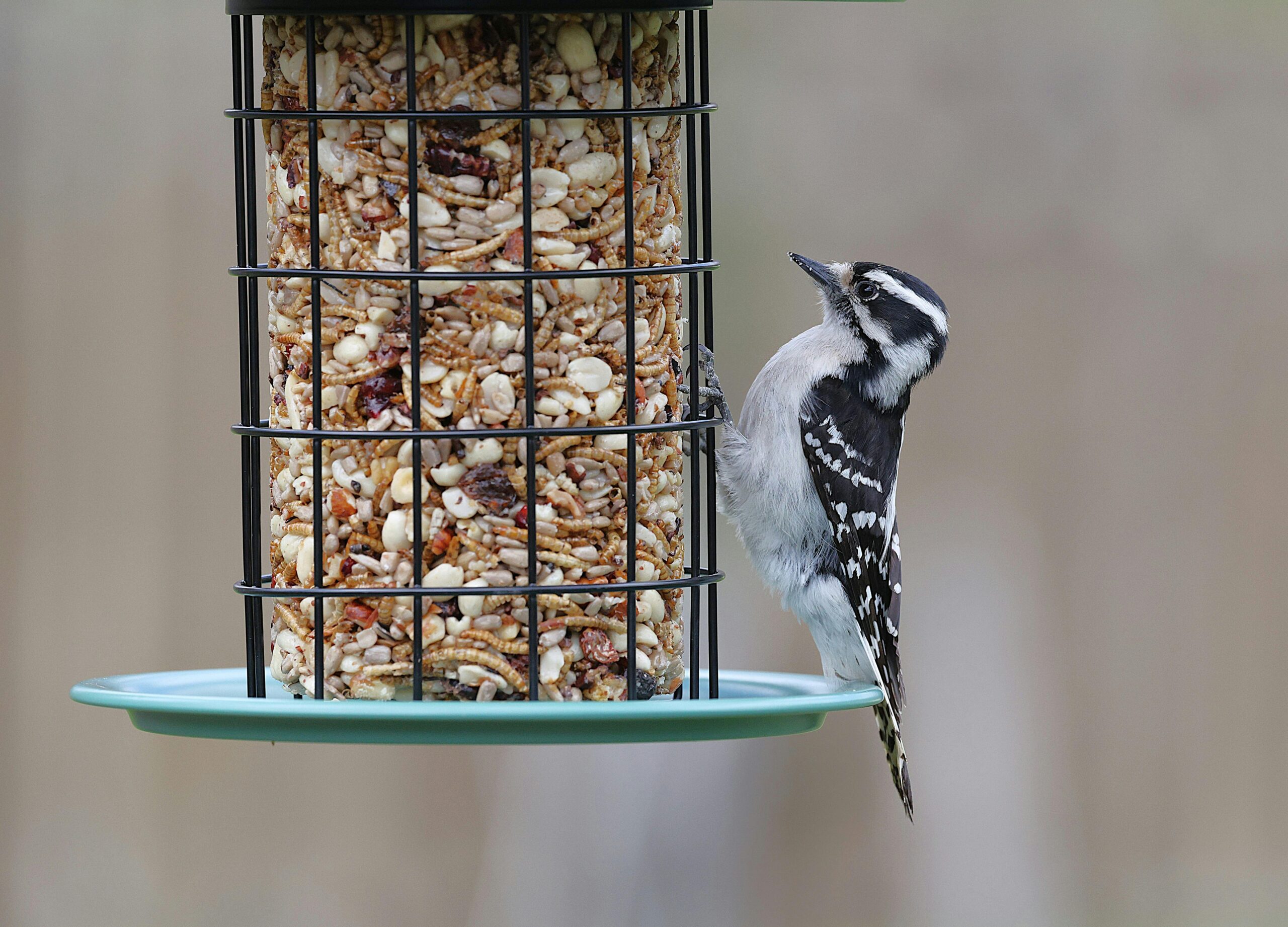
For those with limited yard space or where eliminating launch points is not feasible, caging the feeder can be a viable solution. Wrapping a feeder in chicken wire with sufficiently small openings is a common method. The mesh size should be small enough to exclude squirrels but large enough to allow smaller birds to access the seed. This method also offers a secondary benefit: it can help prevent larger, more aggressive birds like pigeons and starlings from dominating the feeder and consuming all the food. Pre-fabricated "squirrel-proof" feeders with integrated caging are also available commercially.
Tilting and Spinning: The Element of Surprise
Specially designed feeders that tilt or spin when a squirrel attempts to climb onto them can be highly effective. The sudden imbalance dislodges the squirrel, making it difficult for it to maintain its grip and reach the food. These feeders often provide an entertaining spectacle, turning a squirrel’s attempted raid into a comedic display of acrobatics.
Spinner Systems: Adding an Extra Layer of Difficulty
Another innovative method involves hanging the feeder from a thin, horizontal wire. By threading spinners onto this wire, squirrels are further challenged. These spinners can be fashioned from readily available materials like short pieces of pipe, old sewing thread spools, or even empty soda bottles. When a squirrel attempts to traverse the wire, the spinners rotate, causing it to lose its balance and fall. This adds an element of dynamic resistance that squirrels find difficult to overcome.
Baffles: The Dome of Defense
Baffles are dome-shaped guards, typically made of smooth plastic or metal, designed to be placed above or below a bird feeder. They act as physical barriers that squirrels cannot easily climb over or around. The most effective baffles are at least 15 inches wide and slope downwards, making it impossible for squirrels to reach the feeder. Many modern baffles are engineered to spin or twirl when a squirrel lands on them, further unsettling the intruder and preventing access to the food. DIY baffle solutions can also be constructed, offering a cost-effective alternative.
Maintaining a Tidy Feeding Ground: The Importance of Cleanliness
The area surrounding a bird feeder plays a crucial role in its defense. Keeping the ground beneath the feeder clean and free of spilled seeds and debris is essential. Fallen seeds can attract squirrels and other pests, and if left to rot, they can become a health hazard for birds and other wildlife. Regular cleanup minimizes the temptation for squirrels to linger near the feeder.
Feeder Design: A Matter of Material and Mechanism
The style of the bird feeder itself can be a significant factor. If squirrels have a history of damaging traditional feeders, investing in a "squirrel-proof" model is advisable. These feeders often incorporate weight-activated doors or hatches that close when a heavier animal, such as a squirrel, attempts to access them. Birds, being considerably lighter, can still feed without issue. Furthermore, feeders constructed from metal or featuring robust, thick designs are more resistant to damage from squirrels’ persistent gnawing and clawing.
Seed Selection: A Matter of Taste
While squirrels are generally attracted to a wide variety of birdseed, certain types are less palatable to them. Nyjer seed and safflower seed, for instance, possess a bitter taste that squirrels tend to avoid. By incorporating these seeds into your bird feeder mix, you can still attract birds while making the offerings less appealing to your furry adversaries.
The Spicy Solution: A Flavorful Deterrent
A fascinating and effective deterrent relies on a biological difference: squirrels, like most mammals, are sensitive to capsaicin, the compound that gives chili peppers their heat. Birds, however, are immune to this burning sensation. Sprinkling cayenne pepper or other chili powders onto birdseed can effectively deter squirrels without harming the birds. It is important to note that this method may require reapplication after rain, as the spice can wash off. Pre-treated chili seeds and suet are also available commercially. When handling chili powder, it is advisable to wear gloves and avoid inhaling the dust.
Humane Trapping and Relocation: When All Else Fails
In instances of severe squirrel infestations, contacting local wildlife authorities for guidance on humane trapping and relocation methods may be necessary. It is imperative to adhere to all local wildlife laws and regulations to ensure ethical and legal practices.
Removing Habitat: Discouraging Domicile
Squirrels are more likely to frequent areas where they have convenient access to shelter and nesting sites. By removing potential hiding places around your home, such as overgrown bushes or unsealed sheds and attics, you can discourage them from establishing a permanent presence and thus reduce their proximity to bird feeders.
What Not to Do: Ethical Considerations in Wildlife Management
While the battle against squirrels can be frustrating, it is crucial to employ humane and ethical methods. Under no circumstances should squirrels be hunted, poisoned, or otherwise endangered. They play an integral role in the ecosystem, contributing to seed dispersal and serving as prey for various predators.
The use of poisoned bait is particularly dangerous, as it can harm not only squirrels but also birds, raptors, and other wildlife that might consume the poisoned animals or the bait itself. Releasing domestic cats to hunt squirrels is also ill-advised, as cats are indiscriminate hunters and may pose a threat to birds and other beneficial wildlife. Similarly, coating feeder poles with oil or grease can be detrimental, potentially causing illness or making birds and other animals vulnerable if they come into contact with the slippery substances.
Conclusion: Coexistence and Compromise
Ultimately, completely eliminating squirrels from bird feeders can be an elusive goal. In some cases, temporarily removing feeders for a few weeks might encourage squirrels to forage elsewhere, but they will likely return once the feeders are reinstated. If all deterrent methods have been exhausted without complete success, it may be time to consider a compromise.
An effective alternative to constant conflict is to establish a dedicated feeding station for squirrels. Offering them nuts, corn, and berries in a separate, easily accessible location can satisfy their dietary needs and draw them away from the bird feeders. This approach ensures that birds can feed undisturbed while still acknowledging the squirrels’ place in the natural world.
Squirrels are a fascinating part of nature, possessing remarkable agility and intelligence. They have as much right to inhabit your garden as any bird, insect, or other creature. Observing their antics can be as enjoyable as watching the vibrant displays of cardinals or finches. While strategies to deter squirrels from bird feeders are numerous, the occasional visit from these persistent acrobats is often an inevitable part of backyard wildlife observation. The key lies in finding a balance that allows for the enjoyment of both avian and squirrel populations within your garden ecosystem.
Frequently Asked Questions
Do squirrels kill birds?
While squirrels are primarily herbivores, they are opportunistic omnivores. They do not typically hunt birds for food. However, they may injure a bird if they feel threatened. Their predatory instincts can be triggered by unattended bird eggs in nests or by vulnerable nestlings, which they may consume.
Do birds kill squirrels?
Yes, birds of prey, such as hawks, falcons, owls, and eagles, regularly hunt and consume squirrels. It is highly unlikely that smaller backyard birds competing for food at a feeder would be capable of killing a squirrel.

