


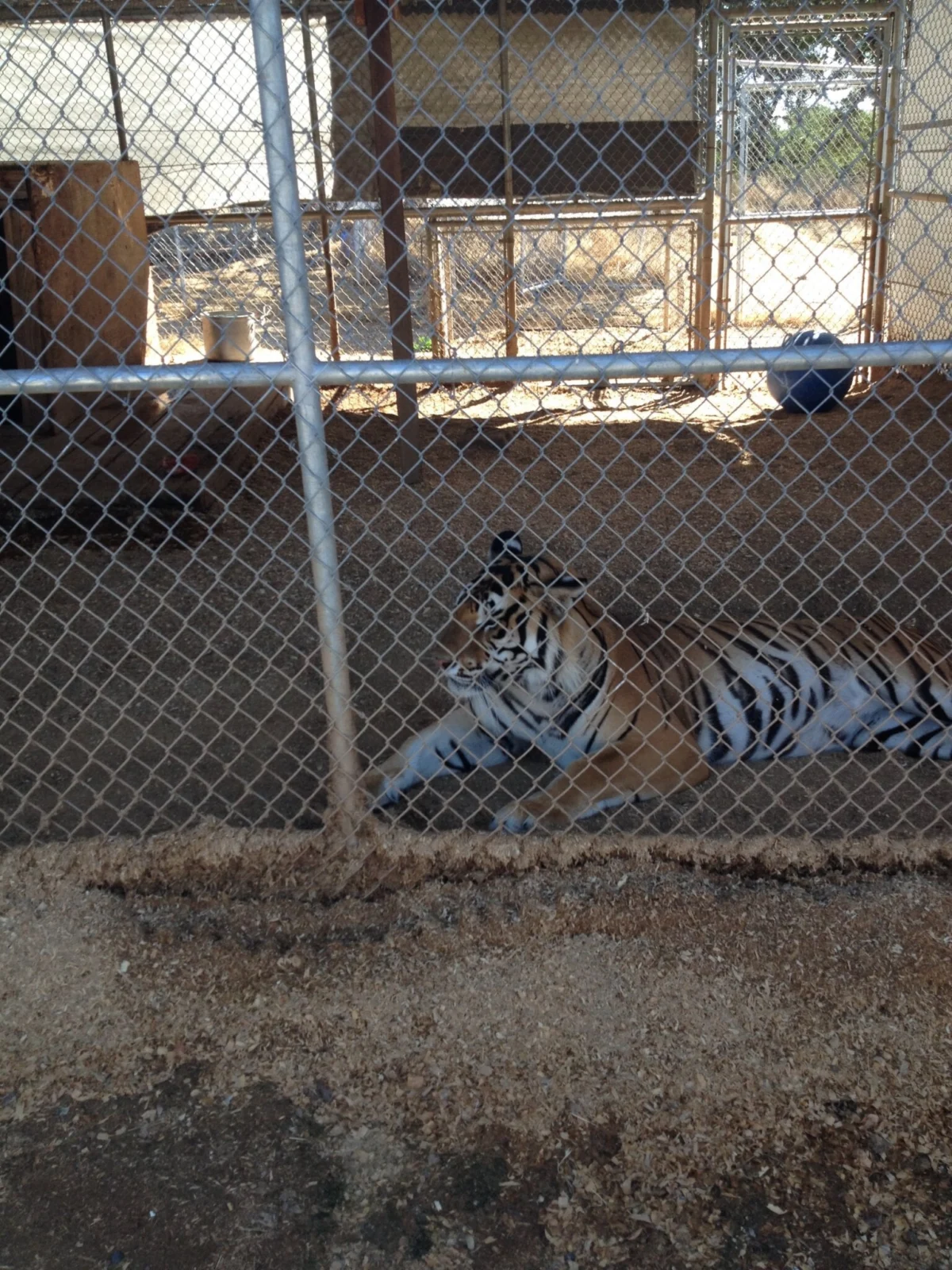
In a significant victory for animal welfare advocates and a conclusion to a years-long legal struggle, four tigers formerly held at what was once dubbed the “Worst Roadside Zoo in America” have been successfully relocated to accredited sanctuaries. The tigers—Franklin, JB, Sitara, and Zuri—are now acclimating to expansive, naturalistic environments in California and Arkansas, marking the end of their tenure in the exploitative exotic animal trade. This relocation follows a 2025 state-led shutdown of the Barry R. Kirshner Wildlife Foundation and a subsequent legal campaign to prevent the animals from being transferred to other unaccredited exhibitors.
The rescue marks a pivotal moment in the ongoing effort to dismantle the network of "roadside zoos" that prioritize profit and public interaction over the biological and psychological needs of apex predators. For these four tigers, the transition from cramped, barren cages to lush, multi-acre habitats represents more than just a change of scenery; it is a critical intervention for their long-term health and survival.
Profiles of the Rescued: New Beginnings in Accredited Care
The four tigers have been distributed among three leading facilities known for their high standards of veterinary care and commitment to animal dignity.
Franklin and JB at PAWS
Franklin (formerly known as Lapua) and JB (formerly known as David Alan) have been moved to the Performing Animal Welfare Society (PAWS) in Galt, California. PAWS is a renowned 2,300-acre sanctuary that specializes in the care of animals retired or rescued from the entertainment industry and the exotic pet trade. At PAWS, Franklin and JB now have access to vast, rolling grasslands and cooling pools, a stark contrast to the concrete and chain-link environments of their past.
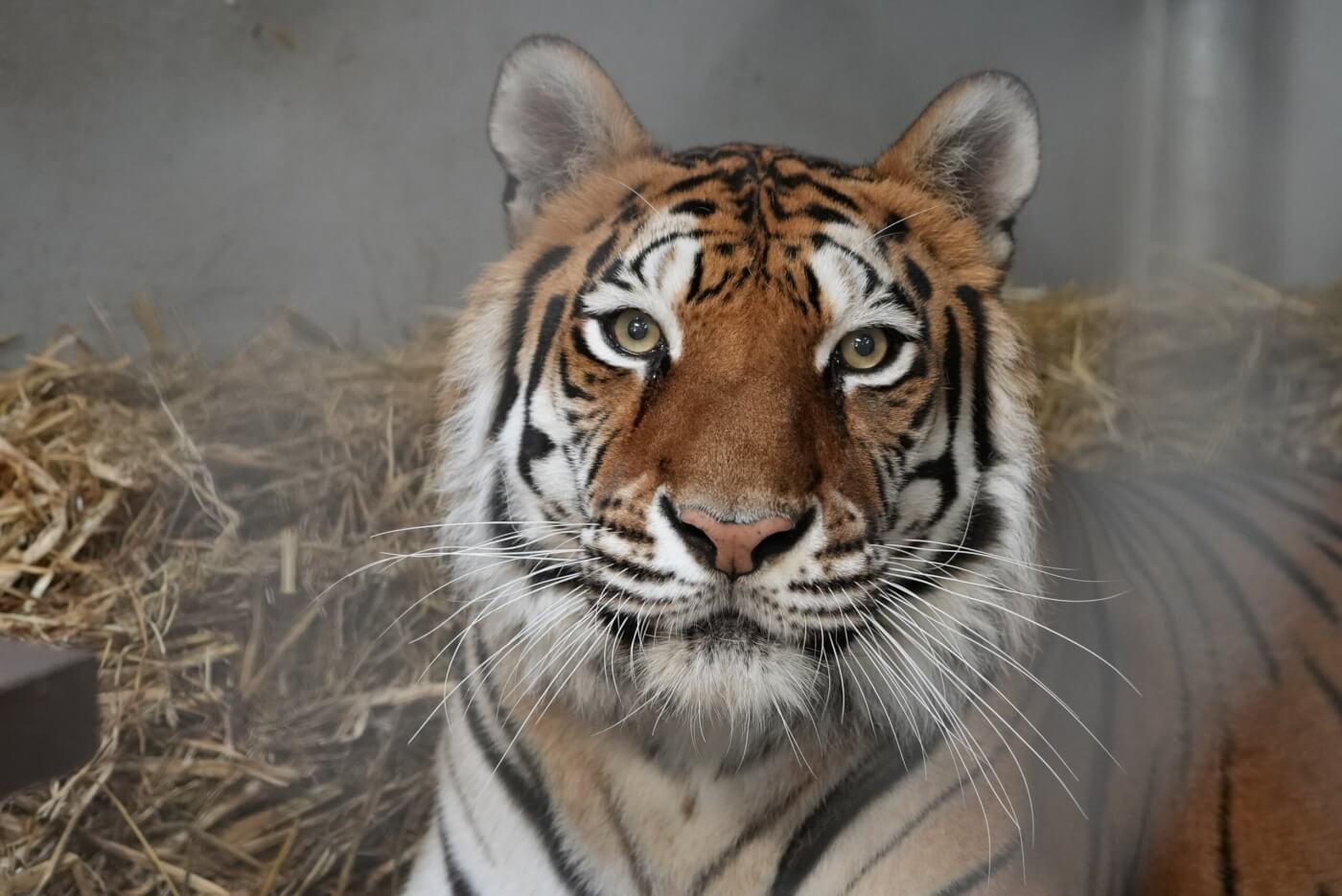
Sitara at the Oakland Zoo
Sitara has found a permanent home at the Oakland Zoo, an institution that has increasingly pivoted toward rescue and rehabilitation. Her new habitat features natural terrain, including waterfalls and elevated walkways designed to encourage natural behaviors such as climbing and patrolling. The zoo’s facility also provides a large "behind-the-scenes" area, allowing Sitara the autonomy to choose when she wishes to be visible to the public and when she prefers solitude.
Zuri at Turpentine Creek Wildlife Refuge
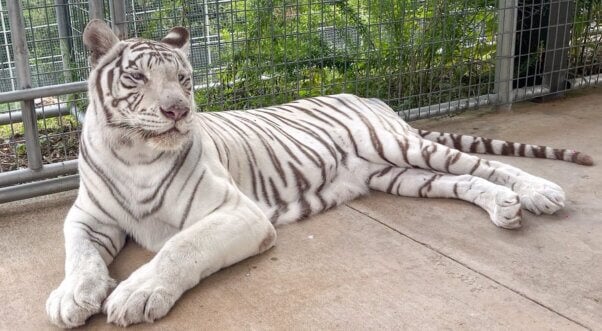
Zuri, a white tiger, was transported to the Turpentine Creek Wildlife Refuge in Eureka Springs, Arkansas. Zuri’s case is particularly poignant as she suffers from significant visual impairment, a common genetic defect associated with the inbreeding required to produce the white coat mutation. Turpentine Creek, which manages nearly 500 acres of refuge land, provides specialized care for big cats with chronic health issues resulting from poor breeding and neglect.
The Legacy of the Barry R. Kirshner Wildlife Foundation
The facility from which these tigers were rescued, the Barry R. Kirshner Wildlife Foundation in Oroville, California, had long been a focal point of controversy. Despite its self-presentation as an educational and conservation-oriented foundation, it was frequently cited by animal rights organizations and regulatory agencies for egregious violations of the Animal Welfare Act (AWA).
In 2016, PETA officially labeled the foundation the “Worst Roadside Zoo in America.” The designation was based on a history of inadequate veterinary care, unsafe handling practices, and the confinement of animals in small, sterile enclosures. Investigators documented numerous instances of tigers and other big cats suffering from Metabolic Bone Disease (MBD). MBD is a painful and preventable condition caused by severe malnutrition—specifically a lack of calcium and vitamin D—which leads to bone thinning, fractures, muscle atrophy, and permanent lameness.
Furthermore, the foundation was linked to a network of controversial breeders, including Mario Tabraue, a figure featured in the Tiger King docuseries. These breeders were known for the practice of "cub-petting," where tiger cubs are prematurely separated from their mothers to be used as photo props. Once the cubs grow too large and dangerous for public interaction, they are often discarded or sold to facilities like Kirshner, where they spend the remainder of their lives in substandard conditions.
Chronology of the Legal and Regulatory Shutdown
The road to the 2026 relocation was paved by over a decade of regulatory scrutiny and legal challenges.
- 2014–2020: The U.S. Department of Agriculture (USDA) issued multiple citations against the Kirshner Foundation for failing to provide adequate veterinary care and for maintaining enclosures that did not meet minimum safety standards.
- 2021: PETA filed a series of formal complaints with the California Division of Occupational Safety and Health (Cal/OSHA) and the California Department of Fish and Wildlife (CDFW), alleging that the facility posed a danger to both the animals and the public.
- 2024: Following an increase in reported animal deaths and documented health crises at the facility, a criminal investigation was launched by state authorities.
- 2025: The State of California officially ordered the shutdown of the Kirshner Wildlife Foundation. However, rather than surrendering the animals to sanctuaries, the owners attempted to move them to private properties and unaccredited associates to avoid losing their "assets."
- Late 2025: Five tigers, including those recently rescued, were moved to a private site in Rio Vista, California. PETA filed a lawsuit to block the foundation from regaining possession of the animals or opening a "sham sanctuary."
- July 2026: Under the pressure of ongoing litigation and the inability to secure new permits, the owners agreed to surrender the tigers to the Oakland Zoo, which then facilitated the transfers to PAWS and Turpentine Creek.
The Tragic Reality of Neglect: The Case of Savara
While the rescue of the four tigers is a cause for celebration, it also highlighted the irreversible damage caused by years of neglect. A fifth tiger, an elderly female named Savara, was part of the group surrendered to the Oakland Zoo. Upon arrival, veterinary teams discovered that Savara was suffering from end-stage arthritis and advanced spinal disease.
Experts believe these conditions were exacerbated by years of confinement in small spaces that prevented adequate movement, combined with a lack of preventative geriatric care. Despite intensive medical intervention at the Oakland Zoo, Savara’s condition did not improve, and her quality of life was deemed irrecoverable. In a compassionate act to end her suffering, the veterinary staff made the difficult decision to humanely euthanize her. Savara’s death serves as a somber reminder of the hidden costs of the roadside zoo industry.
Scientific and Ethical Implications of the Rescue
The rescue of these tigers, particularly Zuri, sheds light on the ethical issues surrounding the breeding of white tigers. Contrary to popular belief, white tigers are not a separate species or an endangered sub-group; they are the result of a rare genetic mutation that is selectively bred for profit. This breeding often involves intense inbreeding (mating closely related individuals), which results in a high frequency of birth defects, including cleft palates, club feet, kidney failure, and the visual impairments seen in Zuri.
The relocation also underscores the importance of the Big Cat Public Safety Act, which was signed into federal law in the United States in late 2022. The Act prohibits the private ownership of big cats and bans public contact with cubs. The closure of the Kirshner facility and the rescue of its inhabitants are seen as the practical application of the principles behind this legislation—moving away from a model of exploitation and toward one of true sanctuary.
Institutional Responses and Future Outlook
In statements following the successful transfers, representatives from the receiving sanctuaries emphasized the need for continued public vigilance.
"These tigers have spent their lives as objects for human amusement, deprived of every natural impulse," a spokesperson for PAWS stated. "Our goal now is to provide them with the peace and autonomy they have been denied for so long. Here, they are no longer performers; they are simply tigers."
The Oakland Zoo echoed these sentiments, noting that the rescue was a collaborative effort involving multiple organizations dedicated to ending the cycle of abuse in the exotic animal trade. The zoo also urged the public to research facilities before visiting, emphasizing that "accredited sanctuaries" (those recognized by the Global Federation of Animal Sanctuaries or the Association of Zoos and Aquariums) do not allow public handling of animals or commercial breeding.
As Franklin, JB, Sitara, and Zuri begin their lives in their new homes, their journey reflects a broader shift in societal values. The decline of roadside zoos indicates a growing public demand for animal welfare standards that prioritize the intrinsic value of wildlife over the entertainment value of captive animals. While the Kirshner Wildlife Foundation may be a thing of the past, the mission to relocate hundreds of other animals still trapped in similar facilities across the country remains a primary focus for animal advocates and regulatory bodies alike.

