


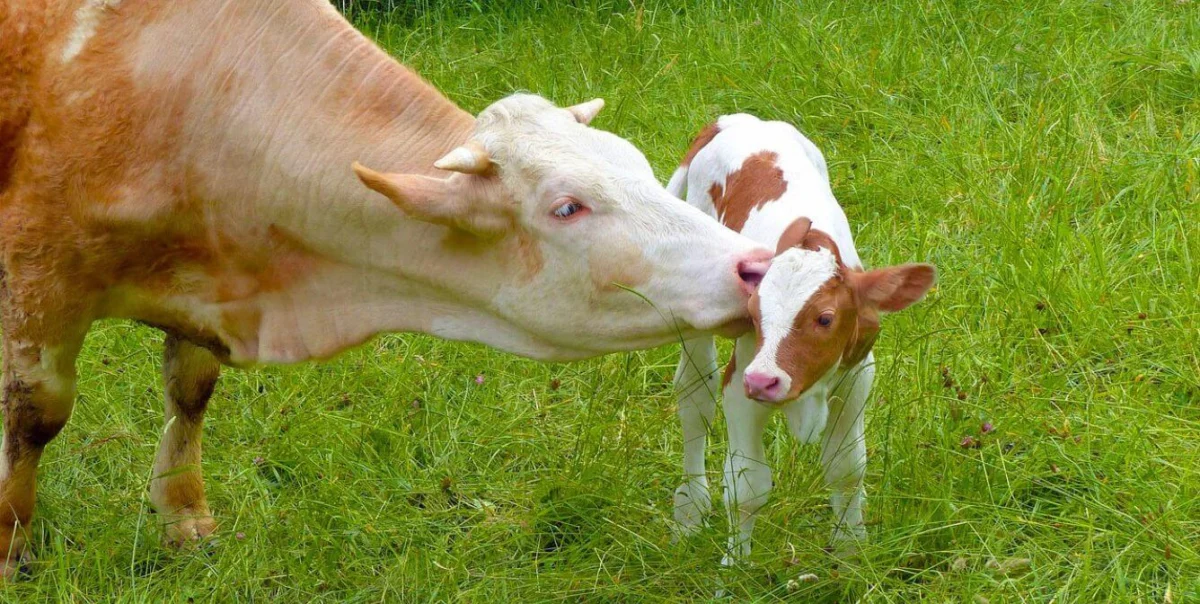
As the United States approaches its semiquincentennial on July 4, 2026, the national discourse has increasingly turned toward a re-evaluation of the country’s founding principles—liberty, responsibility, and the moral character required to sustain a democratic republic. While the Declaration of Independence originally codified the "unalienable Rights" of life and liberty, the historical trajectory of the U.S. has been defined by a gradual expansion of the "moral circle." Historians and ethicists note that the American experiment was never intended to remain static; rather, it invited a continuous process of reflection and growth regarding who is entitled to moral consideration. This evolution, once limited to human demographics, has increasingly moved toward the inclusion of non-human animals, challenging the long-standing ideology of speciesism—the assumption of human superiority that leads to the exploitation of other sentient beings.
Historical Foundations of Stewardship and Curiosity
The philosophical roots of animal welfare in America can be traced back to the nation’s earliest leaders, who exhibited a blend of stewardship, scientific curiosity, and occasional ethical hesitation regarding the treatment of animals. George Washington, the nation’s first president, was noted for his meticulous attention to the animals at Mount Vernon. Records indicate that Washington demanded humane treatment from his overseers, emphasizing that the creatures under his care be provided for with "proper attention."
Thomas Jefferson, a polymath and the primary author of the Declaration of Independence, approached the natural world through the lens of Enlightenment-era science. Jefferson spent significant time documenting the behavior and physiology of American fauna, contributing to an early understanding of animals as complex biological entities rather than mere automatons. Perhaps the most prominent ethical internal conflict among the founders was seen in Benjamin Franklin. In his autobiography, Franklin detailed his early adoption of a "vegetary" diet at the age of 16, motivated by a desire to avoid the "unprovoked murder" of animals. Though he later fluctuated in his dietary habits, his writings reflect a persistent awareness of the contradictions inherent in the consumption of living beings.

These early instances of concern served as a precursor to more organized movements in the 19th century, where the connection between American values and animal compassion became more explicit.
A Chronology of Moral Expansion: From Walden to the Modern Era
The 19th century marked a significant shift in American intellectual thought, as prominent figures began to link the concept of human progress with the treatment of the natural world. In his 1854 seminal work, Walden, Henry David Thoreau posited that the advancement of the human race would eventually necessitate the abandonment of animal consumption. Thoreau described the transition away from carnivorous habits as a vital step in the moral and spiritual refinement of society.
During this same era, cultural icons like John Chapman, popularly known as Johnny Appleseed, spread a philosophy of non-violence that extended to all living creatures. Chapman was famously known for refusing to harm insects or animals, viewing all life as interconnected and worthy of protection. This period also saw the rise of the American temperance and health reform movements. Sylvester Graham, the Presbyterian minister often cited as the father of American vegetarianism, advocated for a plant-based diet as a means of fostering a more virtuous and disciplined citizenry. His influence led to the establishment of "Graham boarding houses" and the eventual creation of the graham cracker, originally intended as a health food.
As the 20th century dawned, this ethic was integrated into broader movements for social justice. Coretta Scott King, a leader in the Civil Rights Movement and the widow of Dr. Martin Luther King Jr., became a vocal advocate for veganism in her later years. She viewed the practice as a logical extension of the philosophy of non-violence, arguing that the struggle for justice should encompass all beings capable of suffering. This sentiment aligned with the emergence of the modern animal rights movement in the 1970s and 1980s, fueled by the publication of Peter Singer’s Animal Liberation and the founding of organizations like People for the Ethical Treatment of Animals (PETA).

The Role of American Innovation in Dietary Shifts
The transition toward plant-forward living has been significantly accelerated by American industrial and culinary innovation. In the late 19th century, John Harvey Kellogg and his brother Will Keith Kellogg revolutionized the American breakfast by promoting grain-based cereals as a healthy alternative to the meat-heavy meals common at the time. Their work at the Battle Creek Sanitarium in Michigan sought to decouple protein from animal sources, making vegetarian options accessible to the general public.
This tradition of innovation continued with figures like C.W. Post and later, in the late 20th century, with health advocates such as Nathan Pritikin. Pritikin’s research into the link between diet and heart disease helped mainstream the idea that a plant-based diet was not only ethically sound but medically superior. Today, this legacy is carried forward by a multi-billion-dollar food technology industry. According to data from the Good Food Institute, the U.S. retail market for plant-based foods reached approximately $8 billion in 2023. Innovations in cellular agriculture and plant-based protein structures have allowed for the creation of alternatives that mimic the taste and texture of meat, lowering the barrier to entry for consumers concerned with animal welfare.
Supporting Data: The Scale of Modern Animal Agriculture
The ethical imperative for expanding compassion is underscored by the current scale of the animal industrial complex. Data from the United States Department of Agriculture (USDA) reveals that in 2023, more than 9.5 billion land animals were slaughtered for food in the United States alone. This figure does not include the billions of aquatic animals processed annually.
Scientific research has increasingly provided a factual basis for the ethical arguments posed by animal advocates. The 2012 "Cambridge Declaration on Consciousness," signed by a prominent group of cognitive neuroscientists, stated that "the weight of evidence indicates that humans are not unique in possessing the neurological substrates that generate consciousness." The declaration confirmed that non-human animals, including all mammals and birds, possess the same complex brain structures required for emotion and sentience.
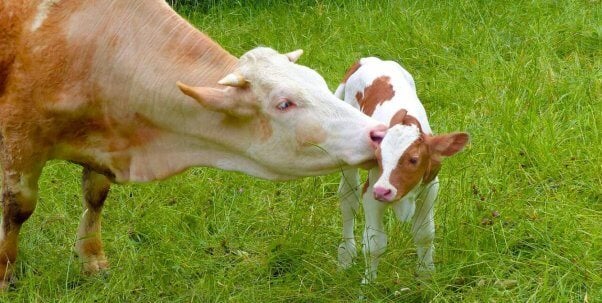
Furthermore, the environmental impact of large-scale animal agriculture has become a focal point for policy analysts. Reports from the United Nations Food and Agriculture Organization (FAO) indicate that livestock production is responsible for approximately 14.5% of global greenhouse gas emissions. In the U.S., the intensive use of land and water resources for feed crops has led to calls for a more sustainable, plant-centric food system as a matter of national security and environmental responsibility.
Official Responses and Legislative Trends
The recognition of animal sentience has begun to influence the American legal and political landscape. In recent years, several states have passed legislation aimed at curbing the most extreme forms of animal confinement. California’s Proposition 12, which was upheld by the U.S. Supreme Court in 2023, set new standards for the space provided to breeding pigs, egg-laying hens, and veal calves.
Legal scholars note that these shifts represent a burgeoning recognition of animals as "legal persons" or "sentient subjects" rather than mere property. While the U.S. has yet to implement a federal Animal Welfare Act that covers all animals used for food, the trend at the state level suggests a growing public appetite for reform. Reaction from the agricultural industry has been mixed, with some sectors investing in welfare improvements and plant-based diversifications, while others lobby against increased regulation, citing potential increases in food costs.
Broader Impact and Implications for the Future
The American story is often characterized as a persistent struggle to align national practice with national ideals. As the country celebrates its 250th year, the inclusion of animals in the sphere of moral concern is viewed by many as the next frontier of this struggle. The move toward vegan food and clothing is no longer a niche lifestyle choice but a reflection of a broader cultural shift toward "conscious consumerism."
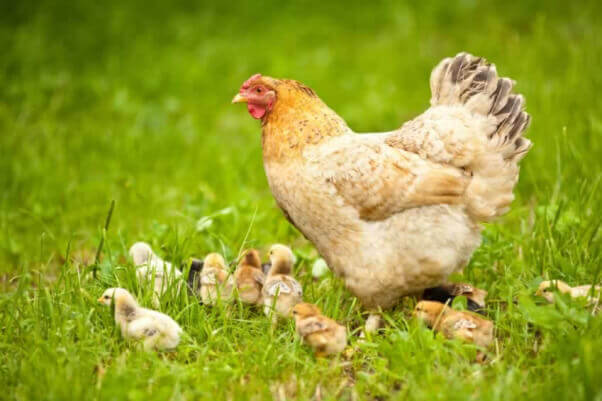
Analysis of current trends suggests that the future of American liberty and justice will increasingly be defined by how the nation treats those who are most vulnerable. The word "slaughterhouse," a term historically associated with industrial efficiency, is increasingly viewed through a lens of moral discomfort. As research continues to bridge the gap between human and non-human experiences, the pragmatic stewardship of George Washington and the ethical inquiries of Benjamin Franklin are being reimagined for a modern era.
In conclusion, the expansion of compassion to include all animals is not a departure from American values but a fulfillment of them. By choosing habits that reduce suffering and conserve resources, citizens are participating in a 250-year-old tradition of growth and self-improvement. The trajectory of the United States suggests that the principles of liberty and justice are most powerful when they are applied most broadly, ensuring that the "pursuit of happiness" is a right respected for all living beings who share the nation’s soil.

