


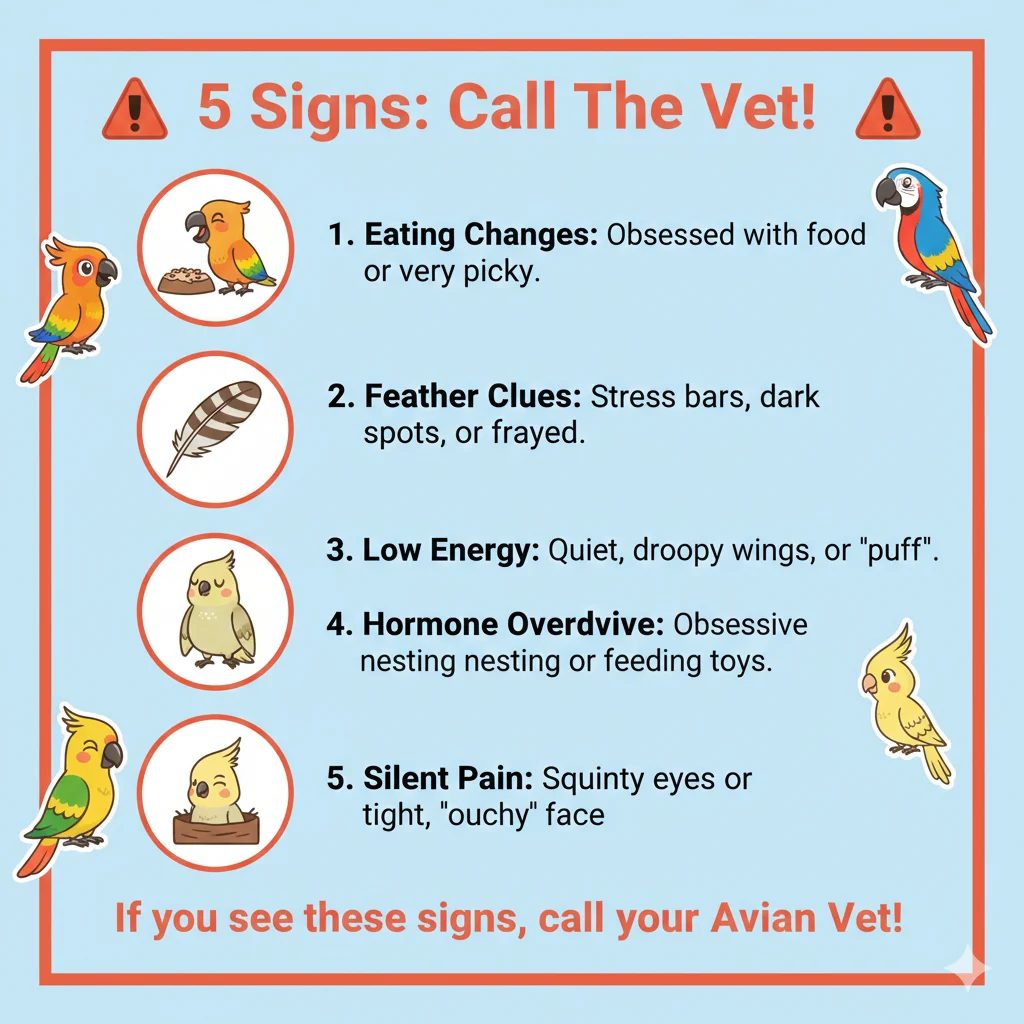
The intricate world of pet bird behavior often presents unique challenges for owners, with hormonal displays frequently topping the list of concerns. What appears to be erratic or "weird" behavior is, in fact, a deeply rooted biological response, particularly prevalent in adult birds. Far from being a mere phase, these behaviors signify a normal physiological state that, if left unmanaged, can escalate into significant welfare issues for the bird and strain the owner-pet relationship. Recent clinical findings, such as those published in 2026 by Dr. Rob Marshall and Tailai O’Brien, increasingly underscore reproductive hyperactivity as a primary driver behind numerous health complaints in pet avian populations, highlighting the critical need for proactive management.
The Biological Basis of Avian Hormonal Behavior
At its core, hormonal behavior in birds is a manifestation of their natural reproductive cycle. Species like the Sun Conure, referenced in many owner inquiries, exhibit classic signs of "big feelings" such as soft cooing, wing flapping, regurgitation, increased vocalization, and territoriality. These actions are instinctual preparations for breeding, driven by a complex interplay of internal physiological changes and external environmental cues.
The perception of hormonal intensity can vary significantly across species. Smaller parrots, including cockatiels, budgies, and conures, often appear to be in a near-constant state of hormonal activity. This isn’t an illusion; their biology dictates a faster maturation rate and more frequent reproductive cycles compared to larger, longer-lived parrots like macaws or cockatoos. Consequently, their bodies maintain a closer proximity to breeding readiness for much of the year. While small parrots can reach sexual maturity as early as six months to one year, larger species may not experience their first hormonal surges until they are 7 or 8 years old, reflecting their extended developmental timelines.
Identifying Normal vs. Concerning Hormonal Displays
Distinguishing between typical, transient hormonal expressions and problematic, chronic states is crucial for pet bird owners. Occasional displays, particularly during specific seasons (often spring, but varying by species and geographic location) or in response to perceived environmental triggers (like a new "nesting" spot), are considered normal. These might include a temporary increase in vocalization, mild territoriality around the cage, or brief bouts of regurgitation towards a favored toy or human.
However, hormonal behavior becomes a significant concern when it shifts from occasional to chronic, persistent, or extreme. Key indicators of problematic hormonal activity include:
- Excessive Egg Laying (Females): Repeated clutches of eggs, often outside of typical breeding seasons, can deplete a female bird’s calcium reserves and lead to life-threatening conditions like egg-binding, cloacal prolapse, and chronic nutritional deficiencies.
- Chronic Sexual Frustration (Males): Persistent regurgitation, intense masturbation on objects or perches, constant vocalizations, and heightened aggression (biting, lunging) can indicate a male bird is perpetually "switched on" sexually, leading to significant stress and frustration.
- Aggression and Biting: A marked increase in aggressive behavior, directed at owners, other pets, or even inanimate objects, often signals a bird attempting to defend a perceived territory or mate.
- Feather Destructive Behavior: While multifactorial, chronic hormonal stress can contribute to feather plucking or mutilation as a coping mechanism for internal discomfort or frustration.
- Fixation and Obsessive Behaviors: An intense focus on a particular toy, object, mirror, or even a human, accompanied by nesting attempts or aggressive guarding, suggests a bird is fixated on a reproductive goal.
- Changes in Appetite or Droppings: While not exclusively hormonal, persistent shifts can indicate underlying health issues exacerbated by hormonal stress.
When a bird remains in a hormonally "switched on" state for extended periods, it takes a severe toll on their physiological and psychological well-being. The constant biological drive without a natural outlet or resolution can lead to chronic stress, irritability, and a diminished quality of life. As avian veterinarians and behaviorists frequently note, this sustained physiological activation prevents the bird’s nervous system from fully settling, impacting overall health and temperament.
The Role of Environmental and Behavioral Management
The good news for worried bird owners is that intervention and redirection are highly effective. The goal is not to "shut down" a bird’s natural biology, but to channel that energy into appropriate, non-reproductive behaviors. This requires a multi-faceted approach focusing on environmental enrichment, diet, lighting, and consistent behavioral reinforcement.
1. Actively Reward Independent Behavior:
Encourage and reinforce behaviors that do not involve demanding attention or exhibiting hormonal displays. This includes:
- Quiet Play: Reward your bird for engaging with toys independently, foraging, or exploring their environment without seeking human interaction.
- Calm Preening: Offer a treat when your bird is self-grooming peacefully.
- Foraging Activities: Provide enrichment toys that require problem-solving to access food, stimulating their natural instincts in a productive way.
- Training for Focus: Teach simple commands (e.g., step-up, target training) that require mental engagement and redirect their focus away from hormonal urges.
2. Give Their Pent-Up Energy a Natural Parrot "Job":
Parrots are highly intelligent and active creatures. In the wild, their energy is consumed by foraging, flying, socializing, and building nests. In captivity, this energy needs a constructive outlet.
- Shredding and Chewing Opportunities: Provide an abundance of safe, destructible toys (paper, untreated wood, natural fibers) that allow them to fulfill their innate need to chew and manipulate objects. This simulates nest-building without encouraging actual nesting.
- Foraging Challenges: Hide food in various locations or inside puzzle toys to encourage natural foraging behaviors, keeping them mentally stimulated and physically active.
- Flight and Climbing: Ensure opportunities for safe flight within a designated area or provide varied perches and climbing structures to promote physical activity and maintain muscle tone.
It is crucial to start these activities where the bird can succeed. If a bird becomes overstimulated outside its cage, begin by introducing these enriching elements within the cage. Once calmer and more engaged there, gradually transition to play stands or training perches in other areas.
3. Modify the Environment to Discourage Hormonal Triggers:
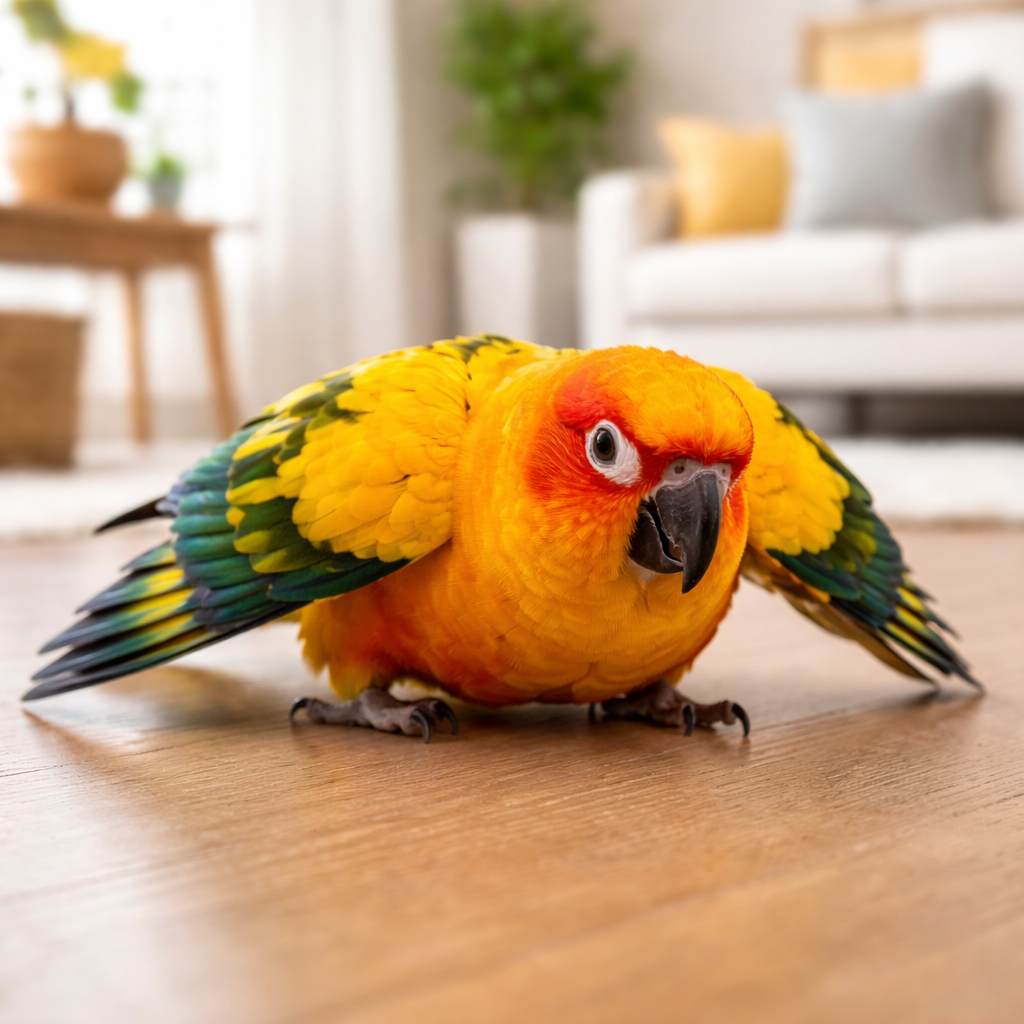
- Lighting Cycle: Mimic natural light cycles. Ensure your bird receives 10-12 hours of uninterrupted sleep in a dark, quiet environment. This often means covering the cage at night and maintaining consistent light exposure during the day. Excessive or inconsistent light can disrupt hormonal regulation.
- Dietary Adjustments: While a balanced diet is essential, some veterinarians suggest temporarily reducing high-fat, high-protein foods (often associated with breeding condition in the wild) and increasing vegetables and sprouts during peak hormonal periods. Consult an avian vet for specific dietary recommendations.
- Nesting Sites: Remove any perceived nesting opportunities such as dark corners, boxes, blankets, or even spaces under furniture. Birds will often attempt to claim these areas for egg-laying or territorial defense.
- Physical Contact: Avoid petting your bird below the neck or on their back, as this can be interpreted as sexual stimulation. Limit physical contact to the head and neck.
- Mirrors and Reflective Surfaces: Remove mirrors or highly reflective toys. Birds can become obsessively fixated on their reflection, perceiving it as a mate and exacerbating hormonal frustration.
Common Mistakes That Exacerbate Hormonal Behavior
Owners, often with the best intentions, can inadvertently reinforce hormonal behaviors. Avoiding these common pitfalls is critical:
- Cuddling or Petting Below the Neck: As mentioned, this is highly stimulating.
- Providing Nesting Materials/Locations: Offering boxes, shreddable paper in piles, or dark enclosed spaces.
- Responding to Hormonal Displays with Attention: Any form of attention (verbal, physical, even negative reactions) can reinforce the behavior. Birds respond to outcomes, not intentions. If a hormonal display consistently leads to attention or interaction, the bird’s brain registers it as a successful strategy.
- Leaving Mirrors/Reflective Toys: These can lead to intense fixation and sexual frustration.
- Inconsistent Schedules: Erratic light cycles, feeding times, or social interactions can create stress and disrupt natural rhythms.
Hormonal energy does not simply dissipate; if a parrot doesn’t learn appropriate outlets, it will manifest in louder, more persistent, and often destructive ways. Birds can become trapped in a cycle of constant arousal, frustration, and an inability to settle, which is mentally and physically exhausting for them. Positive reinforcement, therefore, isn’t about "training tricks" but about teaching the bird which behaviors lead to a calmer, more contented state. Every reward given for chewing, foraging, quiet play, or relaxed preening helps their nervous system establish a new, healthier default.
Using Treats Effectively: Reinforcing Calmness
Treats are powerful tools for positive reinforcement, but their application needs precision. The key is to deliver treats immediately after the desired calm or independent behavior.
- Be Prepared: Keep a supply of preferred treats readily available (e.g., in your pocket or a treat pouch).
- Observe and Reward: Intentionally watch for natural, non-hormonal parrot behaviors. The moment your bird quietly engages with a toy, takes a bite of their vegetables, or sits calmly on a perch, immediately offer a treat.
- Keep Learning Clear: The immediacy of the reward helps the bird associate the treat with the specific behavior, strengthening that neural pathway. Delaying the treat, even by a few seconds, can confuse the bird about what they are being rewarded for.
This strategic use of treats helps the bird’s brain understand that calm, independent behaviors are rewarding, thereby reducing the drive towards hormonally charged actions that are often inadvertently reinforced by human attention.
When to Seek Veterinary Intervention: The Risk Threshold
While behavioral management is paramount, there are instances when hormonal behavior crosses a "Risk Threshold," necessitating immediate veterinary consultation. As highlighted by the 2026 clinical findings of Dr. Rob Marshall and Tailai O’Brien, reproductive hyperactivity is a significant contributor to many health complaints in pet birds.
Use this 5-point protocol to determine if your bird’s behavior warrants a medical priority:
- Sudden and Severe Aggression: A dramatic increase in biting, lunging, or territorial displays that cannot be managed with redirection, especially if it poses a risk to human safety.
- Persistent Egg Laying or Signs of Reproductive Distress: Any female bird laying more than two clutches per year, exhibiting straining, lethargy, fluffed feathers, or other signs of illness during or after egg-laying. This includes a distended abdomen or a visibly "bulging" cloaca.
- Significant Changes in Droppings or Appetite: While general health indicators, these can signal underlying issues exacerbated by hormonal stress, such as cloacal prolapse, internal egg issues, or nutrient deficiencies.
- Self-Mutilation or Feather Destructive Behavior: While complex, chronic hormonal frustration can be a trigger for plucking or chewing feathers, leading to skin infections or other health problems.
- Lethargy or Unexplained Weakness: Any sign of decreased activity, unusual sleepiness, or general weakness accompanying hormonal displays should be immediately investigated by an avian veterinarian, as it could indicate an underlying medical emergency.
These signs indicate that the bird’s body is under significant stress, and what began as "normal parrot antics" may have progressed to a medical emergency. Avian veterinarians can provide hormonal implants (like deslorelin), adjust diets, prescribe medications, or perform necessary medical procedures to address these serious issues.
Broader Implications and Expert Perspectives
The issue of chronic hormonal behavior in pet birds extends beyond individual owners and their pets; it reflects a broader challenge in avian welfare within human care. Avian experts and organizations universally emphasize that responsible pet bird ownership involves understanding and mitigating these biological drives. Unmanaged hormonal cycles can lead to a host of secondary issues, including:
- Stress-Related Illnesses: Chronic stress compromises the immune system, making birds more susceptible to infections.
- Behavioral Sinkholes: Birds can get stuck in repetitive, unproductive behaviors that diminish their quality of life.
- Owner Frustration and Surrender: The challenges of dealing with aggressive or persistently hormonal birds can lead to owners feeling overwhelmed, sometimes resulting in birds being rehomed or surrendered to rescues.
Leading avian organizations advocate for comprehensive pre-purchase education for prospective owners, stressing the importance of understanding species-specific needs, including their hormonal cycles. They also promote regular veterinary check-ups to monitor a bird’s health and address potential hormonal issues before they become critical. The emphasis is shifting from simply "owning" a bird to "stewardship" – actively managing their environment and behavior to promote optimal physical and psychological health.
Conclusion
In essence, a pet bird exhibiting pronounced hormonal behaviors is not being "bad" or defiant; rather, its body is in a state of stress driven by powerful biological imperatives it cannot inherently control. Chronic hormonal activity rarely resolves on its own and often precipitates more profound health and behavioral issues. By adopting a consistent, proactive approach that rewards calm, independent behaviors, meticulously removes environmental triggers, and strategically employs positive reinforcement, owners can help their birds settle into a lifestyle that is not only healthier for their bodies but also significantly more harmonious for the human-animal bond. Recognizing the signs, understanding the underlying biology, and knowing when to seek expert veterinary care are the cornerstones of responsible avian stewardship, ensuring a better quality of life for these intelligent and complex companions.

