


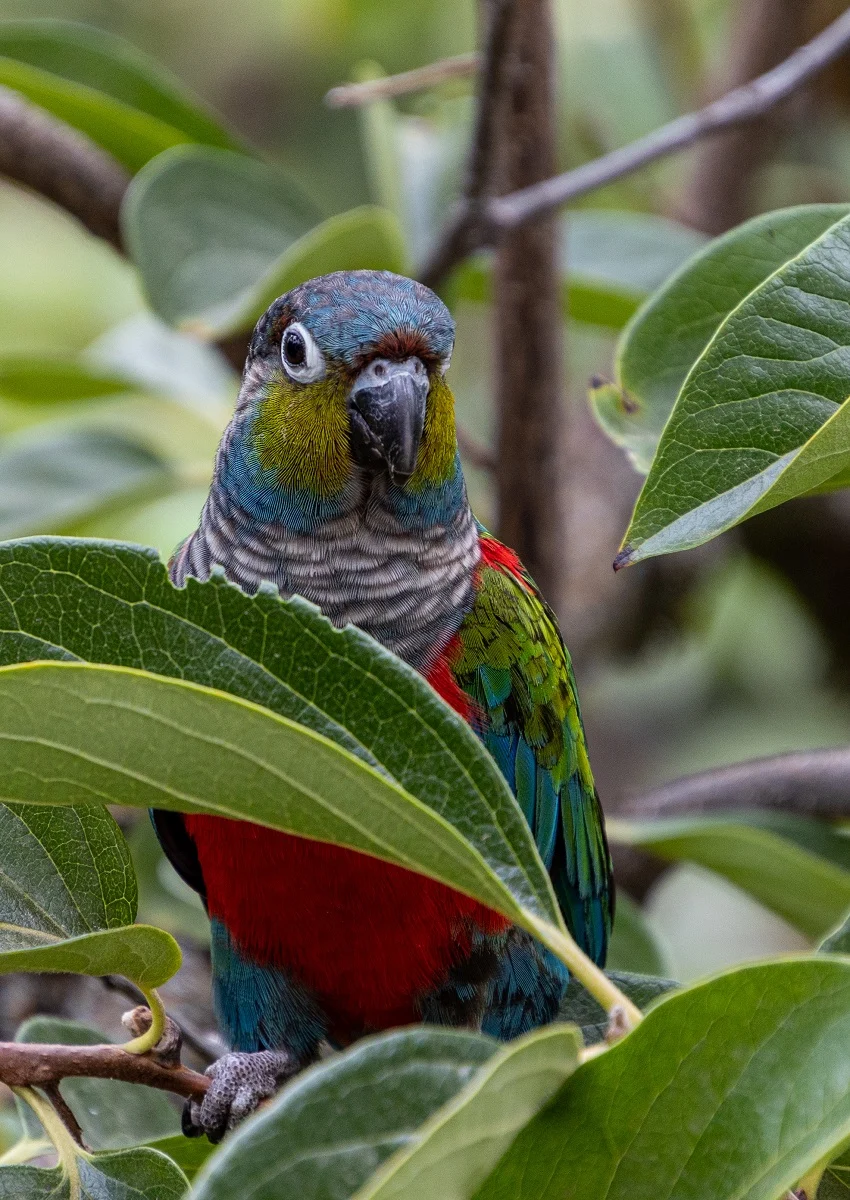
The vibrant and charismatic Crimson-bellied Conure, known scientifically as Pyrrhura perlata, is increasingly captivating the attention of avian enthusiasts seeking a small parrot with a significant personality. Often described as clownish yet remarkably friendly, this species presents a unique blend of visual appeal and engaging temperament, making it a compelling choice for a dedicated avian companion. However, prospective owners must undertake thorough research to understand the profound commitment involved in caring for these intelligent and long-lived birds, while also appreciating their ecological significance and the conservation challenges facing their wild counterparts. This article delves into the origins, natural behaviors, specific care requirements, and broader implications of coexisting with the striking Crimson-bellied Conure.
Unveiling the Crimson-bellied Conure: Appearance and Taxonomy
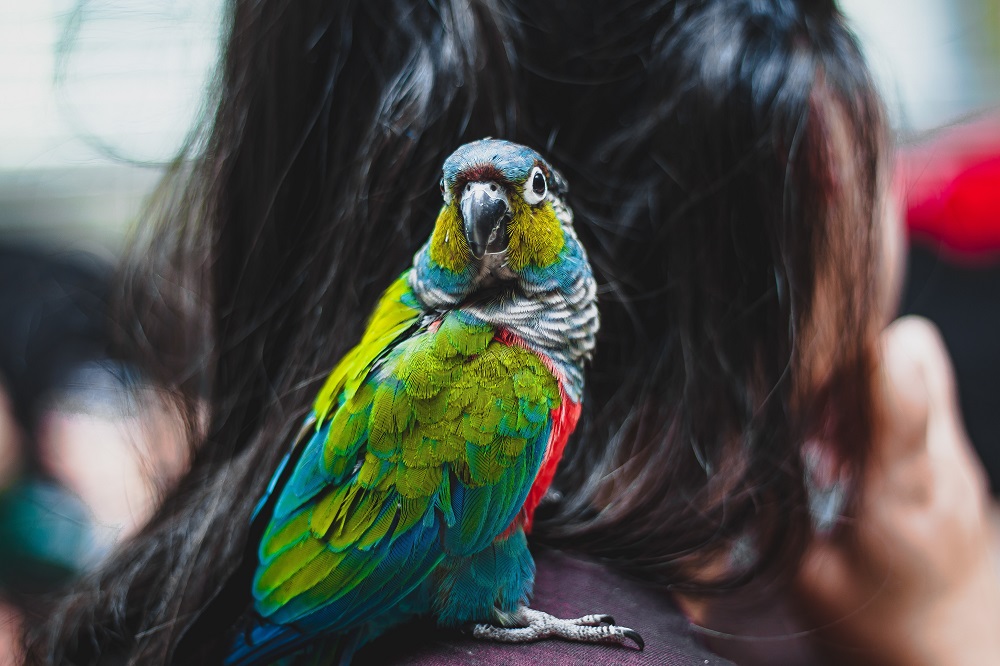
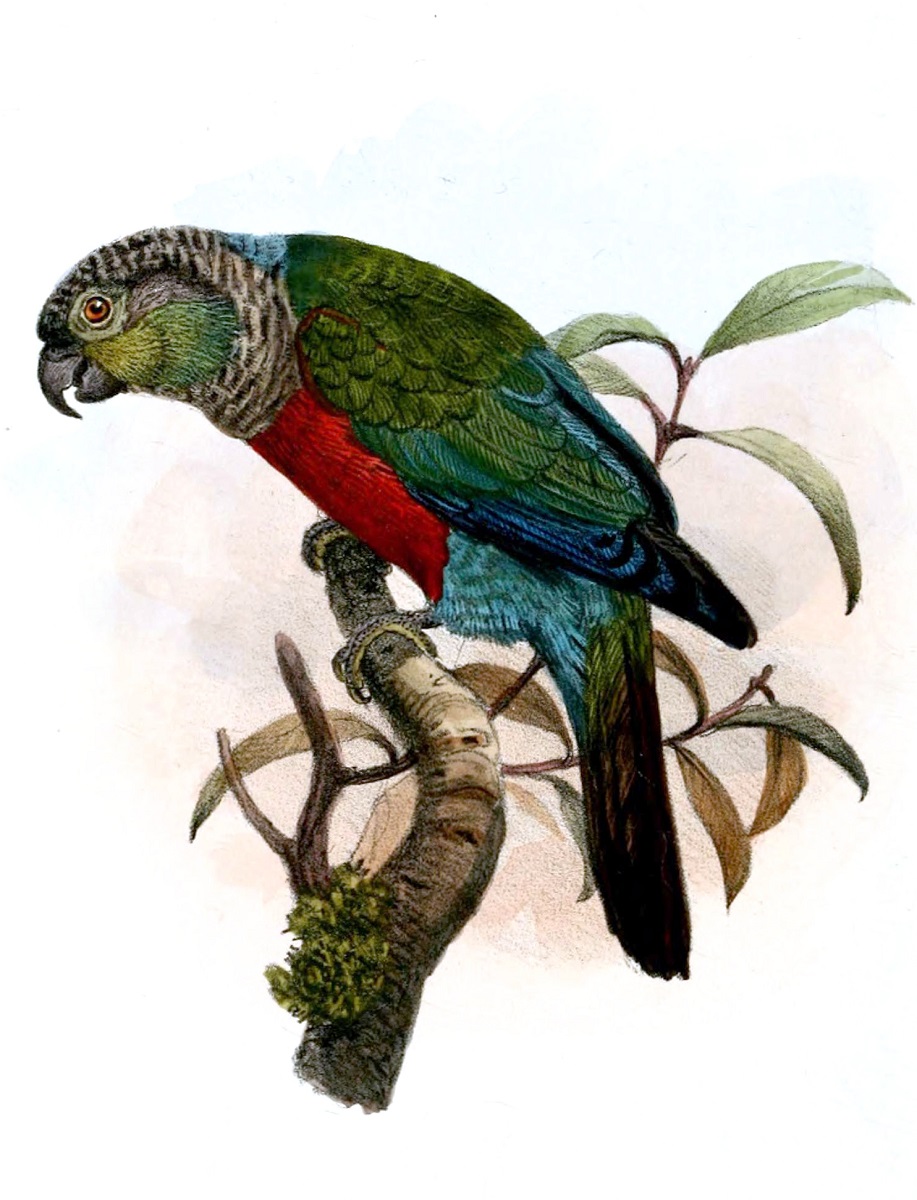
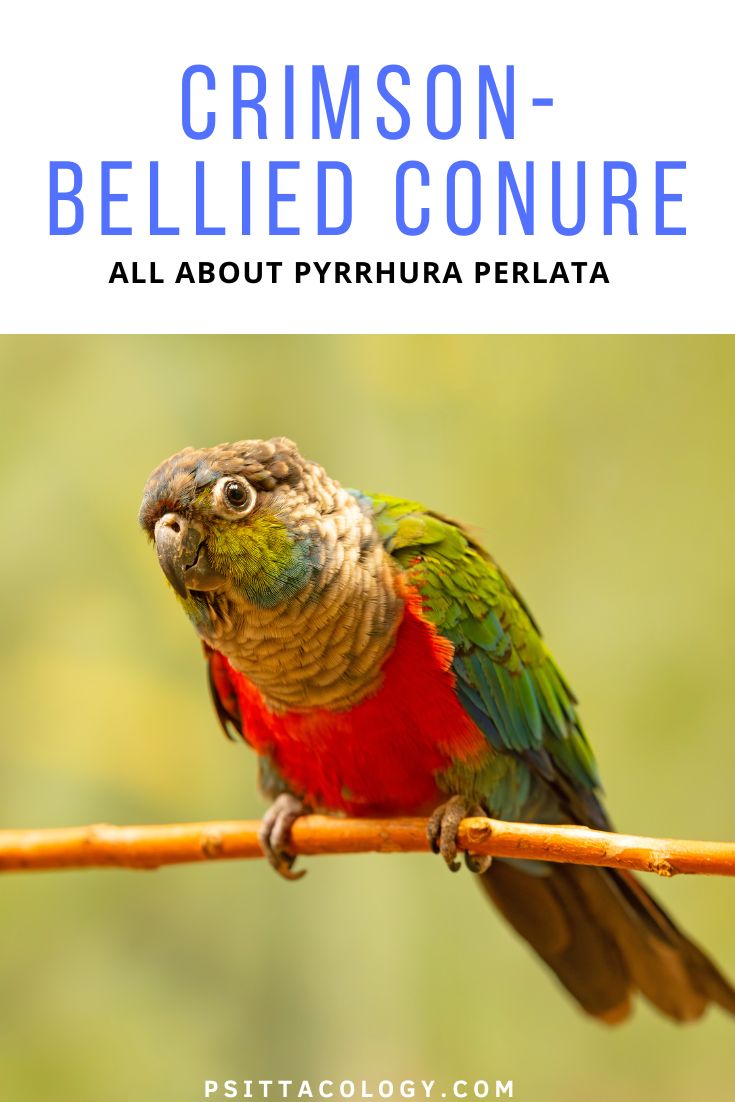
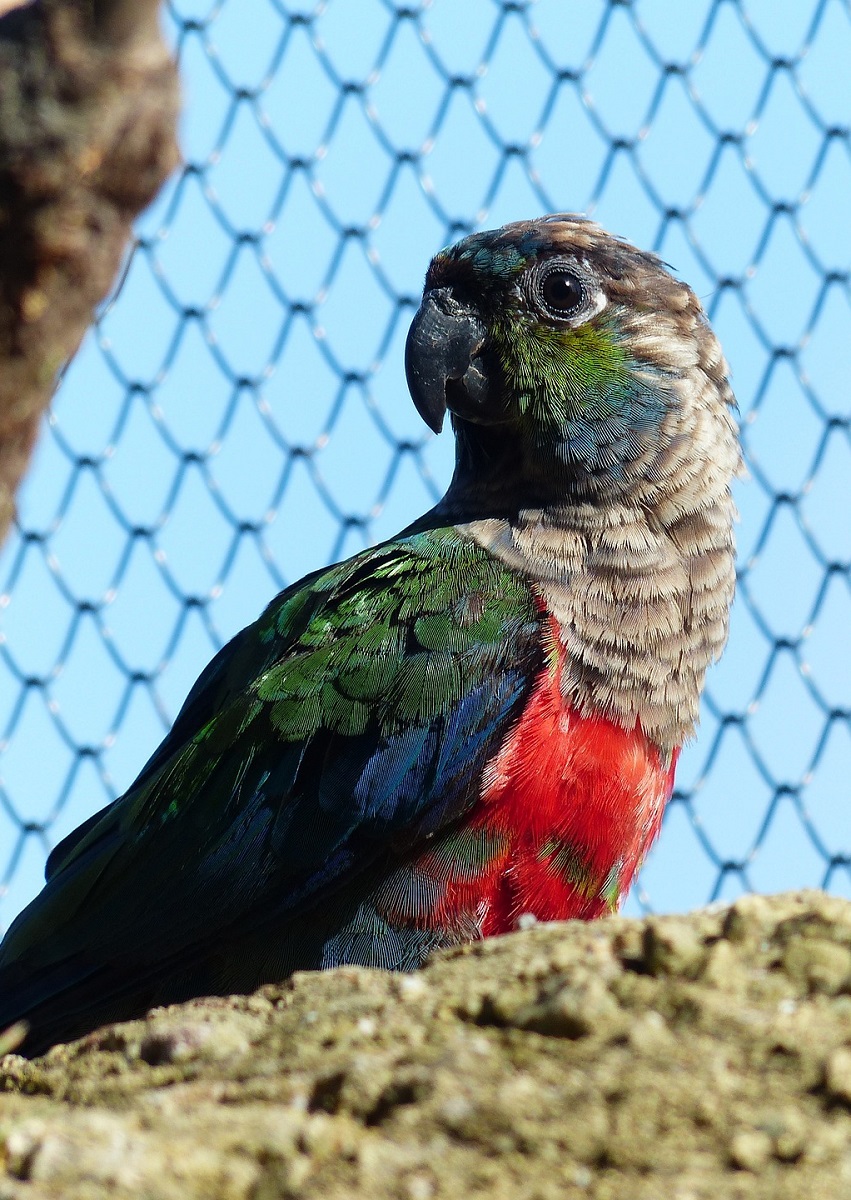
The Crimson-bellied Conure is celebrated for its exquisitely colorful plumage, a characteristic that immediately distinguishes it even within the diverse parrot family. As its name aptly suggests, the most prominent feature is its intensely vibrant red belly, which develops fully as the bird matures, typically taking up to a year to achieve its full brilliance. Beyond this striking crimson, the species displays a rich tapestry of hues: a deep blue crown often extends to the nape, contrasting sharply with green wings and back. The chest is adorned with intricate scaling patterns, often exhibiting shades of brown, white, and grey, leading to a vibrant red undertail. Distinctive white eye-rings frame bright, inquisitive eyes, complementing a sturdy black beak. This is a relatively small, long-tailed parakeet species, reaching approximately 10 inches (25 cm) in length and weighing around 90 grams. A key challenge for breeders and owners is the absence of sexual dimorphism, meaning males and females cannot be visually differentiated, often requiring DNA testing for accurate sex determination.
Taxonomically, Pyrrhura perlata belongs to the genus Pyrrhura, a group of small to medium-sized parakeets commonly referred to as conures. This genus is known for its energetic disposition, intelligence, and often playful nature. Understanding its taxonomic placement helps in appreciating its behavioral traits and biological needs, as many care aspects are shared across closely related species within the Pyrrhura genus, such as the more commonly kept Green-cheeked Conure.
Amazonian Roots: Habitat, Range, and Ecological Status
The Crimson-bellied Conure is endemic to central South America, primarily inhabiting the vast and biodiverse Brazilian Amazon Basin, with a significant presence in the state of Rondônia. Its range also extends into northern Bolivia, illustrating its adaptation to specific ecological niches within the region. In its natural habitat, these conures predominantly reside in terra firme forests – areas of lush rainforest that do not experience seasonal flooding, unlike várzea or igapó forests. They demonstrate a degree of adaptability, thriving in both dense primary forests and the more open environments of forest edges and secondary growth. This flexibility in habitat preference suggests a resilient species, capable of adapting to certain levels of environmental disturbance.
Like most parrot species, wild Crimson-bellied Conures are highly social, typically observed traveling in small, cohesive groups. These flocks are not exclusive, and it is not uncommon for them to intermingle with other conure species, such as the Painted Conure (Pyrrhura picta), forming mixed-species foraging parties. This interspecies interaction highlights the complex social dynamics within Amazonian avian communities. For nesting, the species utilizes natural tree hollows, seeking secure cavities to raise their young, a behavior critical for their reproductive success.
From a conservation perspective, the International Union for Conservation of Nature (IUCN) Red List currently classifies Pyrrhura perlata as a species of "Least Concern." However, this classification comes with an important caveat: the wild population is noted to be on a decreasing trend. This decline is largely attributed to ongoing deforestation within the Amazon Basin, driven by agricultural expansion, logging, and infrastructure development. Additionally, localized hunting pressures contribute to population reduction. Conservationists emphasize that while the species may not be immediately threatened with extinction, the continuous degradation of its habitat poses a long-term risk and necessitates vigilant monitoring and proactive conservation strategies to ensure its sustained presence in the wild.
Sustenance and Health: Wild and Captive Diets
The dietary habits of the Crimson-bellied Conure in the wild reflect the incredible biodiversity of the Amazonian rainforests they inhabit. These highly adaptable birds consume a varied diet consisting of wild figs, a staple for many rainforest parrots, and an array of other native fruits. Beyond fruits, their diet includes flowers and catkins, providing essential nutrients and roughage. A particularly fascinating aspect of their wild diet is their visitation to clay licks. These geological formations, rich in minerals, are crucial for parrots to ingest vital micronutrients and minerals that may be scarce in their primary diet, and to potentially neutralize toxins found in some wild fruits.
In a captive environment, replicating this nutritional diversity is paramount for the health and longevity of a pet Crimson-bellied Conure. Leading avian veterinarians and experts strongly advocate against seed-based diets as a primary food source. While seeds are appealing to parrots, an exclusive or predominant seed diet is notoriously deficient in essential vitamins, minerals, and amino acids, often leading to severe malnutrition, obesity, and a host of health complications. Instead, a high-quality, nutritionally complete pelleted diet should form the cornerstone of their daily intake. These pellets are formulated to provide balanced nutrition, compensating for the limitations of a typical seed mix.
Supplementing the pelleted staple, daily offerings of fresh vegetables are crucial. Suitable options include dark leafy greens like kale and spinach, broccoli, carrots, bell peppers, and various squashes. Fresh fruits, such as berries, apples (without seeds), melon, and mango, can be offered regularly but in moderation due to their sugar content. Cooked grains, such as whole-wheat rice and quinoa, provide additional carbohydrates and nutrients. Furthermore, pesticide-free foraged grasses, branches, and edible flowers can offer both nutritional benefits and essential enrichment. Occasional treats, like a small amount of sunflower seeds or nuts, should be given sparingly to prevent nutritional imbalances and weight gain. Crucially, a constant supply of fresh, clean water, preferably from multiple sources, must be available to the bird at all times to ensure proper hydration and overall well-being. Adhering to these dietary guidelines is fundamental to supporting a happy, healthy, and long-lived parrot.
Creating a Sanctuary: Housing and Environmental Enrichment
Despite their relatively small stature, Crimson-bellied Conures are exceptionally active and intelligent birds requiring substantial space and mental stimulation to thrive in a domestic setting. The size of their enclosure is a critical consideration; it is imperative to provide the largest cage that can be reasonably accommodated. A minimum cage width of 36 inches (90 cm) is generally recommended, though larger is always preferable, especially if the bird will not have consistent opportunities for out-of-cage flight. For birds that cannot spend the majority of their waking hours outside the cage, establishing a full indoor aviary or a substantially larger custom enclosure becomes a necessity to prevent physical and psychological distress.

The cage environment itself must be thoughtfully furnished. Plastic and wooden dowel perches, commonly found in commercial cages, are detrimental to a parrot’s foot health over time, leading to conditions like bumblefoot. Instead, a variety of natural wood perches of varying diameters should be provided. These irregular surfaces mimic natural branches, promoting healthy foot circulation and exercise. The cage should also be a hub of activity, filled with an array of enrichment items.
All parrots are highly intelligent beings, and Crimson-bellied Conures are no exception. They possess a profound need for mental stimulation to prevent boredom, which can lead to severe stress and a spectrum of undesirable behaviors. These include excessive screaming, self-mutilation such as feather plucking, lethargy leading to obesity from inactivity, and even aggression towards owners or other pets. To combat boredom, a multi-faceted approach to enrichment is necessary:
- Foraging Toys: These encourage natural foraging behaviors, making the bird work for its food, which is mentally stimulating and physically engaging.
- Chew Toys: Parrots have a natural instinct to chew, which is vital for beak health and mental release. A constant supply of safe, destructible toys made from wood, paper, or natural fibers is essential.
- Puzzle Toys: These challenge the bird’s problem-solving skills and provide a sense of accomplishment.
- Social Interaction: Regular, positive interaction with their human family is crucial. This includes talking, playing games, training sessions, and simply spending time together. If possible and appropriate, keeping them with a compatible conspecific can also fulfill their social needs.
- Out-of-Cage Time: Allowing supervised free-flight or exploration time in a bird-safe room is invaluable for physical exercise and mental engagement. It is paramount that any space accessible to the conure is thoroughly parrot-proofed to eliminate hazards such as exposed wires, toxic plants, open water sources, and small ingestible objects.
The Personality Profile: Temperament and Vocalization
Conures within the Pyrrhura genus are renowned for their engaging personalities, and Crimson-bellied Conures exemplify this charm. They are often affectionately described by aviculturists as "lovable rogues" – a testament to their playful, cheeky, and sometimes mischievous nature. A well-socialized Crimson-bellied Conure is typically friendly and affectionate, often relishing opportunities to cuddle on a shoulder, solicit head scratches, and participate in family activities. Their intelligence means they can bond deeply with their caregivers, forming strong, lasting attachments.
However, their spirited nature also means they are prone to exploring with their beaks, and prospective owners should anticipate that some belongings may fall victim to their chewing instincts. This is not malicious behavior but a natural expression of their curiosity and need for oral stimulation. For individuals who appreciate a lively, interactive pet and are prepared for a degree of playful chaos, a Crimson-bellied Conure can indeed become a cherished companion for many decades. The commitment, however, extends beyond daily care; it includes understanding their propensity for curiosity, which can lead them into trouble. Therefore, being prepared for potential emergencies, including knowledge of basic parrot first aid and access to avian veterinary care, is a responsible aspect of ownership.
Regarding vocalization, Crimson-bellied Conures are generally considered to be among the quieter conure species, especially when compared to their larger cousins like Sun Conures or Jenday Conures. However, no parrot is truly silent. They possess a range of vocalizations, including contact calls to locate flock members (or their human family), alarm calls, and excited chirps. While their overall noise level is categorized as low-to-medium, they are capable of producing loud screams, particularly when excited, alarmed, or seeking attention. Prospective owners are strongly advised to listen to recordings of their calls, readily available on platforms like xeno-canto, and, if possible, visit individuals who own Crimson-bellied Conures to accurately gauge their vocalizations before committing to adoption.
In terms of speech mimicry, Pyrrhura conures are not generally considered highly talented talkers. While most parrots possess the anatomical capability for imitation, Crimson-bellied Conures typically do not develop extensive vocabularies. Many may never learn to speak discernible words, though they are often adept at mimicking household sounds, such as doorbells, phone rings, or even specific whistles. This limited verbal ability means that those seeking a "talking parrot" might be better suited to other species.
The Long-Term Commitment: Lifespan and Responsible Ownership
The adoption of a Crimson-bellied Conure is a significant life decision, representing a commitment that can easily span two decades or more. With optimal care, a healthy diet, appropriate housing, and consistent enrichment, these resilient birds have been known to live for over 20 years, some even exceeding 30. This extended lifespan underscores the profound responsibility that comes with ownership, requiring long-term planning for their care, including financial resources for quality food, toys, veterinary visits, and potential emergency treatments.
The implications of such a long lifespan are far-reaching. It means integrating the bird into one’s life through various personal stages, including potential changes in living situations, relationships, and financial circumstances. Prospective owners must honestly assess their ability to provide consistent, high-quality care for this entire duration. This includes ensuring access to specialized avian veterinary care, which is crucial for preventative health and addressing any medical issues promptly.
Furthermore, responsible ownership extends to ethical considerations. The demand for exotic pets can inadvertently fuel unsustainable practices in the wild or contribute to less-than-ideal breeding conditions. Reputable aviculturists and parrot rescue organizations play a vital role in promoting ethical breeding, responsible rehoming, and educating the public about the true commitment involved in caring for these intelligent creatures. They advocate for informed decision-making, emphasizing that a parrot is not merely a pet but a complex, sensitive being deserving of a lifetime of dedicated care.
In conclusion, the Crimson-bellied Conure is an undeniably beautiful and engaging species, offering a unique blend of vibrant aesthetics and an affectionate, playful personality. While their charm is undeniable, their care demands a comprehensive understanding of their specific needs, from dietary requirements and extensive enrichment to their long lifespan and social complexities. By committing to responsible ownership and appreciating their ecological origins, individuals can provide a thriving home for these captivating birds, ensuring a mutually enriching companionship while also contributing to the broader awareness of avian conservation.

