


Virginia is home to a remarkable diversity of avian life, and among its most captivating residents are its eight distinct species of owls. These nocturnal and crepuscular hunters, often shrouded in mystery and folklore, play crucial roles in the Commonwealth’s ecosystems. While some owl species, like the ubiquitous Great Horned Owl and the adaptable Barn Owl, can be found gracing nearly every region of Virginia, others are far more elusive, gracing the skies with their presence only on rare occasions. Understanding these fascinating birds requires a deeper dive into their habitats, behaviors, and identifying characteristics. This article aims to provide a comprehensive overview of each of Virginia’s eight owl species, offering insights for both seasoned birdwatchers and curious nature enthusiasts seeking to connect with these magnificent creatures.
The elusive nature of most owls, which typically inhabit dense woodlands, often means they are heard more often than seen. Their haunting calls echoing through the twilight or pre-dawn hours are a hallmark of the Virginia wilderness. However, for the fortunate observer, particularly during the transitional periods of dawn and dusk, spotting an owl actively hunting can be a truly rewarding experience. A subset of these avian predators exhibits diurnal or cathemeral activity, meaning they hunt not only at night but also during daylight hours, increasing the chances of an encounter for those who know where and when to look.
The Reigning Monarch: Great Horned Owl (Bubo virginianus)
The Great Horned Owl, a symbol of wisdom and a frequent visitor to the pages of literature and popular culture, is a formidable presence across Virginia and indeed, much of North America. This species is a year-round resident, offering ample opportunity for observation for those patient enough to seek it out. Their imposing stature and powerful presence make them easily distinguishable, though their formidable nature also warrants a respectful distance.
Physical Characteristics and Size:
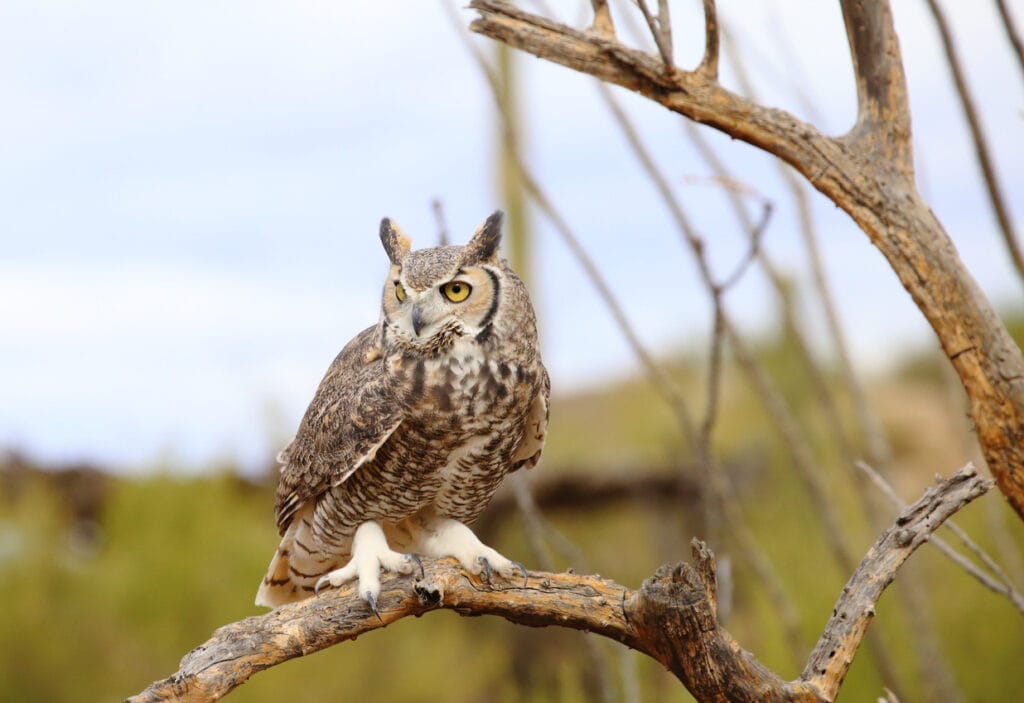
Great Horned Owls are the largest owl species in Virginia and rank as the third largest globally, surpassed only by the Eurasian Eagle-Owl and Blakiston’s Fish Owl. Adult individuals can reach an impressive length of up to 26 inches, a size comparable to that of a large dog breed like a Bernese Mountain Dog. Their most distinctive feature, lending them their name, are the prominent, horn-like tufts of feathers atop their heads, though these are not true ears but rather feather extensions. They possess broad, barrel-shaped bodies, a mottled dark-brown plumage that provides excellent camouflage, striking mahogany-colored faces, and large, piercing yellow eyes that convey an intense, almost regal gaze.
Diet and Hunting Prowess:
Renowned for their opportunistic and aggressive hunting style, Great Horned Owls are not selective eaters. Their immense size, incredible strength, and tenacious nature allow them to tackle a wide range of prey. This includes other birds of prey, such as falcons and ospreys, and even larger avian species like geese and ducks. However, their diet primarily consists of smaller mammals, including rabbits, skunks, opossums, and squirrels. They will also consume snakes, frogs, insects, and, when necessary, fish, though they generally prefer to avoid aquatic prey if other options are available.
Behavior and Habitat:
These owls are highly adaptable and can be found in a variety of habitats across Virginia, from dense forests and woodlands to more open areas with scattered trees, including suburban and agricultural landscapes. They are known to be fiercely territorial and will defend their nesting sites and young aggressively. Their calls, a deep, resonant hooting, often described as "hoo-hoo hoo-hoo," are a familiar sound in the Virginia night.
The Ubiquitous Charmer: Eastern Screech-Owl (Megascops asio)
The Eastern Screech-Owl, a smaller yet equally fascinating resident, is one of the most common owl species encountered in Virginia. Their presence is a testament to their adaptability, as they thrive in diverse environments, from dense deciduous forests to the more human-altered landscapes of backyards, often utilizing nest boxes provided by conservationists.
Physical Characteristics and Size:
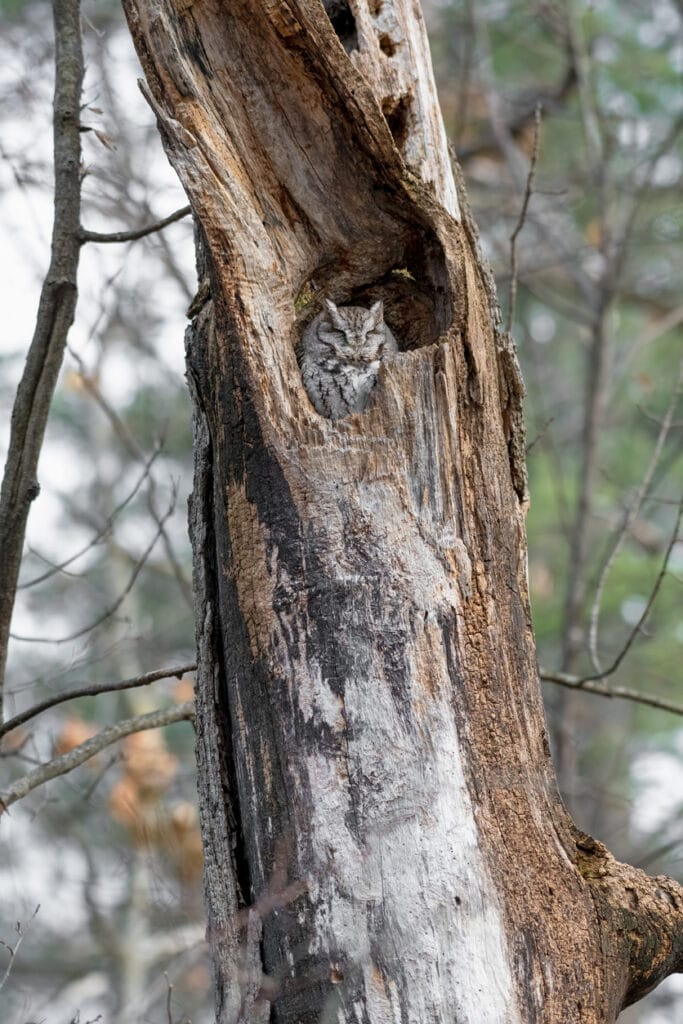
Eastern Screech-Owls are small, stocky birds, typically measuring between 6 to 10 inches in length. They possess distinctive pointed ear tufts, square-shaped tails, and rounded wings. A unique aspect of this species is their polymorphic nature, meaning they exhibit two distinct color morphs: a gray morph and a reddish-brown morph. Both variations are remarkably effective at blending into their surroundings, making them exceptionally difficult to spot, especially when perched motionless during daylight hours.
Vocalization and Identification:
Their primary identification marker is their unique vocalization, a descending whinny or trill that can sound remarkably like a horse’s neigh, and a more rapid, monotonic trill. These calls are most frequently heard during the breeding season and on moonlit nights. It is important to distinguish them from their slightly larger cousins, the Western Screech-Owl. While visually similar, Western Screech-Owls are rarely observed in Virginia, making the Eastern Screech-Owl the far more probable encounter for residents and visitors alike.
Diet and Hunting:
Their diet is diverse, consisting mainly of small mammals like shrews and voles, as well as insects, earthworms, frogs, and other invertebrates. They are also known to opportunistically prey on small birds and occasionally snatch fish from other creatures. Their hunting strategy often involves perching and waiting for prey to pass within striking distance, utilizing their keen hearing and eyesight to locate and capture their meals.
The Arctic Visitor: Snowy Owl (Bubo scandiacus)
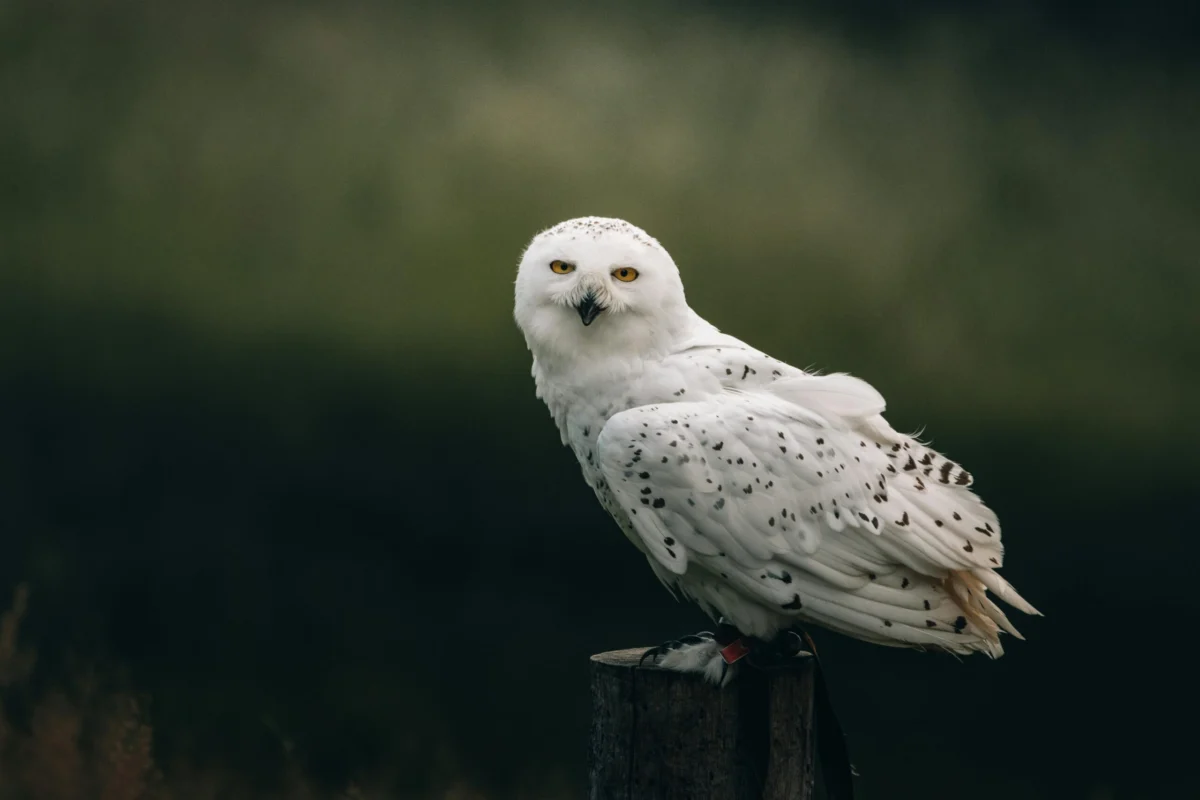
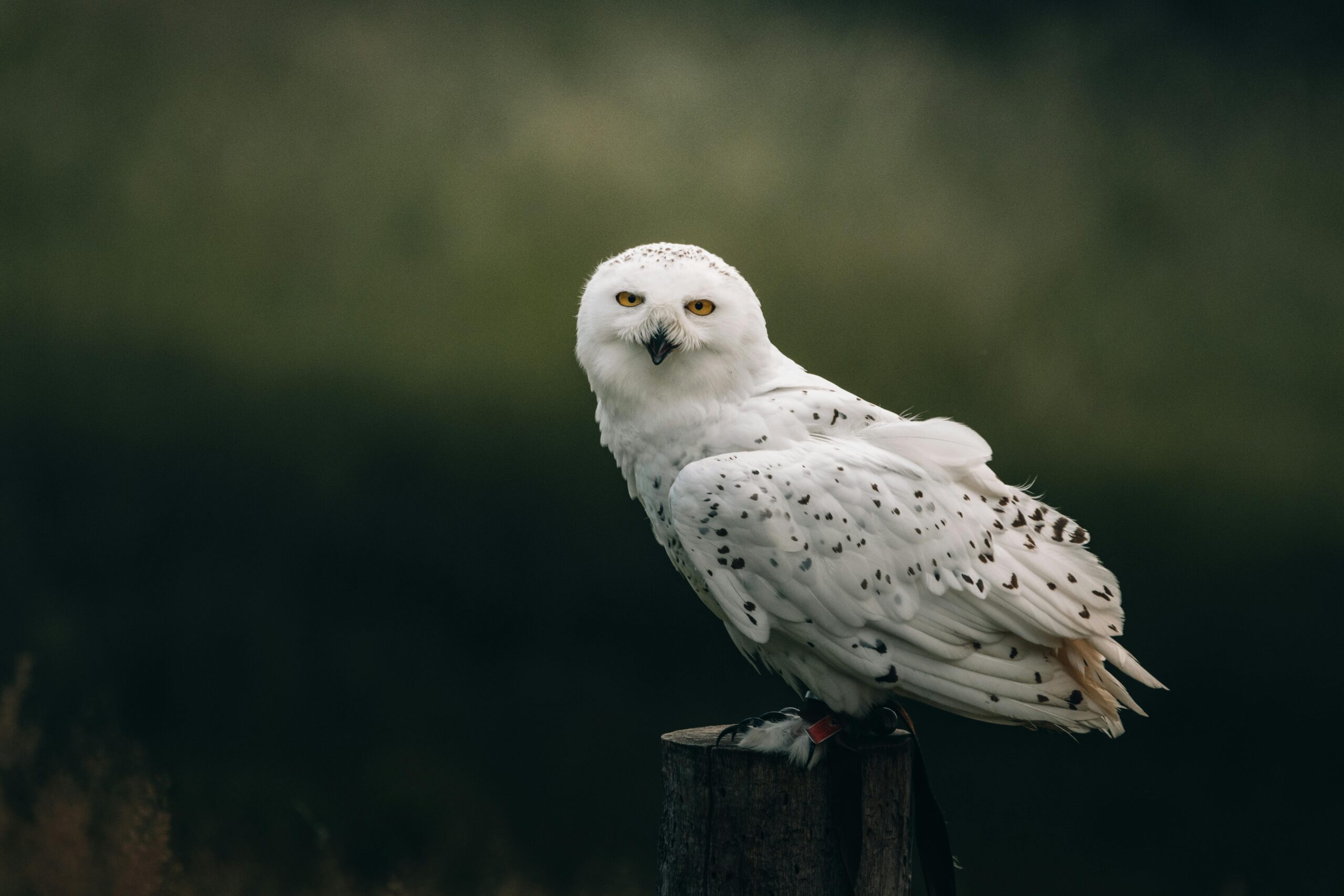
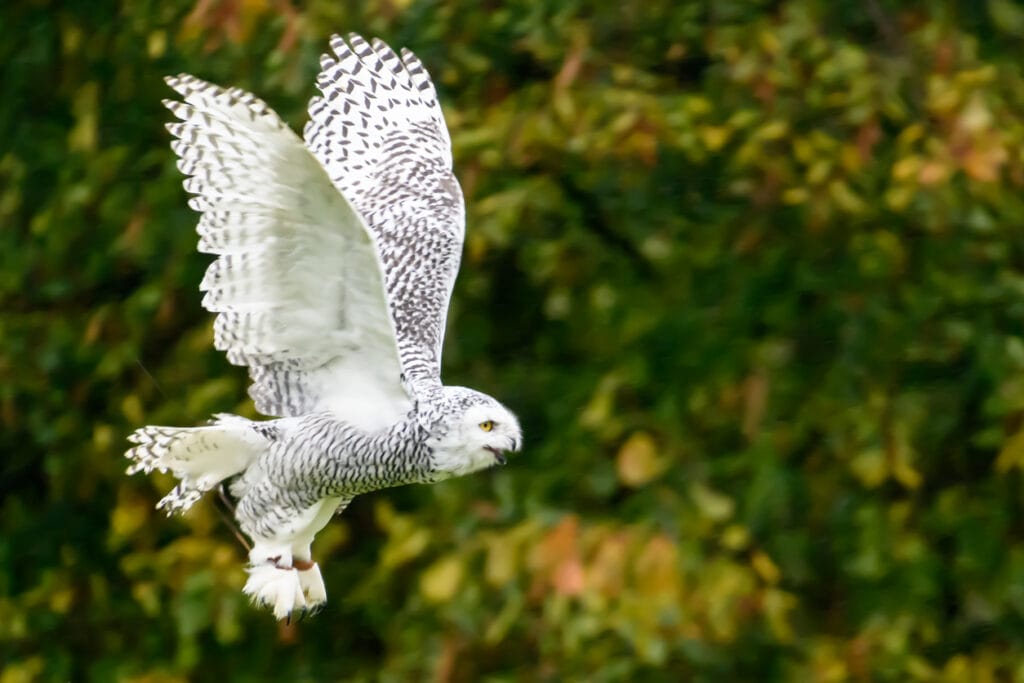
The Snowy Owl, an iconic symbol of the Arctic tundra, makes infrequent but spectacular appearances in Virginia through a phenomenon known as an "irruption." These events, characterized by unpredictable large-scale movements of owls south of their usual range, are typically triggered by fluctuations in their primary prey, lemmings, and often occur every few years.
Physical Characteristics and Size:
Snowy Owls are large, powerfully built owls, comparable in size to the Great Horned Owl, with some individuals reaching up to 28 inches in length. Their most striking feature is their pristine white plumage, which provides excellent camouflage in snowy environments. Males are typically pure white, while females and younger birds may exhibit dark barring or spotting. Their large, dark eyes are adapted for low-light conditions.
Irruptions and Sightings in Virginia:
The occurrence of Snowy Owls in Virginia is a testament to the dynamic nature of wildlife populations. These irruptions are a fascinating ecological event, often following years of high breeding success in the Arctic. The last significant irruption in Virginia was noted in 2015, when dozens of these majestic birds were observed, sometimes in unexpected urban settings, unfazed by human presence. During these periods, they often favor open habitats such as fields, marshes, and coastal areas, mimicking their natural tundra environment.
Behavior and Defense:
Despite their large size, Snowy Owls are generally silent hunters. During the breeding season, males emit a deep "hoo, hoo" call to establish territory, while females may produce a higher-pitched vocalization when necessary. They are known for their defensive nature, particularly when protecting their nests, and have been documented fearlessly confronting potential threats, including larger predators like Arctic wolves.
The Subtle Hunter: Long-eared Owl (Asio otus)
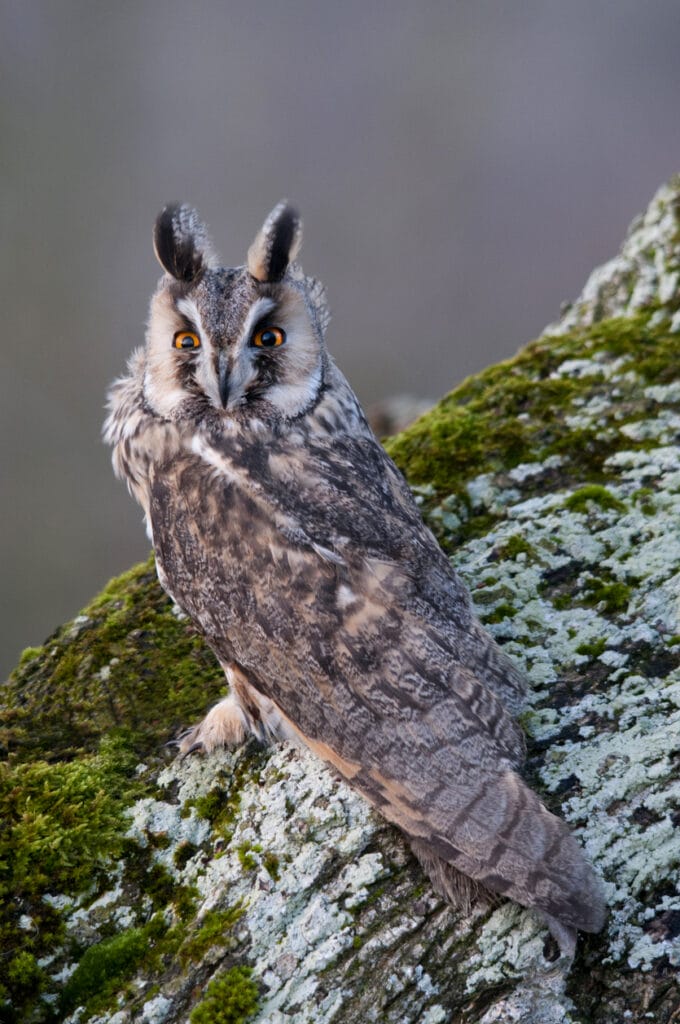
The Long-eared Owl, named for its prominent ear tufts, is a more elusive species in Virginia, primarily encountered during the winter months in the northern parts of the state. Their resemblance to the Great Horned Owl, particularly due to the presence of ear tufts, sometimes leads to misidentification, though the Long-eared Owl’s tufts are considerably shorter.
Physical Characteristics and Habitat:
These owls are medium-sized, with a slender build. Their plumage is typically a mottled brown and buff, providing excellent camouflage against tree bark. They possess distinctive dark facial discs and large, amber-colored eyes. Their preferred habitats include densely vegetated open areas such as shrublands, grasslands, orchards, farmlands, and parks. They often roost high in tall trees, their coloration blending seamlessly with their surroundings.
Vocalization and Rarity:
While rare in Virginia, Long-eared Owls are considered one of the more vocal owl species in general. They produce a wide repertoire of sounds, including squeals, hoots, whines, screeches, and even barks, with male vocalizations capable of being heard nearly a mile away. Their rarity in Virginia, particularly outside of winter, makes them a sought-after sighting for dedicated bird enthusiasts.
Diet:
Their diet primarily consists of small mammals, with a particular fondness for voles and mice. They are also known to consume small birds and insects. Their hunting strategy involves patiently waiting on perches before swooping down on unsuspecting prey.
The Open-Country Flyer: Short-eared Owl (Asio flammeus)
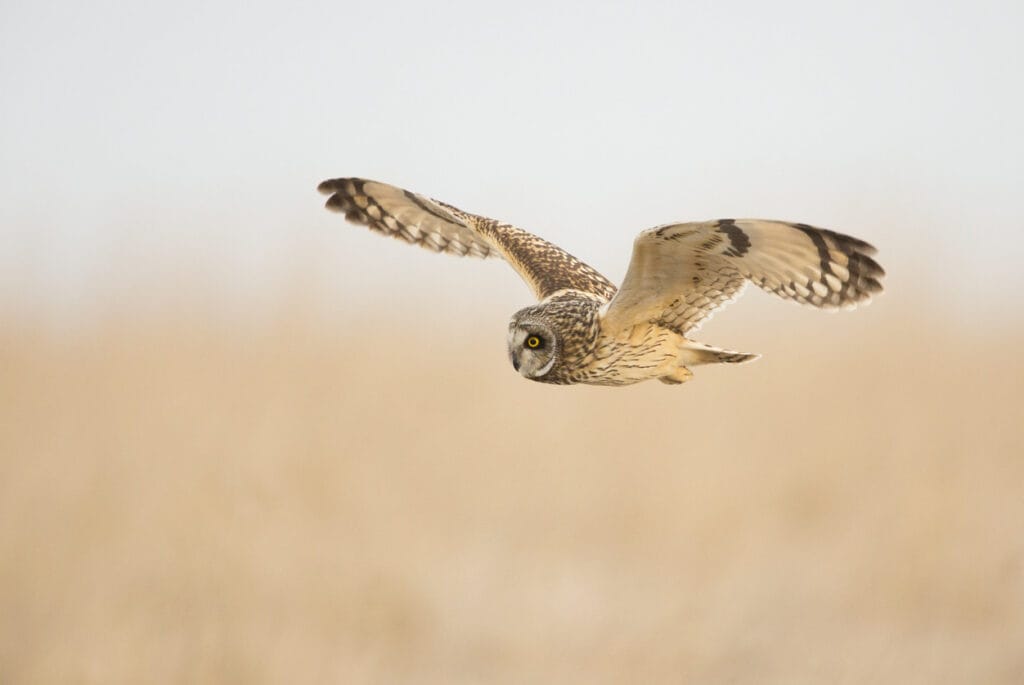
The Short-eared Owl, despite its rarity in Virginia, boasts a remarkably extensive global range. This species is found in open habitats across the Commonwealth, including grasslands and farmlands, where they often perch on low tree limbs or even nest on the ground.
Nesting Habits and Diurnal Activity:
A distinctive characteristic of the Short-eared Owl is its ground-nesting behavior. Females create a simple scrape on the ground, lined with soft materials like grass stems and feathers, sometimes plucking them from their own breasts if animal feathers are unavailable. This species is also notable for being diurnal, meaning they actively hunt during daylight hours, a trait shared with Barred Owls. This behavior allows them to chase prey close to the ground and pounce from above.
Physical Characteristics and Vocalizations:
Often described as having "flame-colored" plumage, their scientific name, Asio flammeus, reflects this striking appearance. Their ear tufts usually lie flat against their round heads but can be erected when the owl feels threatened or wishes to intimidate. While generally quiet, their calls, when they do occur, are said to resemble the sounds of small cats or dogs seeking a mate.
Diet:
As opportunistic feeders, Short-eared Owls primarily target small mammals such as lemmings, voles, pocket mice, rabbits, and gophers. They will also consume small birds and insects when the opportunity arises.
The Ethereal Hunter: Barn Owl (Tyto alba)
The Barn Owl is a familiar and iconic resident of Virginia, known for its ghostly appearance and unique heart-shaped facial disk. These year-round inhabitants are often found in open country, farmlands, and areas with suitable roosting sites like old barns, church steeples, and abandoned buildings.
Appearance and Folklore:
Their striking appearance, characterized by mottled tawny-gray feathers, large black eyes, and the distinctive white heart-shaped face, has led to a variety of folklore and nicknames, including "Monkey Owl," "Demon Owl," and "Ghost Owl." While some find their appearance eerie, others appreciate their sophisticated and elegant demeanor.
Roosting and Nesting Behavior:
Barn Owls are adaptable nesters, utilizing any suitable level or concave surface. They do not construct elaborate nests but seek out sheltered locations such as straw bales, junipers, barn lofts, and cliffs, especially during colder months to conserve energy and protect themselves from the elements. While they can breed year-round in Virginia, their primary breeding season occurs between February and June.
Diet and Temperament:
Their diet consists predominantly of small mammals, with cotton rats, house rats, and young rabbits making up approximately 95% of their food intake. Despite their size, Barn Owls are generally docile creatures, preferring to fly away from larger threats rather than engage in conflict. They are primarily nocturnal hunters, relying on their exceptional hearing to locate prey in the dark.
The Tiny Enigma: Northern Saw-whet Owl (Aegolius acadicus)
The Northern Saw-whet Owl is one of the smallest owl species found in Virginia, rarely exceeding 10 inches in height. Their diminutive size, coupled with oversized heads, fluffy bodies, and large, cat-like yellow eyes, gives them an undeniably adorable appearance. Their heart-shaped faces further enhance their charm.
Vocalization and Behavior:
While their appearance is endearing, their warning calls are anything but. When startled or during mating season, they emit a sound that resembles the whetting of a saw, giving them their distinctive name. These calls are their primary means of communication and defense, though they are generally reserved for specific situations.
Habitat and Elusiveness:
In Virginia, Northern Saw-whet Owls are typically observed as non-breeding populations, meaning they visit during certain times of the year rather than establishing permanent residency. Their small size and effective camouflage make them incredibly difficult to spot, even for experienced ornithologists. They favor oak woodlands, coniferous forests, and streamside woodlands, areas that provide ample cover and suitable prey.
Diet:
Due to their small stature, their diet is limited to smaller prey, including mice, voles, young squirrels, insects, and tiny birds. They are adept hunters within their ecological niche, utilizing their keen senses to locate and capture these small creatures.
The Vocal Sentinel: Barred Owl (Strix varia)
The Barred Owl is easily recognized by its distinctive "who cooks for you? who cooks for you all?" call, a haunting and memorable vocalization that echoes through Virginia’s diverse landscapes. Found in a variety of habitats, from dense evergreen forests and swamps to drier uplands, these owls are characterized by their striking white-and-brown barred plumage.
Diurnal Hunting and Visibility:
Unlike most owl species, Barred Owls are notably diurnal and cathemeral, meaning they hunt both day and night. This active hunting schedule makes them one of the most easily spotted owls in Virginia. Their consistent presence in their territories, as they do not migrate far, means that an individual bird observed in a specific location is likely to remain there for extended periods.
Physical Characteristics:
Barred Owls possess large, round eyes, fluffy, heart-shaped faces, and distinctive "barred" feather patterns across their bodies. They have short tails and stocky builds, contributing to their robust appearance.
Diet and Territoriality:
Their diet is varied, including small mammals such as mice, rats, and squirrels, as well as snakes and other invertebrates. They are also known to hunt fish from lakes and swamps. While generally considered one of the friendlier owl species, Barred Owls are highly territorial, especially during nesting season. They will actively defend their territory by hooting loudly and may even strike perceived intruders with their talons.

Final Thoughts on Virginia’s Owl Population
Virginia’s natural heritage is rich with a remarkable array of wildlife, and its eight owl species are a significant part of that tapestry. From the widespread Great Horned and Barn Owls to the more specialized and seasonally present Snowy and Long-eared Owls, each species contributes to the ecological balance of the Commonwealth. Understanding their unique behaviors, preferred habitats, and dietary habits is key to appreciating their role in the ecosystem.
For those venturing out to observe these magnificent birds, a paramount consideration is the safety and well-being of both the observer and the owl. Maintaining a respectful distance, refraining from any actions that could disturb their natural behavior, and practicing responsible wildlife viewing are essential. The thrill of spotting an owl in its natural habitat is a profound experience, one that is best cherished through quiet observation and a deep appreciation for these extraordinary avian predators.
Frequently Asked Questions
What is the most common owl species in Virginia?
The Great Horned Owl and the Barn Owl are generally considered the most common and widely distributed owl species in Virginia, frequently encountered across various regions of the state.
Where can I find more information on local owl sightings in Virginia?
For up-to-date information on owl sightings and distribution in Virginia, resources like eBird are invaluable. This platform allows users to search for recent sightings, track specific species, and view what has been observed in particular areas, providing a dynamic snapshot of avian activity across the Commonwealth.

