


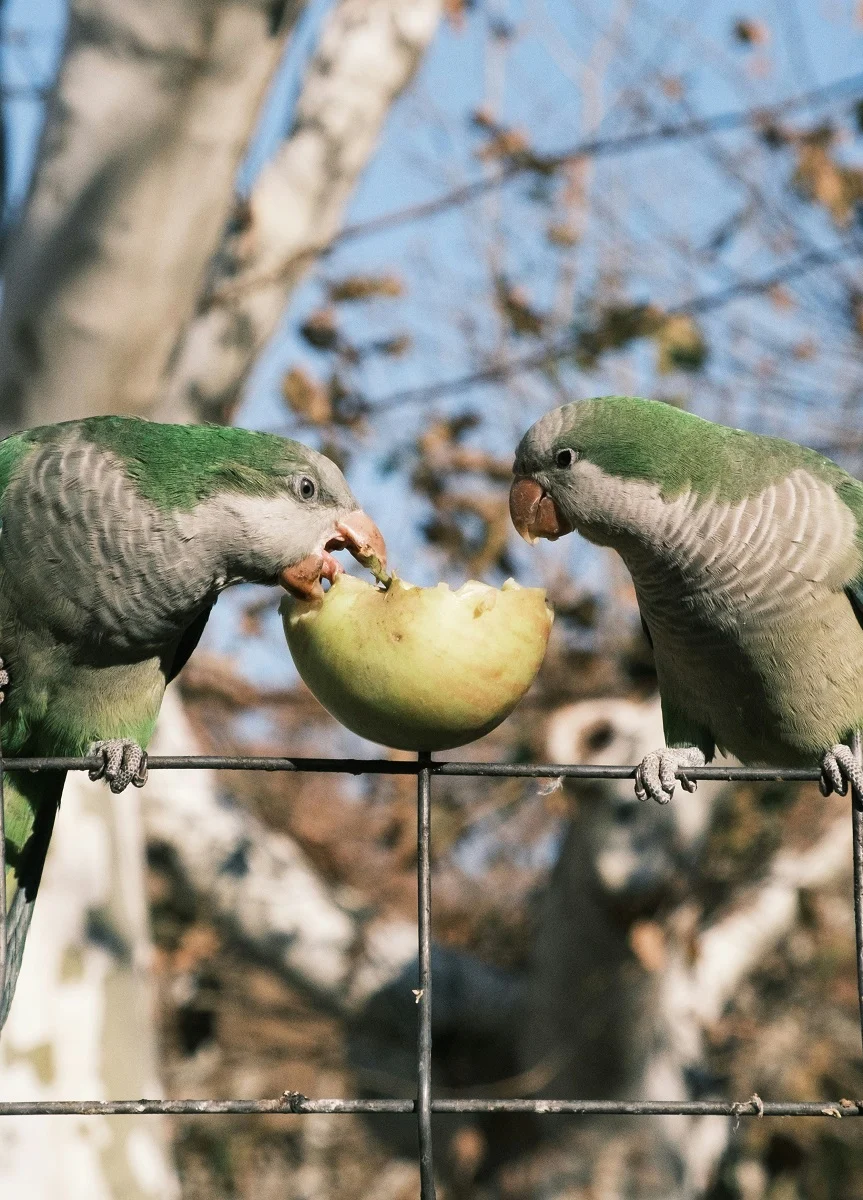
The Myiopsitta monachus, commonly known as the Quaker parrot or Monk parakeet, presents a compelling paradox in the avian world: a cheerful, intelligent companion animal revered by many pet owners, yet simultaneously a formidable invasive species causing significant ecological and economic disruption in numerous non-native habitats. Originating from South America, these highly adaptable parrots have garnered global attention for both their endearing qualities in captivity and their remarkable, often problematic, success in establishing feral populations across continents. This article delves into the comprehensive profile of the Quaker parrot, examining its biological characteristics, care requirements as a pet, and the far-reaching implications of its status as an invasive species.
Biological Profile and Natural Habitat
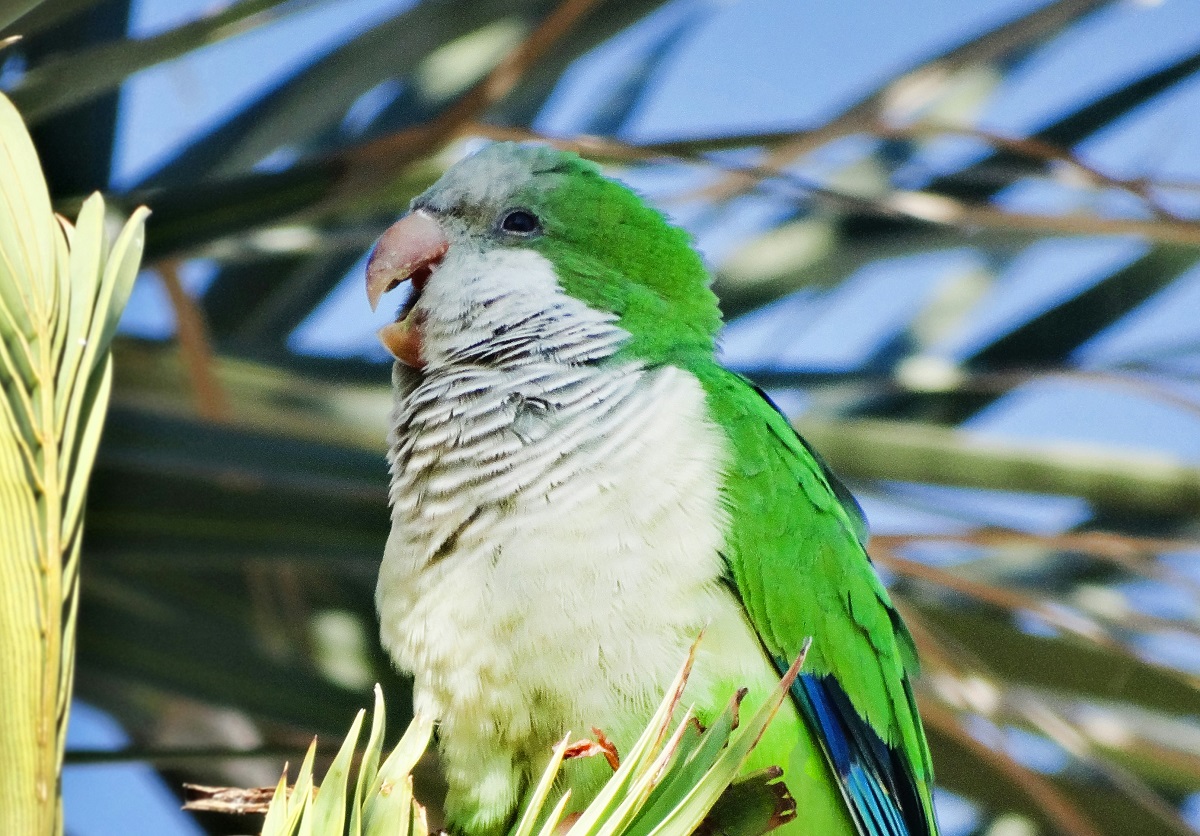
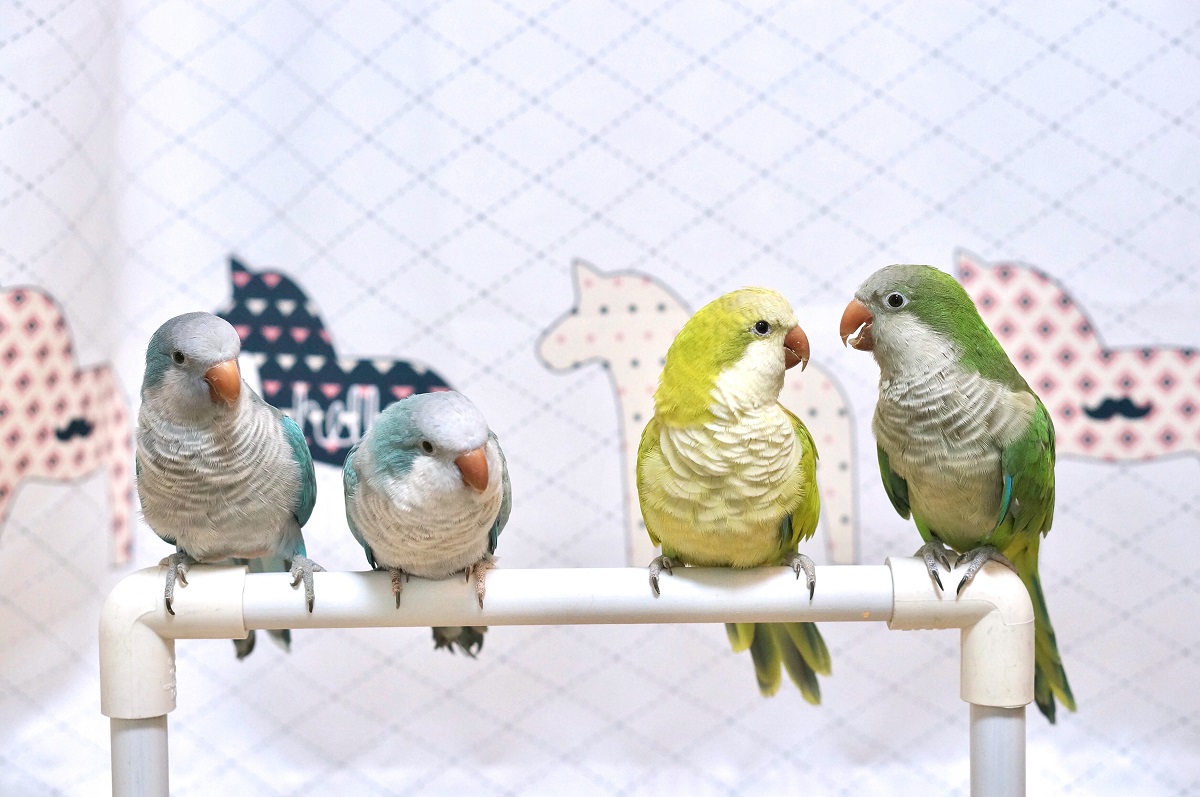
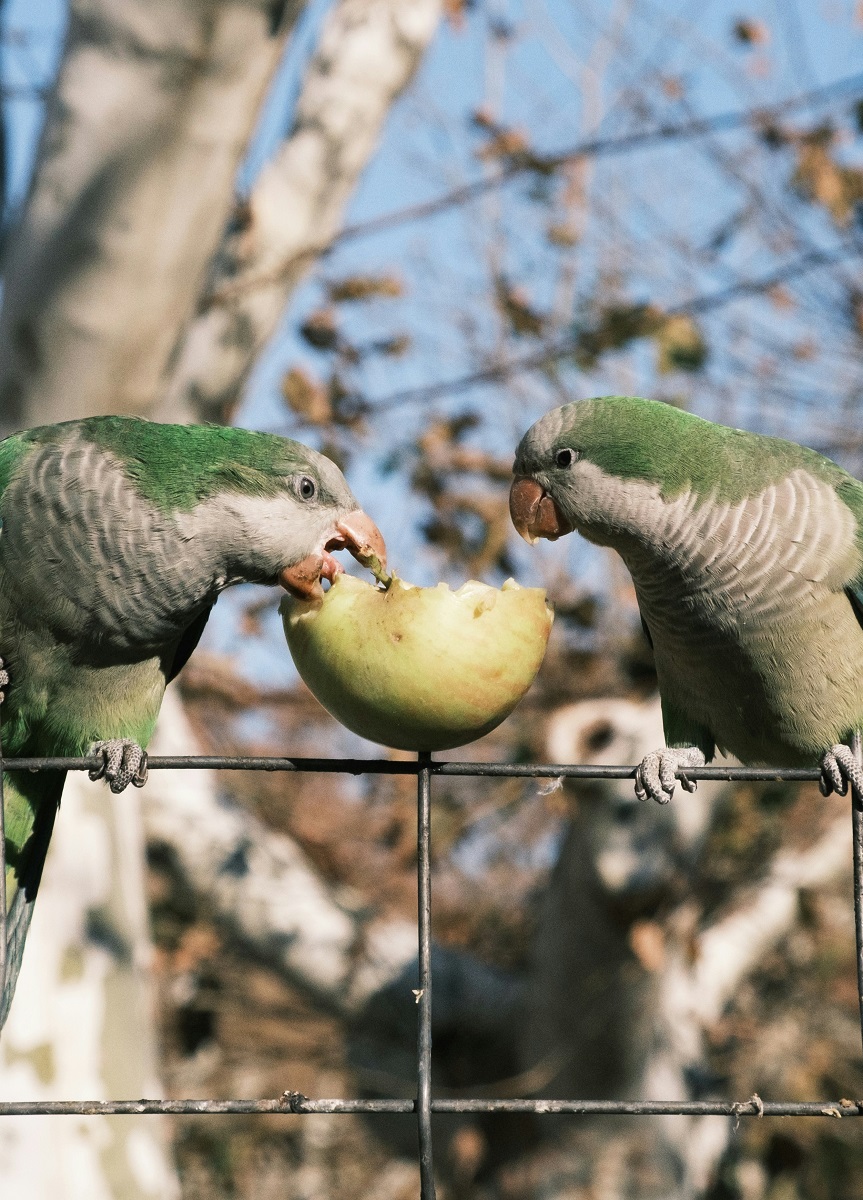
The Quaker parrot is a medium-sized parrot species, typically reaching up to 13 inches (33 cm) in length and weighing around 140 grams. Its distinctive appearance makes it easily recognizable: wild birds typically feature a vibrant mossy green back, a contrasting gray front extending to the face, bright blue flight feathers, and a long, tapering tail. A skin-colored beak further defines its facial features. Through selective breeding, a diverse array of color morphs has emerged in captivity, ranging beyond the natural green to include striking blues, yellows, grays, whites, and various combinations, enhancing their appeal to enthusiasts. While female Quaker parrots are marginally smaller than males, this difference is almost imperceptible visually, necessitating DNA testing for accurate sex determination.
Native to the lowlands of South America, Myiopsitta monachus inhabits a broad region encompassing southern Brazil, eastern Bolivia, most of Paraguay and Argentina, and all of Uruguay. This adaptable species thrives in elevations up to 3,300 feet (1,000 meters), preferring a variety of wooded to sparsely wooded areas such as savannas, palm forests, and increasingly, urban parks and agricultural landscapes. Their ability to adapt to human-modified environments is a key factor in their success both in their native range and as an invasive species.
Conservation Status and Ecological Dynamics
The International Union for Conservation of Nature (IUCN) Red List currently classifies Myiopsitta monachus as a species of "Least Concern." This designation reflects its widespread distribution and stable, even increasing, populations in its native range. Intriguingly, the species appears to benefit from certain human activities that might typically threaten other wildlife. For instance, the expansion of Eucalyptus forests for paper pulp production provides additional nesting sites, as these parrots are known for their unique communal stick nests. Furthermore, the growth of agriculture, particularly maize cultivation, offers an abundant and readily available food source, leading to their classification as agricultural pests in some parts of their native territory.
However, this relatively secure status does not extend to all members of the Myiopsitta genus. The very similar Myiopsitta luchsi, the Cliff Parakeet, found exclusively in a small region of Bolivia, is classified as "Near Threatened" due to habitat loss and other localized pressures. This contrast underscores the varied ecological fortunes within closely related species and highlights the unique adaptability of M. monachus.
The Quaker Parrot as a Domestic Companion
For the right owner, Quaker parrots can be exceptionally rewarding pets. Their intelligence, playful nature, and zest for life make them engaging companions, but also demand significant commitment.
Temperament and Social Behavior: Quaker parrots are renowned for their confident, boisterous, and often clownish personalities. A well-socialized Quaker parrot can be incredibly affectionate and cuddly, forming deep bonds with its human companions. However, their highly social nature means they require extensive interaction and attention. If kept solo without a mate, they can become lonely and stressed without nearly constant human engagement. A notable trait is their potential to become intensely attached to a single person, which can sometimes lead to aggression or aloofness towards other family members. Furthermore, Quaker parrots are highly territorial about their cages, often viewing it as their personal domain. This territoriality can make routine tasks like changing food and water bowls challenging, requiring careful handling and consistent positive reinforcement.
Communication and Vocalizations: While not among the loudest parrot species, Quaker parrots are far from silent. Their noise level is generally considered low to moderate, but their flock calls can be quite grating and persistent. Beyond squawks and screams, they produce a steady stream of whistles, chirps, and various other vocalizations. A particularly endearing aspect of their communication is their capacity for mimicry. Many Quaker parrots learn to imitate human speech, acquiring impressive vocabularies, albeit with a characteristically squeaky voice. They can also mimic common household sounds, adding a unique auditory dimension to the home environment. Owners often report a "purring" sound from content birds, and like many parrots, they may grind their beaks when relaxed and happy. The common name "Quaker" is derived from a literal observation: young birds often "quake" or flap their wings rapidly while begging for food, a behavior seen as endearing by many. Prospective owners must carefully consider their ability to tolerate a parrot’s noise level and research specific vocalizations, perhaps by listening to recordings on platforms like xeno-canto or visiting a breeder.
Dietary Requirements in Captivity: Ensuring a long and healthy life for a pet Quaker parrot hinges significantly on providing a healthy and varied diet. Modern avian veterinary consensus strongly advises against a seed-heavy diet, which can lead to severe malnutrition and related health issues. The cornerstone of a captive Quaker parrot’s diet should be a high-quality formulated pellet food. These pellets, while perhaps visually unappealing, are nutritionally complete, providing all essential vitamins and minerals. This pellet base should be supplemented daily with a diverse array of fresh fruits and vegetables. Examples include leafy greens (kale, spinach), bell peppers, carrots, apples, berries, and occasional small amounts of cooked grains or lean protein. Foods to avoid include avocado, chocolate, alcohol, and caffeine, which are toxic to parrots. Access to a mineral block is also crucial for supplemental nutrient intake, along with multiple sources of fresh, clean water changed daily.
Housing and Enrichment: Despite their relatively small size, Quaker parrots are active birds requiring ample space. A cage with minimum dimensions of 30 inches (76 cm) wide is generally recommended, though larger is always preferable. Critically, cage length is often more important than height, as parrots tend to utilize the upper half of their cage for activity. An ideal enclosure will feature a variety of natural wood perches of varying diameters to promote foot health, placed primarily in the upper sections. A diverse selection of parrot-safe toys, including shreddable, chewing, and puzzle toys, is essential to prevent boredom and stimulate their intelligent minds. Foraging boxes, which encourage natural foraging behaviors, are also highly recommended.
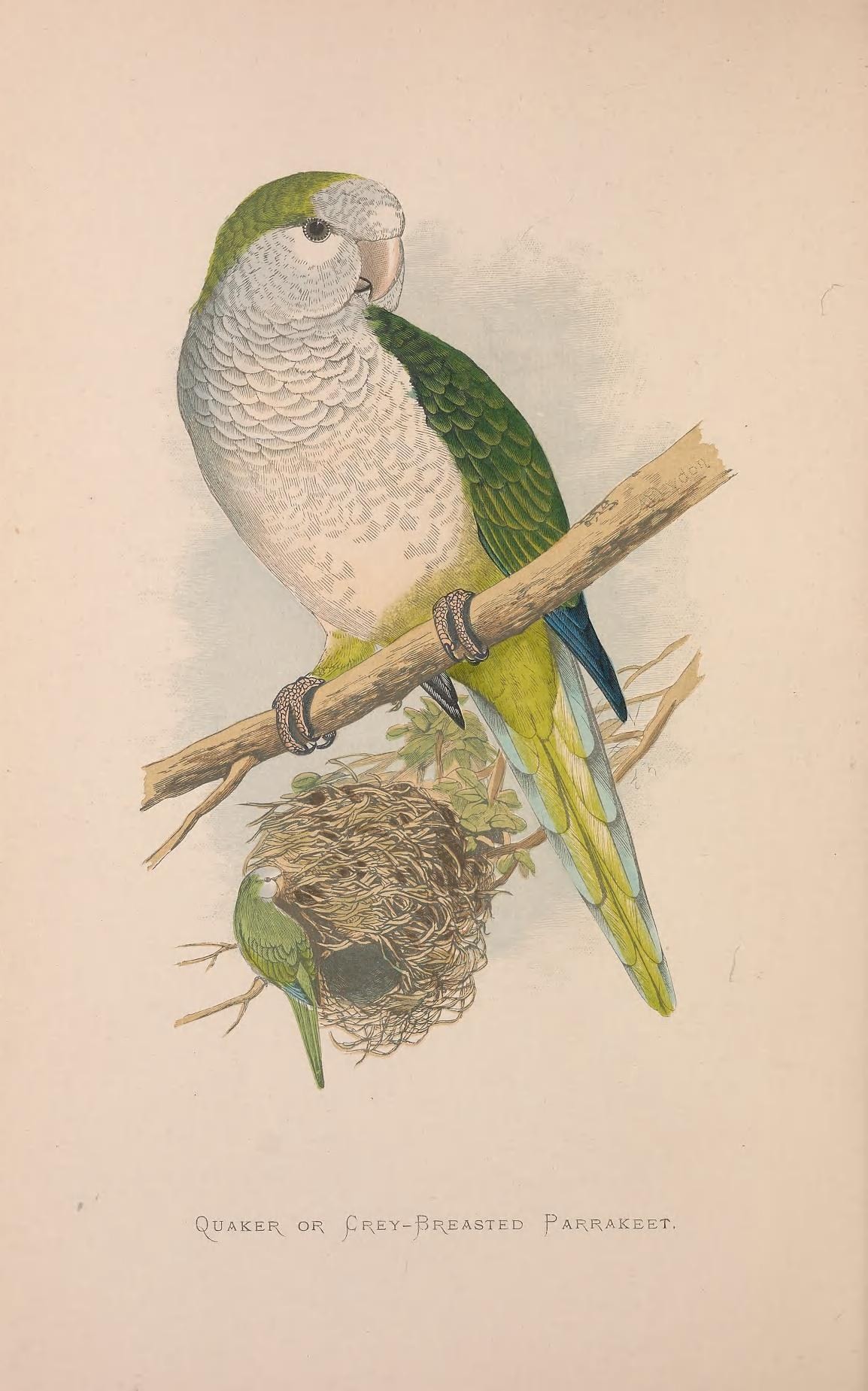
Quaker parrots possess a unique and strong nest-building instinct. If provided with elongated small items like sticks, paper, or even pens, they will meticulously collect and stack them, constructing elaborate communal nests within their cage or designated areas. While this behavior is fascinating to observe, it can sometimes trigger hormonal changes, leading to increased territoriality or aggression. Managing this instinct is a common challenge for owners.
Beyond the cage, daily out-of-cage time is paramount for both mental and physical health. Lack of exercise, combined with an improper diet, can quickly lead to obesity and other health issues. A designated parrot play gym atop the cage or in a safe room provides an excellent "birdie hang-out spot." Any area where the parrot is allowed to roam must be thoroughly "bird-proofed" to eliminate hazards such as open toilets, hot stovetops, whirling ceiling fans, toxic plants, or easily accessible electrical cords.
Health and Emergency Preparedness: Given their potential lifespan of up to 30 years, owning a Quaker parrot is a long-term commitment. Regular check-ups with an avian veterinarian are crucial for preventative care and early detection of potential health issues. Owners should also be prepared for common emergencies, knowing basic avian first aid, having a well-stocked avian first aid kit, and keeping the contact information for an emergency avian vet readily accessible.
The Invasive Species Phenomenon: A Global Challenge
The Quaker parrot’s adaptability and intelligence, which make it such a captivating pet, also contribute significantly to its success as an invasive species. Its journey from South American woodlands to urban landscapes worldwide is a testament to its resilience and opportunistic nature.
History of Introduction and Spread: The primary vector for the Quaker parrot’s global spread has been the international pet trade. Beginning in the mid-20th century, millions of these birds were imported into countries across North America, Europe, and Asia. Escapes from captivity, either accidental or intentional releases, led to the establishment of feral populations. Their ability to survive and breed in diverse climates, from the cold winters of Chicago to the Mediterranean warmth of Spain, has been remarkable. Self-sustaining populations are now documented in numerous countries, including the United States, Canada, Mexico, Argentina (outside its native range), Brazil (outside its native range), Israel, Japan, and several European nations such as Spain, Italy, Belgium, and the UK. The sight of these vibrant green birds foraging alongside pigeons in cities like Valencia or Madrid is a common, albeit concerning, phenomenon.
Ecological and Economic Impacts: The presence of invasive Quaker parrot populations poses significant threats to both natural ecosystems and human infrastructure.
-
Ecological Impacts:
- Competition: Quaker parrots directly compete with native bird species for food resources, particularly seeds and fruits, and for prime nesting sites. Their large, communal stick nests can displace native cavity-nesting birds and other wildlife.
- Disease Transmission: Feral populations can act as reservoirs for diseases, potentially transmitting pathogens to native bird species or even domestic poultry.
- Habitat Alteration: Their aggressive nest-building can alter vegetation structure, especially in urban or semi-urban green spaces.
-
Economic Impacts:
- Agricultural Damage: As noted in their native range, Quaker parrots are significant agricultural pests. Large flocks can cause substantial damage to crops like corn, sunflowers, and various fruits, leading to economic losses for farmers.
- Infrastructure Damage: The construction of their elaborate communal stick nests, often built on utility poles, electrical transformers, and communication towers, can lead to power outages, short circuits, and structural damage. The costs associated with removing these nests and repairing damaged infrastructure can be substantial. In some urban areas, utility companies spend millions annually on nest removal and preventative measures.
Regulatory Responses and Management: Recognizing the severe ecological and economic consequences, many governments and environmental agencies have implemented measures to control or manage Quaker parrot populations. The legal status of Quaker parrots varies widely:
- Bans: Several U.S. states (e.g., California, Pennsylvania, New Jersey, Wyoming) and some countries have outright banned the ownership, sale, or breeding of Quaker parrots due to their invasive potential.
- Restrictions: Other jurisdictions allow ownership but impose strict regulations, such as mandatory leg bands, permits, or requirements for secure outdoor aviaries to prevent escapes.
- Management Efforts: In areas with established feral populations, control efforts can include trapping, removal, and euthanasia, often sparking debate among animal welfare advocates and conservationists. Public awareness campaigns aim to educate pet owners about responsible ownership and the dangers of releasing non-native species. The economic and ethical challenges of managing these populations are ongoing.
Navigating the Complexities: Pet Ownership and Environmental Stewardship
The Quaker parrot embodies a profound dilemma: a species that brings immense joy to countless individuals as a pet, yet simultaneously represents a serious environmental threat. For prospective owners, understanding this duality is critical. Responsible pet ownership entails not only providing exemplary care for the individual bird but also acknowledging and mitigating its potential impact on broader ecosystems. This includes ensuring secure housing to prevent escapes, adhering to local regulations regarding ownership, and making informed decisions about acquiring such a pet.
Ongoing research continues to explore more humane and effective methods for managing invasive populations, from fertility control to targeted removal strategies. The overarching goal is to balance the interests of pet enthusiasts with the imperative to protect native biodiversity and prevent further economic damage. The story of the Quaker parrot serves as a potent reminder of the complex and often unforeseen consequences of human-animal interactions and the critical importance of ecological awareness in a globalized world.
In conclusion, the Quaker parrot, or Myiopsitta monachus, remains a fascinating creature—a testament to nature’s adaptability and resilience. Its vibrant personality and intelligence make it a beloved companion, while its remarkable ability to thrive outside its native range presents a formidable environmental challenge. Navigating this complexity requires informed decisions, responsible pet ownership, and continued vigilance from environmental authorities to ensure the well-being of both these captivating birds and the ecosystems they increasingly inhabit.

