


The health and well-being of companion parrots are paramount for responsible owners, yet the unfortunate reality of illness or injury is a prospect no "parrot parent" wishes to confront. However, adequate preparation for such emergencies is not merely advisable but absolutely critical, often marking the decisive difference between a successful recovery and a tragic outcome. The ability to promptly address a bleeding injury, to contact a qualified avian veterinarian without delay, and to deploy a well-stocked first aid kit are foundational pillars of effective emergency response. For both seasoned parrot owners reviewing best practices and prospective owners embarking on their journey, understanding these crucial steps is indispensable for ensuring the highest chances of survival and recovery for their feathered companions.
Immediate Response to a Medical Emergency
In the event of an active medical emergency, immediate action takes precedence over information gathering. If a parrot is exhibiting clear signs of an urgent condition—such as severe difficulty breathing, unresponsiveness, or profuse bleeding—the priority is to secure the bird safely within a carrier and initiate transport to the nearest available avian veterinary clinic while simultaneously contacting them en route. This critical notification allows the veterinary team to prepare for the bird’s arrival and potentially provide initial guidance. For situations where the urgency is less definitive, contacting the avian vet from home to describe the symptoms allows their expertise to determine the appropriate course of action, whether it’s immediate travel or a scheduled appointment. Should an avian veterinarian not be immediately accessible, owners are advised to proceed with fundamental supportive care measures detailed in subsequent sections, continuing to seek veterinary assistance from alternative clinics.
Proactive Measures: Preparing for the Unforeseen
Prevention remains the most effective strategy in avian health management. A cornerstone of this approach is establishing a relationship with a qualified avian veterinarian before an emergency arises. Avian medicine is a highly specialized field, requiring specific training and experience that differs significantly from general veterinary practice. A veterinarian with a strong background in avian care can offer tailored advice, perform routine wellness checks, and be a familiar resource when critical situations emerge. Owners should ensure the vet’s contact information is readily accessible, ideally saved in multiple locations and shared with all household members.
Financial preparedness is another crucial aspect. Veterinary treatments for parrots, especially emergency procedures, can incur substantial costs. Maintaining a dedicated emergency fund or securing pet insurance specifically covering avian species can mitigate financial strain during stressful times, ensuring that necessary care is not delayed due to monetary concerns. Data suggests that unexpected veterinary bills are a leading cause of financial stress for pet owners, underscoring the importance of this proactive planning.
Beyond professional medical and financial arrangements, three primary areas of preparation can significantly reduce the likelihood of emergencies and, when they do occur, prevent escalation: parrot safety protocols, a comprehensive first aid kit, and an astute understanding of illness symptoms.
Parrot Safety: Mitigating Environmental Risks
Parrot safety, or "parrot-proofing," is fundamental. Experienced parrot owners are often well-versed in these protocols, but periodic reviews are beneficial to ensure no potential hazards are overlooked. New owners must grasp that parrots are highly intelligent, inherently curious, and remarkably sensitive creatures. This combination makes them particularly susceptible to accidents and injuries within a typical human household environment.
Their exploratory nature often leads them into precarious situations: chewing on live electrical cords, ingesting toxic houseplants, becoming entrapped in narrow spaces, or even escaping through unlatched windows. Such incidents highlight the necessity of designating specific areas within the home as "parrot-safe zones." These areas must be rigorously secured: all doors and windows closed and latched, other household pets (which can pose a predatory threat) excluded, and all potentially toxic or dangerous items removed or made inaccessible. Common household dangers include cleaning products, certain human foods (e.g., avocado, chocolate), medications, heavy metals (found in older cages or toys), and numerous common houseplants such as lilies, philodendrons, and diffenbachia, which can cause severe gastrointestinal distress or even organ failure.

Furthermore, the parrot’s own cage environment requires diligent safety checks. Not all commercially available parrot toys are inherently safe; some can become hazardous as they degrade, leading to entanglement or ingestion risks. Regular inspection for sharp edges, loose threads, or small parts that could be swallowed is essential. Maintaining impeccable cage hygiene is also paramount, as unsanitary conditions are breeding grounds for bacteria and fungi that can lead to respiratory or digestive illnesses.
The Essential Parrot First Aid Kit
Despite the most stringent safety measures, accidents can still occur. A bird’s toe might get caught, it might collide with a reflective surface, or a blood feather could break, causing significant bleeding. These scenarios underscore the critical need for a readily accessible avian first aid kit. This kit should not be a makeshift collection but a thoughtfully assembled arsenal of supplies specifically tailored for avian emergencies.
An avian first aid kit should minimally include:
- Styptic powder: Essential for stopping bleeding from minor cuts, broken blood feathers, or nail trims.
- Sterile gauze pads: For applying pressure to wounds.
- Non-stick bandages/vet wrap: To secure dressings without adhering to feathers.
- Antiseptic wipes (e.g., chlorhexidine): For cleaning minor wounds.
- Tweezers: For removing splinters or foreign objects.
- Small, blunt-ended scissors: For cutting bandages.
- Magnifying glass and small flashlight: For close inspection of injuries.
- Oral rehydration solution sachets: To combat dehydration.
- A clean, small towel or cloth: For gentle restraint or comfort.
- Syringes (without needles): For administering oral fluids or medications, especially for syringe-trained birds.
- A reliable heat source: Such as a microwavable heat pad or a wrapped hot water bottle.
- Emergency contact list: Including the avian vet, emergency clinics, and knowledgeable bird sitters.
In addition to the kit, a suitable travel carrier is indispensable. It should be appropriately sized, lined with absorbent paper towels, and capable of being darkened to reduce stress during transport. All household members should be aware of the kit’s location and basic usage, particularly the application of blood clotting powder. As Dr. Daisy May, Psittacology’s resident veterinarian, emphasizes, "Around 10% of your bird’s bodyweight is blood (e.g., a 100g cockatiel has around 10mls of blood), and only 10% of this blood can safely be lost. For our 100g cockatiel, this means losing more than 1ml of blood has the potential to be dangerous." This highlights the extremely limited blood volume in parrots, making rapid response to bleeding paramount.

Recognizing Subtle Symptoms of Illness
A fundamental challenge in avian care is that parrots, as prey animals, are genetically programmed to mask signs of illness or pain. In the wild, displaying weakness would make them vulnerable to predators. In a domestic setting, this instinct can delay an owner’s recognition that something is amiss. Therefore, a keen understanding of a parrot’s normal behavior, appearance, and routines is the most critical diagnostic tool an owner possesses. Observing changes in their usual responses, general activity levels, physical appearance (plumage, posture), vocalizations, scent, and the consistency of their droppings can signal underlying health issues.
Dr. Daisy May advises owners to contact their avian veterinarian for consultation, determining if an immediate visit or a scheduled appointment is warranted, upon observing any of the following symptoms:
- Changes in droppings: Such as unusual color (e.g., black or tarry, indicating internal bleeding; note that beetroot or bell peppers can cause red discoloration), consistency (very watery or extremely dry), or volume.
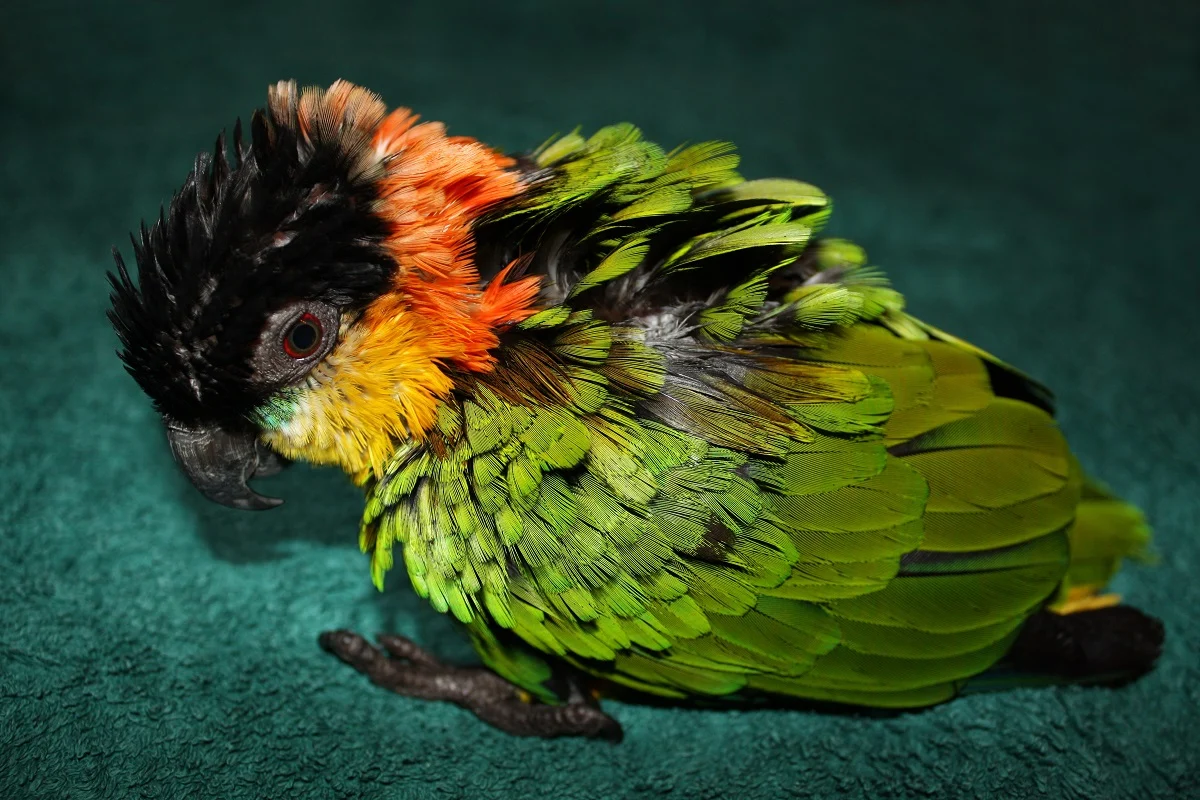
- Fluffed feathers without preening: Indicating a sustained effort to maintain body temperature or general malaise.
- Lethargy or decreased activity: A marked reduction in playfulness, climbing, or general movement.
- Changes in appetite or water consumption: Significant increase or decrease.
- Partial closure of eyes or dull eyes: Indicating pain or discomfort.
- Ruffled, disarrayed, or plucked feathers: Beyond normal molting or preening.
- Discharge from nostrils or eyes: Suggesting respiratory or eye infection.
- Changes in vocalization: A quiet bird that is usually noisy, or vice versa.
- Weight loss: Often subtle and requires regular monitoring.
- Any unusual swelling or lumps.
Certain symptoms, however, demand immediate veterinary attention, with owners advised to call en route to the clinic. These often indicate a critical state requiring oxygen therapy, a warmed brooder, and fluid administration (oral or intravenous):
- Difficulty breathing: Open-mouthed breathing, tail bobbing, or labored breaths.
- Non-responsiveness or severe lethargy: Collapse, inability to perch, or extreme weakness.
- Convulsions or seizures.
- Prolonged bleeding that cannot be stopped.
- Severe injury: Such as a broken bone, deep wound, or head trauma.
- Regurgitation or vomiting: Especially if persistent.
- Sudden onset of paralysis or weakness: As experienced by one owner whose budgie woke with a head stuck at an angle, necessitating immediate veterinary intervention and recovery.
- Rapid, unexplained weight loss.
Beyond symptom recognition, routine preventative care is invaluable. Biannual health check-ups with an avian vet serve as a proactive measure to detect nascent problems, including nutritional imbalances or subtle illnesses, before they become acute emergencies.

Providing Emergency Care While Awaiting Veterinary Attention
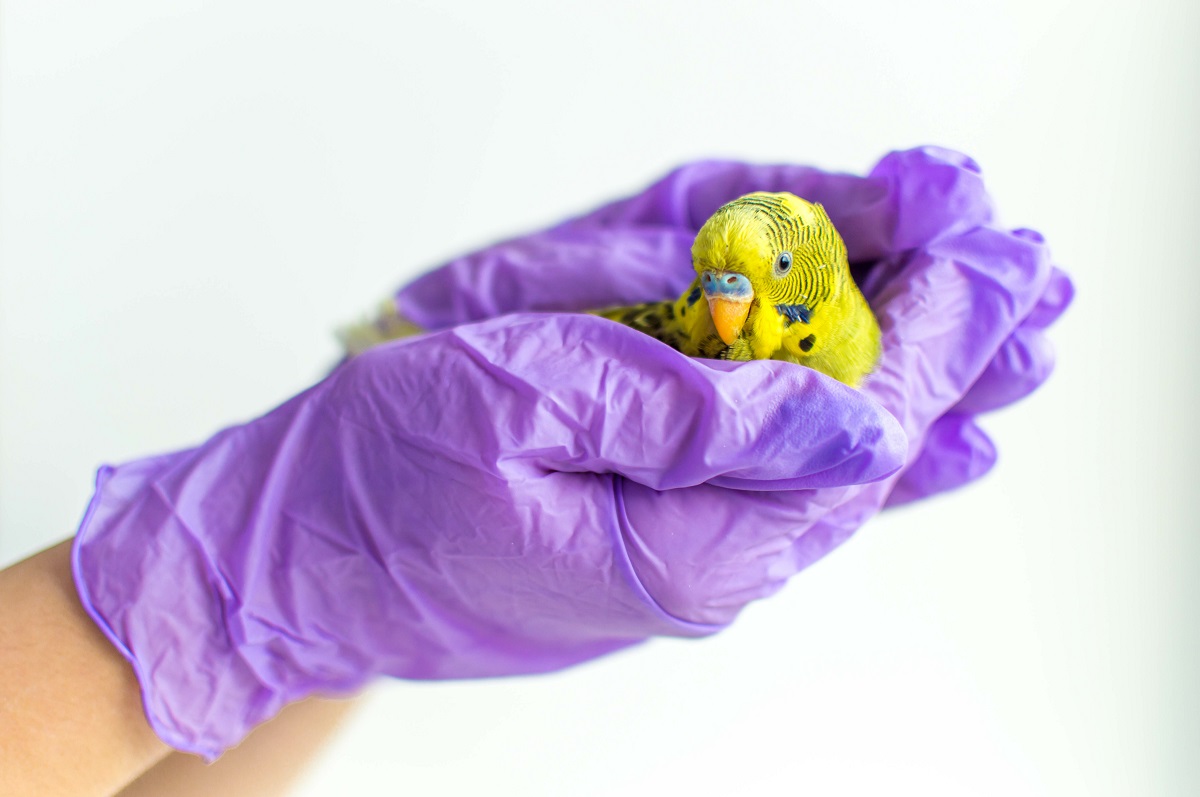
Once an avian veterinarian has been contacted, there may be a period of waiting—either during transport or until the clinic can accommodate the bird. During this critical interval, providing basic emergency care can be life-sustaining. Remaining calm and focused is paramount for effective intervention.
1. Stopping Hemorrhage:
If the parrot is bleeding, controlling the hemorrhage is the immediate priority. For superficial wounds or broken blood feathers, apply styptic powder directly to the affected area and maintain firm but gentle pressure with sterile gauze for several minutes. Styptic powder works by constricting local blood vessels and aiding in coagulation, crucial for birds with their limited blood volume. If a wound appears deep enough to penetrate a body cavity (e.g., abdomen or thorax), styptic powder is ineffective. Instead, sustained pressure with clean gauze during transport to the vet is essential. While birds possess decent natural clotting abilities, continuous bleeding warrants ongoing pressure until professional medical intervention is possible. When applying pressure, extreme caution must be exercised to avoid restricting the bird’s ability to expand its chest, as parrots lack a diaphragm and rely entirely on chest wall movement for respiration. Any restriction can quickly lead to respiratory distress.
2. Isolation and Thermal Support:
Stress and shock are significant contributors to mortality in sick or injured birds. The "hands-off" approach often adopted by veterinarians with severely distressed parrots underscores this fact; even minimal handling can exacerbate stress to a fatal degree. Additionally, compromised parrots frequently struggle to regulate their body temperature, making supplemental warmth vital. An ideal ambient temperature of approximately 85°F (29°C) is recommended.
To achieve isolation and warmth, a carrier or clean box lined with soft paper towels or a clean cloth should be used. A covered microwavable heat pad (safest option to prevent burns or leaks) or a securely wrapped hot water bottle should be placed inside the enclosure. Covering the carrier to darken it further reduces visual stimuli and stress, providing a secure, quiet environment for the bird during transport or while waiting for veterinary care.

3. Addressing Dehydration:
Vomiting or diarrhea can rapidly lead to dehydration in parrots. While moderate to severe dehydration necessitates immediate veterinary intervention, mild dehydration can be managed at home under guidance. Assessing dehydration involves checking the basilic wing vein refill time. This vein is visible as a raised blue line on the inside of the bird’s wing, near the "elbow." Gently pressing on the vein briefly displaces blood; in a well-hydrated bird, the vein refills instantly upon lifting the finger. A refill time exceeding two seconds indicates moderate to severe dehydration, requiring urgent veterinary attention. Even without this specific test, a visibly sick bird is likely experiencing some degree of dehydration.
A parrot first aid kit should include oral rehydration solution sachets, prepared according to package instructions. Mildly dehydrated birds that are still alert and able to swallow comfortably can be offered this solution via a teaspoon or syringe. For syringe administration, it is crucial to ensure the bird is syringe-trained and to administer fluids gently to the side of the beak, allowing the bird to swallow at its own pace, thereby minimizing the risk of aspiration into the windpipe. Fluids offered should be gently warmed to body temperature to prevent further chilling of an already compromised bird. If a parrot is unwilling or unable to drink independently, attempting to force fluids directly into the mouth is strongly discouraged unless explicitly demonstrated and confidently practiced under the supervision of a qualified avian veterinary professional, due to the severe risk of aspiration pneumonia.
In conclusion, the ultimate priority in any parrot health concern is prompt access to a qualified avian veterinarian. Parrots are inherently fragile, and their conditions can deteriorate with alarming speed. Responsible ownership encompasses not only daily care but also a robust emergency preparedness plan, ensuring that every possible measure is taken to safeguard these intelligent and delicate creatures.
This article is for informational purposes only and does not constitute medical advice. In an avian emergency, always contact a qualified avian veterinarian immediately.
Sources
- Avianmedicine.net: Emergency and Critical Care
- Statements from Dr. Daisy May, Psittacology’s resident veterinarian.

