


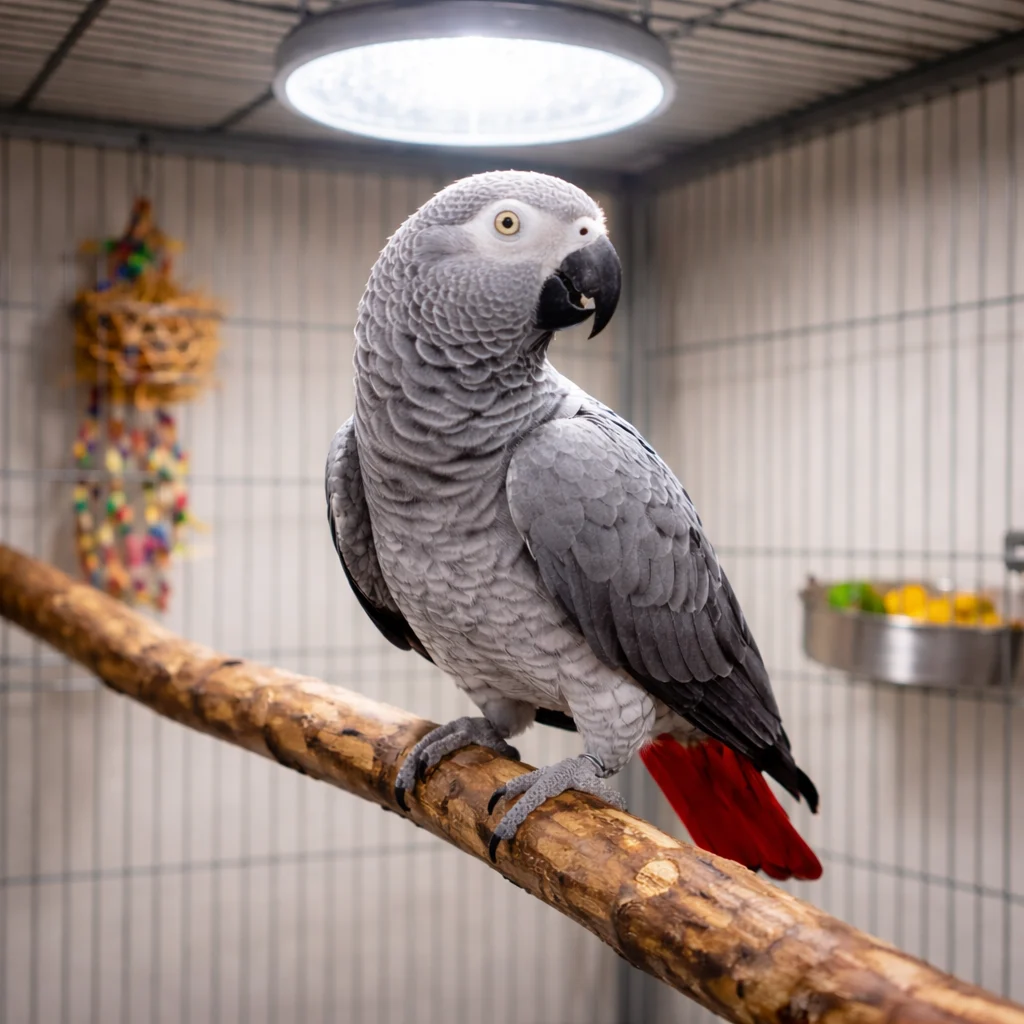
As the colder months usher in shorter days and prolonged indoor confinement for many companion birds, a silent physiological challenge frequently emerges: a deficiency in vital vitamin D3 and, consequently, compromised calcium absorption. This phenomenon, often mistaken for typical seasonal lethargy or minor behavioral quirks, represents a significant health risk for birds lacking consistent exposure to direct sunlight or appropriate artificial UVB lighting. Published on February 21, 2026, and last updated on February 22, 2026, this guide, informed by avian wellness educator Diane Burroughs, LCSW, highlights the critical indicators and necessary interventions to safeguard avian health during winter. For birds that have spent the majority of the winter indoors without adequate direct sunlight or a specialized UVB light source, observing symptoms such as weakened perch grip, an unusual increase in shredding behavior, dull feathering, reduced activity levels, or heightened irritability are definitive signs that immediate corrective action, rather than mere seasonal maintenance, is required.
The Silent Threat: Winter’s Impact on Avian Physiology
The transition from the vibrant, sun-drenched months to the often dim, indoor environment of winter presents a profound physiological shift for birds. Unlike their wild counterparts, which benefit from continuous exposure to unfiltered sunlight, indoor birds rely entirely on their human caretakers to replicate essential environmental conditions. One of the most critical elements often overlooked is the provision of ultraviolet B (UVB) light. UVB radiation is indispensable for the endogenous synthesis of vitamin D3, a hormone precursor vital for a multitude of biological processes, most notably calcium metabolism. Without adequate UVB exposure, the intricate biochemical pathway that converts a cholesterol precursor in the bird’s skin into active vitamin D3 is severely disrupted, leading to a cascade of health complications. This is not a normal or safe physiological adaptation for birds; rather, it signals a fundamental environmental deficiency that demands correction. A healthy indoor bird should exhibit consistent strength, coordination, vibrant feather quality, and stable behavior year-round. Any deviation from these norms during winter months frequently points to a critical light-vitamin D3-calcium absorption imbalance.
Recognizing the Warning Signs: A Comprehensive Diagnostic Guide
Identifying calcium depletion in its early stages is crucial, as birds are adept at masking illness until conditions become severe. The following diagnostic indicators, derived from extensive avian veterinary observations, can help caretakers assess their bird’s health status:
- Neuromuscular Impairment: One of the earliest and most telling signs of potential calcium depletion is a decline in neuromuscular strength. Birds may exhibit sliding on perches, a less firm grip, or even difficulty maintaining balance. This can progress to shorter, less confident flights, subtle tremors in the feet or wings, and an overall decrease in agility. Calcium plays a pivotal role in muscle contraction and nerve impulse transmission. When calcium levels are insufficient, these fundamental physiological processes are compromised, leading to noticeable physical weakness.
- Behavioral Shifts: Imbalances in essential minerals like calcium and magnesium can significantly affect a bird’s nervous system. Owners might observe increased irritability, heightened reactivity to stimuli, or an unusual "shorter fuse." Excessive shredding, often dismissed as boredom, can sometimes be a manifestation of underlying stress or discomfort related to mineral deficiencies. Lethargy, reduced interaction, and a general lack of enthusiasm for play or foraging are also common behavioral indicators.
- Feather and Bone Health: The quality of a bird’s plumage is a robust indicator of its overall health. Dull, lackluster feathers, the appearance of stress bars (horizontal lines indicating periods of poor nutrition or stress during feather growth), or a prolonged and inefficient molting process can all signal low vitamin D3 levels. Vitamin D3 is essential for proper calcium utilization, which in turn impacts the integrity of feather follicles and the structural health of growing feathers. Over time, chronic calcium deficiency can lead to skeletal issues, including osteoporosis, making bones brittle and prone to fractures.
The Critical Role of Vitamin D3 and Calcium: A Biological Perspective
Understanding the biochemistry behind calcium absorption is fundamental to appreciating the problem. When UVB light strikes a bird’s skin, it initiates a photochemical reaction, converting 7-dehydrocholesterol into pre-vitamin D3. This precursor then undergoes thermal isomerization to form vitamin D3. Subsequently, vitamin D3 is transported to the liver, where it is hydroxylated to 25-hydroxyvitamin D3, and then to the kidneys, where it is further hydroxylated to its most active form, 1,25-dihydroxyvitamin D3, also known as calcitriol. Calcitriol is the primary hormone responsible for regulating calcium and phosphate levels in the body. Its key function is to enhance the absorption of dietary calcium from the intestines.
Without adequate calcitriol, the calcium consumed through a bird’s diet, no matter how rich, cannot be effectively absorbed. Instead, it largely passes through the digestive system unutilized. To maintain critical physiological functions such as heart rhythm and muscle contraction, the bird’s body will resort to a compensatory mechanism: it will begin to resorb calcium directly from its bones. This process, known as osteolysis, can continue silently for weeks or months, progressively weakening the skeletal structure without overt signs until a crisis point is reached. This explains why providing more pellets, a cuttlebone, or a generic calcium supplement alone will not resolve the problem if the essential vitamin D3 is missing. The bird requires usable calcium, not merely calcium sitting in a dish.
Beyond Pellets: Addressing Dietary Misconceptions
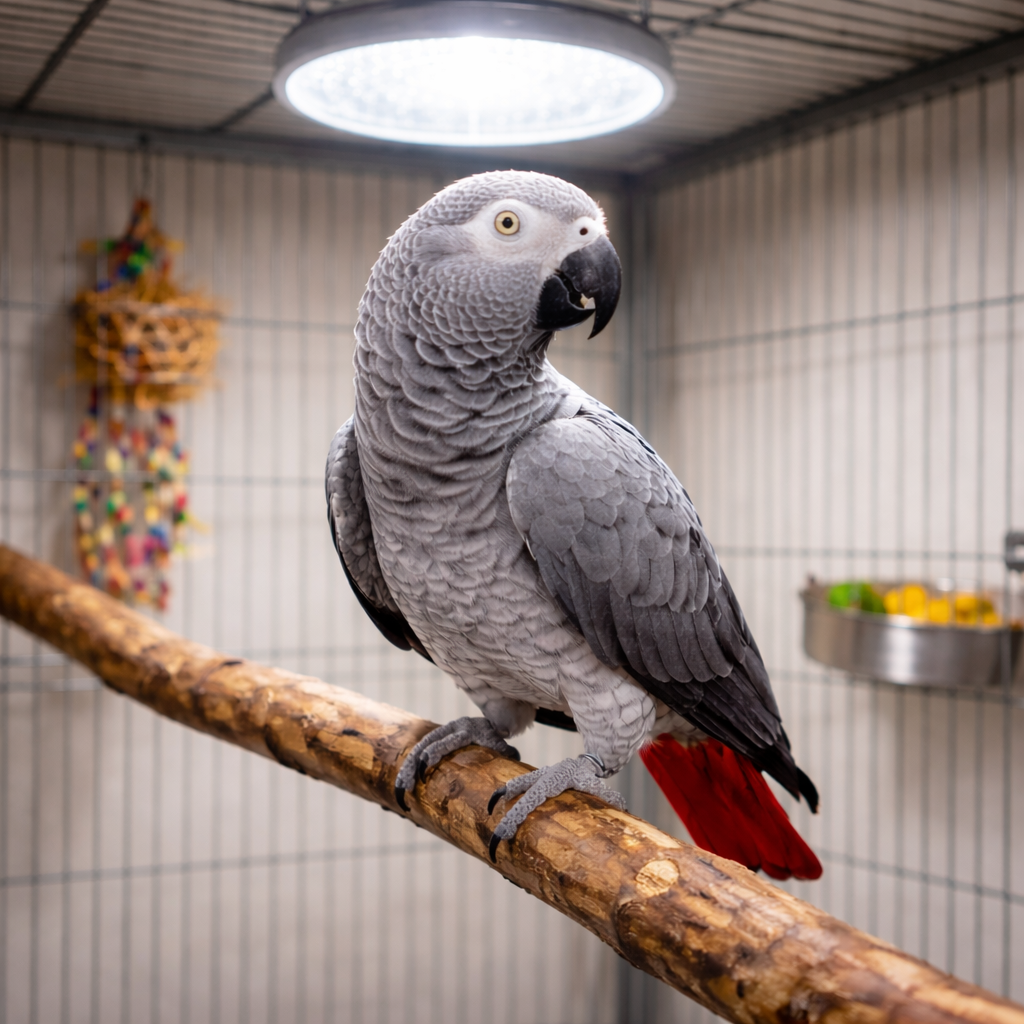
A common misconception among bird owners is that a high-quality pellet diet, supplemented with fresh vegetables, provides all the necessary nutrients. While premium pellets are formulated to be nutritionally complete, their efficacy is contingent upon the bird’s ability to metabolize and absorb key vitamins and minerals. For calcium, this absorption is fundamentally dependent on the presence of active vitamin D3. If a bird’s indoor environment consistently lacks proper UVB light, even the most meticulously balanced diet will fall short in preventing calcium deficiency.
This highlights a critical distinction: dietary calcium intake is only one part of the equation. The other, equally vital, part is the bioavailability of that calcium, which is directly controlled by vitamin D3. Simply increasing the amount of calcium in a bird’s diet without addressing the D3 deficiency is akin to filling a bucket with a hole in the bottom – the water (calcium) cannot be retained. In some cases, excessive calcium supplementation without adequate D3 can even be detrimental, potentially leading to mineral imbalances or kidney issues if the unabsorbed calcium accumulates or stresses the excretory system.
Proactive Measures: The 3-Step Winter Avian Wellness Protocol
Addressing winter-induced calcium deficiency requires a proactive, multi-faceted approach. The "3-Step Winter Bone Reset" outlined by avian experts provides a clear pathway to restoring and maintaining optimal avian health.
-
Optimize UVB Lighting: This is the foundational step. Indoor birds require a specialized full-spectrum UVB lamp designed for avians. These lamps emit a specific range of UVB wavelengths (typically 290-320 nm) that mimic natural sunlight and facilitate vitamin D3 synthesis.
- Selection: Choose a reputable brand of avian-specific UVB lamp (e.g., compact fluorescent or mercury vapor bulb). Avoid reptile-specific lamps unless explicitly recommended by an avian veterinarian, as their UVB output can differ.
- Placement: The lamp should be positioned at an appropriate distance from the bird, typically 12-18 inches, depending on the bulb’s intensity, to ensure effective UVB delivery without causing harm. It should be placed above the cage, not behind glass or plastic, as these materials filter out beneficial UVB rays.
- Duration: Provide 8-12 hours of UVB exposure daily, mimicking natural daylight cycles.
- Maintenance: UVB output degrades over time, even if the light still appears to be working. Most UVB bulbs need to be replaced every 6-12 months, as recommended by the manufacturer.
- Natural Sunlight: Whenever possible and safe, provide supervised access to unfiltered natural sunlight outdoors. Even short periods (15-30 minutes) can be beneficial, but birds must be protected from predators, extreme temperatures, and escape.
-
Dietary Enrichment and Supplementation: While UVB light is primary, dietary support is also crucial.
- Balanced Diet: Continue to offer a high-quality, balanced diet consisting of pellets, fresh vegetables, some fruits, and occasional healthy seeds.
- Calcium Supplementation: Once adequate UVB exposure or vitamin D3 supplementation is established, a calcium supplement (e.g., calcium carbonate or calcium citrate) can be offered, typically sprinkled on moist food or provided in a separate dish. The quantity should be determined in consultation with an avian veterinarian to avoid over-supplementation.
- Vitamin D3 Supplementation (Oral): In cases where consistent UVB exposure is not feasible or during initial recovery from severe deficiency, an avian veterinarian may prescribe an oral vitamin D3 supplement. This must be done with extreme caution, as fat-soluble vitamin D3 can be toxic in overdose. Regular blood tests may be required to monitor D3 levels.
- Magnesium: Magnesium works synergistically with calcium and D3. Ensure the diet provides adequate magnesium, or consider a balanced mineral supplement if recommended by a vet.
-
Environmental Enrichment and Monitoring: Regular observation and a stimulating environment contribute to overall well-being.
- Activity: Encourage physical activity through toys, foraging opportunities, and supervised out-of-cage time. Exercise helps maintain bone density and muscle strength.
- Vigilance: Continuously monitor your bird for any subtle changes in behavior, posture, feather quality, or grip strength. Early detection is key to preventing severe complications.
When to Seek Professional Intervention: Urgent Veterinary Care
It is critical to understand that birds are masters of disguise when it comes to illness. As expert Diane Burroughs notes, birds will prioritize vital functions, pulling calcium directly from their bones to sustain the heart and muscles. This compensatory mechanism can mask severe bone depletion for extended periods. By the time obvious clinical signs like falling, tremors, or seizure-like episodes manifest, the bird’s bone strength may already be dangerously compromised.
Quick Decision Guide for Veterinary Consultation:

- Immediate Emergency: Any instance of falling, loss of balance, tremors, seizures, paralysis, or severe lethargy warrants immediate emergency veterinary care. These are indicators of critical calcium levels that require urgent intervention, often involving injectable calcium and D3.
- Prompt Consultation: If you observe a progressive decline in perch grip, increasing irritability, dull feathering that persists despite a good diet, or a noticeable reduction in activity over several days or weeks, schedule a prompt appointment with an avian veterinarian. Early intervention can prevent the condition from escalating.
- Routine Check-up: For birds exhibiting minor, intermittent signs or as part of a general preventative health strategy, discuss your bird’s lighting and dietary regimen with your avian vet during a routine check-up.
Specific Red Flags to Watch For:
- Neurological Symptoms: Any involuntary muscle spasms, head tremors, inability to perch, or full-body seizures are medical emergencies.
- Severe Weakness: Inability to fly, difficulty climbing, prolonged periods of sitting on the cage bottom, or reluctance to move.
- Respiratory Distress: While not directly a calcium issue, severe weakness can compromise a bird’s ability to maintain clear airways.
- Reproductive Issues (for females): Egg-binding and soft-shelled eggs are common, life-threatening complications of calcium deficiency in breeding females.
An avian veterinarian can perform diagnostic tests, including blood work to assess calcium, phosphorus, and vitamin D3 levels, and potentially radiographs to evaluate bone density. They can then formulate a targeted treatment plan, which may include specific supplements, dietary adjustments, and recommendations for environmental modifications.
Broader Implications and Preventative Care
The long-term implications of chronic calcium and vitamin D3 deficiency extend far beyond the immediate symptoms. Prolonged depletion can lead to irreversible bone damage (osteoporosis, osteomalacia), kidney dysfunction dueptive to altered mineral metabolism, and severe reproductive problems in female birds, including chronic egg-laying and egg binding. These conditions significantly impact a bird’s quality of life and can drastically shorten its lifespan.
Therefore, preventative care is paramount. Rather than viewing calcium deficiency as a winter "problem" to be corrected, it should be understood as a year-round concern that necessitates consistent attention to environmental conditions and nutritional support. Responsible bird ownership involves replicating, as closely as possible, the natural conditions that allow birds to thrive. This includes not only a balanced diet and mental stimulation but also, crucially, the provision of appropriate full-spectrum UVB lighting.
Expert Insights and Resources
Avian veterinary science consistently emphasizes the foundational role of UVB light in avian health. Numerous studies highlight the direct correlation between inadequate UVB exposure and the prevalence of metabolic bone disease in captive birds. The consensus among experts, including Diane Burroughs, LCSW, is that proactive management of light and nutrition is essential for preventing the silent progression of calcium deficiency. Understanding the nuanced interplay between light, D3, and calcium is not merely about preventing illness; it’s about promoting robust health, vibrant feathers, strong bones, and stable behavior throughout a bird’s life.
For further exploration, owners are encouraged to consult resources on avian lighting requirements and the specific signs of calcium deficiency in parrots, ensuring they are equipped with the knowledge to provide optimal care. This includes regular veterinary check-ups where light and diet protocols can be reviewed and adjusted as needed.
- Meet Diane Burroughs, LCSW – licensed psychotherapist and avian wellness educator. With decades of behavior and nutrition experience, she helps bird owners understand what their birds’ bodies are actually doing – and what to do next.
By prioritizing appropriate UVB lighting and ensuring comprehensive nutritional support, bird owners can mitigate the risks of winter-induced calcium deficiency, fostering healthier, happier, and more resilient avian companions.

