


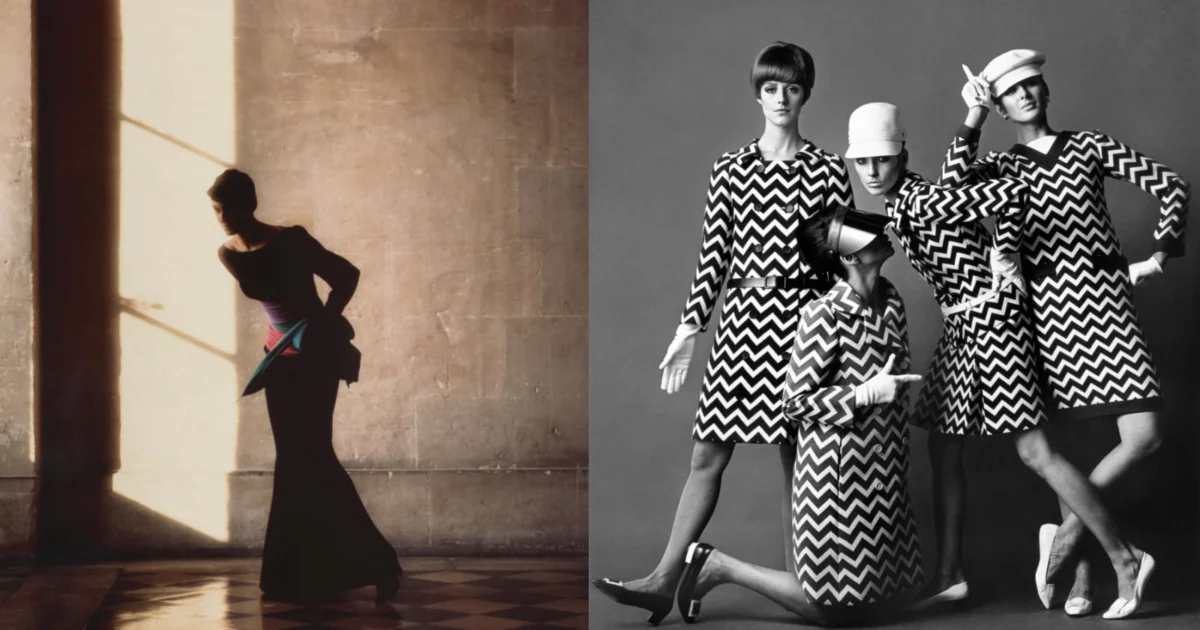
The International Center of Photography (ICP) in New York City has unveiled a comprehensive new exhibition titled Yves Saint Laurent and Photography, a meticulously curated exploration of the symbiotic relationship between one of the 20th century’s most influential couturiers and the medium of photography. Running through September 28, the exhibition serves as a definitive chronicle of how the French fashion house utilized the camera not merely as a promotional instrument, but as a fundamental pillar of its creative identity. Over the course of four decades, Yves Saint Laurent transformed the visual language of fashion, and this exhibition highlights the photographers who were instrumental in translating his radical sartorial visions into enduring cultural icons.
The exhibition is the result of a high-level collaboration between the ICP, the Musée Yves Saint Laurent Paris, and the Fondation Pierre Bergé – Yves Saint Laurent. It features nearly 300 photographs, archival objects, and personal ephemera that together provide an unprecedented look into the evolution of the Saint Laurent brand. From the avant-garde experiments of the 1960s to the high-gloss glamour of the 1990s, the collection demonstrates how photography captured the shifting tides of gender roles, social norms, and the very definition of modern elegance.
A Legacy Built Through the Lens
Yves Saint Laurent’s career was marked by a constant pursuit of modernity. After rising to prominence as the head of the House of Dior at the age of 21 and subsequently founding his own couture house in 1961 with partner Pierre Bergé, Saint Laurent realized that the image of the clothing was often as influential as the clothing itself. This realization led to decades of collaboration with the world’s most renowned photographers, including Richard Avedon, Cecil Beaton, Helmut Newton, Irving Penn, and Annie Leibovitz.
The exhibition documents how these photographers did more than just document outfits; they helped Saint Laurent construct a narrative of the "Saint Laurent Woman"—an individual who was independent, often androgynous, and unapologetically bold. By examining the works of Gian Paolo Barbieri, Arthur Elgort, and William Klein alongside the designer’s creations, the ICP highlights the interplay between three-dimensional fabric and two-dimensional film.
Chronology of a Visual Revolution
The exhibition is structured to provide a chronological and thematic journey through the house’s history, beginning with the early years of the 1960s. This was a decade of seismic shifts in fashion, as Saint Laurent introduced the "Le Smoking" tuxedo for women and moved toward the democratization of fashion with his Rive Gauche ready-to-wear line.
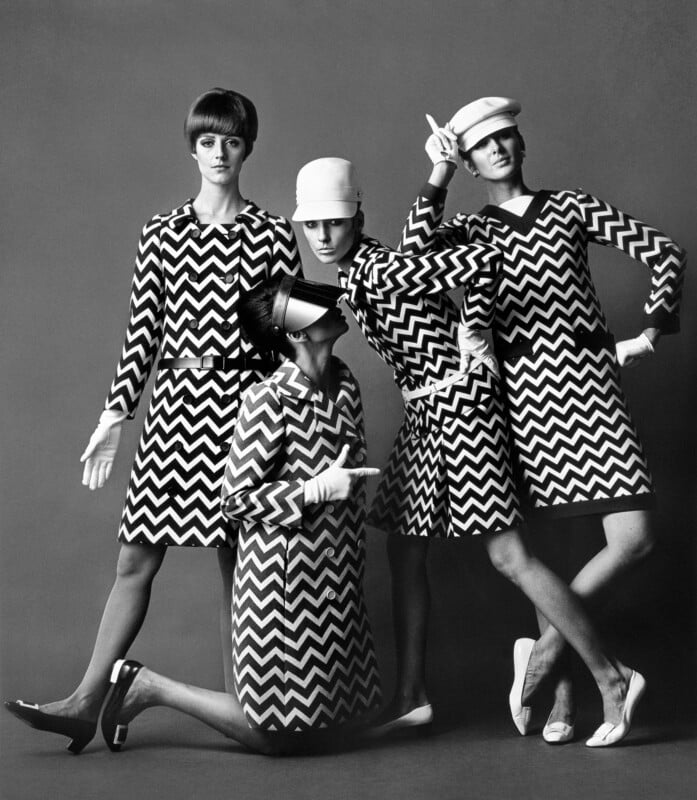
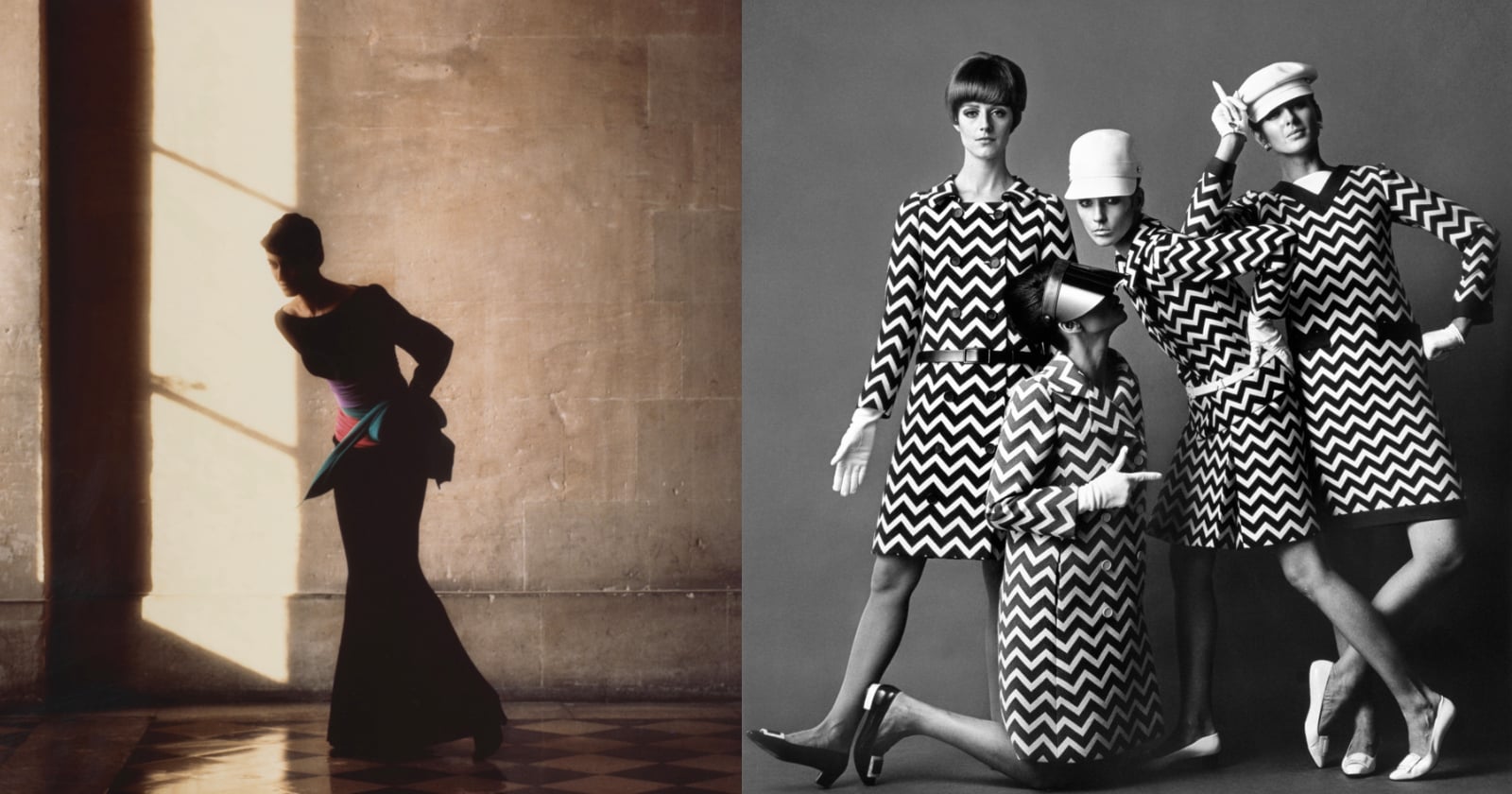
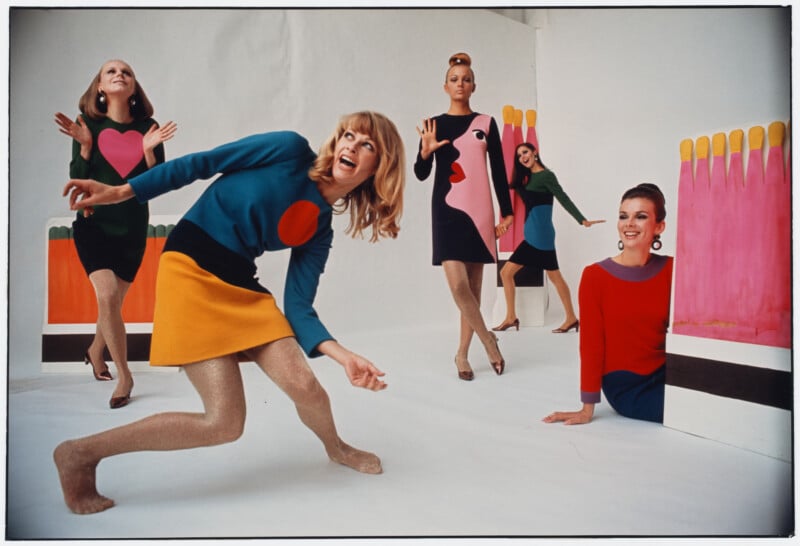
In 1966, photographer Jean-Claude Sauer captured the "Homage to Pop Art" collection for LIFE magazine. His images, featuring models in graphic, colorful mod dresses posing with oversized matchstick props, reflected the energy of the youth-driven "Swinging Sixties." During the same year, James Moore photographed models in zigzag-patterned haute couture for Harper’s Bazaar, utilizing high-contrast black-and-white photography to emphasize the architectural precision of Saint Laurent’s tailoring.
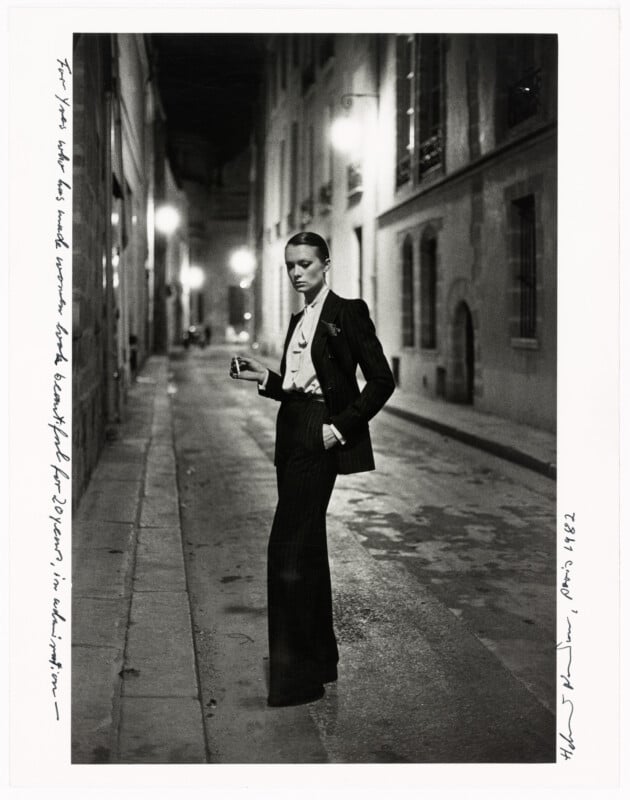
As the exhibition moves into the 1970s, the tone shifts toward the provocative. This era is perhaps best defined by Helmut Newton’s 1975 photograph of a model in a pinstriped pantsuit standing in a dimly lit Parisian alleyway, the Rue Aubriot. This image remains one of the most famous in fashion history, encapsulating Saint Laurent’s subversion of gender norms. By placing a woman in a traditionally masculine suit in a gritty, nocturnal urban setting, Newton and Saint Laurent redefined female power and sexuality.
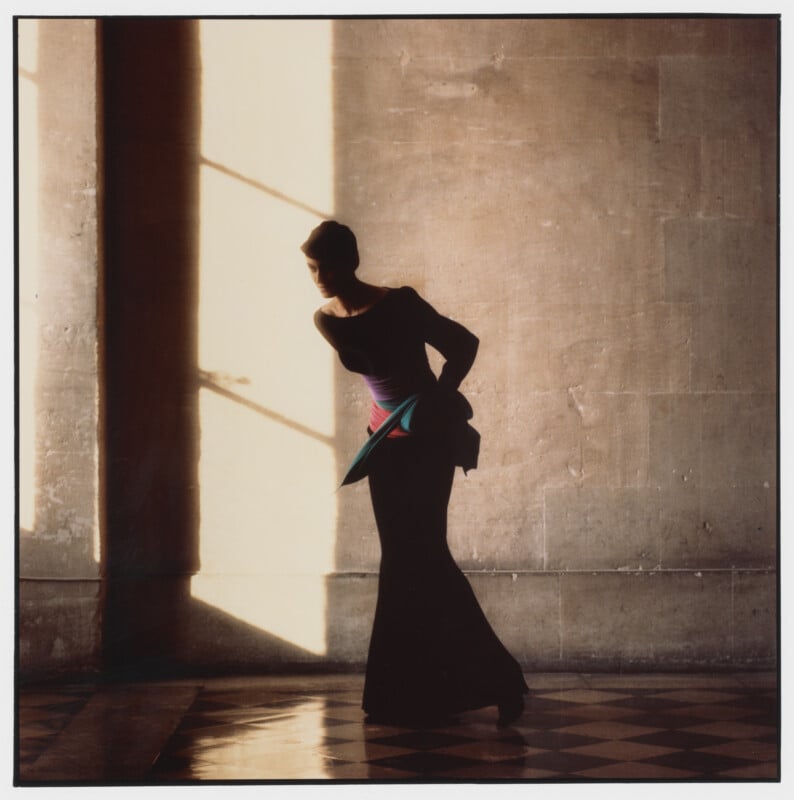
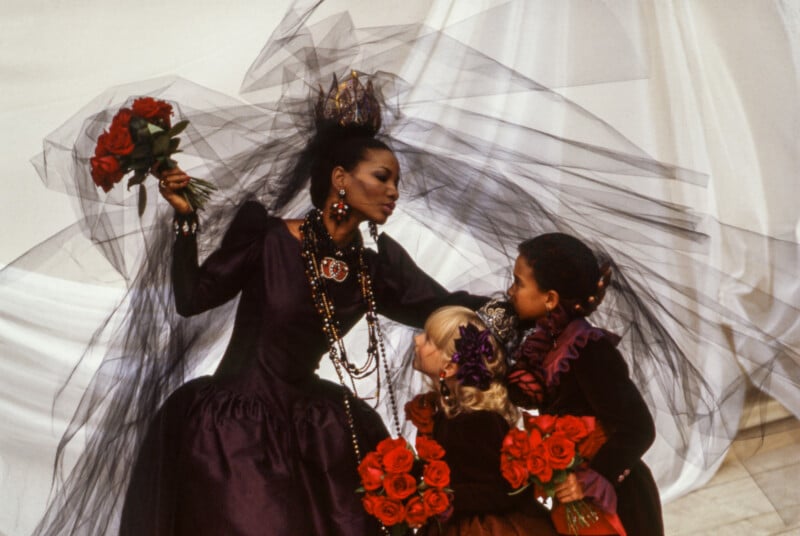
The 1980s and 1990s sections of the exhibit showcase a transition toward theatricality and the rise of the "supermodel." Works by Gian Paolo Barbieri from 1988 feature iconic figures like Naomi Campbell and Christy Turlington, highlighting the global reach and diverse appeal of the brand. Meanwhile, Arthur Elgort’s 1981 photographs of the "wedding dress" worn by Mounia Orosemane provide a glimpse into the grander, more romantic narratives that Saint Laurent explored during his later haute couture collections.
The Two-Part Curatorial Structure
The ICP has organized the exhibition into two distinct sections to offer both a broad artistic overview and a deep dive into the technical process of fashion image-making.
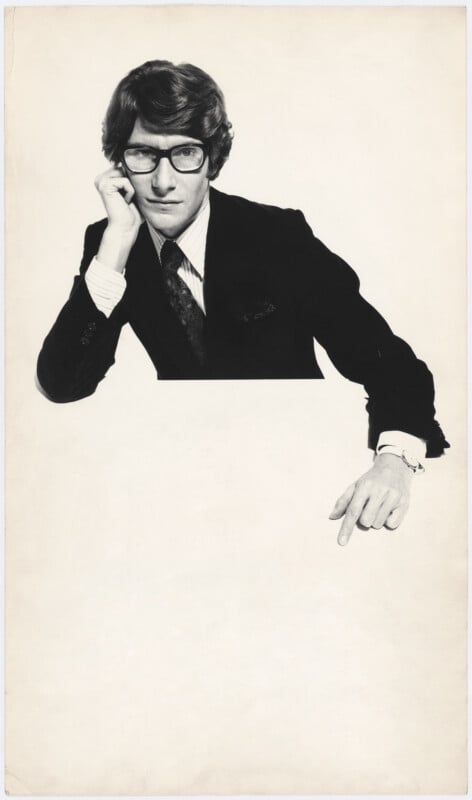
The first section focuses on the finished product: the iconic portraits and editorial images that appeared in the pages of Vogue, Harper’s Bazaar, and LIFE. This section allows visitors to compare the different stylistic approaches of various masters. For instance, the stark, minimalist elegance of Irving Penn’s 1957 portrait of a young Saint Laurent contrasts sharply with the experimental, motion-heavy images produced by William Klein in 1962. Backstage photography by Bettina Rheims from the 1980s adds a layer of raw, behind-the-scenes energy, showing the chaotic reality behind the polished runway presentations.
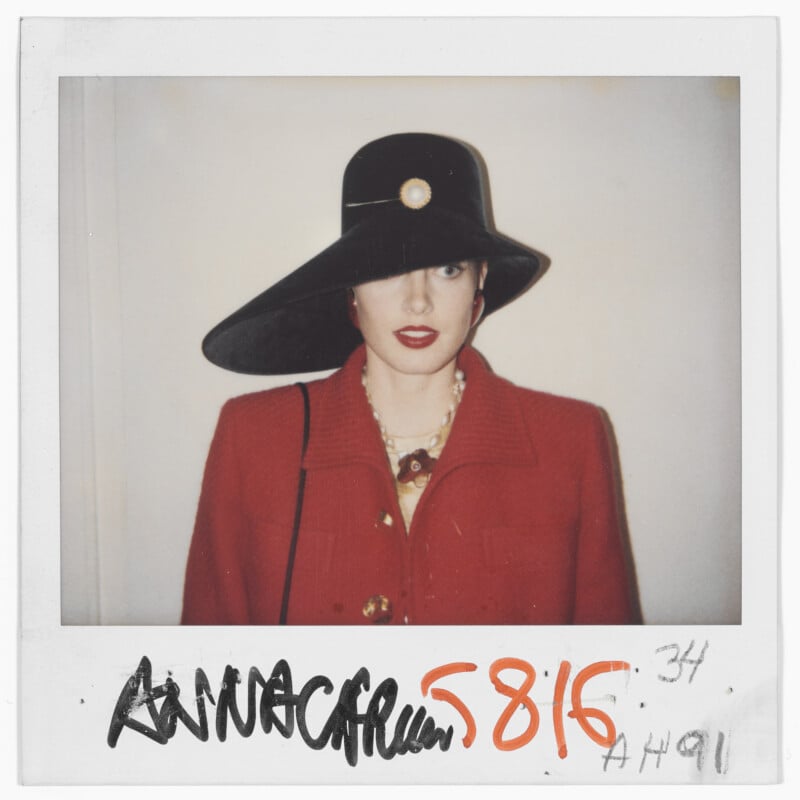
The second section of the exhibition offers a more intimate perspective, drawing from over 200 archival items from the Musée Yves Saint Laurent Paris. This area includes contact sheets, advertising notebooks, and press clippings that reveal the decision-making process behind the brand’s visual output. Of particular interest are the Polaroids taken by fashion house staff during fittings and rehearsals. These images, often marked with handwritten notes and technical instructions, serve as a bridge between the designer’s initial sketch and the final published photograph. They document the evolution of a garment from a work-in-progress to a finished masterpiece.
Supporting Data and Institutional Significance
The scale of the exhibition reflects the immense volume of material preserved by the Fondation Pierre Bergé – Yves Saint Laurent. The foundation currently manages an archive of over 5,000 garments, 15,000 accessories, and more than 50,000 sketches and photographs. By selecting nearly 300 of these pieces, the ICP provides a condensed but potent look at this vast historical repository.
Curators have noted that the inclusion of lesser-known works alongside world-famous images is intentional. By showing the "failures" on contact sheets or the utilitarian Polaroids used for internal records, the exhibition humanizes the creative process. It demonstrates that the "Saint Laurent look" was not an accidental occurrence but a carefully engineered aesthetic maintained through rigorous documentation and collaboration.
Official Responses and Curatorial Analysis
Curators from the ICP and the collaborating French institutions have emphasized the educational value of the exhibition. According to statements associated with the opening, the goal was to illustrate how photography functions as a "second skin" for fashion. "Yves Saint Laurent was one of the first designers to truly understand that the camera could extend the life of a garment far beyond the runway," noted a spokesperson for the Musée Yves Saint Laurent Paris. "This exhibition is a tribute to his foresight and his ability to select photographers who shared his radical spirit."
Industry analysts suggest that the exhibition is timely, given the current digital landscape where fashion is consumed almost exclusively through screens. By looking back at the analog era of fashion photography, the ICP invites viewers to appreciate the craftsmanship involved in creating a single, impactful image. The transition from film to digital has changed the speed of fashion, but the exhibition argues that the fundamental principles of composition, lighting, and narrative—perfected by Saint Laurent’s collaborators—remain the gold standard.
Broader Impact on Visual Culture
The implications of Yves Saint Laurent and Photography extend beyond the world of high fashion. The exhibition highlights how the brand’s imagery influenced broader cultural conversations regarding female empowerment and identity. By consistently featuring women in positions of strength, often borrowing from the masculine wardrobe, Saint Laurent and his photographers provided a visual template for the burgeoning feminist movements of the late 20th century.
Furthermore, the exhibition underscores the role of New York City as a secondary home for the Saint Laurent legacy. It was in New York that the designer was often most celebrated by the international press, and the ICP’s role in hosting this retrospective reaffirms the city’s status as a global hub for both photography and fashion history.
As visitors walk through the galleries, they are presented with a timeline not just of clothing, but of the human gaze. The exhibition successfully argues that Yves Saint Laurent did not just design clothes; he designed a way of seeing. Through the lenses of the world’s greatest photographers, his work was transformed into a permanent record of the 20th century’s aesthetic and social evolution.
Yves Saint Laurent and Photography stands as a testament to the power of the image. It proves that while fashion is inherently ephemeral—changing with the seasons—photography has the power to freeze those moments in time, turning a fleeting trend into an eternal icon. For students of photography, fashion enthusiasts, and historians alike, the exhibition offers a rare opportunity to witness the birth of a visual language that continues to define the industry today.

