


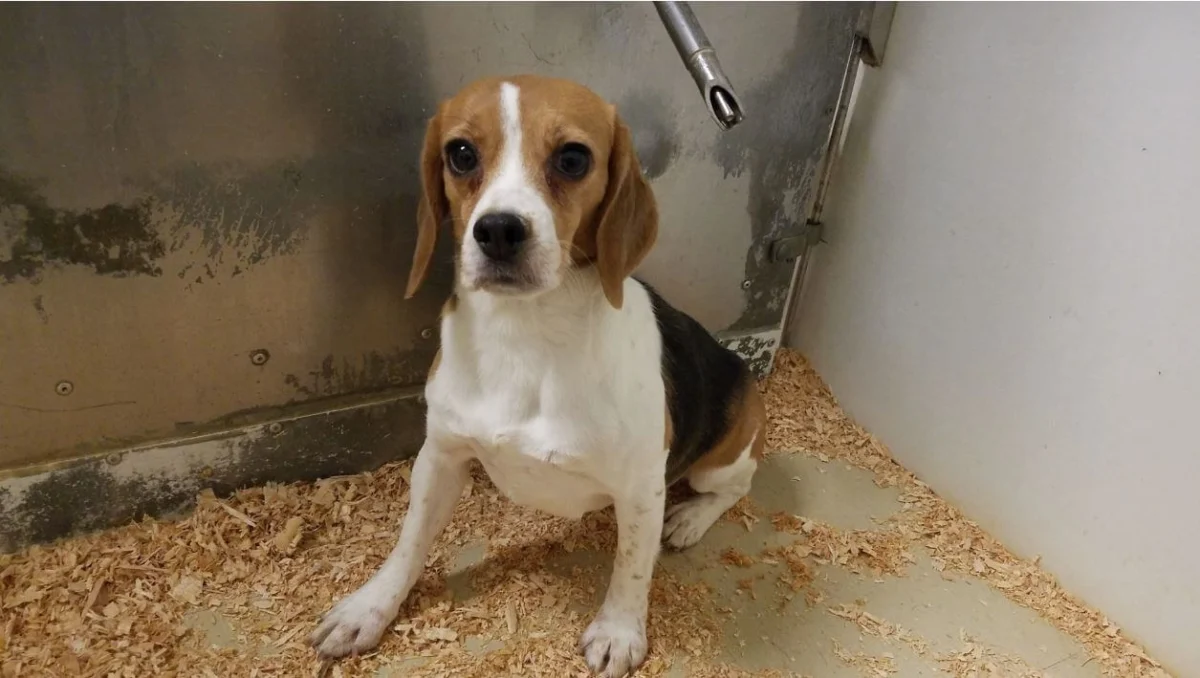
The landscape of contract animal testing in the United States has undergone a significant transformation following the announced closure of Red Beast Enterprises, a facility also known in the scientific community as High Quality Research. This development marks the end of a protracted period of scrutiny and legal pressure directed at the laboratory, culminating in the liberation of nearly 70 cats and dogs who had been housed within the facility for years. These animals, many of whom have spent their entire lives within the confines of barren laboratory enclosures, are currently being transitioned to specialized sanctuary care, signaling a victory for animal welfare advocates and a potential turning point for regulatory standards in the research industry.
The closure comes on the heels of a comprehensive undercover investigation conducted throughout 2025, which brought to light the internal conditions and operational practices of the facility. According to documentation released by People for the Ethical Treatment of Animals (PETA), the investigation revealed a pattern of systemic neglect and controversial medical procedures. The facility, located in a region where it had operated with relatively little public oversight for years, became the center of a national conversation regarding the ethics of using domesticated animals for toxicity testing and other experimental protocols.
The Case of Temple and the 2025 Undercover Investigation
Central to the public outcry against Red Beast Enterprises was the documented life of a beagle named Temple. For the first three years of her existence, Temple was not recognized by a name, but rather by the alphanumeric code "JGI2," which was tattooed into the sensitive skin of her ear. Investigative footage and reports indicated that Temple, like many other dogs in the facility, lived in a state of chronic stress. Her environment consisted of a cinderblock and tile cell, devoid of bedding, toys, or any form of environmental enrichment.
The investigation highlighted a specific practice that drew sharp criticism from both the public and veterinary experts: the performance of devocalization surgeries, commonly known as "debarking." According to the investigative findings, the facility’s veterinarian performed these procedures on dogs to muffle their barking, allegedly doing so in a crude manner that lacked adequate post-operative pain management. These procedures, technically known as ventriculocordectomies, are often viewed with skepticism in the modern veterinary community when performed for the convenience of laboratory staff rather than for medical necessity.
Temple’s eventual rescue served as a catalyst for the broader movement to shutter the facility. Today, reports indicate that she has transitioned successfully into a domestic environment, showing significant recovery from the behavioral trauma associated with long-term confinement. Her case provided a humanized perspective on the nearly 70 other animals who remained behind until the facility’s final closure this month.

Chronology of Regulatory Action and Public Pressure
The path to the closure of Red Beast Enterprises was marked by a series of escalating events beginning in early 2025. The initial publication of the undercover findings led to immediate requests for federal intervention.
- May 2025: PETA releases the findings of its undercover investigation, including video evidence of animal distress and questionable veterinary practices.
- June 2025: The United States Department of Agriculture (USDA) and the Animal and Plant Health Inspection Service (APHIS) are petitioned to conduct emergency inspections of the High Quality Research facility.
- Late 2025: Following a series of inspections, reports surfaced indicating multiple violations of the Animal Welfare Act (AWA). These violations reportedly included failures in providing adequate veterinary care and maintaining clean, safe housing for the animals.
- January 2026: Widespread public protests and digital campaigns targeted the corporate clients of Red Beast Enterprises, urging them to sever ties with the laboratory.
- March 2026: Internal reports suggested that the facility was struggling to maintain its licensing and insurance coverage due to the mounting legal and regulatory pressure.
- May 15, 2026: Official announcement of the facility’s permanent closure.
- May 2026: The remaining 70 cats and dogs are surrendered to the care of animal welfare organizations.
The timeline reflects a growing trend in the United States where public sentiment and rigorous investigative journalism converge to enforce stricter adherence to animal welfare standards, often leading to the phase-out of facilities that cannot meet modern ethical expectations.
Supporting Data on Laboratory Animal Usage
The closure of Red Beast Enterprises is part of a larger statistical shift in the use of animals for scientific research. According to USDA data, tens of thousands of dogs and cats are used in research, testing, and teaching each year in the United States. Beagles, such as Temple, are the preferred breed for many laboratories due to their docile nature and forgiving temperament, which makes them easier for technicians to handle during invasive procedures.
In recent years, the push for "Research Modernization" has gained traction within the scientific community. Proponents of this shift point to the high failure rate of animal-to-human clinical trials. Data suggests that approximately 90% of drugs that pass animal tests eventually fail in human trials because they are either ineffective or toxic to humans. This discrepancy has led to a call for the adoption of sophisticated, animal-free methodologies, such as organs-on-chips, sophisticated computer modeling, and human-cell-based research, which often provide more accurate data for human health outcomes.
The liberation of the 70 animals from Red Beast Enterprises represents a significant portion of the animals currently held in private contract testing facilities in that specific region. The logistics of the rescue involved coordinating with Kindness Ranch Animal Sanctuary, a Wyoming-based organization that specializes in the rehabilitation of former laboratory animals. This organization provides a necessary bridge between the sterile, high-stress environment of a lab and the eventual adoption of these animals into private homes.
Official Responses and Industry Implications
While Red Beast Enterprises has not released a comprehensive public statement regarding the closure, the move is widely interpreted as a response to the untenable nature of its operations following the 2025 expose. Industry analysts suggest that contract research organizations (CROs) are facing increasing pressure to modernize or face similar fates.
Advocacy groups have hailed the closure as a landmark achievement. "The closure of Red Beast Enterprises proves that the public will no longer tolerate the warehousing of sensitive animals in barren cages for the sake of outdated experiments," a spokesperson for the animal rights movement stated. "This is not just about the 70 lives saved today; it is about the thousands of animals still waiting for the scientific community to embrace 21st-century technology."
The transition of these animals to Kindness Ranch is a complex process. Many of the dogs and cats suffer from "kennelosis," a condition characterized by extreme fear of open spaces, grass, and normal domestic sounds. Rehabilitation involves slow socialization and medical treatment for chronic issues that may have been neglected during their time in the lab.
Broader Impact and the Future of Animal-Free Science
The precedent set by the shuttering of High Quality Research is expected to resonate through the halls of Congress. There is currently a legislative push for the Research Modernization Deal, a policy framework designed to phase out the use of animals in areas where they have been proven to be ineffective models for human disease.
Legislative milestones, such as the FDA Modernization Act 2.0 signed into law in late 2022, have already begun to remove the federal mandate for animal testing for new drug development, allowing pharmaceutical companies to use alternative methods. The closure of facilities like Red Beast Enterprises suggests that the infrastructure for traditional animal testing is shrinking as the industry pivots toward more ethical and scientifically sound practices.
As the nearly 70 cats and dogs begin their journey toward Wyoming, the impact of their liberation serves as a reminder of the evolving ethical standards of the modern era. The shift away from animal-based research is no longer merely a goal of advocacy groups but is increasingly becoming a strategic direction for the global scientific and regulatory community. The vacancy of the cinderblock cells at Red Beast Enterprises stands as a silent testament to a changing world where the screams of laboratory animals are finally being answered with the silence of empty cages and the eventual sounds of recovery in a sanctuary environment.

