


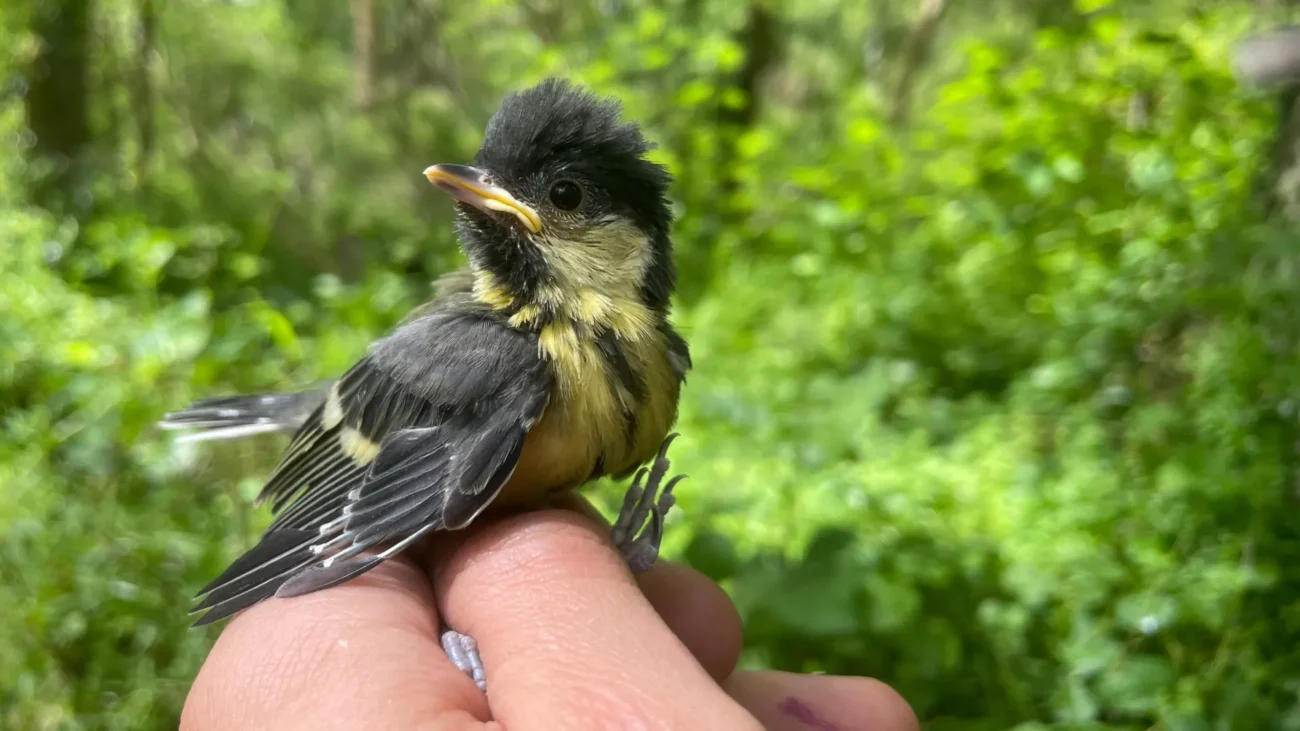
A groundbreaking study released on March 11th by the University of Oxford has unveiled a stark reality for the United Kingdom’s great tit population: sudden cold snaps and periods of heavy rainfall are significantly jeopardizing the survival and development of young birds. Conversely, the research, which draws upon an unprecedented six decades of data, suggests that great tits that initiate their breeding efforts earlier in the spring may possess a vital advantage in mitigating the detrimental impacts of these increasingly volatile weather patterns.
A Long-Term Perspective on Avian Vulnerability
The findings stem from an exceptionally comprehensive dataset meticulously collected over 60 years within Oxford’s renowned Wytham Woods. Scientists have painstakingly analyzed records pertaining to more than 80,000 individual wild great tits, cross-referencing this biological data with detailed daily meteorological records. This extensive longitudinal study allowed researchers to pinpoint the coldest, wettest, and hottest days within each breeding season. By correlating these extreme weather events with critical stages of chick development, the team was able to quantify their influence on fledging mass – a key indicator of a young bird’s likelihood of surviving to adulthood.
The research, published in a leading scientific journal, represents a significant advancement in our understanding of how climate change-induced weather volatility affects avian populations. Previous studies have often been limited by shorter timeframes or less granular data, making it challenging to discern long-term trends and the specific impacts of weather extremes. The Oxford study’s duration and scope provide a robust foundation for drawing definitive conclusions about the vulnerability of young great tits.
The Harsh Realities of Cold and Deluge for Nestlings
The study’s revelations underscore a critical vulnerability during the early stages of a great tit’s life. Severe cold spells occurring within the first week after hatching were identified as particularly detrimental. This is a period when newly hatched chicks are entirely dependent on their parents for warmth and sustenance, possessing minimal ability to regulate their own body temperature due to their lack of developed feathers. During these frigid periods, chicks are forced to expend a significant portion of their limited energy reserves simply to maintain a core body temperature, diverting crucial resources away from growth and development.
As the chicks mature, the threat profile shifts, with heavy rainfall emerging as a more significant impediment. Both extreme cold and prolonged heavy rain were found to reduce fledging mass by as much as 3%. This seemingly small reduction can have profound consequences for a young bird’s ability to survive its first year, facing challenges such as predation, disease, and the need to find sufficient food.
The impact of weather extremes is amplified when they occur in combination. The study highlights a particularly damaging scenario where intense heat coincides with heavy rainfall. In such instances, fledging mass can plummet by an alarming 27%, with the most severe consequences observed in broods that hatch later in the breeding season. This synergistic effect of multiple stressors creates a challenging environment for survival.
Early Breeding: A Strategic Advantage in a Changing Climate
Dr. Devi Satarkar, the lead researcher from the University of Oxford’s Department of Biology, explained the critical role of early breeding. "In the Wytham population, great tits have adjusted to warmer springs by breeding earlier to track peak abundance of their main prey, caterpillars," she stated. "This overall earlier laying is beneficial, buffering them against many impacts of extreme weather – but it also exposes them to cold spells early in the season. Even small early-life deficits can have large implications for survival. It will only get tougher for birds to keep up as extreme weather increases in frequency and intensity with climate change."
This adaptive behavior, while offering a protective mechanism against some weather-related challenges, also presents a trade-off. By nesting earlier, great tits may encounter colder conditions that are detrimental to their young. However, the overall benefits of aligning breeding with peak food availability appear to outweigh these risks in many instances.
The implications of this finding are significant for conservation efforts. Understanding the drivers behind adaptive behaviors, such as earlier breeding, is crucial for predicting how species will respond to ongoing climate change. It also suggests that interventions aimed at supporting bird populations might need to consider factors that influence the timing of breeding, beyond just direct food provision.
The Mechanistic Impact of Weather on Young Birds
The physiological and ecological reasons behind the observed weather impacts are multifaceted. For hatchlings, the lack of mature plumage means they are essentially "cold-blooded" in their early days, relying on external heat sources. During cold spells, the thermoregulatory demands are immense, diverting energy that would otherwise fuel rapid growth.
Furthermore, adverse weather conditions directly affect the food supply. Extreme cold and heavy rainfall can deter parent birds from leaving the safety of the nest to forage. This reduced foraging activity means fewer meals reach the hungry chicks. Simultaneously, heavy rainfall can dislodge caterpillars from their perches on plants, effectively washing away a primary food source. Caterpillars are a vital source of protein and energy for growing nestlings, and their reduced availability during these periods creates a critical nutritional deficit.
An Unexpected Twist: Mild Heat’s Potential Boon
In a fascinating counterpoint to the negative impacts of cold and rain, the study revealed an unexpected positive correlation between warmer extreme temperatures and heavier fledging weights. While extreme heat is often associated with heat stress and dehydration, the warmer periods observed in Oxfordshire were characterized as relatively mild, particularly when compared to the scorching temperatures experienced in southern Europe.
Dr. Satarkar elaborated on this phenomenon: "Extreme weather events are affecting wild bird populations in complex ways. The level of warmth we see in these heat extremes in Oxfordshire might boost growth because it can increase insect activity and visibility – making caterpillars easier to find – while letting parents forage more and reducing nestlings’ thermoregulatory costs. The high water content in caterpillars also helps against dehydration. This contrasts sharply with hotter regions like the Mediterranean, where similar events can exceed 35°C and harm nestlings."
This finding highlights the nuanced relationship between temperature and avian well-being. What might be detrimental in one climatic context can be beneficial in another, depending on the intensity of the event and the physiological adaptations of the species. The increased insect activity driven by mild warmth can lead to a more abundant and accessible food supply for foraging parents, and consequently, for their chicks. The high water content of caterpillars also plays a crucial role in preventing dehydration during warmer spells, a factor often overlooked in discussions of heat stress.
The Advantage of Proactive Nesting
The study’s findings strongly suggest that broods hatching earlier in the spring are generally better positioned to capitalize on favorable conditions. These early nests often coincide with periods of peak caterpillar abundance and temperatures that, while warmer, remain within a safe range for thermoregulation. This alignment allows young birds to grow robustly and accumulate the necessary reserves for survival.
In stark contrast, birds that nest later in the season face a more challenging environment. Even when experiencing similar ambient temperatures to their earlier-nesting counterparts (around 16-17°C), their fledglings tend to be approximately one-third lighter. This difference underscores the cumulative impact of environmental conditions throughout the nesting period.
Over the long term, the study indicates that extreme cold and rainfall subtly diminish the probability of young birds surviving to adulthood. Conversely, warmer extremes, within the observed range, can exert a small but positive influence on survival rates. The overarching conclusion is that commencing breeding earlier within the seasonal cycle appears to offer a substantial shield for a significant portion of the great tit population against the most severe repercussions of unpredictable weather.
Implications for Conservation in a Warming World
The intensification of extreme weather events due to climate change presents a pressing challenge for wildlife conservation. The Oxford study emphasizes the critical need for detailed monitoring of localized environmental conditions, including microclimates and variations in habitat. This granular understanding is essential for developing effective conservation strategies.
For instance, insights from such research can inform decisions regarding the optimal placement of nest boxes to provide shelter from adverse weather, or guide woodland management practices to enhance food availability and reduce exposure to extreme conditions during vulnerable developmental stages. The study’s findings provide a compelling argument for adaptive conservation approaches that acknowledge the complex interplay between climate, weather, and species survival.
Looking ahead, the researchers at the University of Oxford plan to continue their long-term monitoring of the great tit population in Wytham Woods. A key area of future investigation will be to assess how the observed weather effects might evolve as global temperatures continue to rise. A particularly pertinent question is whether heatwaves that are currently considered moderate could eventually cross a threshold and become detrimental to chick survival, mirroring the impacts seen in hotter regions. This ongoing research is vital for anticipating future challenges and developing proactive conservation measures to protect vulnerable species in an ever-changing environment. The long-term study provides an invaluable baseline for understanding the trajectory of these impacts and informing future ecological management strategies.

