


By Diane Burroughs
Published On: Dec 27, 2025
Last updated on: Feb 08, 2026
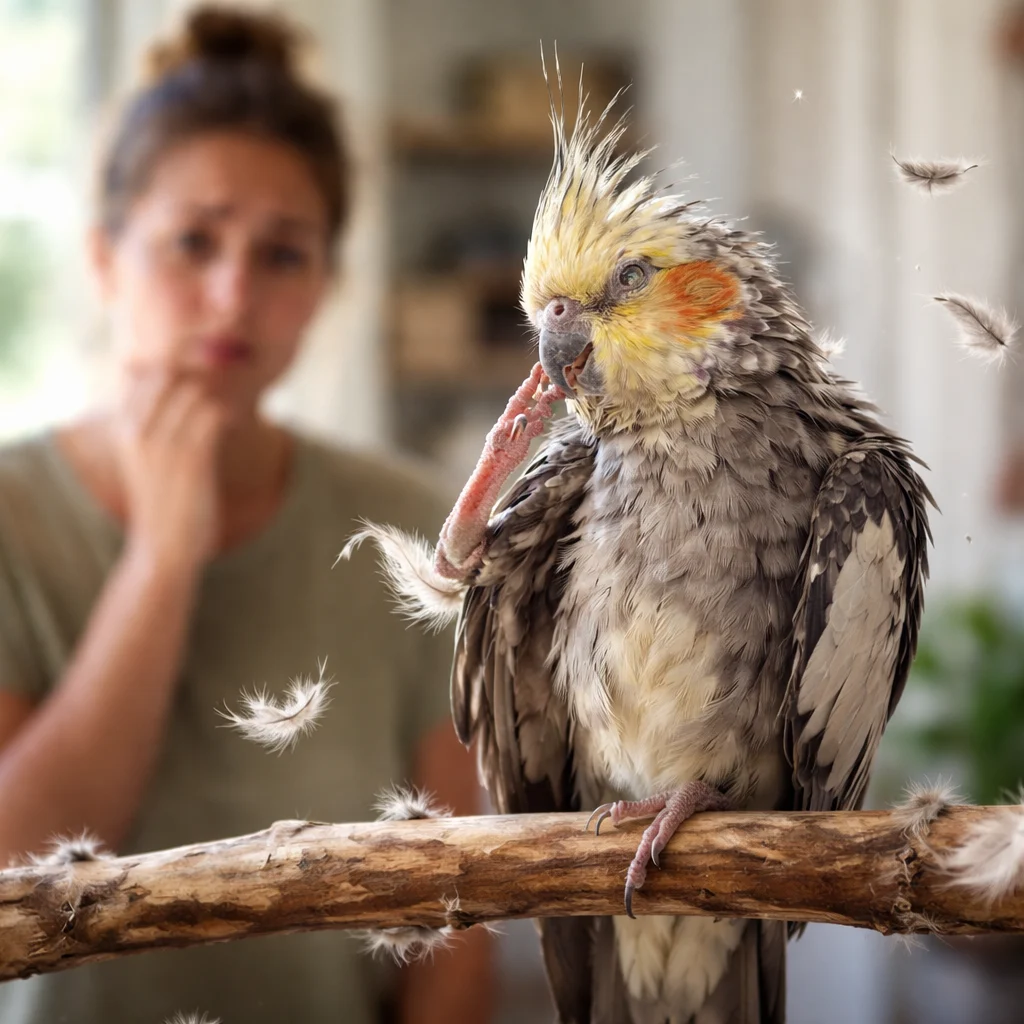
For bird owners, observing changes in their avian companion’s plumage can often be a source of concern. The natural process of molting, where birds shed old feathers to grow new ones, is a vital physiological event ensuring healthy flight and insulation. However, distinguishing this normal "resetting" from potentially serious issues like behavioral feather plucking or underlying medical conditions is paramount for maintaining a bird’s well-being. This guide provides an in-depth framework for identifying the nuances between these phenomena, offering actionable insights for responsible avian care.
Understanding the Avian Molting Cycle: A Biological Imperative
Molting is a complex, hormonally regulated process essential for a bird’s survival. Feathers, made of keratin, are dead structures that wear down over time due to environmental exposure, preening, and daily activities. Regular replacement ensures the integrity of the bird’s plumage for thermoregulation, flight, protection, and camouflage.
The timing and duration of molts vary significantly across species, influenced by factors such as age, season, diet, and reproductive cycles. Most psittacine species (parrots) undergo an annual complete molt, typically after the breeding season, lasting anywhere from a few weeks to several months. Juvenile birds experience a "juvenile molt" as they replace their softer downy feathers with adult plumage. During a molt, old feathers are shed symmetrically and gradually, preventing large gaps that would impair flight or expose the bird to the elements. This synchronized shedding ensures a continuous protective barrier.
The physiological demands during molting are substantial. Growing new feathers requires a significant investment of energy and specific nutrients, particularly protein, amino acids (like methionine and cysteine), vitamins (especially biotin and Vitamin A), and minerals (calcium, zinc). A bird’s metabolic rate can increase by up to 30% during this period. Consequently, birds undergoing a heavy molt may exhibit temporary changes in behavior, such as increased lethargy, irritability, or a reduced appetite, as their bodies divert resources towards feather production.
The Alarming Reality of Feather Plucking: Causes and Consequences
In stark contrast to natural molting, feather plucking is a self-inflicted behavior where a bird damages or removes its own feathers. This destructive habit can range from mild feather chewing to severe denuding of large body areas, often excluding the head, which the bird cannot reach. Feather plucking is a common and distressing issue in captive birds, particularly parrots, with prevalence rates estimated to be as high as 10-15% in some populations.
The causes of feather plucking are multifactorial and can be broadly categorized into medical, environmental, nutritional, and psychological/behavioral issues. A comprehensive diagnostic approach is crucial, often requiring the expertise of an avian veterinarian.
- Medical Causes: These can include bacterial, fungal, or parasitic infections (e.g., Giardia, feather mites), internal organ diseases (liver disease, kidney disease), endocrine disorders (hypothyroidism), allergies, heavy metal toxicity, PBFD (Psittacine Beak and Feather Disease), and even pain from underlying musculoskeletal issues or tumors. Any condition causing discomfort, itching, or systemic illness can manifest as feather plucking.
- Environmental Factors: Inadequate humidity, lack of exposure to natural light (UVB), exposure to irritants (cigarette smoke, air fresheners), insufficient cage size, lack of enrichment, or an inconsistent daily routine can all contribute to stress and lead to plucking.
- Nutritional Deficiencies: A diet lacking essential amino acids, fatty acids (omega-3 and omega-6), vitamins, or minerals can compromise feather quality, making them brittle, dull, or itchy, thereby prompting plucking. Malnutrition can also lead to systemic health issues that secondarily cause feather destruction.
- Psychological/Behavioral Issues: Chronic stress, anxiety, boredom, loneliness, sexual frustration, phobias, or a lack of mental stimulation are significant drivers of plucking. Birds are highly intelligent and social creatures; an impoverished environment or insufficient interaction can lead to maladaptive coping mechanisms, with plucking being a common manifestation. Some birds may also develop plucking as an attention-seeking behavior.
The consequences of chronic feather plucking extend beyond aesthetics. It can lead to skin irritation, open sores, secondary bacterial or fungal infections, and even systemic illness. Persistent plucking can damage feather follicles, leading to permanent baldness or abnormal feather growth, compromising the bird’s ability to fly and regulate its body temperature.
Diagnostic Framework: Molt vs. Pluck – Visual Cues and Expert Verdict
Differentiating between a normal molt and problematic plucking requires careful observation of specific visual cues. The table below, enhanced with detailed explanations, serves as a quick guide for bird owners.
| What You See… | Expert Verdict

