


The question of whether pet birds benefit from antioxidant support, particularly during periods of elevated physiological stress such as molting, aging, hormonal cycles, routine changes, or restricted dietary variety, is a frequent topic of discussion among avian enthusiasts and professionals alike. While the short answer often points to "sometimes – in the right situations, and always as part of a larger nutritional framework," a deeper understanding reveals the nuanced role antioxidants play in maintaining avian health and resilience. Antioxidant support is not a daily necessity for every bird, but rather a targeted intervention designed to bolster normal cellular function when a bird’s metabolic demands are higher than usual. This approach moves beyond fads and miracle claims, offering context and evidence-based insights into managing oxidative stress in captive avian populations.
The instinct among dedicated bird owners to support long-term wellness without resorting to over-supplementation is commendable and reflects a growing awareness of avian physiological needs. These inquiries often arise when owners observe subtle shifts in their bird’s demeanor or physical condition – a bird that isn’t overtly sick but appears more taxed by life’s everyday demands. This article aims to demystify oxidative stress, explain the fundamental role of antioxidants, identify specific scenarios where additional support can be beneficial, and highlight situations where it may be unnecessary. It also emphasizes the critical importance of integrating such support within a holistic approach to avian care, which includes a balanced diet, consistent routines, environmental enrichment, and appropriate veterinary oversight.
The Inevitable Reality of Oxidative Stress in Avian Physiology
Oxidative stress is an intrinsic part of being alive for all aerobic organisms, including birds. It is a natural consequence of essential metabolic processes such as respiration, food metabolism, and energy production. As birds eat, breathe, move, grow new feathers, and engage in their daily activities, their bodies continuously generate byproducts, including highly reactive molecules known as free radicals. These free radicals are atoms or groups of atoms with an odd (unpaired) number of electrons, making them unstable and eager to react with other molecules in the body to achieve stability. This quest for stability can lead to cellular damage if not properly managed.
Antioxidants are crucial nutrients that help the body maintain a delicate balance by neutralizing these free radicals. They donate an electron to the free radical without becoming unstable themselves, effectively disarming them and preventing a chain reaction of cellular damage. It is important to understand that antioxidants do not halt oxidative processes entirely, as these are vital for life; rather, they enable the body to manage them efficiently and maintain cellular integrity. A diverse array of nutritious, plant-based foods naturally provides a wide spectrum of antioxidants, working synergistically with other essential nutrients to support overall physiological function.
Birds possess a remarkably high metabolic rate, a physiological adaptation that powers their dynamic personalities, rapid flight, and energetic behaviors. This elevated metabolism, while conferring many advantages, also means their bodies are constantly working at a high intensity, inherently generating more metabolic byproducts and increasing their susceptibility to oxidative stress. Over time, consistent antioxidant support, primarily through a nutrient-rich diet, plays a significant role in helping the avian body function smoothly, supporting physical condition, immune response, and the bird’s capacity to handle everyday stressors.
Understanding the Persistent Inquiry: Why Antioxidants Matter to Bird Owners
The recurring nature of questions surrounding antioxidants in avian care forums and communities underscores a proactive and conscientious approach by pet bird owners. Most individuals seeking information about antioxidants are already implementing many best practices in their bird’s care regime. They typically provide high-quality pelleted diets, offer a variety of fresh plant-based foods, maintain consistent routines, and meticulously observe their bird’s patterns and behaviors over time. These owners are generally not driven by fleeting trends or the pursuit of quick fixes. Instead, their motivation stems from a genuine desire to make thoughtful, informed choices that enhance their bird’s well-being without falling prey to overwhelming or unsubstantiated claims. This responsible approach highlights a shift towards preventative care and long-term health management in the pet bird community.
Everyday Oxidative Load: The Unique Challenges of Captivity
Even well-cared-for parrots in domestic settings experience an oxidative load that is markedly different from their wild counterparts. The transition from a natural environment to a captive one introduces a host of factors that can incrementally add to a bird’s metabolic workload and oxidative stress over time. These include:
- Indoor Air Quality: Enclosed environments can expose birds to various pollutants from cleaning products, cooking fumes, dust, and particulate matter, which can increase respiratory effort and systemic oxidative stress.
- Artificial Lighting: The quality and duration of artificial lighting often differ significantly from natural sunlight, impacting circadian rhythms, hormone production, and overall physiological balance.
- Limited Foraging Variety: Wild birds spend a substantial portion of their day foraging for a diverse array of plant materials, seeds, fruits, and insects, providing a broad spectrum of naturally occurring antioxidants and other micronutrients. Captive diets, even well-intentioned ones, often lack this unparalleled diversity.
- Processed Foods: While commercial pellets offer balanced nutrition, some processed ingredients or manufacturing methods might alter nutrient bioavailability or introduce compounds that the body needs to work harder to metabolize.
- Routine Changes and Social Stress: Birds are creatures of habit. Changes in their environment, human schedules, introduction of new pets, or even perceived social threats can trigger stress responses, elevating cortisol levels and increasing metabolic demands.
- Psychological Stress: Boredom, lack of enrichment, or inadequate social interaction can lead to chronic stress, which has documented physiological impacts, including increased oxidative stress.
It is crucial to emphasize that these factors do not imply "bad care." Rather, they represent normal demands placed on a bird’s body within a captive environment. The key lies in understanding these demands and proactively supporting the bird’s physiology through comprehensive nutrition and thoughtful management practices. Good nutrition, in particular, plays an indispensable role in how effectively birds cope with these demands, recover from stressors, and ultimately thrive in the long term.
Identifying Periods Where Targeted Antioxidant Support Becomes Critical
The nervous system, which profoundly influences mood and behavior, is intricately fueled by a complex interplay of nutrients and plant compounds, extending beyond mere caloric intake. Amino acids, specific plant compounds, and calming herbs all exert their effects through this fundamental body-brain connection. Similarly, antioxidants contribute to this systemic support by protecting neurological tissues from oxidative damage, thereby indirectly influencing overall disposition and resilience. Certain periods in a bird’s life or specific environmental conditions significantly amplify metabolic demands, making targeted antioxidant support particularly beneficial:
- Molting: The process of feather production is extraordinarily nutrient-intensive, requiring substantial energy, protein, and micronutrients. Even birds on optimal diets can experience increased oxidative stress during this period due to the immense cellular turnover and synthetic activity involved in growing thousands of new feathers. Antioxidants help protect the rapidly dividing cells and support the integrity of new feather growth.
- Aging: As birds age, their cellular repair mechanisms can become less efficient, and their immune systems may weaken. Older birds and rescue birds, often with unknown histories or pre-existing conditions, frequently exhibit a reduced capacity to recover from stress and adapt to change. Antioxidant support can help mitigate age-related oxidative damage, support cellular health, and potentially enhance overall vitality.
- Dietary Limitations: While fresh foods are abundant sources of natural antioxidants, many pet birds do not consistently consume a sufficiently wide variety to meet all their needs. Picky eaters, birds with established preferences, or those whose owners struggle to provide diverse fresh produce might benefit from supplemental antioxidant sources to bridge nutritional gaps.
- Hormonal or Seasonal Shifts: Changes in photoperiod (light exposure), sleep patterns, and reproductive cycles can trigger significant physiological and behavioral changes. These shifts can increase metabolic demand, elevate stress hormones, and consequently raise the body’s need for antioxidant defenses.
- Environmental or Emotional Stress: Acute or chronic stressors such as routine changes, excessive noise, travel, rehoming, or social disruptions (e.g., introduction of new birds, loss of a companion) can significantly elevate nutrient requirements. The body’s stress response involves increased metabolic activity and inflammation, both of which generate free radicals. Antioxidants can help buffer the physiological impact of these stressors.
It is crucial to distinguish what antioxidant support is and isn’t. It is a straightforward method to provide the body with additional assistance during normal periods of stress, not by overhauling an entire regimen, but by intelligently adding beneficial nutrients to existing food or water sources. It isn’t a panacea designed to "fix" behavioral issues or a replacement for foundational care elements. Instead, it functions synergistically with a balanced diet, consistent routines, ample enrichment, and essential veterinary care. Thinking of a varied, nutrient-rich diet as a protective "armor" against daily stressors is helpful. Incorporating plant-based nutritional supports like herbs, specific seeds, or antioxidant-rich toppers into a bird’s regular chop or diet can consistently build this defensive layer. Rotating these plant-based supports over time acts as a nutritional insurance policy, helping to address potential gaps before they manifest, thereby simplifying long-term care and promoting sustained well-being.
When Antioxidant Support May Be Unnecessary
While the benefits of targeted antioxidant support are clear during specific periods, it is equally important to recognize when such additional measures might not be immediately necessary. If a bird is consistently consuming a high-quality pelleted diet, a diverse array of fresh, plant-based foods, and is exhibiting its typical active and engaged behaviors, its foundational nutrition is likely robust. In such cases, the bird’s natural defense systems, bolstered by its diet, are probably sufficient to manage its daily oxidative load. Some bird owners, however, still opt to include gentle, rotating plant-based nutrition as an added layer of insurance, reflecting a proactive approach to long-term health.
Key indicators of a strong nutritional foundation and overall well-being include:
- Normal Appetite and Weight Maintenance: Consistent eating habits and stable body weight are primary signs of good health and adequate nutrient intake.
- Consistent Activity Levels: A bird that is regularly active, playful, and engaging with its environment demonstrates good energy levels and overall vitality.
- Healthy Feather Condition: Feathers that are vibrant, well-formed, and appropriate for the season suggest efficient nutrient utilization and healthy molting cycles.
- Relaxed and Positive Engagement: A bird that interacts with its family members in a calm, curious, and positive manner, without excessive aggression, fear, or lethargy, indicates good psychological and physical health.
It’s vital to remember that birds are not inherently designed to require a plethora of synthetic extras to thrive. The bedrock of avian health often rests on high-quality commercial pellets, simple yet diverse plant-based nutrition, and consistent care. These fundamental elements frequently contribute more significantly to a bird’s health than heavily processed supplements, particularly those with ingredient lists resembling a chemical formula rather than natural food components. The emphasis should always be on whole, natural foods first.
Common Missteps in Administering Avian Nutritional Support
Even with the best intentions, bird owners can make certain mistakes when attempting to enhance their pet’s diet, often stemming from a deep desire to provide optimal care.
One of the most prevalent errors is changing too many variables simultaneously. When diet, lighting schedules, daily routines, and multiple supplements are all altered at the same time, it becomes virtually impossible to ascertain which specific intervention yielded positive effects or, conversely, induced stress. This lack of controlled experimentation hinders the ability to make informed decisions about ongoing care. A methodical approach, introducing one change at a time and observing for a period, allows for accurate assessment of its impact.
Another common pitfall is adopting advice without adequate context. Online bird communities and forums are invaluable for sharing experiences and anecdotal evidence. However, generalized advice, no matter how well-intentioned, cannot substitute for an understanding of the individual bird’s unique needs, health status, species-specific requirements, and environmental context. What proves beneficial for one bird might be entirely superfluous or even detrimental to another simply because their physiological states or life circumstances differ. Consulting with an avian veterinarian or a certified avian nutritionist is paramount for tailoring nutritional strategies to individual birds.
Antioxidant-Rich Foods for a Healthy Foundation
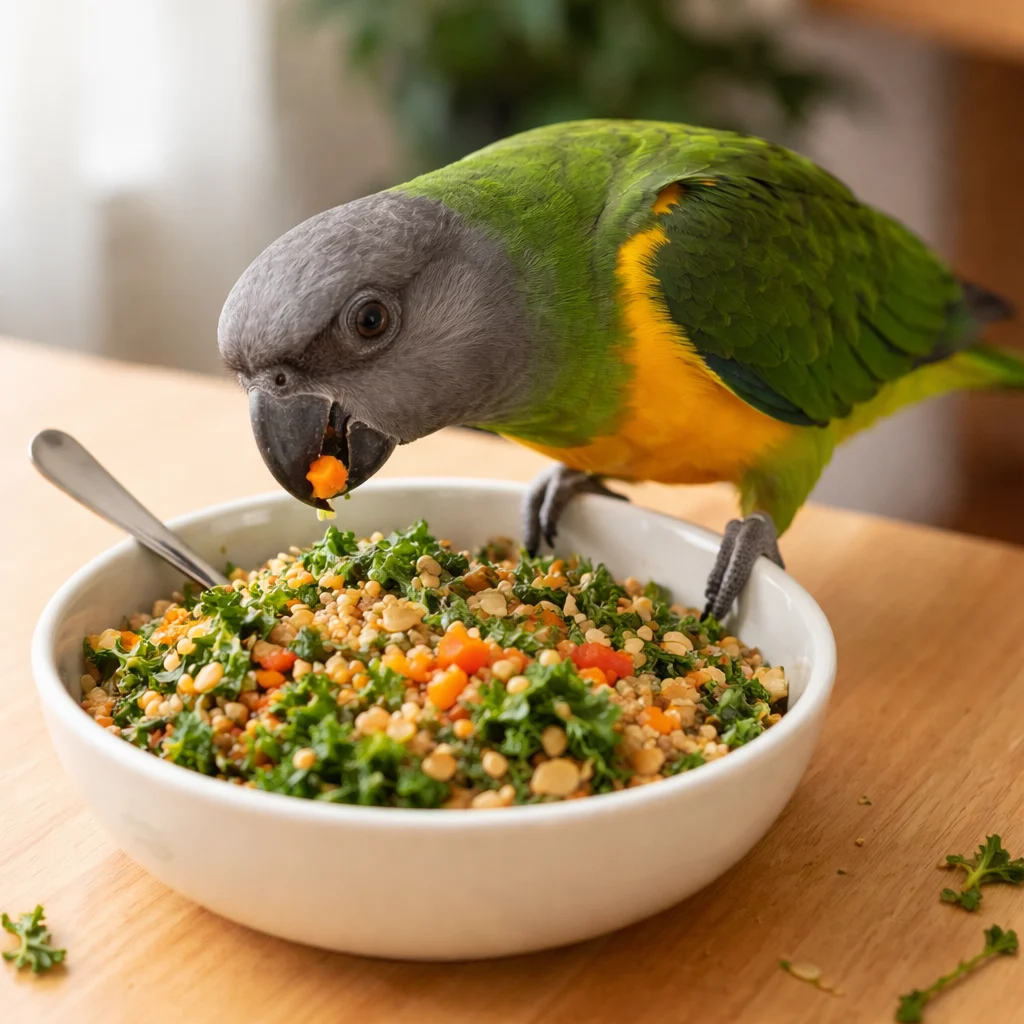
Building a diet rich in natural antioxidants is the most effective and safest way to support a bird’s resilience against oxidative stress. Many readily available plant-based foods offer a broad spectrum of these beneficial compounds:
- Dark Leafy Greens: Kale, spinach, collard greens, dandelion greens, and parsley are packed with vitamins A (as carotenoids), C, E, and various flavonoids.
- Colorful Fruits: Berries (blueberries, raspberries, cranberries), cherries, pomegranates, and citrus fruits are excellent sources of Vitamin C and anthocyanins.
- Vibrant Vegetables: Carrots, sweet potatoes, bell peppers (especially red and yellow), broccoli, and squash provide beta-carotene, Vitamin C, and other phytonutrients.
- Seeds and Nuts (in moderation): Sunflower seeds, flaxseeds, chia seeds, and walnuts offer Vitamin E, selenium, and omega-3 fatty acids, which have anti-inflammatory and antioxidant properties.
- Herbs and Spices: Turmeric, spirulina, cilantro, and oregano contain potent antioxidant compounds.
These foods, when offered as part of a varied daily diet, contribute significantly to a bird’s natural defense system, providing a robust nutritional foundation that often minimizes the need for synthetic supplements.
A Safe and Measured Approach to Avian Health
In the realm of bird health, simplicity, consistency, and a measured approach generally yield the best outcomes. Overcomplicating a bird’s diet or routine can introduce unnecessary stress and make it difficult to identify the root cause of any issues.
When considering the introduction of new antioxidant-rich foods or a targeted supplement, the principle of "start small and observe" is paramount. Introduce one new item or change at a time, in small quantities, and diligently monitor your bird for any alterations in appetite, the consistency or color of droppings, energy levels, and overall behavior. This allows for a clear assessment of the intervention’s impact and ensures that any adverse reactions can be promptly identified and addressed.
Crucially, knowing when to involve a professional is non-negotiable. While nutritional support plays a vital role in preventative care, it is never a substitute for veterinary diagnosis and treatment. Sudden and significant changes such as unexplained weight loss, pronounced lethargy, severe appetite changes, labored breathing, or dramatic shifts in behavior are unequivocal signs that an avian or exotic veterinarian must be contacted immediately. In these critical situations, adding supplements without a professional diagnosis can mask symptoms, delay appropriate medical intervention, and potentially worsen an underlying condition. An avian vet can provide a diagnosis, recommend appropriate treatment, and guide on any necessary dietary adjustments or targeted support.
Integrating Antioxidant Strategy into Real-Life Avian Care
Supporting a bird’s health effectively does not necessitate an overly complicated or perfectionist approach. Instead, it is the accumulation of small, consistent, and thoughtful choices that collectively contribute to profound long-term well-being. A solid, well-balanced everyday diet – primarily comprising high-quality pellets, supplemented with a diverse range of fresh, antioxidant-rich fruits, vegetables, and seeds – performs the majority of the "heavy lifting" in maintaining a bird’s health.
Thoughtful, rotating plant-based support, strategically introduced during periods of increased physiological demand or stress, can provide crucial additional assistance without leading to over-supplementation. This balanced approach ensures that birds receive the necessary nutrients to manage oxidative stress, bolster their immune systems, and sustain their vibrant health throughout their lives, adapting their care to their evolving needs.
Quick Recap: Key Takeaways for Avian Antioxidant Support
- Oxidative stress is a normal metabolic process in birds, necessitating antioxidant defenses.
- Antioxidants help neutralize free radicals, preventing cellular damage and supporting overall health.
- Targeted antioxidant support is beneficial during high-stress periods like molting, aging, hormonal shifts, and environmental changes.
- A diverse diet of fresh, plant-based foods is the primary source of natural antioxidants.
- Supplementation should be judicious and contextual, not a daily necessity for every bird.
- Avoid over-supplementation and making multiple changes simultaneously.
- Always consult an avian veterinarian for significant health concerns; supplements are not a cure.
- Consistent, thoughtful nutrition forms the bedrock of long-term avian wellness.
This comprehensive understanding empowers bird owners to make informed decisions, ensuring their cherished companions receive optimal care that supports their health, vitality, and longevity.
Written by Diane Burroughs, founder of BirdSupplies.com and UnRuffledRx™, with over 25 years of hands-on experience supporting parrot health, behavior, and nutrition through evidence-based care and practical routines used by real bird owners. This article is based on scientific principles and general avian nutritional guidelines and should not replace professional veterinary advice.
TAGS: #BirdCare #NaturalSupport #BirdFood #PetBirdNutrition #NaturalAntioxidantsForBirds
SHARING IS CARING! PLEASE SHARE ON YOUR FAVORITE SOCIAL MEDIA NOW!

