


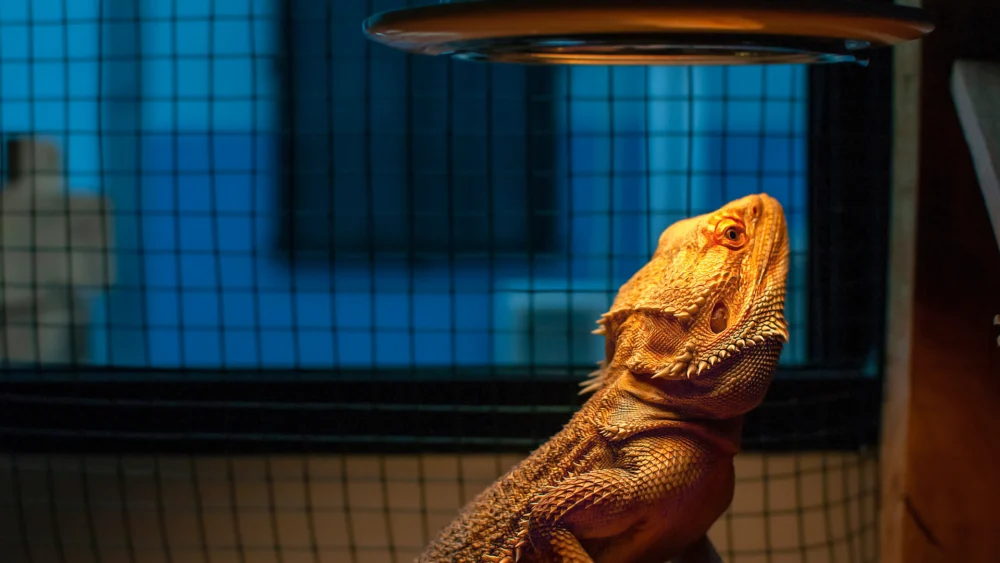
The evolving science of exotic animal husbandry has reached a critical turning point as veterinarians and researchers redefine the role of ultraviolet radiation in the health of captive species. For decades, ultraviolet B (UVB) lighting was considered a niche requirement reserved primarily for diurnal, sun-basking reptiles. However, according to Dr. Mark Mitchell, a Professor of Zoological Medicine at Louisiana State University, new evidence-based research suggests that a far wider array of species—including mammals, birds, and even fish—benefit significantly from regulated UVB exposure. This paradigm shift emphasizes a "dosing" approach to lighting, moving away from constant exposure toward a more clinical, measured application of radiation to ensure physiological health while minimizing the risks of overexposure.
The Spectrum of Life: Understanding Ultraviolet Radiation
To understand the necessity of specialized lighting, it is essential to distinguish between the various components of the electromagnetic spectrum. Lighting in a captive environment is often marketed as "full spectrum," a term intended to mimic the natural output of the sun by providing ultraviolet, visible, and infrared light. Within the ultraviolet range, radiation is categorized by wavelength: Ultraviolet A (UVA), Ultraviolet B (UVB), and Ultraviolet C (UVC).
UVA represents the longest rays (315–380 nanometers) and is often associated with "black light." While UVA is known to influence behavior and social signaling in various vertebrates, it does not play a role in vitamin D synthesis. UVC, the shortest wavelength (under 280 nanometers), is highly germicidal and is typically used for pathogen control in aquatic systems; it is generally filtered out by the Earth’s atmosphere and is not a standard component of healthy animal husbandry.
The primary focus of modern veterinary research is UVB (280–315 nanometers). This medium-range radiation is the catalyst for the photosynthetic conversion of 7-dehydrocholesterol to pre-vitamin D3 in the skin. This precursor is then converted into vitamin D3 through a temperature-dependent process. Once synthesized, the hormone travels to the liver for hydroxylation into 25-hydroxyvitamin D3, and finally to the kidneys, where it becomes 1,25-dihydroxyvitamin D3—the active form of the hormone. This biological pathway is essential for calcium metabolism, bone development, and reproductive success across a vast range of taxa.
Expanding the Scope: Beyond Diurnal Reptiles
One of the most significant developments in exotic medicine is the realization that UVB requirements are not limited to desert-dwelling lizards. Historically, snakes and crepuscular species—those active during dawn and dusk—were thought to obtain sufficient vitamin D through their diet or to have lower physiological needs. Dr. Mitchell’s research has dismantled these assumptions.
Clinical studies have shown that carnivorous reptiles, such as corn snakes, and crepuscular lizards, such as leopard geckos, show marked increases in circulating vitamin D concentrations after UVB exposure. Even more surprising is the data regarding exotic companion mammals. Rabbits, guinea pigs, and chinchillas—species traditionally kept indoors without supplemental UV—have demonstrated improved health markers when provided with UVB lighting.
In amphibians, studies on species like the oriental fire-bellied toad (Bombina orientalis) have shown that UVB provision affects not only skeletal structure and growth rates but also skin coloration. Perhaps most striking is the emerging research in ichthyology. Studies on Atlantic salmon and rainbow trout indicate that UVB exposure significantly stimulates the production of vitamin D3, suggesting that the "reptile-only" view of UV lighting is an outdated relic of early husbandry.
The Dosing Concept: A New Clinical Recommendation
Perhaps the most controversial and innovative aspect of Dr. Mitchell’s update is the move toward "dosing" UVB radiation. In the past, the standard recommendation was to leave UVB lights on for the duration of the animal’s 12-hour photoperiod. However, Dr. Mitchell argues that this may lead to unnecessary risks, including photokeratitis (inflammation of the cornea) and potential skin cancers such as squamous cell carcinoma.
"I am no longer worried about delivering these whomping doses," Dr. Mitchell noted, emphasizing that low-level exposure is often sufficient for vitamin D synthesis. His current clinical recommendation for most species is a restricted exposure time of no more than two hours of UVB lighting per day. This "pulsed" exposure mimics the periods of peak intensity in the wild while preventing the cumulative cellular damage associated with all-day artificial radiation.
Supporting data from a study on blue-tongued skinks (Tiliqua scincoides) illustrates the efficacy of this approach. The study found that skinks exposed to only two hours of UVB daily reached similar vitamin D levels to those exposed for 12 hours. Furthermore, once the UVB source was removed, it took four to seven months for the vitamin D levels to return to baseline, indicating that the body is highly efficient at storing and utilizing the hormone produced during short bursts of radiation.
Hardware and Husbandry: The Mechanics of Delivery
As the veterinary community moves toward more precise lighting protocols, the quality of commercial hardware has come under scrutiny. Dr. Mitchell warns that "not all bulbs are created equal." Even bulbs marketed as "full spectrum" can vary wildly in their actual UVB output.
There are three primary types of UVB-producing bulbs currently on the market:
- Fluorescent Tubes: The traditional standard, providing a wide area of coverage with relatively low heat.
- Compact Fluorescent Bulbs: Often criticized in hobbyist circles, yet Dr. Mitchell’s research indicates that high-quality 23-watt 5.0 compact bulbs can be highly effective for delivering necessary doses.
- Mercury Vapor Bulbs: These produce both significant heat and high levels of UVB. Dr. Mitchell recommends using these with caution, perhaps switching to incandescent heat lamps for the majority of the day and only utilizing the mercury vapor bulb for the designated "UVB dose" period.
A critical factor in delivery is the physical environment. UVB radiation is easily diffracted or blocked. Glass and most plastics filter out nearly 100% of UVB rays, meaning a light placed outside a glass terrarium is functionally useless for vitamin D synthesis. While fine mesh tops also diffract some light, they are generally considered the best compromise for safety and ventilation. Dr. Mitchell stresses the importance of using a radiometer or photometer to measure the actual microwatts per square centimeter reaching the animal’s basking spot, rather than relying on the manufacturer’s labels.
Risks and Adverse Effects: The "Sunburned" Reality
The title of Dr. Mitchell’s lecture, "Sunburned!", serves as a warning against the indiscriminate use of high-intensity lighting. While vitamin D deficiency (hypovitaminosis D) leads to metabolic bone disease and reproductive failure, overexposure carries its own suite of pathologies.
Photokeratitis is a painful condition observed in reptiles exposed to improper artificial UV sources. Symptoms include squinting, ocular discharge, and lethargy. In most cases, the condition resolves once the light source is removed or adjusted. More concerning is the potential for long-term tissue damage. Species like bearded dragons have shown susceptibility to squamous cell carcinoma, a form of skin cancer, which researchers believe may be linked to the high-intensity UV environments common in captive setups. By limiting exposure to two hours, clinicians hope to provide the physiological benefits of the sun without the carcinogenic costs.
Broader Impact and the Future of Exotic Medicine
The implications of this research extend far beyond the veterinarian’s office. For wildlife rehabilitators, the data reinforces the necessity of natural sunlight. For nestling birds like black-crowned night herons, Dr. Mitchell recommends periodic outdoor exposure—protected from predators and extreme heat—as the gold standard for developing healthy bone structures.
In the commercial sector, these findings may lead to a redesign of enclosure kits and a shift in how pet stores educate new owners. The "always-on" mentality of reptile lighting is being replaced by a more nuanced understanding of "photoperiod" versus "UVB dose."
The veterinary community continues to call for more species-specific data. While the "Ferguson Zones"—a system that categorizes reptiles based on their natural basking behaviors—provide a useful framework, Dr. Mitchell notes that they may not perfectly translate to endotherms like birds and mammals, which regulate their body temperatures and activities differently.
As the industry moves forward, the focus remains on evidence-based husbandry. "If you’re adamant about something… make sure you have evidence to back it up," Dr. Mitchell stated. With ongoing research into the vitamin D levels of everything from primates to Atlantic salmon, the future of exotic pet care is looking increasingly bright—provided that light is measured, timed, and medically justified. The goal is no longer just to keep these animals alive, but to allow them to thrive by mimicking the complex, rhythmic cycles of the natural world.

