


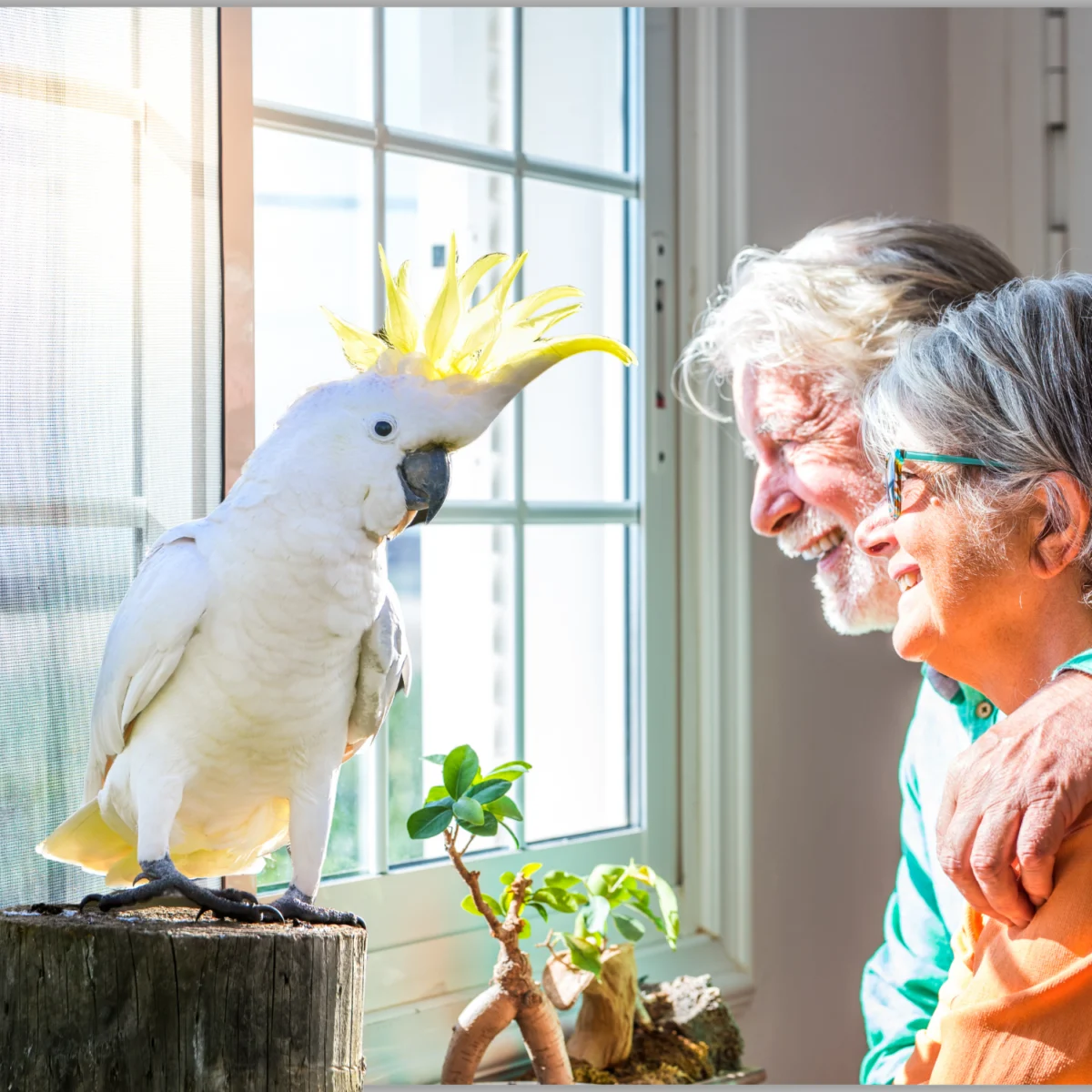
Parrots, renowned for their vibrant plumage, remarkable intelligence, and often striking vocalizations, present a unique commitment to their human companions due to their extraordinarily long lifespans. Unlike many common household pets, some parrot species can live for 30, 50, or even over 80 years, effectively becoming "legacy pets" that may outlive their initial owners. This longevity, while offering the potential for decades of profound companionship, simultaneously carries significant responsibilities that prospective and current owners must meticulously understand and plan for. Whether welcoming a fledgling into a home or providing comfort to a venerable senior bird, a comprehensive grasp of the factors influencing parrot longevity is paramount to ensuring their optimal health and welfare throughout their protracted lives. This extensive guide delves into the diverse lifespans across various parrot species, elucidates the critical elements necessary to support them at every developmental stage, and underscores the vital importance of planning for their future, potentially extending beyond an owner’s own lifetime. It also explores the distinct rewards and challenges inherent in adopting a senior parrot, offering insights to facilitate informed decisions for these feathered friends.
The Spectrum of Parrot Lifespans: A Species-Specific Overview
The notion that all parrots share a similar lifespan is a common misconception. Lifespan variability among psittacine species is considerable, dictated primarily by genetic predisposition, size, and metabolic rate. Smaller species, such as the widely cherished budgerigars (budgies), typically have a lifespan ranging from 7 to 15 years in captivity. In stark contrast, their larger relatives, including majestic macaws and sagacious African greys, can flourish for well over six decades, with some individuals surpassing the 80-year mark when provided with exemplary care. This significant disparity necessitates tailored care strategies and long-term planning.
Below is a comparative overview illustrating the average lifespans of various parrot species, highlighting the often extended longevity observed in captive environments compared to their wild counterparts, where factors like predation, disease, and resource scarcity significantly impact survival rates.
| Parrot Species | Average Lifespan (Wild) | Average Lifespan (Captivity) |
|---|---|---|
| Budgie Parakeet | 5-8 years | 7-15 years |
| Lovebirds | 10-15 years | 15-20 years |
| Quaker Parrot | 15-20 years | 20-30 years |
| Ringneck Parrot | 20-30 years | 25-35 years |
| Cockatiel | 10-15 years | 15-25 years |
| Senegal Parrot | 20-30 years | 25-40 years |
| Conure | 10-20 years | 20-30 years |
| Eclectus Parrot | 30-50 years | 40-50 years |
| Amazon Parrot | 30-50 years | 40-60 years |
| Grey Parrot (African) | 40-60 years | 50-80 years |
| Macaw | 50-80 years | 60-100 years |
Pillars of Avian Longevity: Essential Factors Influencing Parrot Health
Several critical factors converge to determine a parrot’s lifespan, particularly within a captive environment. Understanding and optimizing these elements are fundamental to fostering a long, healthy, and fulfilling life for these intelligent birds.
Genetic Predisposition and Species-Specific Characteristics
At the foundation of a parrot’s potential lifespan lies its genetic blueprint. Evolutionary biology has endowed different species with varying metabolic rates, growth patterns, and physiological resilience, directly influencing their inherent longevity. Larger parrots, such as macaws and African greys, possess a genetic makeup that supports a slower metabolic rate and a more robust physiological system, enabling them to live for many decades. Conversely, smaller species, despite receiving exceptional care, are genetically predisposed to shorter lifespans. While superior husbandry can allow a budgie to thrive and potentially exceed its average lifespan, it cannot fundamentally alter the species’ inherent biological limits compared to a macaw. Recognizing these genetic predispositions helps owners establish realistic expectations and plan accordingly.
The Indispensable Role of Diet and Nutrition
Nutrition stands as a paramount determinant of a parrot’s overall health and longevity. A well-balanced diet, rich in a diverse array of vitamins, minerals, proteins, and essential nutrients, is crucial for supporting robust organ function, a resilient immune system, and sustained vitality. Conversely, diets predominantly composed of seeds – which are typically high in fat and deficient in essential vitamins like Vitamin A and D, and minerals like calcium – predispose parrots to a host of debilitating health issues. These include obesity, malnutrition, hypovitaminosis A, fatty liver disease (hepatic lipidosis), kidney dysfunction, and atherosclerosis.
An optimal parrot diet should primarily consist of high-quality, commercially formulated pellets, which provide a balanced nutritional foundation. This should be supplemented daily with a wide variety of fresh vegetables (e.g., dark leafy greens, bell peppers, carrots, squash), controlled portions of fruits, and healthy fats (e.g., small amounts of nuts for larger species). Avoiding processed human foods, excessive sugar, and avocados (which are toxic to birds) is also critical. Proper nutrition not only acts as a preventative measure against disease but actively promotes longevity by equipping the bird’s physiological systems with the necessary resources to thrive and resist the ravages of time.
Proactive Veterinary Care and Disease Prevention
Regular access to specialized avian veterinary care is not merely beneficial but essential for maximizing a parrot’s lifespan. Parrots, as prey animals, possess an innate instinct to mask signs of illness, often concealing symptoms until a condition has progressed to a severe or even critical stage. Routine wellness examinations, ideally on an annual basis, enable experienced avian veterinarians to detect subtle changes in a bird’s health before they manifest as overt symptoms. These checkups typically involve a thorough physical examination, weight monitoring, fecal analysis, and sometimes blood work to screen for underlying conditions, nutritional deficiencies, or early signs of organ dysfunction.
Early diagnosis and prompt treatment of infections, metabolic disorders, or nutritional imbalances can significantly extend a parrot’s life and improve its quality of life. Furthermore, avian vets provide invaluable guidance on species-specific nutrition, behavioral enrichment, and preventive care strategies, including appropriate vaccinations where available. This proactive approach to healthcare transcends mere illness treatment; it is a fundamental investment in a parrot’s long-term health and overall well-being.
Environmental Enrichment and Mental Stimulation
Parrots are highly intelligent and cognitively complex creatures, thriving on mental challenges and rich environmental stimuli. In their natural habitats, they spend a significant portion of their day foraging for food, solving problems, engaging in social interactions within their flock, and navigating complex arboreal environments. In captivity, a lack of adequate mental stimulation can lead to chronic boredom, stress, and the development of severe behavioral pathologies. These can include destructive behaviors such as feather plucking (psittacine self-mutilation), excessive screaming, aggression, or even self-mutilation, all of which can severely compromise a bird’s physical health and shorten its lifespan.
To mitigate boredom and promote psychological well-being, owners must provide a dynamic and varied environment. This includes offering a rotating assortment of engaging toys, such as foraging puzzles that require problem-solving to access treats, shreddable materials for natural chewing behaviors, and interactive play items. Training sessions, even for simple tricks, target training, or recall, challenge their intellect and strengthen the human-animal bond. Social interaction is equally vital; consistent one-on-one time with owners, supervised interaction with other compatible birds, or simply being integrated into daily household activities contributes significantly to a parrot’s mental acuity and emotional fulfillment. A mentally stimulated and socially engaged parrot is demonstrably healthier and happier, contributing directly to a longer, more vibrant life.
Physical Activity and Habitat Design
Regular physical exercise is another cornerstone of parrot longevity. Wild parrots are incredibly active, engaging in extensive flights, agile climbing, and vigorous foraging activities that maintain their physical conditioning. In a captive setting, restricted movement can lead to a sedentary lifestyle, resulting in obesity, muscle atrophy, compromised cardiovascular health, and debilitating joint issues, all of which can markedly reduce a bird’s lifespan.
Owners should actively encourage flight, whether through supervised free flight in a safe, bird-proofed indoor space or through controlled flight training. For birds that cannot fly, providing climbing gyms, sturdy swings, and a variety of interactive perches encourages movement and muscle engagement. Even simple activities like flapping exercises while perched, supervised roaming outside the cage, or playing with foot toys contribute to daily physical activity. Cage design is also critical: providing the largest possible cage, allowing for full wing extension and short flights, is ideal. A diverse array of perches, varying in size, material, and texture (e.g., natural branches, rope perches, concrete perches), promotes foot health, prevents pressure sores (bumblefoot), and strengthens leg muscles. Furthermore, providing full-spectrum UV lighting, mimicking natural sunlight, is crucial for Vitamin D synthesis and overall physiological health, including calcium metabolism and immune function. A physically active parrot not only maintains better health but is also less susceptible to stress-related behavioral issues.
Navigating the Life Stages: From Juvenile to Geriatric Care
A parrot’s needs evolve significantly throughout its long life, requiring adaptable care strategies from its youthful exuberance to its dignified senior years.
Caring for Juvenile and Adult Parrots
During their juvenile years, parrots require consistent socialization, positive reinforcement training, and a secure environment to develop into well-adjusted adults. This period is crucial for establishing good habits, preventing behavioral problems, and strengthening the bond with their human family. Adult parrots, typically between 5 and 40 years depending on the species, require sustained attention to diet, exercise, and mental enrichment. Routine annual veterinary check-ups remain critical for monitoring health and catching any nascent issues. Consistency in routine, a stable environment, and ongoing opportunities for learning and play are vital for maintaining their physical and psychological well-being.
Recognizing and Caring for Senior Parrots
As parrots enter their golden years, typically from 30-40 years onward for larger species, their physical and behavioral needs shift. Recognizing the signs of aging allows owners to implement targeted care adjustments to ensure comfort and dignity. Common indicators of aging include:
- Decreased Energy and Activity: Older birds may nap more frequently, move with less agility, and exhibit reduced enthusiasm for climbing or flying.
- Feather Condition Changes: Feathers may appear duller, molting cycles might slow, or minor feather loss could occur.
- Musculoskeletal Issues: Arthritis is common, leading to stiffness, difficulty perching, or a reluctance to step up. Feet may become tender, and grip strength can diminish.
- Sensory Decline: Vision and hearing may deteriorate, making navigation challenging. Older birds might be less responsive to visual cues or hesitant due to impaired depth perception. Cataracts can also develop.
- Beak and Nail Overgrowth: Brittle nails and overgrown beaks are frequent, necessitating more regular professional grooming.
- Immune System Weakening: Senior parrots are often more susceptible to infections and chronic diseases.
- Metabolic Changes: Digestion may become less efficient, and nutrient absorption can decline.
Caring for a senior parrot involves making thoughtful modifications to their environment and care routine. Providing easy-to-access perches, such as softer rope or platform perches, can alleviate pressure on arthritic feet. Lowering food and water bowls, and introducing ramps or ladders, can aid birds with mobility challenges. Increased warmth and reduced drafts are often appreciated.
Nutrition for senior birds also requires careful consideration. Diets may need to be adjusted to be more easily digestible and nutrient-dense, potentially incorporating supplements tailored for joint health (e.g., glucosamine) or brain function (e.g., omega-3 fatty acids). Hydration is crucial, as older birds can be prone to dehydration. More frequent veterinary check-ups (e.g., semi-annually) are advisable to monitor for age-related conditions and manage any emerging health issues proactively. With these adjustments, senior parrots can continue to enjoy a high quality of life in their twilight years.
The Ethical Imperative: Planning for Your Parrot’s Future
The extraordinary longevity of parrots presents a profound ethical responsibility for owners, particularly regarding their future care. It is not uncommon for parrots to outlive their human companions, necessitating meticulous planning to ensure their continued well-being.
Why Estate Planning for Parrots is Crucial
The failure to plan for a parrot’s future can lead to devastating consequences for the bird, including rehoming into potentially unstable environments, neglect, or placement in overwhelmed rescue facilities. Estate planning for long-lived pets, therefore, is not merely advisable but ethically imperative. It provides peace of mind for the owner and, more importantly, secures a stable and loving future for the parrot.
Setting Up a Care Plan: Legal and Practical Considerations
Several avenues exist for formalizing a parrot’s future care:
- Designating a Trusted Caregiver in a Will: While simple, this method has limitations. A will dictates who inherits the parrot but doesn’t legally bind the inheritor to provide specific care or allocate funds for that care.
- Pet Trusts: A more robust and legally binding option is establishing a pet trust. This legal instrument allows an owner to set aside funds specifically for the bird’s care and designate a trustee to oversee these funds and a caregiver to provide daily care. The trust can stipulate detailed instructions regarding diet, veterinary care, enrichment, and living arrangements, ensuring the bird’s specific needs are met. This offers the highest level of protection and long-term security.
- Formal Agreements with Sanctuary or Rescue Organizations: Some specialized parrot rescue organizations offer programs where owners can pre-arrange for their bird’s placement in the event of their incapacitation or death. This often involves a financial contribution to the organization to cover the bird’s lifelong care.
Regardless of the chosen method, clear communication with all involved parties (potential caregivers, trustees, legal advisors) is essential to ensure everyone understands their roles and responsibilities.
Adoption vs. Buying: A Conscientious Decision
The decision of whether to adopt an older parrot or acquire a baby bird is multifaceted and requires careful introspection, especially concerning an individual’s age and long-term capacity.
Adopting an Older Parrot: A Path of Compassion and Responsibility
For individuals who are older or who recognize that they may not be able to commit to the multi-decade lifespan of a young large parrot, adopting a senior or adult bird can be an incredibly rewarding and responsible choice. Many older parrots find themselves in need of new homes due to owner incapacitation, lifestyle changes, or simply being misunderstood. These birds often come with established personalities, may already be hand-tamed or trained, and their behavioral quirks are generally known, potentially simplifying the transition compared to the intensive effort required to raise a baby. Adopting an older bird offers a second chance at a loving home and directly addresses the significant challenge of parrot overpopulation in rescue centers.
Acquiring a Baby Parrot: The Ultimate Lifelong Commitment
Conversely, bringing home a baby parrot entails an immense commitment. Young parrots require intensive care, consistent training, and extensive socialization during their formative years to develop into well-adjusted and confident companions. They navigate challenging developmental stages, including a potentially hormonal and testing adolescence. Owners must be prepared for a lifelong journey of learning, patience, and adaptation. If choosing a young bird, it is absolutely crucial to have a comprehensive, legally sound long-term care plan in place, explicitly naming a guardian and allocating resources for the bird in the event it outlives its primary owner.
Critical Considerations Before Bringing a Parrot Home
Bringing any parrot into a home is a decision that should never be taken lightly. The extreme longevity of many species means committing to decades of daily care, significant financial investment, social interaction, and environmental enrichment. Prospective owners must honestly assess their capacity:
- Time Commitment: Parrots are not "set it and forget it" pets. They require daily interaction, out-of-cage time, and mental engagement. Can this be sustained for 15, 30, or even 80 years?
- Financial Resources: Quality avian veterinary care, premium pelleted diets, fresh produce, a large cage, and a continuous supply of enrichment toys represent a substantial ongoing financial outlay. Does the budget comfortably accommodate these expenses for the bird’s entire life?
- Living Situation Stability: Parrots thrive on stability. Frequent moves, significant changes in household dynamics, or prolonged absences can be highly stressful.
- Patience and Problem-Solving: Adopted birds, especially older ones, may come with behavioral challenges stemming from past experiences. Owners must be prepared to invest patience, understanding, and consistent positive reinforcement to help these birds adjust and thrive.
- Noise Tolerance: Many parrot species are inherently loud, with vocalizations that can be intense and frequent. This is a natural behavior and a fundamental consideration for household harmony.
Making an informed decision, whether adopting or buying, ensures that the parrot’s future well-being is prioritized, laying the groundwork for a successful and mutually enriching companionship.
Conclusion
The lifespan of a parrot is not solely determined by its genetic inheritance; it is a profound reflection of the meticulous care, comprehensive nutrition, consistent enrichment, and unwavering love it receives throughout its life. From providing robust mental stimulation and opportunities for physical exercise to ensuring a balanced diet and proactive veterinary attention, every small choice contributes cumulatively to years of sustained health and vitality.
Owning a parrot is a journey of deep commitment and immense reward. These intelligent, emotive beings offer unparalleled companionship, but they demand a responsibility that often transcends a human lifetime. By understanding their unique needs at every stage, from fledgling to venerable senior, and by meticulously planning for their future, owners can ensure their feathered companions not only survive but truly thrive, enriching lives for decades to come.

