


Autofocus technology represents one of the most significant yet understated revolutions in the history of photography. In the modern era, the process has become so seamless that it is often taken for granted: a photographer frames a shot, half-presses the shutter, and watches as the camera instantly identifies a subject—be it a bird in flight, a racing car, or a human eye—and locks focus with mathematical precision. This perceived effortlessness is not the result of a single invention but is the culmination of nearly a century of advancements in optics, mechanical engineering, electronics, and, most recently, artificial intelligence.
To understand the current state of photography, one must view autofocus not as a standalone feature but as a sophisticated chain of integrated technologies. A modern system must simultaneously determine subject distance, decide on the direction of lens movement, calculate the exact displacement required, activate high-speed motors, and verify the result. In continuous tracking modes, this cycle repeats dozens of times per second. The journey from the earliest conceptual patents to today’s deep-learning processors has fundamentally changed how images are captured, shifting the burden of technical execution from the human operator to the machine.
The Pre-Autofocus Era and the Conceptual Origins
Before the advent of automated systems, photographers relied entirely on manual judgment. Early methods included the use of ground glass in view cameras, where the image appeared upside down and required a magnifying loupe for precision. The development of the rangefinder camera introduced a more mechanical approach, using a dual-window system that required the photographer to align two overlapping images. When the images merged into one, the lens was focused.
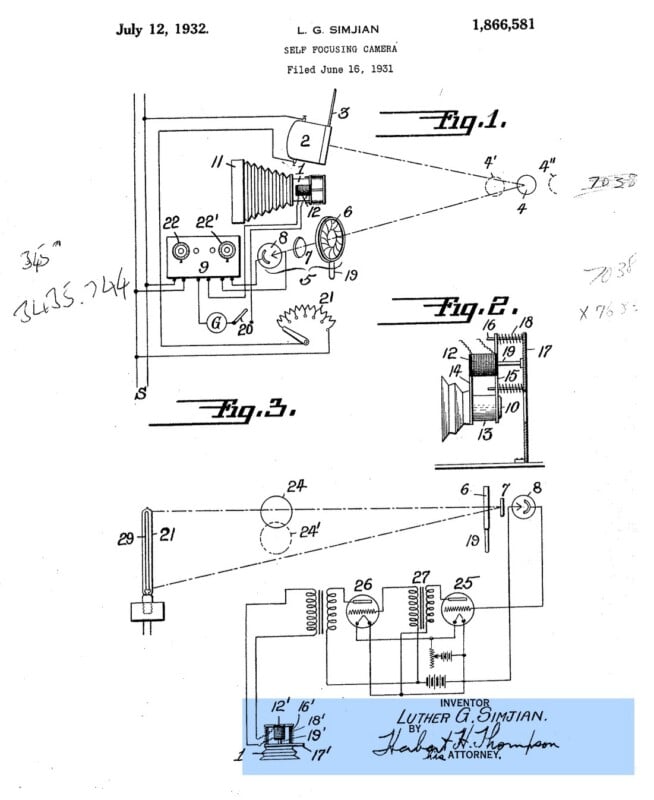
The conceptual roots of autofocus can be traced back to 1931, when Armenian-American inventor Luther George Simjian filed a patent for a "self-focusing camera." Simjian, who also invented the automated teller machine (ATM), had previously developed the PhotoReflex, a system that allowed subjects to see their own reflection before a portrait was taken. His 1932 patent proposed a mechanism that could adjust the lens based on the subject’s position, framing focus as a task that could be handled by a machine rather than just a human eye.
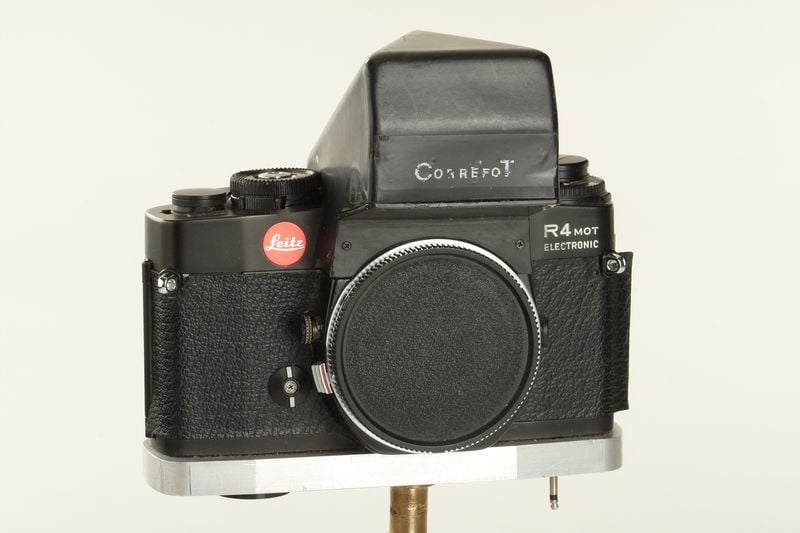
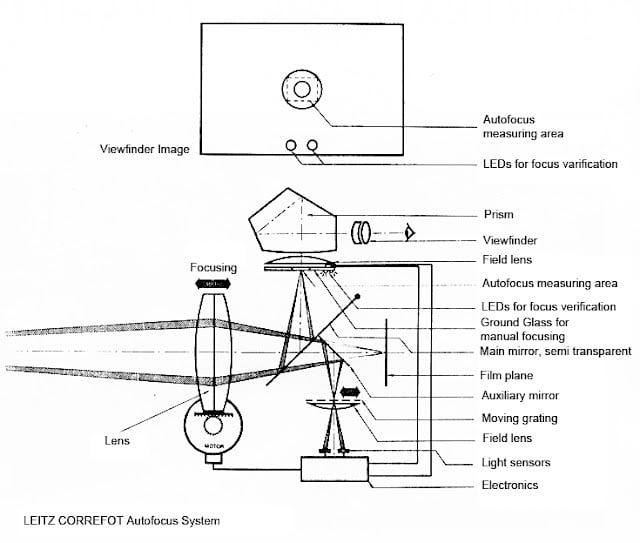
While Simjian provided the intellectual framework, it took decades for the necessary electronics to catch up. By the 1960s and 70s, manufacturers like Leica and Honeywell began experimenting with through-the-lens (TTL) sensors. In 1976, Leica showcased the "Correfot" prototype at Photokina. The system used an oscillating prism to compare light patterns, but it was too bulky and power-hungry for mass production. Nevertheless, it proved that image contrast could be used to drive a motor.
The Commercial Breakthrough: Compacts and Sonar
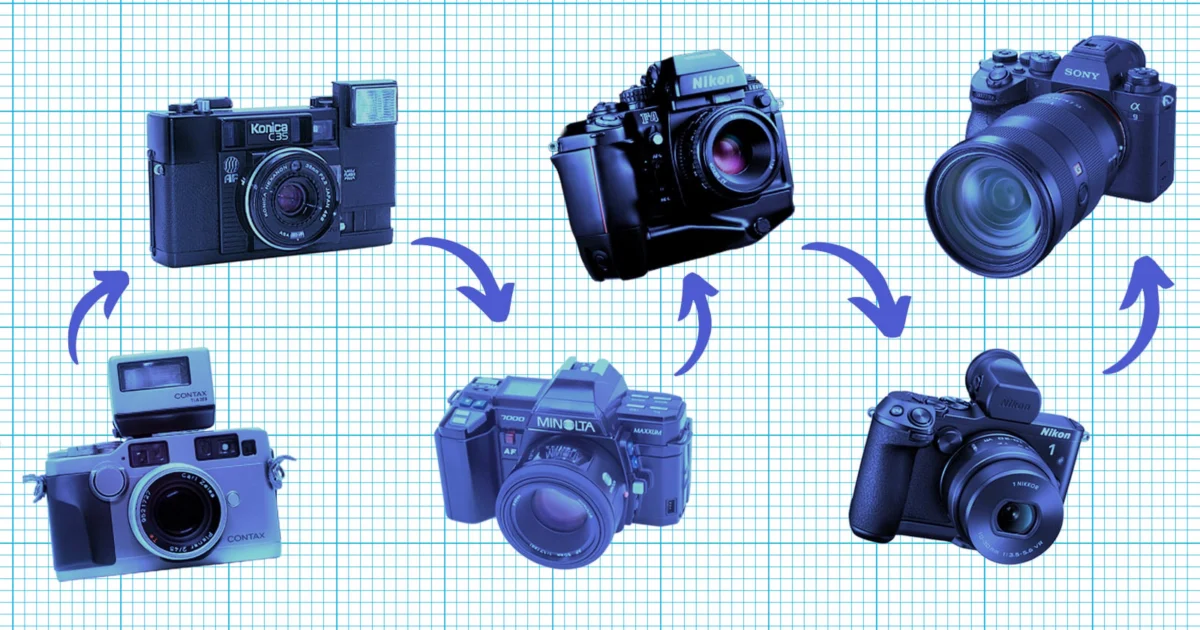
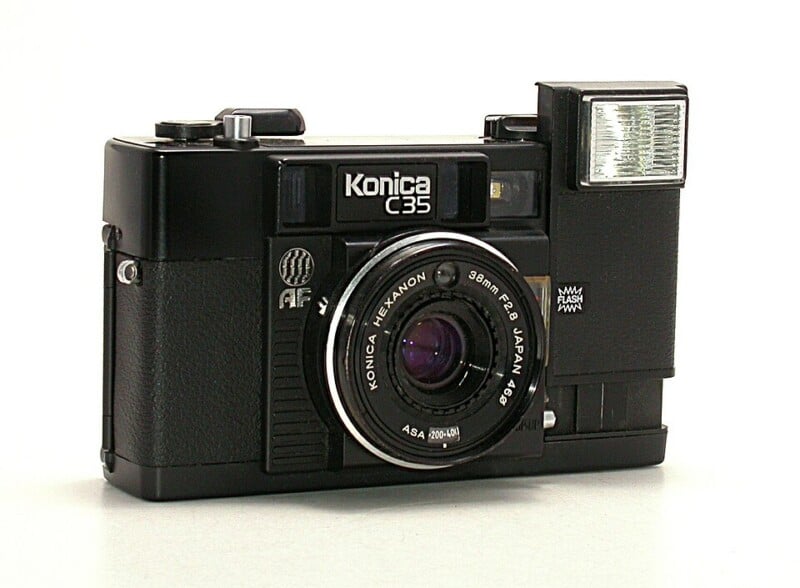
The first true commercial success for autofocus did not occur in professional SLRs but in the consumer "point-and-shoot" market. In 1977, Konica released the C35 AF, nicknamed "Jasupin." It utilized the Honeywell Visitronic system, which used an electronic rangefinder mechanism to compare two views of the scene and adjust the lens accordingly. This was an "active" system that revolutionized the market, making sharp photography accessible to the general public.
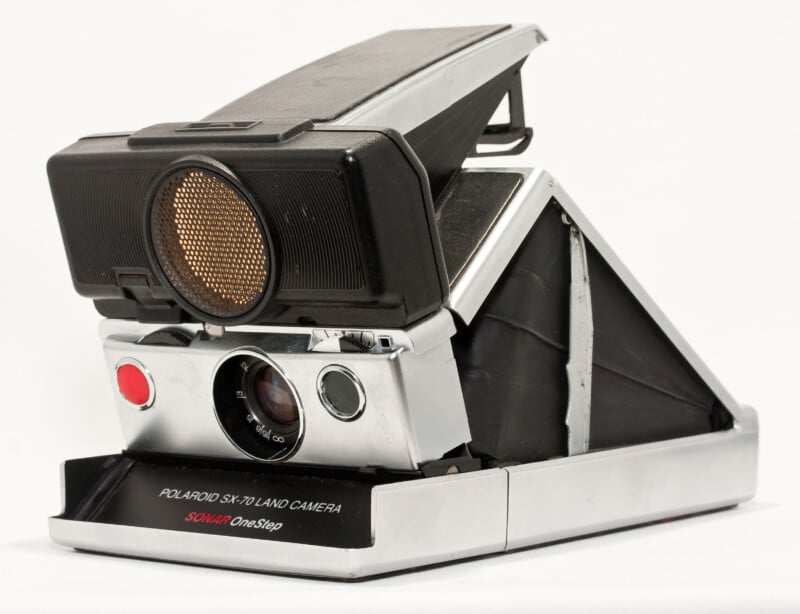
Shortly after, Polaroid introduced a radically different approach with the SX-70 Sonar OneStep. Instead of analyzing light, the camera emitted ultrasonic sound pulses, measuring the time it took for the echoes to return to calculate distance. While fast and effective in total darkness, the sonar system had limitations; it could be fooled by glass windows or foreground obstacles like tree branches. These early experiments highlighted a critical divide in AF development: active systems (which emit a signal) versus passive systems (which analyze existing light).
The SLR Revolution and the Rise of System Integration
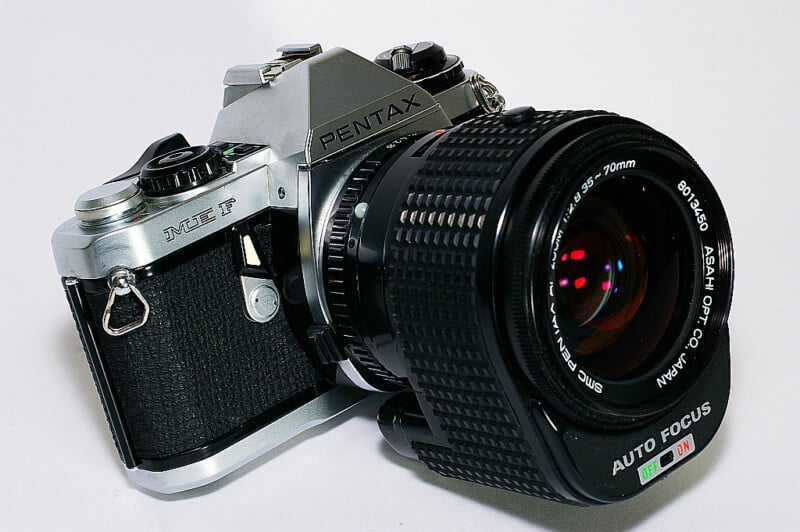
Bringing autofocus to the 35mm Single Lens Reflex (SLR) camera proved far more complex due to the requirement for interchangeable lenses and the presence of a mirror box. Early attempts, such as the Pentax ME-F (1981) and the Nikon F3AF (1983), were transitional hybrids. They required specialized, motorized lenses that were often clunky and unbalanced compared to their manual counterparts.
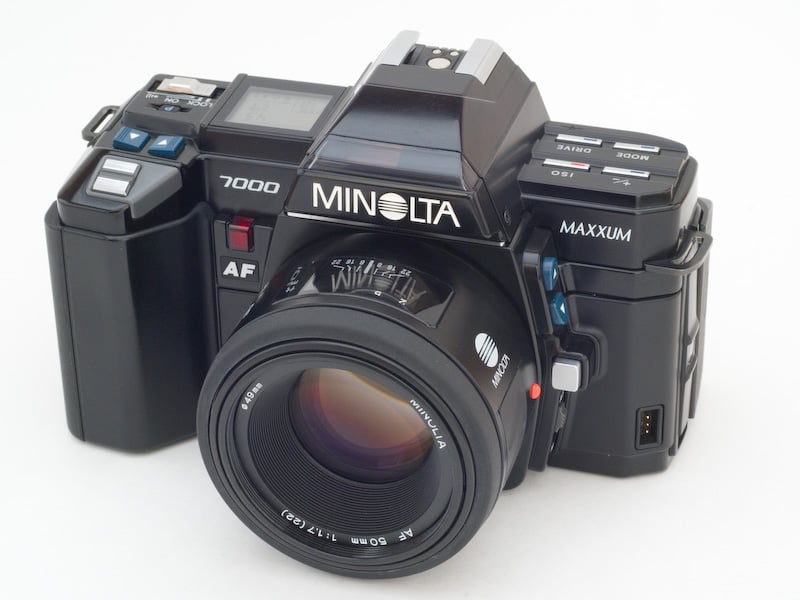
The landscape changed permanently in 1985 with the release of the Minolta Maxxum 7000. Unlike its predecessors, the Maxxum was designed from the ground up as an integrated autofocus system. It featured the motor inside the camera body, which connected to the lens via a mechanical "screw-drive" coupling. This allowed for a wide range of affordable AF lenses and introduced the world to the modern SLR interface, featuring buttons and LCD screens rather than traditional dials.
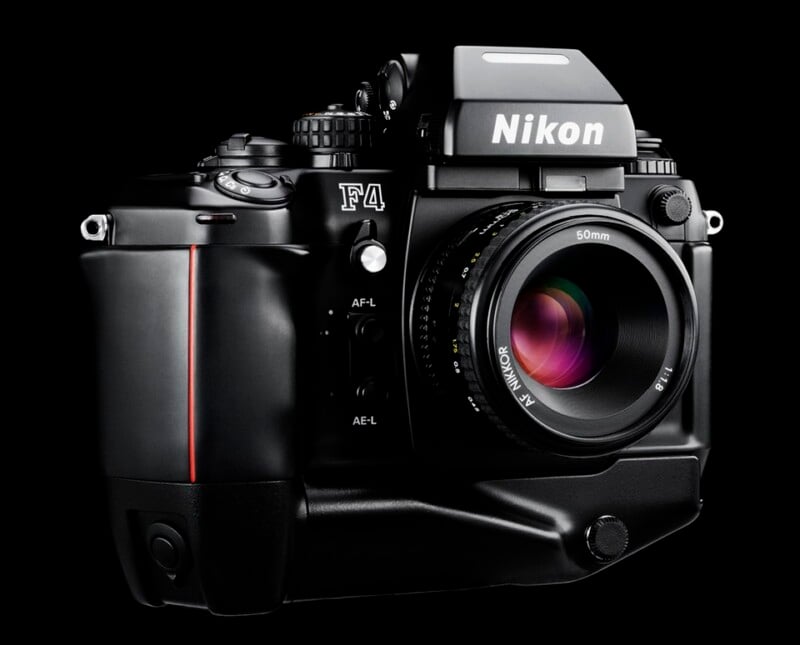
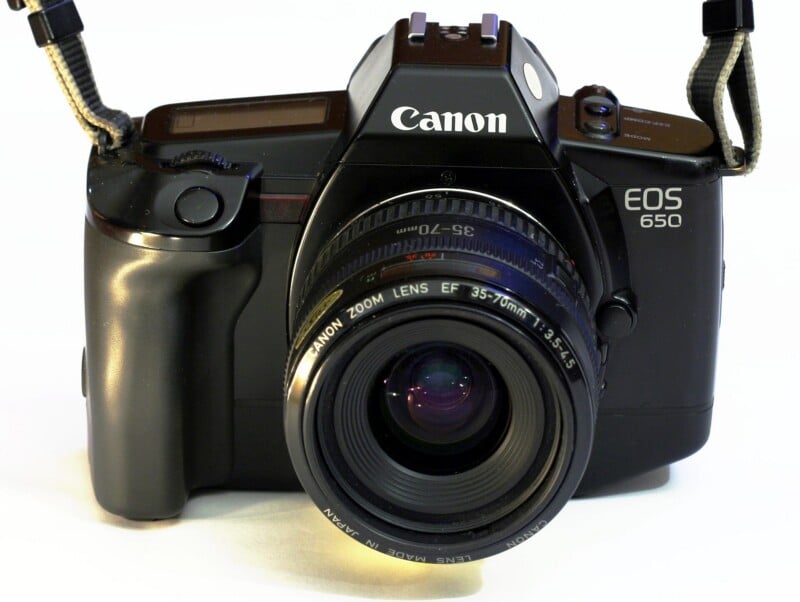
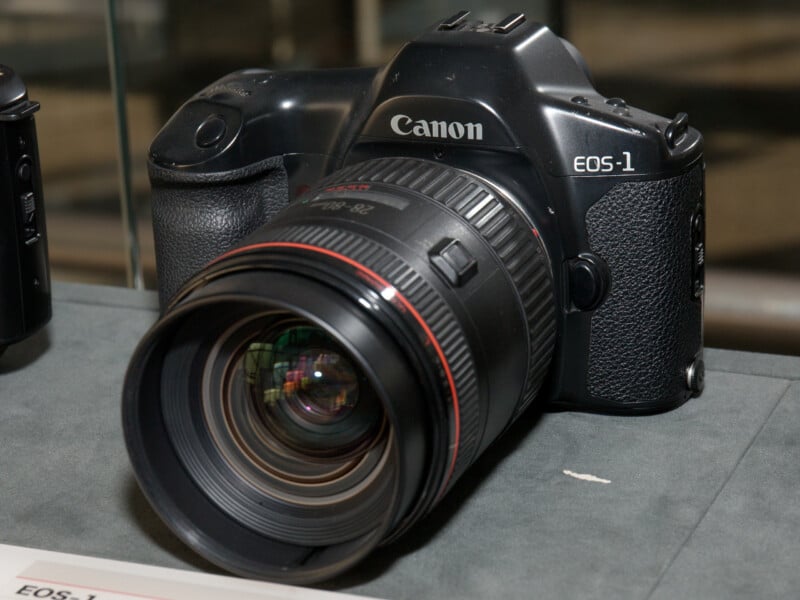
The success of the Maxxum 7000 forced industry leaders Nikon and Canon to respond. Nikon chose a path of "backward compatibility," maintaining its F-mount and allowing users to use older manual lenses on new AF bodies. Canon, in a move that was controversial at the time, decided to abandon its FD mount entirely. In 1987, Canon introduced the EOS (Electro-Optical System) and the EF mount. This new mount was entirely electronic, with no mechanical linkages between the body and lens. Every EF lens contained its own dedicated motor, a design choice that eventually gave Canon a significant advantage in speed and quietness, particularly with the introduction of ring-type Ultrasonic Motors (USM).
Technical Architecture: Phase Detection vs. Contrast Detection
As the industry matured, two primary methods of "passive" autofocus emerged:
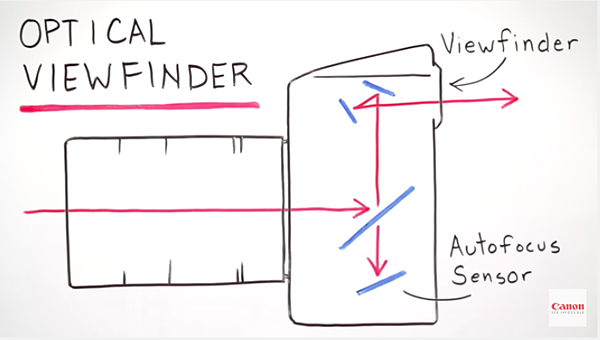
- Phase Detection (PDAF): Primarily used in SLRs and DSLRs, this system uses a secondary mirror to bounce light onto a dedicated AF sensor module. By comparing light from two different sides of the lens, the system can determine not only if an image is out of focus but also in which direction and by how much the lens needs to move. This "directional intelligence" made PDAF the gold standard for sports and action photography.
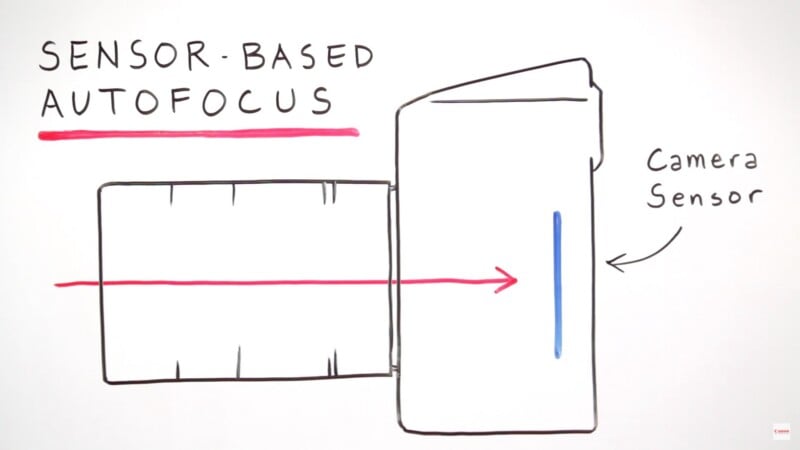
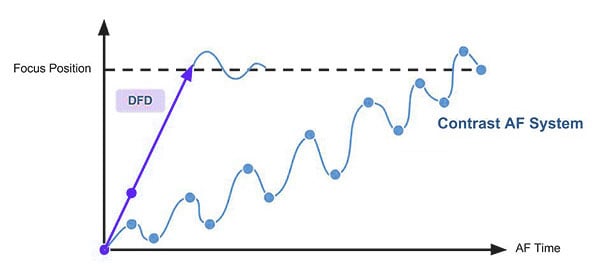
- Contrast Detection (CDAF): Primarily used in early digital compacts and mirrorless cameras, this system analyzes the image data directly from the main sensor. It looks for the point of highest contrast, which corresponds to the sharpest focus. While extremely accurate, CDAF is historically slower because the camera must "hunt" back and forth to find the peak contrast.
The major limitation of the DSLR era was the "calibration gap." Because the AF sensor was separate from the imaging sensor, any slight physical misalignment could result in "front-focusing" or "back-focusing," where the camera thinks it is focused on the subject, but the actual photo is slightly soft.
The Mirrorless Era and On-Sensor Phase Detection
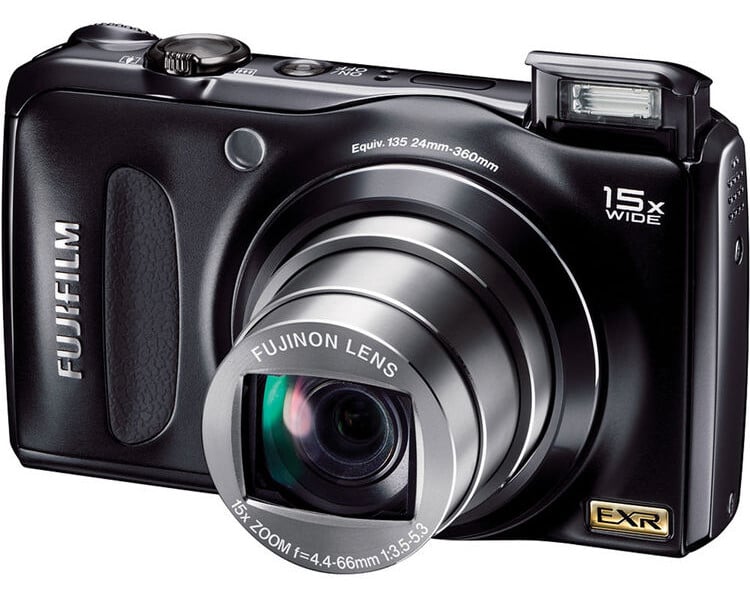
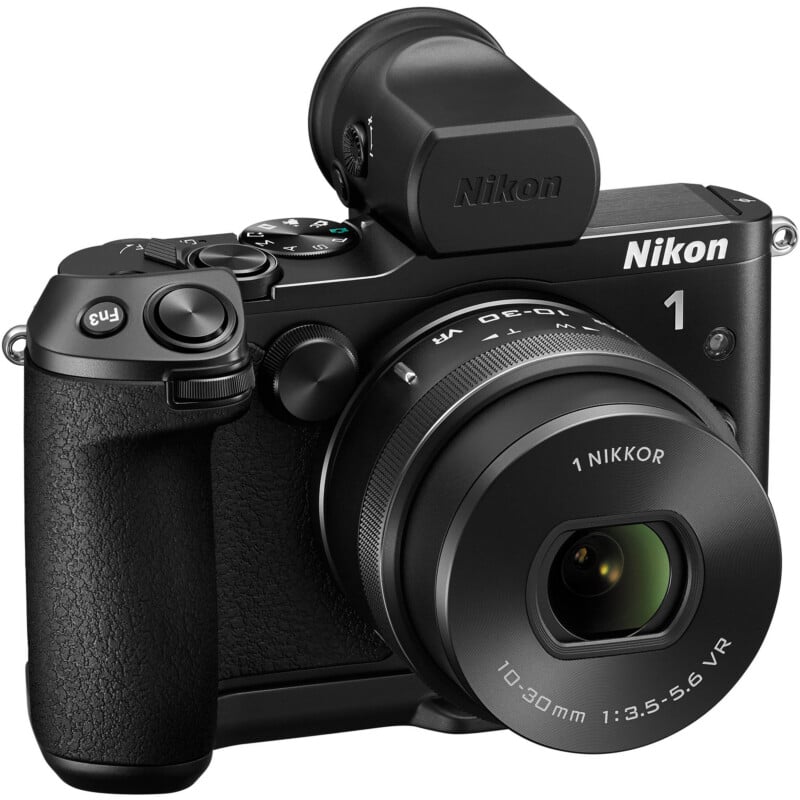
The transition from DSLRs to mirrorless cameras in the 2010s solved the calibration problem by moving the autofocus process directly onto the imaging sensor. The Fujifilm FinePix F300EXR (2010) was an early pioneer in placing phase-detection pixels directly on the sensor. This was followed by the Nikon 1 system and eventually Sony’s Alpha series, which popularized high-performance on-sensor phase detection (OSPDAF).
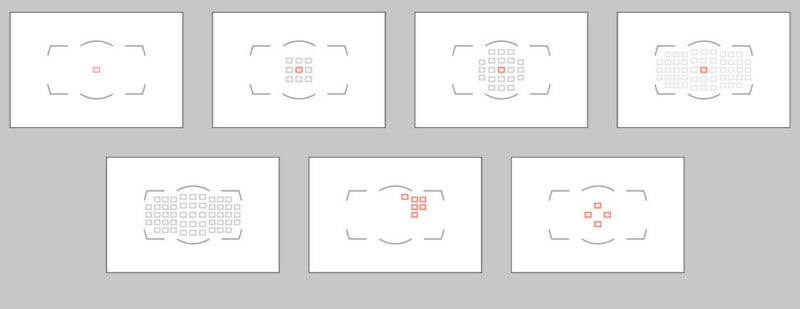
By integrating AF pixels into the imaging sensor, mirrorless cameras could offer hundreds of focus points covering nearly 100% of the frame. This eliminated the "center-weighted" focus clusters of DSLRs and allowed for tracking subjects to the very edges of the composition. Canon also introduced "Dual Pixel CMOS AF," where every single pixel on the sensor acts as both an imaging pixel and a phase-detection sensor, providing exceptionally smooth focus for video.
The AI Frontier: Subject Recognition and Machine Learning
The current state of the art in autofocus is defined by "Subject Recognition" driven by deep learning algorithms. Modern processors in cameras like the Sony a9 III, Nikon Z9, and Canon EOS R3 are trained on vast databases of images. They no longer just look for "contrast" or "edges"; they recognize specific shapes and patterns.
These systems can identify and prioritize the eyes of humans, animals, birds, and even insects. They can distinguish between a motorcycle and a car, or lock onto the cockpit of an airplane. Perhaps most impressively, these systems utilize predictive modeling. If a soccer player is momentarily obscured by another athlete, the AI calculates the player’s trajectory and maintains the focus distance until they reappear. This shift from simple distance measurement to "semantic understanding" of the scene represents the most significant leap in photographic technology since the digital sensor itself.
Lens Actuation: The Evolution of Motors
The history of the motors that move the glass is just as vital as the sensors that guide them.
- Screw-Drive: Loud and mechanical, these relied on the camera body’s motor.
- Ultrasonic Motors (USM/SWM): Used high-frequency vibrations to move lens elements quickly and silently, becoming the professional standard in the 1990s.
- Stepper Motors (STM): Designed for the video era, these move in precise, quiet increments to avoid the "jerky" look of traditional AF in movies.
- Linear and Voice-Coil Motors (VCM): The modern standard for mirrorless, these use electromagnetic rails to "float" lens elements. They are incredibly fast and capable of the micro-adjustments required for 120-frames-per-second tracking.
Broader Impact and Future Implications
The evolution of autofocus has democratized high-end photography. Tasks that once required years of manual dexterity—such as tracking a bird in flight with a 600mm lens—can now be performed by hobbyists with a high degree of success. For professionals, autofocus has shifted the focus of their work from "technical maintenance" to "creative composition."
However, this transition also raises questions about the "sameness" of modern imagery. As cameras become better at making "correct" technical decisions, the role of the photographer’s unique vision becomes even more critical. While the camera can ensure the eye is sharp, it cannot decide why that eye is worth capturing.
Looking forward, the industry is moving toward "Global Shutter" technology and even faster processors that may eventually eliminate the need for traditional focus "modes" entirely, with cameras capturing a constant stream of data that can be refined in real-time. From the mechanical rangefinders of the 1930s to the silicon-brain processors of the 2020s, autofocus remains a testament to the human desire to capture the world with ever-increasing clarity.

