


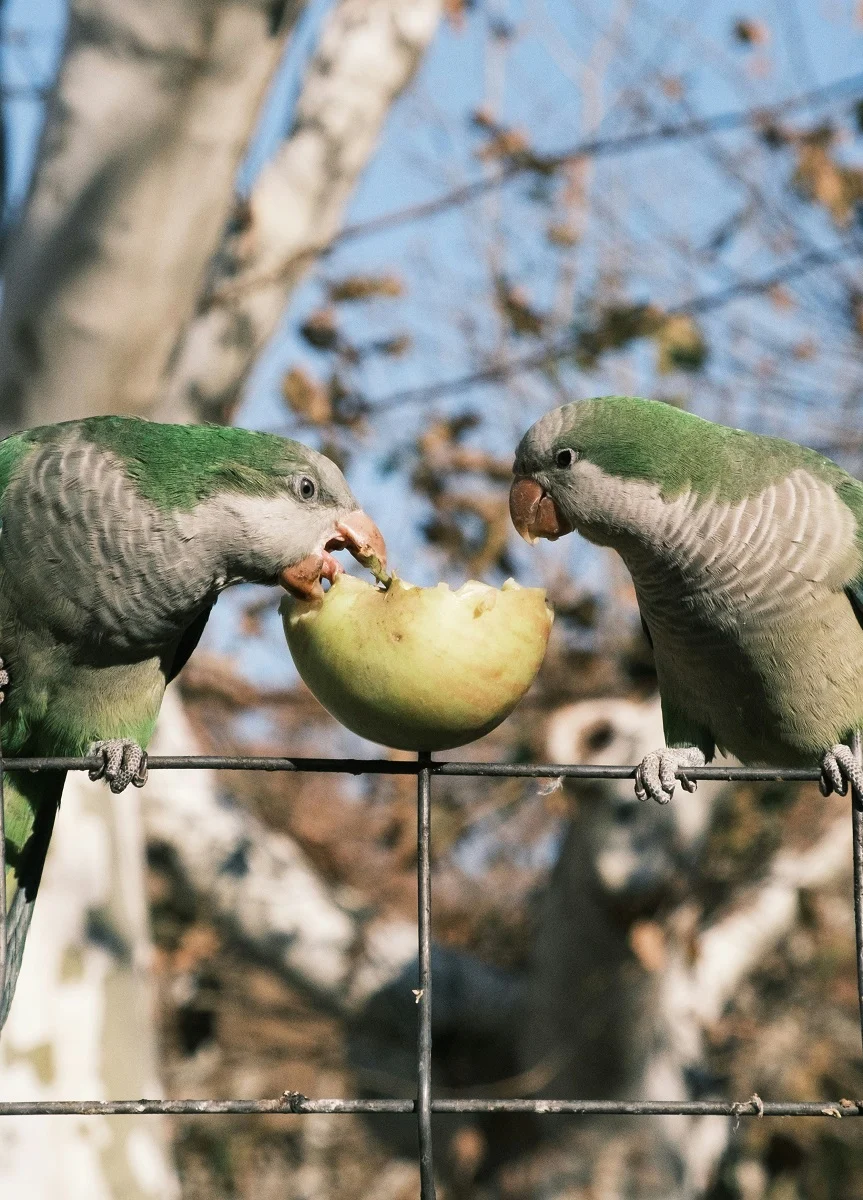
The Monk Parakeet, scientifically known as Myiopsitta monachus, is a vibrant South American parrot species that captivates with its intelligence and adaptability, making it a popular choice for pet owners but also a significant concern as an invasive species across the globe. Often referred to as the Quaker parrot, this resilient bird presents a complex profile, embodying both the charm of a cherished companion and the ecological challenges of a successful colonizer. Understanding the multifaceted nature of Myiopsitta monachus requires an exploration of its natural history, biological characteristics, conservation status, impact as an invasive species, and the detailed considerations for its responsible care in captivity.
Biological Profile: Appearance and Characteristics
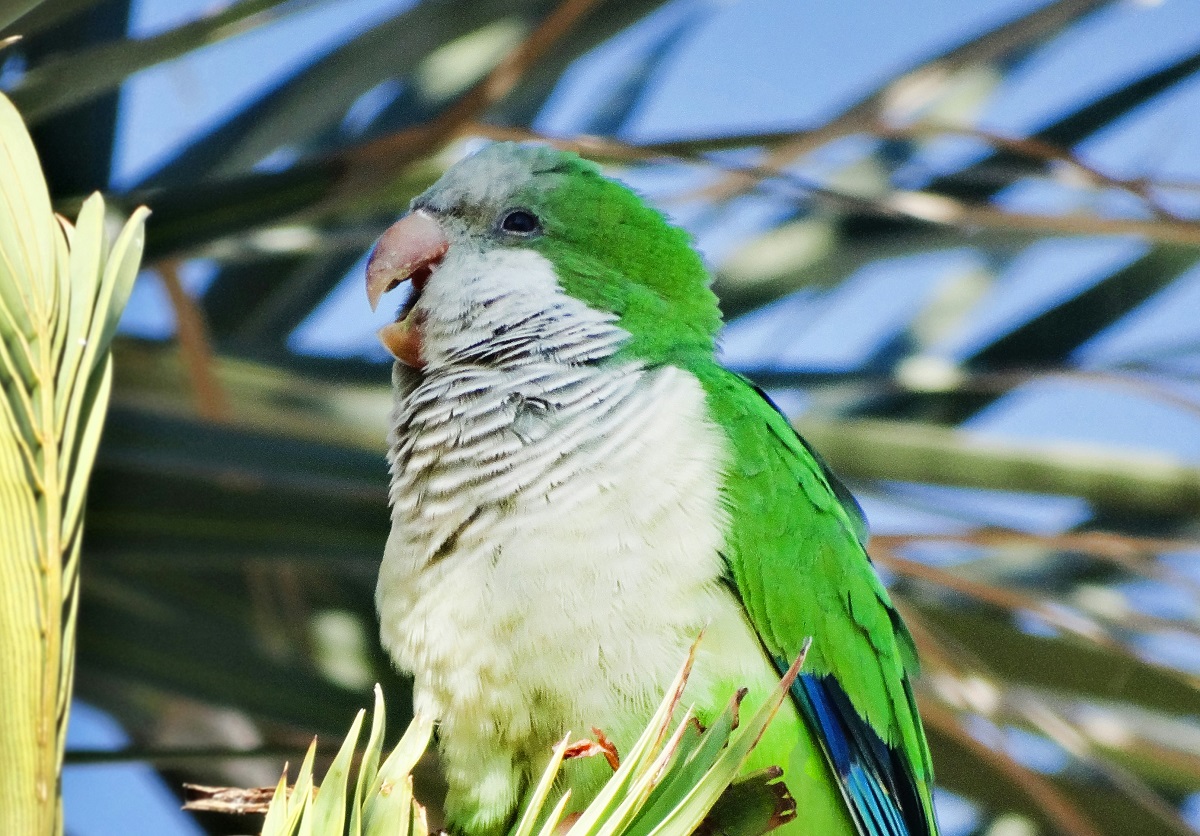
The Monk Parakeet is a medium-small parrot, typically reaching an adult size of up to 13 inches (33 cm) in length and weighing around 140 grams (5 ounces). Its distinctive appearance in the wild features a mossy green back, a contrasting gray forehead and chest, blue flight feathers, and a relatively long, tapering tail. A prominent skin-colored beak completes its recognizable silhouette. While wild populations exhibit this consistent coloration, selective breeding in captivity has led to a remarkable array of color mutations, known as "color morphs." These include striking variations such as blue, yellow (lutino), gray, white (albino), and various combinations, significantly broadening their aesthetic appeal to pet enthusiasts. Despite slight differences in size, visual sexing of Monk Parakeets is notoriously difficult, with DNA testing often being the only reliable method to determine a bird’s gender. The average lifespan of a Monk Parakeet in captivity can extend up to 30 years, a significant commitment for prospective owners, underscoring the importance of long-term care planning. Their noise level is generally considered low to moderate, though their flock calls can be quite sharp and grating, and they possess a remarkable ability to mimic human speech and household sounds.
Natural Habitat and Geographical Range
Native to South America, Myiopsitta monachus thrives across a significant portion of the continent. Its natural range encompasses southern Brazil, eastern Bolivia, most of Paraguay and Argentina, and all of Uruguay. This lowland species typically inhabits regions up to 3,300 feet (1,000 meters) in elevation, demonstrating a preference for wooded to sparsely wooded areas. These habitats include palm forests, savannahs, and increasingly, urban parks and agricultural landscapes. The adaptability of the Monk Parakeet to diverse environments, from semi-arid chaco regions to temperate pampas, has been a key factor in its success both in its native range and in its subsequent global expansion.

Conservation Status and Related Species
According to the IUCN Red List, Myiopsitta monachus is classified as a species of "Least Concern." This assessment reflects its widespread distribution and generally stable, if not increasing, population trends within its native habitat. Ironically, the species appears to benefit from certain human activities, particularly the destruction of its natural forested habitats for agriculture. The expansion of monoculture crops, such as maize, provides an abundant food source, while the planting of Eucalyptus forests for paper pulp production offers new nesting opportunities. This adaptability to anthropogenic landscapes has allowed the species to thrive even as other native species face decline.
However, the conservation outlook for M. luchsi, the Bolivian Monk Parakeet, the only other species within the genus Myiopsitta, is starkly different. M. luchsi is considered "Near Threatened," primarily due to ongoing habitat loss and fragmentation within its restricted range in Bolivia. Unlike its more adaptable cousin, M. luchsi is less tolerant of human-modified landscapes and faces additional pressure from trapping for the illegal pet trade. This contrast highlights the divergent evolutionary paths and ecological tolerances even within closely related species, with M. monachus‘s generalist nature proving to be a significant advantage.
The Phenomenon of the Invasive Monk Parakeet
The Monk Parakeet’s remarkable adaptability extends beyond its native range, making it one of the most successful invasive parrot species globally, alongside others like the Indian Ringneck Parakeet (Psittacula krameri). Self-sustaining feral populations of Myiopsitta monachus have become established in numerous countries across North America, Europe, Asia, and Africa.
- History and Spread: The introduction of Monk Parakeets outside their native range primarily stems from the pet trade. Birds imported for companion animal purposes often escape or are intentionally released, subsequently forming breeding colonies. The first documented feral populations in the United States emerged in the 1960s, with significant colonies now thriving in major urban centers such as New York City, Chicago, Houston, and various cities in Florida, Texas, and California. Similarly, European cities like Madrid, Valencia, London, and Brussels host substantial and growing populations.
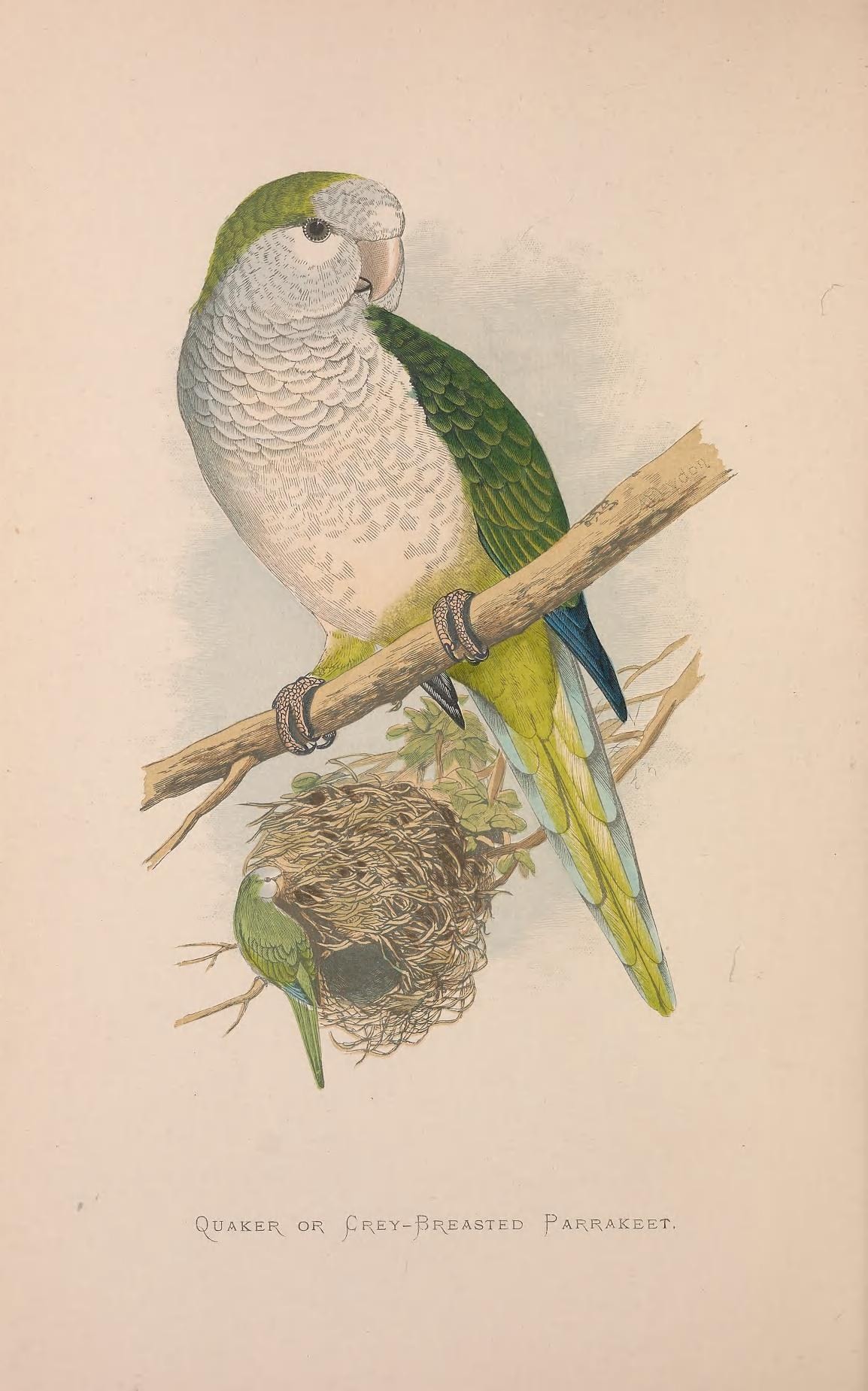
- Ecological Impact: The presence of invasive Monk Parakeets poses several threats to local ecosystems. They compete with native bird species for food resources and nesting sites, potentially displacing them. Their large, communal nests, uniquely constructed from sticks rather than cavities, can also alter natural habitats.
- Economic Impact: The economic consequences of feral Monk Parakeets are substantial. Agricultural sectors frequently report crop damage, particularly to corn, sunflowers, and fruit orchards, as flocks raid fields for sustenance. Moreover, their large stick nests are often built on utility poles and electrical infrastructure, leading to power outages, fire hazards, and significant repair costs for utility companies. Urban authorities also face ongoing expenses related to managing and removing these nests to prevent damage and ensure public safety.
- Regulatory Responses and Challenges: In response to these challenges, many regions have implemented regulations concerning Monk Parakeets. In some U.S. states, such as California, Kentucky, Pennsylvania, and Wyoming, it is illegal to own, sell, or import Monk Parakeets without a special permit. Similar restrictions exist in parts of Europe. These bans reflect a scientific consensus on the species’ invasive potential, yet enforcement remains challenging. The difficulty of capturing and relocating established feral populations, coupled with ongoing pet trade and occasional escapes, means that the problem persists. Conservationists and wildlife managers emphasize the critical need for responsible pet ownership, including secure housing and preventing escapes, as a primary line of defense against further introductions. Agricultural bodies consistently report significant financial losses due to crop depredation, underscoring the conflict between wildlife and human economic activities. Urban planners and utility companies face ongoing challenges in mitigating infrastructure damage, leading to substantial allocation of resources for monitoring and intervention.
Caring for the Companion Monk Parakeet
For those considering a Monk Parakeet as a pet, understanding their specific needs is paramount to ensuring a long, healthy, and enriching life for these intelligent birds.
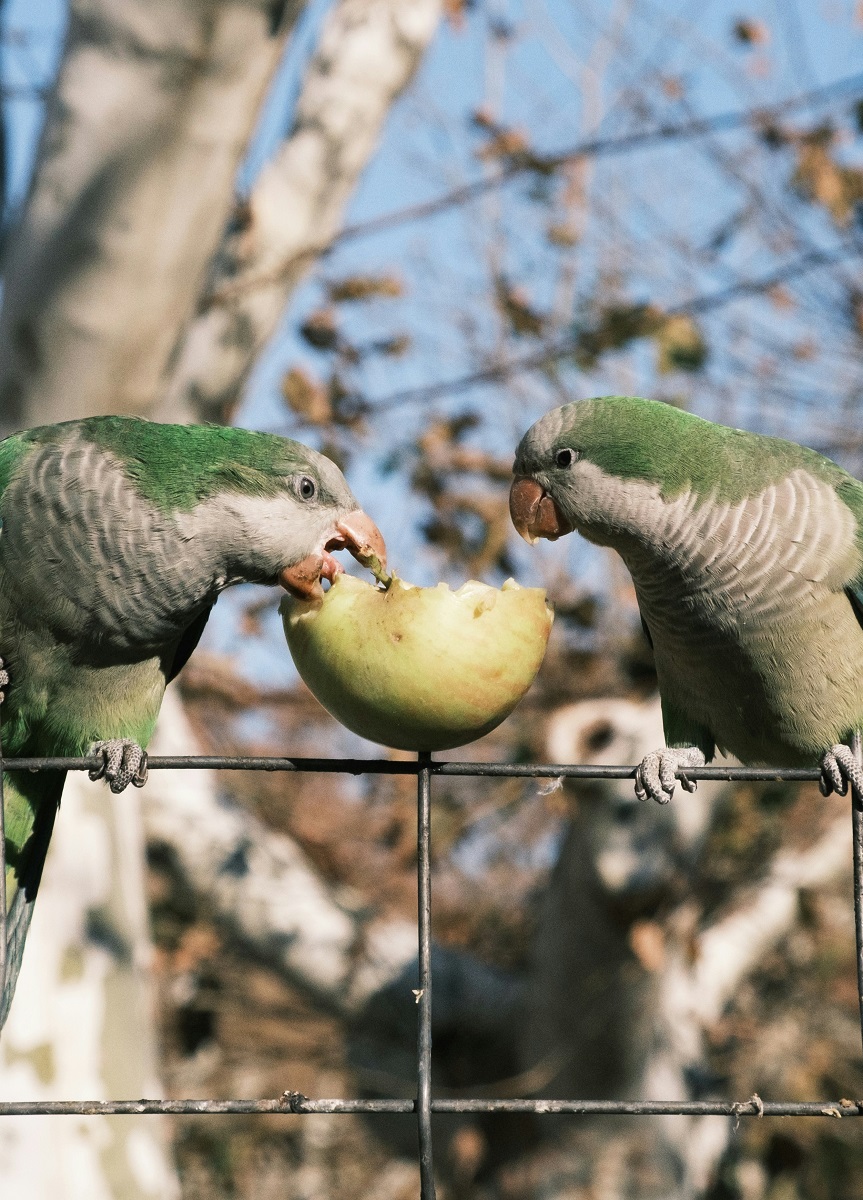
- Dietary Requirements: A healthy captive diet is fundamental. Veterinarians strongly advise against seed-heavy diets, which are often high in fat and deficient in essential nutrients, leading to malnutrition and related health issues. The cornerstone of a Monk Parakeet’s diet should be a high-quality formulated pellet food, which provides a balanced array of vitamins and minerals. This should be supplemented daily with a wide variety of fresh fruits and vegetables, such as leafy greens (kale, spinach), bell peppers, berries, apples (without seeds), cooked sweet potato, and whole grains like quinoa. Occasional small amounts of lean cooked protein (e.g., chicken) or safe sprouts can also be offered. Foods to strictly avoid include avocado, chocolate, caffeine, alcohol, fruit pits, onions, garlic, and highly processed human snacks. Access to a mineral block and multiple sources of fresh, clean water is also crucial.
- Housing and Environment: Monk Parakeets, despite their relatively small size, require ample space. A cage with a minimum width of 30 inches (76 cm) is recommended for a single bird, with larger dimensions always preferable. The cage length is often more important than height, as parrots tend to utilize the upper portions for perching and climbing. For birds not allowed several hours of supervised out-of-cage time daily, a full-sized aviary is ideal. The cage should be furnished with a variety of natural wood perches of varying diameters to promote foot health, placed at different heights. Clean food and water bowls are essential, along with a diverse selection of parrot-safe toys.
- Unique Nest-Building Behavior: A distinctive trait of Monk Parakeets, even in captivity, is their strong instinct for communal nest building. If provided with elongated small items such as sticks, paper strips, or even pens, they will meticulously construct complex nests, often in a chosen corner of their cage or an elevated platform. While fascinating to observe this "feathered engineering," owners should be aware that nest-building can trigger hormonal behaviors, potentially leading to increased territoriality or aggression. Managing this behavior often involves careful environmental control and enrichment to redirect their instincts.
- Enrichment and Mental Stimulation: Monk Parakeets are highly intelligent and social creatures that demand significant mental and physical stimulation. Boredom can lead to stress, feather plucking, excessive screaming, or destructive behaviors. A variety of toys—chewing toys, shreddable toys, foraging toys, and climbing structures—should be rotated regularly to maintain interest. Puzzle feeders are excellent for engaging their problem-solving skills. Daily social interaction with their human caregivers is paramount. A solo Monk Parakeet requires consistent attention, play, and interaction for several hours a day to prevent loneliness and stress.
- Out-of-Cage Time and Safety: Daily supervised out-of-cage time is vital for physical exercise and mental well-being, helping to prevent obesity and promote natural behaviors. A parrot play gym placed atop the cage or in a dedicated bird-safe area provides an excellent "hang-out" spot. Any room a Monk Parakeet has access to must be thoroughly "bird-proofed." This involves securing windows and doors, removing toxic plants, ensuring other pets are safely contained, eliminating access to household chemicals, covering hot surfaces, and turning off ceiling fans. Owners must also be prepared for emergencies, having an avian veterinarian’s contact information readily available and a basic bird first-aid kit on hand, which might include blood stop powder, sterile gauze, and a bird-safe carrier.
- Temperament and Social Dynamics: Monk Parakeets are renowned for their confident, boisterous, and playful personalities. A well-socialized individual is often described as clownish and a joy to interact with. They form strong bonds with their human companions, often displaying affectionate and even cuddly behaviors. However, this intense bonding can sometimes lead to attachment to a single person, potentially resulting in aggression or jealousy towards other family members. Early and consistent socialization with all household members is crucial to mitigate this. Furthermore, Monk Parakeets are highly territorial about their cage space. Approaching their "home" can be met with defensive behaviors, making routine tasks like cleaning or changing food and water bowls a challenge. Owners often learn to manage this through positive reinforcement and by using neutral tools (like a long stick) for interaction within the cage.
- Vocalization and Talking Ability: While not the loudest parrots, Monk Parakeets are far from silent. Their vocal repertoire includes a steady stream of chirps, whistles, and conversational sounds, alongside their distinctively sharp flock calls. Their ability to mimic human speech is quite impressive, often ranking them among the "good talkers" in the parrot world. While they imitate words and phrases with a squeaky voice, it’s important to remember they do not comprehend the meaning. Repetition, positive reinforcement, and consistent interaction are key to teaching them to "talk." Many individuals can acquire extensive vocabularies and even imitate common household sounds. A contented Monk Parakeet may also produce a soft "purring" sound or grind its beak, indicating comfort and relaxation. Prospective owners should listen to recordings of their vocalizations (e.g., on platforms like xeno-canto) or visit breeders to ensure they can accommodate the noise level.
In conclusion, the Monk Parakeet, Myiopsitta monachus, is a creature of remarkable contrasts. Its inherent charm, intelligence, and vibrant personality make it a highly desirable companion animal, capable of forming deep bonds with its owners. Yet, these very traits—adaptability, resilience, and strong nesting instincts—also contribute to its status as a significant invasive species, posing ecological and economic challenges in non-native environments. Responsible ownership, therefore, extends beyond meeting the demanding needs of the individual bird to include a broader awareness of its impact on the wider ecosystem. Understanding the full scope of this species is essential for both current and prospective owners, as well as for conservation efforts worldwide.

