


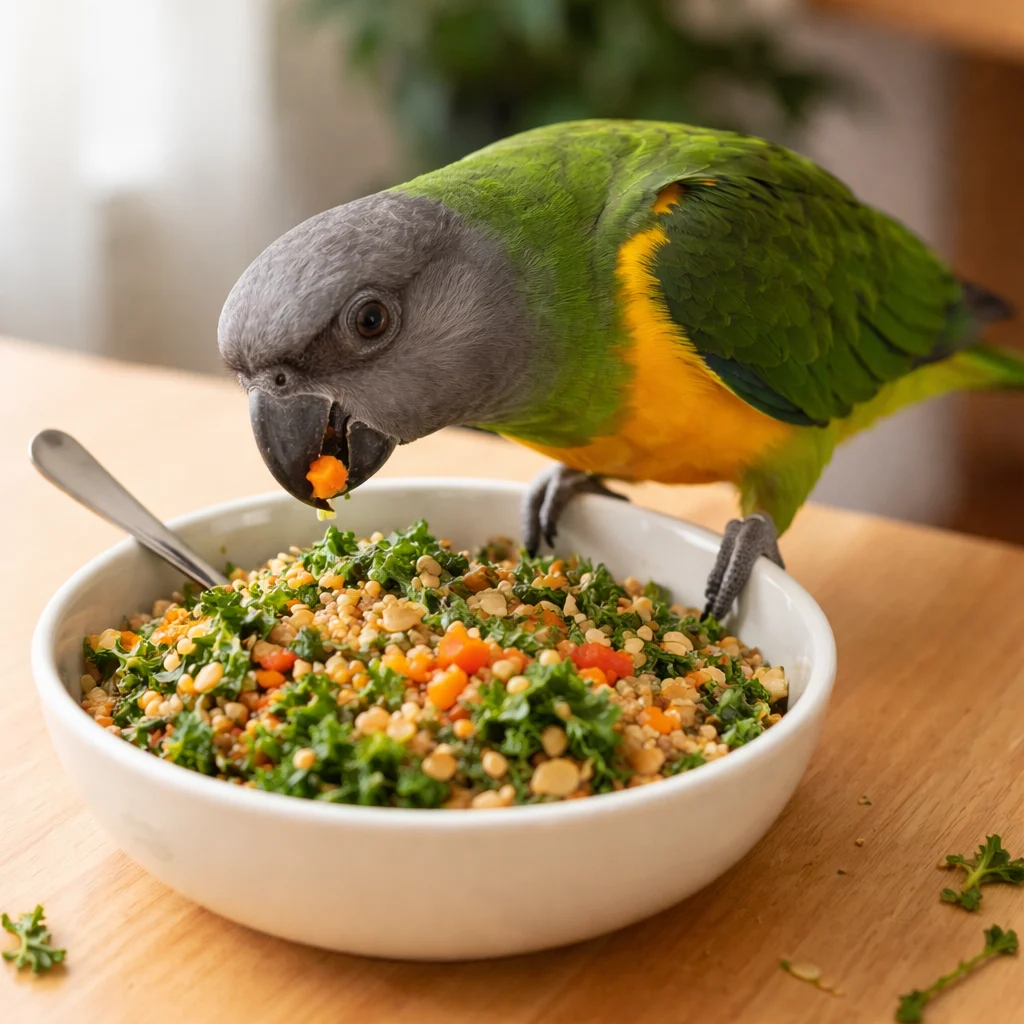
The question of whether pet birds benefit from antioxidant support during higher-stress periods—such as molting, aging, hormonal cycles, routine changes, or limited diet variety—is a recurring one among avian enthusiasts and professionals alike. The concise answer, as articulated by experts like Diane Burroughs, founder of BirdSupplies.com and UnRuffledRx™, is nuanced: sometimes, in the right situations, and always as an integral component of a broader nutritional strategy. While most avian companions do not require daily antioxidant supplementation, targeted support during times of increased physiological demand can play a vital role in maintaining normal cellular function and bolstering overall resilience. This perspective, increasingly echoed in reputable bird owner forums and by avian veterinarians, underscores a thoughtful approach to long-term wellness that avoids both neglect and over-supplementation. This article delves into the scientific basis of oxidative stress, outlines the specific circumstances under which additional antioxidant support becomes relevant, and provides a framework for integrating such support safely and effectively into a bird’s care regimen, devoid of exaggerated claims or quick-fix promises.
Understanding Oxidative Stress in Avian Physiology
Oxidative stress is an inherent aspect of life for all aerobic organisms, including birds. It arises from an imbalance between the production of reactive oxygen species (ROS), also known as free radicals, and the body’s ability to detoxify these harmful byproducts or repair the resulting damage. Birds, in particular, possess remarkably high metabolic rates, a physiological adaptation that powers their energetic lifestyles, including flight. This rapid metabolism, while essential for their survival and vibrant personalities, inherently generates a greater volume of free radicals as part of normal cellular respiration and energy production.
Free radicals are unstable molecules with unpaired electrons, making them highly reactive. They seek to stabilize themselves by "stealing" electrons from other molecules, leading to a chain reaction that can damage cellular components such as DNA, proteins, and lipids. Over time, accumulated oxidative damage can impair cellular function, accelerate aging, and contribute to various health issues. Antioxidants are crucial nutrients that mitigate this damage by donating electrons to free radicals, thereby neutralizing them and preventing widespread cellular harm. These protective compounds essentially help the body maintain a delicate balance, ensuring that oxidative processes, which are necessary for many physiological functions, do not overwhelm its defensive mechanisms.
In the wild, birds are naturally equipped to manage oxidative stress through a diverse diet rich in plant-based foods, which are abundant in various antioxidants. Their natural habitats also offer constant opportunities for foraging, exercise, and exposure to natural light cycles, all of which contribute to their robust health and resilience. The transition to a captive environment, however, introduces a unique set of challenges that can disrupt this natural balance and elevate a bird’s oxidative load.
The Modern Pet Bird Environment and Its Challenges
Even the most meticulously cared-for parrots in domestic settings encounter environmental conditions starkly different from their ancestral homes. These disparities collectively contribute to an increased metabolic workload and potential for heightened oxidative stress, demanding a proactive approach to nutrition.
Dietary Limitations: While commercial avian pellets have significantly improved pet bird nutrition over the decades, providing a baseline of essential vitamins and minerals, they often cannot fully replicate the vast array of phytochemicals, including thousands of different antioxidants, found in a truly diverse wild diet. Wild birds forage on a wide variety of seeds, fruits, nuts, leaves, flowers, and insects, each contributing a unique profile of nutrients and bioactive compounds. In captivity, even with fresh chop and varied produce, the sheer diversity and quantity of plant-based antioxidants consumed might be comparatively limited. This lack of dietary breadth means birds might miss out on synergistic effects of various compounds that work together to protect cells.
Environmental Stressors: Indoor living, while offering protection from predators and harsh weather, presents its own set of challenges.
- Air Quality: Indoor air can contain pollutants from cleaning products, cooking fumes, dust, and volatile organic compounds (VOCs) from furnishings, all of which can increase a bird’s respiratory and cellular workload.
- Artificial Lighting: Disruptions to natural light cycles, especially the lack of full-spectrum UV light, can negatively impact a bird’s circadian rhythms, hormonal balance, and vitamin D synthesis, indirectly affecting overall metabolic health and stress response.
- Noise and Activity: Domestic environments often involve unpredictable noise levels, sudden movements, and inconsistent routines, which can be significant stressors for prey animals highly attuned to their surroundings.
- Limited Exercise and Foraging: Restricted flight opportunities and simplified foraging challenges can lead to reduced physical fitness and mental stimulation, contributing to both physical and psychological stress.
Social and Psychological Stress: Many popular pet bird species are highly social and intelligent. Solitary living, lack of appropriate social interaction with conspecifics, or even living in a household with multiple pets or constantly changing human dynamics can induce chronic psychological stress. This stress triggers physiological responses, including the release of stress hormones like corticosterone, which, over prolonged periods, can increase oxidative stress and suppress immune function.
It is crucial to emphasize that these factors do not imply "bad care" but rather highlight the inherent demands placed upon a bird’s body in an environment far removed from its natural evolutionary context. Recognizing these demands is the first step toward implementing nutritional strategies that support their long-term health and well-being.
Key Periods Requiring Enhanced Antioxidant Support
While a consistently balanced diet forms the bedrock of avian health, certain physiological stages and environmental circumstances elevate a bird’s need for robust cellular protection, making targeted antioxidant support particularly beneficial.
1. Molting: Feather production is an incredibly energy- and nutrient-intensive process. Birds typically undergo one or two complete molts annually, replacing thousands of feathers. This process demands a significant allocation of protein, amino acids, vitamins, and minerals. The rapid cellular turnover involved in generating new feathers also increases metabolic activity and, consequently, free radical production. During molting, the body’s resources are heavily invested in feather growth, potentially diverting some antioxidant capacity from other protective functions. Supplementing with antioxidants during this period can help safeguard cellular integrity, support robust feather growth, and reduce the overall physiological strain.
2. Aging: As birds age, their cellular machinery becomes less efficient. The natural accumulation of oxidative damage over a lifetime, combined with a potential decline in the body’s intrinsic antioxidant defense systems, makes older birds more susceptible to age-related conditions. These can include reduced immune function, joint stiffness, cognitive decline, and increased recovery times from stress or illness. Antioxidant support for geriatric birds aims to mitigate this cumulative damage, support cellular longevity, and enhance their overall quality of life, helping them navigate the challenges of aging with greater resilience. Rescue birds, often with unknown histories or previous suboptimal care, can also benefit from this support as they may present with accelerated aging signs or chronic stress.
3. Hormonal or Seasonal Shifts: Birds are highly attuned to seasonal changes, which trigger significant hormonal fluctuations, particularly related to breeding cycles. Egg-laying, courtship behaviors, and nesting activities are metabolically demanding. These periods involve intense energy expenditure and rapid physiological changes, which can heighten oxidative stress. Changes in photoperiod (light exposure), even in an indoor environment, can influence these cycles. Providing targeted antioxidant support during these times can help the body manage the increased metabolic load and maintain hormonal balance, potentially reducing stress-related behaviors and supporting reproductive health.
4. Diet Limitations: Even with the best intentions, maintaining consistent dietary variety for pet birds can be challenging. Some birds develop preferences, while others may not consume enough fresh, plant-based foods daily. Commercial pellets, while foundational, do not offer the full spectrum of antioxidants found in a diverse array of fresh produce. Birds consuming a less-than-ideal diet, or those with specific nutrient absorption issues, may benefit significantly from supplemental antioxidants to bridge potential nutritional gaps and ensure a steady supply of these protective compounds.
5. Environmental or Emotional Stress: Any significant disruption to a bird’s routine or environment can trigger a stress response. This includes moving to a new home, introduction of new cage mates, changes in household dynamics, veterinary visits, travel, loud noises, or even the absence of a primary caregiver. Psychological stress directly influences physiological processes, leading to increased production of stress hormones (like corticosterone) and, subsequently, elevated oxidative stress. During such periods, the body diverts resources to cope with the immediate threat, potentially compromising its ability to manage free radicals. Antioxidant support can help buffer the cellular impact of stress, aiding in quicker recovery and maintaining overall well-being.
In essence, while antioxidants are not a panacea, their strategic deployment during these vulnerable periods acts as a vital protective buffer, helping to preserve cellular health and bolster a bird’s intrinsic capacity to adapt and thrive. This approach aligns with a philosophy of proactive, preventive care that prioritizes long-term wellness.
The Role of Avian Nutritionists and Veterinary Perspectives
The growing interest in avian antioxidants has naturally drawn attention from professional circles, including avian nutritionists and veterinarians, who emphasize a balanced, evidence-based approach. The expert consensus reinforces that while antioxidants are beneficial, they are not a standalone solution for underlying health issues or poor husbandry.
Expert Consensus on Holistic Care: Avian nutritionists universally advocate for a holistic approach to pet bird care. Diane Burroughs, with over 25 years of hands-on experience in parrot health, behavior, and nutrition, champions this view. She highlights that "a varied, nutrient-rich diet acts like a protective buffer – or armor – against everyday stress." This perspective emphasizes that the primary defense against oxidative stress comes from a foundational diet rich in natural antioxidants found in fresh fruits, vegetables, and seeds. Supplements, including targeted antioxidant support, are seen as complementary tools, designed to augment an already sound nutritional plan, not replace it. The emphasis is on building a robust immune system and cellular resilience through comprehensive nutrition and proper environmental management.
Veterinary Guidance and Adjunctive Support: Avian veterinarians play a crucial role in guiding pet owners. They underscore that any sudden changes in a bird’s health—such as significant weight loss, lethargy, appetite changes, breathing difficulties, or drastic behavioral shifts—warrant immediate professional veterinary consultation. Antioxidant supplements are adjunctive therapies, meaning they work in conjunction with, rather than as substitutes for, proper veterinary diagnosis and treatment. A veterinarian can help determine if a bird’s symptoms are indeed stress-related or indicative of a more serious underlying medical condition. They can also provide tailored advice on appropriate supplementation dosages and forms, especially for birds with pre-existing health conditions or those on specific medications.
Navigating the Supplement Market: The pet supplement market is vast, and bird owners are often bombarded with products promising "miracle cures." Experts caution against falling for hype and encourage critical evaluation of ingredient lists. Burroughs advises, "Good pellets, simple, plant-based nutrition and consistency often do more than heavily processed supplements, especially when the ingredient list reads more like a chemistry set than real food." This underscores the importance of choosing high-quality, natural, and transparently formulated supplements when they are deemed necessary. reputable brands often provide research-backed formulations and source their ingredients responsibly. The focus should always be on supporting the bird’s natural physiological processes, not overwhelming them with synthetic compounds.
Ultimately, the professional perspective is one of informed discernment. Antioxidants are a valuable component of a comprehensive avian wellness strategy, particularly during demanding periods. However, their integration must be thoughtful, guided by an understanding of the bird’s individual needs, and always in consultation with avian health professionals to ensure safety and efficacy.
Integrating Antioxidant Support Safely and Effectively
Implementing antioxidant support into a pet bird’s routine requires a methodical and cautious approach to ensure maximum benefit without unintended consequences. The guiding principles are simplicity, consistency, and careful observation.
1. Prioritize Dietary Sources: The most fundamental and effective way to provide antioxidants is through a diverse, plant-based diet. Foods rich in antioxidants suitable for birds include:
- Berries: Blueberries, raspberries, strawberries, cranberries (rich in anthocyanins and Vitamin C).
- Dark Leafy Greens: Kale, spinach, collard greens, dandelion greens (packed with carotenoids, Vitamin C, Vitamin E).
- Brightly Colored Vegetables: Carrots, sweet potatoes, bell peppers, squash (high in beta-carotene and other carotenoids).
- Certain Seeds and Nuts: Flax seeds, chia seeds, almonds (contain Vitamin E and healthy fats that aid absorption).
- Herbs and Spices: Turmeric, ginger, parsley (contain various phytochemicals with antioxidant properties).
Offering a rotating selection of these foods daily ensures a broad spectrum of natural antioxidants and other essential nutrients.
2. Strategic Supplementation Principles: When dietary intake alone might not suffice during high-stress periods, thoughtful supplementation can be considered.
- Gradual Introduction: Introduce any new supplement incrementally. "Start small and observe" is a critical mantra. Begin with a minimal amount and gradually increase to the recommended dosage over several days or a week. This allows the bird’s digestive system to adjust and helps owners monitor for any adverse reactions.
- Observation is Key: Closely monitor your bird for changes in appetite, droppings, energy levels, feather quality, and overall behavior. Positive changes might include increased vitality, improved feather sheen, or a more relaxed demeanor. Any negative changes, such as loose droppings, lethargy, or refusal to eat, warrant immediate cessation of the supplement and consultation with an avian veterinarian.
- Rotation of Supports: Instead of relying on a single supplement indefinitely, consider rotating different plant-based nutritional supports. This approach mimics the diversity birds would encounter in the wild and helps cover a wider range of potential nutritional gaps. For example, one month could focus on a berry-based topper, the next on a green superfood blend.
- Contextual Use: Reinforce that antioxidant support is for specific periods of increased demand, not necessarily a perpetual daily regimen for every bird. Understanding when it’s genuinely needed prevents over-supplementation and potential imbalances.
3. Avoid Common Pitfalls:
- Changing Everything at Once: A frequent mistake is altering diet, lighting, routines, and introducing supplements simultaneously. This makes it impossible to identify which intervention, if any, was beneficial or detrimental. Isolate changes to accurately assess their impact.
- Blindly Following Advice: While online communities offer valuable shared experiences, they cannot replace personalized advice. Every bird is an individual with unique needs, health status, and sensitivities. What works wonders for one bird might be unnecessary or even harmful to another. Always consider the context of your own bird and consult professionals.
- Ignoring Basic Care: Antioxidant supplements are not a substitute for fundamental good care—a balanced diet, clean water, adequate cage size, enrichment, regular veterinary check-ups, and a low-stress environment. They are enhancers, not replacements.
4. When to Involve a Professional: It cannot be overstated: significant changes in a bird’s health should always prompt a visit to an avian or exotic veterinarian. These include sudden weight loss, chronic lethargy, persistent appetite changes, labored breathing, or major behavioral shifts like severe feather destructive behavior or chronic screaming. In such cases, adding supplements without a proper diagnosis can delay essential medical treatment and potentially worsen the condition.
By adhering to these principles, bird owners can thoughtfully integrate antioxidant support, enhancing their bird’s resilience and contributing to a longer, healthier, and more vibrant life.
Broader Implications for Pet Bird Welfare
The informed use of antioxidants in avian care extends beyond immediate health benefits, carrying broader implications for the welfare, longevity, and ethical ownership of pet birds. As our understanding of avian physiology and nutritional needs evolves, so too does our capacity to provide truly comprehensive care.
Enhanced Longevity and Quality of Life: The average lifespan of many parrot species in captivity has significantly increased over the past few decades, largely due to advancements in veterinary medicine, nutrition, and general husbandry. However, simply extending life is not enough; ensuring a high quality of life throughout that extended period is paramount. Proactive nutritional management, including targeted antioxidant support during stress-prone periods, contributes directly to this goal. By mitigating cellular damage and supporting vital bodily functions, antioxidants can help delay the onset of age-related diseases, maintain cognitive function, and support mobility, allowing birds to remain active, engaged, and healthy well into their senior years. This translates into more years of companionship and joy for both the bird and its owner.
Empowering Owners Through Knowledge: The accessibility of information, while sometimes overwhelming, ultimately empowers bird owners to make more informed decisions. Articles like this, grounded in scientific understanding and expert experience, provide the context necessary to discern beneficial practices from fads. Understanding the "why" behind nutritional recommendations, such as the role of antioxidants in combating oxidative stress, helps owners move beyond rote instructions to a deeper appreciation of their bird’s complex biological needs. This knowledge fosters a sense of agency and confidence, allowing owners to tailor care plans that are truly responsive to their individual bird’s circumstances.
Fostering Ethical Pet Ownership: Providing optimal care for a pet bird is a significant commitment, given their intelligence, social complexity, and remarkable longevity. Ethical pet ownership demands a continuous effort to meet these intricate needs. This includes not only basic requirements but also proactive measures like thoughtful nutritional supplementation. Recognizing and addressing the increased metabolic demands during specific life stages, such as molting or aging, reflects a high standard of care. It signifies a commitment to preventing suffering and promoting thriving, aligning with the responsibilities inherent in caring for such sentient and long-lived creatures.
The Evolving Landscape of Avian Nutrition: Research into avian nutrition is an ongoing field, continually revealing new insights into the specific dietary needs of various species. The emphasis on plant-based compounds and their synergistic effects, including antioxidants, reflects a broader trend towards understanding nutrition as more than just meeting minimum daily requirements. Future research may further elucidate the precise types and dosages of antioxidants most beneficial for different avian species and conditions, leading to even more refined and personalized nutritional strategies. The proactive integration of current knowledge regarding antioxidants positions bird owners at the forefront of this evolving standard of care.
In conclusion, the strategic use of antioxidants represents a sophisticated yet practical approach to avian wellness. It acknowledges the inherent physiological challenges of captive life and offers a means to bolster a bird’s natural resilience. By combining a robust foundational diet with targeted support during demanding periods, owners can significantly contribute to their birds’ long-term health, vitality, and overall welfare, embodying the highest standards of compassionate and informed pet ownership.

