


Bringing home your first pair of rats is an exciting milestone, marking the beginning of a rewarding relationship with these intelligent and social creatures. However, the initial transition can also be a period filled with questions and a touch of apprehension for new owners. Understanding the typical behaviors and needs of rats during their first days, weeks, and months is crucial for establishing a foundation of trust and ensuring their well-being. This comprehensive guide, drawing from extensive experience in rat care, aims to demystify the homecoming process and equip you with the knowledge to navigate these early stages with confidence.
The Crucial First Moments: Establishing a Safe Haven
The journey from their previous environment to their new home is a significant event for any animal, and rats are no exception. Upon arrival, your primary goal should be to provide a calm and secure introduction to their new surroundings. It is paramount to remember that your rats do not yet understand their new situation; they have been removed from a familiar environment and placed with unfamiliar individuals in a place filled with unknown sights and smells.
Initial Observation and Environment Setup:
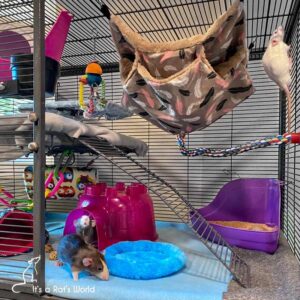
Before your rats even set foot in their new home, their cage should be fully prepared. This includes a comfortable bedding material, appropriate food and water dispensers, enrichment items like hideaways and chew toys, and a designated litter box. The cage should be situated in a quiet area of your home, away from direct sunlight, drafts, and excessive noise, which can exacerbate stress.
Upon entering your home with your new rats, resist the immediate urge to handle them extensively. Instead, gently place their carrier or travel container directly into their prepared cage. This allows them to acclimate to their immediate environment at their own pace. The cage itself serves as their initial sanctuary. Observe their behavior: are they timidly exploring, or are they more confident and inquisitive? This initial observation can provide clues about their individual personalities and potential anxieties.

The Cage Tour: A Gentle Introduction to Their Domain
While it’s natural to be eager for cuddles, it’s essential to allow your rats to explore their cage without overwhelming them. This does not mean abandoning them. Staying present in the room, speaking in a soft, reassuring tone, and offering a small, appealing treat can help them associate your presence with positive experiences. Think of yourself as a welcoming host, introducing them to the amenities of their new residence. Pointing out their food dish, water source, and sleeping areas can be beneficial. The litter box, in particular, can be a focal point, as nervous animals often need to relieve themselves upon entering a new space.
Navigating the First Week: Building Trust and Understanding Behavior
The initial hours and days are critical for setting the tone of your relationship with your new rats. Patience and consistent, positive reinforcement are key.
Decompression and Acclimation:
The duration of travel to reach their new home can significantly impact a rat’s need for decompression. If the journey was short and local, they might be amenable to gentle interaction sooner. However, for rats who have endured longer travel, allowing them 30 to 60 minutes within their cage to simply exist and explore can be beneficial. This period is not a strict rule; some rats are naturally more bold and may initiate interaction sooner. The guiding principle is to follow their lead and avoid forcing any interaction that causes visible distress.
Understanding Rat Behavior:
It is vital to recognize that not all rats will exhibit the same behavior upon arrival. Some may be outgoing and curious, immediately engaging with their surroundings and their new human companions. Others may be more reserved, exhibiting nervousness, skittishness, or even fear. This can be particularly challenging for inexperienced owners, who might mistakenly interpret caution as disinterest or aggression.
A common misconception is that scared rats will eventually overcome their fear on their own. This is rarely the case. From a prey animal’s perspective, fear is a survival mechanism. It is incumbent upon the owner to actively demonstrate that they are a source of safety and positive experiences. This process begins on day one and must be a consistent effort. Daily interaction, even if initially limited, is crucial. This includes gentle handling, offering treats, and simply spending quiet time in their presence.
Addressing Fear and Apprehension:
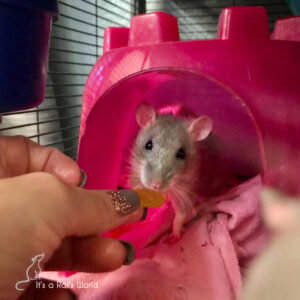
If your new rats are hiding, running away, or flinching at your approach, it is essential to avoid a hands-off approach. Delaying interaction only reinforces their fear. Instead, focus on creating predictable and positive encounters. Offering high-value treats, such as small pieces of fruit, vegetables, or specialized rat treats, from your hand can be a powerful tool for building trust. Initially, you might place treats near them or on your open palm, allowing them to take it at their own pace. Gradually, as they become more comfortable, you can encourage them to take treats directly from your fingers.
It is also common for new owners to worry about rat bites. While rats can bite under certain circumstances, particularly when startled or frightened, it is not an inherent trait. Understanding the context behind a bite, such as fear or accidental discomfort, is crucial. Avoidance of interaction due to fear of biting can lead to a negative cycle where the rats become more fearful due to lack of socialization, increasing the likelihood of defensive behaviors.
Quirks and Considerations: Beyond the Basics
While focusing on the core aspects of care and socialization, it’s also beneficial to be aware of some common and sometimes surprising rat behaviors.
The Sock-Nipping Phenomenon:
One peculiar, yet relatively harmless, behavior observed in some rats is a fascination with nipping socked feet. This is not an act of aggression but rather a curious exploration of textures and sensations. Rats have poor eyesight and often use their mouths to investigate their environment. While it can be startling, it is important to remember that this is generally a mild behavior that rarely breaks the skin. Understanding this quirk can prevent unnecessary alarm.
Sensitivity to Smells:
Rats possess a keen sense of smell, and certain strong odors can be highly disturbing to them. This includes the fumes from nail polish remover. If used in the vicinity of your rats, they may react by nipping at your fingers or toes, not out of malice, but because the smell is unpleasant and disorienting. It is advisable to avoid using such products when your rats are present or to ensure they are in a well-ventilated area far from your pets.
Essential Care Practices: Maintaining Health and Well-being
Beyond the initial socialization, consistent and proper care is fundamental to your rats’ long-term health and happiness.
Cage Cleaning Schedule:
Maintaining a clean living environment is paramount for preventing odor buildup and promoting health. Daily spot cleaning, which involves removing soiled bedding and waste, is highly recommended. A more thorough cage cleaning, including washing all accessories and replacing bedding, should be conducted weekly. The frequency of full cleanings can vary depending on the number of rats, their litter box habits, and whether they are male or female, as males tend to mark their territory more frequently. Resources on maintaining a clean habitat offer detailed guidance on optimal cleaning routines.
Nutrition and Feeding:
Rats have a fast metabolism and benefit from being fed multiple times a day. Splitting their main staple diet into breakfast and dinner allows them to graze at their natural pace while preventing overeating. Fresh fruits, vegetables, and small portions of other healthy foods can be offered as part of these meals or as occasional treats throughout the day. Consulting established rat diet guidelines and sample daily menus can provide comprehensive information on appropriate nutrition.
Veterinary Care:
The necessity of immediate veterinary care upon acquiring new rats depends heavily on their source. Rats from reputable rescues or breeders who adhere to strict health protocols may not require an immediate vet visit. However, rats obtained from pet stores, unverified sources, or situations where their health has been compromised may benefit from an initial veterinary check-up. Stress can weaken a rat’s immune system, making them susceptible to respiratory issues. Signs such as sneezing, wheezing, or labored breathing within the first few weeks warrant prompt veterinary attention. It is also prudent to begin setting aside funds for future veterinary expenses, as rats, like all pets, can incur unexpected medical costs.
Deepening the Bond: Playtime and Communication
As your rats become more comfortable, opportunities for interaction outside the cage become increasingly important for strengthening your bond.

Out-of-Cage Playtime:
Supervised playtime outside the cage is essential for a rat’s physical and mental stimulation. This can be facilitated in a dedicated "rat playground" or a safe, rat-proofed area of your home. Utilizing furniture, such as couches, can create a stimulating environment for exploration and interaction. These sessions provide valuable opportunities for bonding and observing your rats’ personalities and behaviors in a relaxed setting.
Understanding Rat Communication:
Rats communicate in a variety of ways, and learning to interpret their vocalizations, body language, and actions can significantly enhance your understanding of their needs and emotions. While this can take time and observation, recognizing these signals is key to building a deep and meaningful connection.
The journey of welcoming pet rats into your home is an ongoing process of learning and mutual discovery. By approaching this experience with patience, consistency, and a commitment to understanding their unique needs, you will foster a strong and enduring bond with these remarkable companions. The rewards of a trusting and affectionate relationship with your rats are immeasurable, offering a wealth of joy and enrichment to your life.

