


Published On: February 21, 2026
Last updated on: February 22, 2026
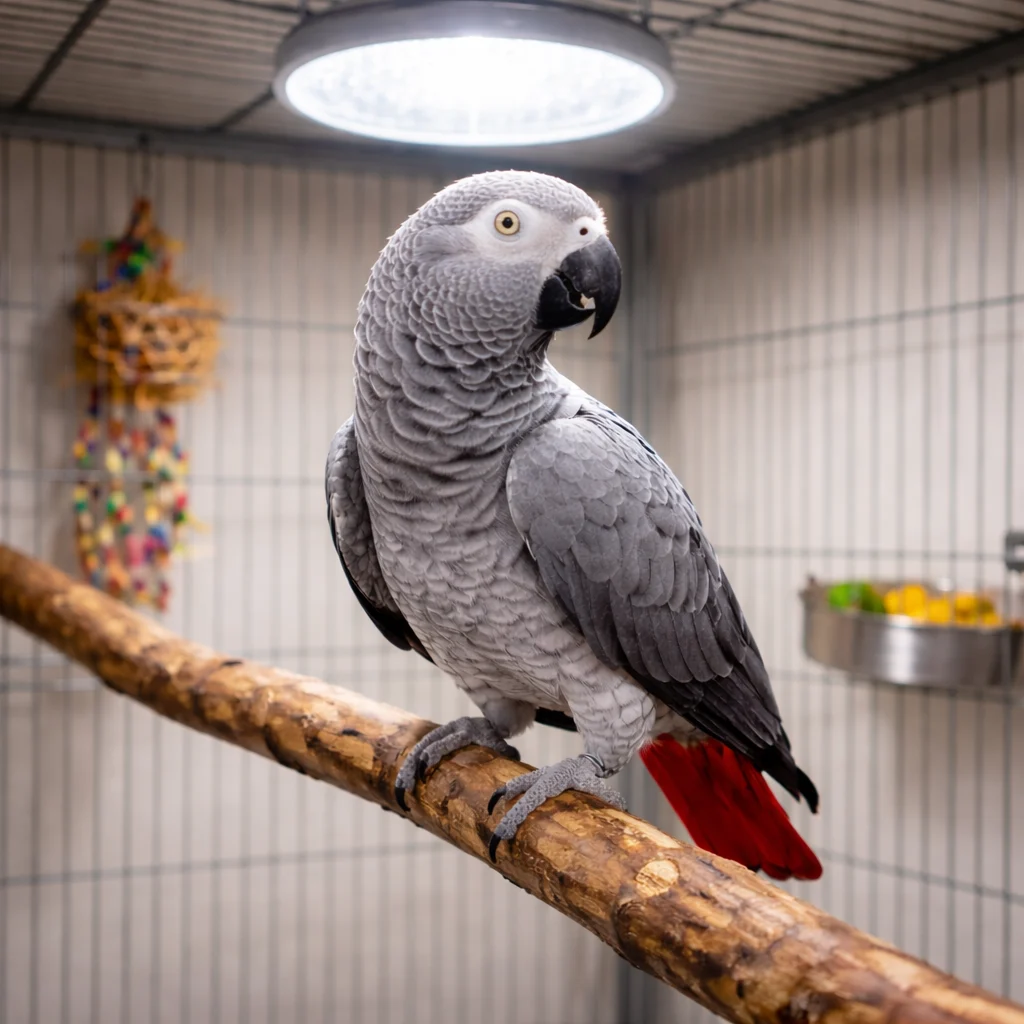
For many indoor avian companions, the transition from abundant natural light to the diminished illumination of winter months can pose a significant, yet often overlooked, health challenge. A recent assessment by avian wellness educator Diane Burroughs highlights a concerning trend: a substantial number of birds spending winter indoors without direct sunlight or proper UVB lighting are exhibiting signs of calcium and Vitamin D3 depletion. This condition, often mistaken for seasonal lethargy or a simple quirk, manifests through various physiological and behavioral changes, including weakened perch grip, increased irritability, dull feathering, and reduced activity levels. If left unaddressed, these subtle indicators can escalate into severe health complications, underscoring the critical need for proactive intervention.
The Silent Epidemic: Understanding Calcium and D3 Deficiency in Captive Birds
The core issue stems from the fundamental physiological requirements of avian species. Birds, particularly those originating from tropical and subtropical regions, are naturally adapted to synthesize Vitamin D3 when exposed to specific wavelengths of ultraviolet B (UVB) light. This synthesis typically occurs when UVB radiation interacts with preen oil on their feathers, which is then ingested during preening. Vitamin D3 is absolutely indispensable for the proper absorption and metabolism of dietary calcium, a mineral vital for numerous bodily functions beyond just strong bones. These include nerve transmission, muscle contraction (including heart muscle), blood clotting, and eggshell formation in laying hens.
When indoor birds are deprived of adequate UVB light during the winter, their ability to produce sufficient Vitamin D3 plummets. Consequently, even a diet rich in calcium becomes ineffective, as the mineral cannot be properly utilized by the body. Instead, calcium may simply pass through the digestive system unabsorbed, or, in a desperate compensatory mechanism, the bird’s body will begin to draw calcium reserves directly from its bones. This silent depletion can continue for weeks or even months, leading to a gradual weakening of the skeletal structure and impairment of crucial physiological processes before overt symptoms become apparent.
The Science Unveiled: How Light Fuels Life
The importance of UVB light for avian health cannot be overstated. Unlike humans who can absorb Vitamin D through skin exposure, birds primarily synthesize it via their uropygial (preen) gland. This gland secretes an oil that, when spread on feathers, absorbs UVB radiation. During preening, the bird ingests this irradiated oil, converting the precursor into active Vitamin D3 (cholecalciferol). This biologically active form is then metabolized in the liver and kidneys into calcitriol, the hormone responsible for regulating calcium and phosphorus levels in the blood.
Without this crucial pathway, birds rely solely on dietary Vitamin D3, which is often insufficient or poorly absorbed, particularly if the diet is not specifically formulated for captive birds or if the bird has underlying digestive issues. Many commercial "full-spectrum" lights do not emit the necessary UVB wavelengths, leading to a false sense of security among pet owners. It is critical to differentiate between full-spectrum visible light and light that specifically emits beneficial UVB radiation within the 290-320 nanometer range. Furthermore, the effectiveness of UVB bulbs diminishes over time, requiring regular replacement, typically every 6-12 months, even if they still appear to be emitting light.
Recognizing the Red Flags: A Diagnostic Guide for Avian Owners
Identifying calcium and Vitamin D3 deficiency early is paramount for preventing severe complications. Owners should be vigilant for a range of indicators, particularly if their bird has been indoors for an extended period without proper lighting.
Quick Diagnostic Indicators for Potential Calcium Deficiency:
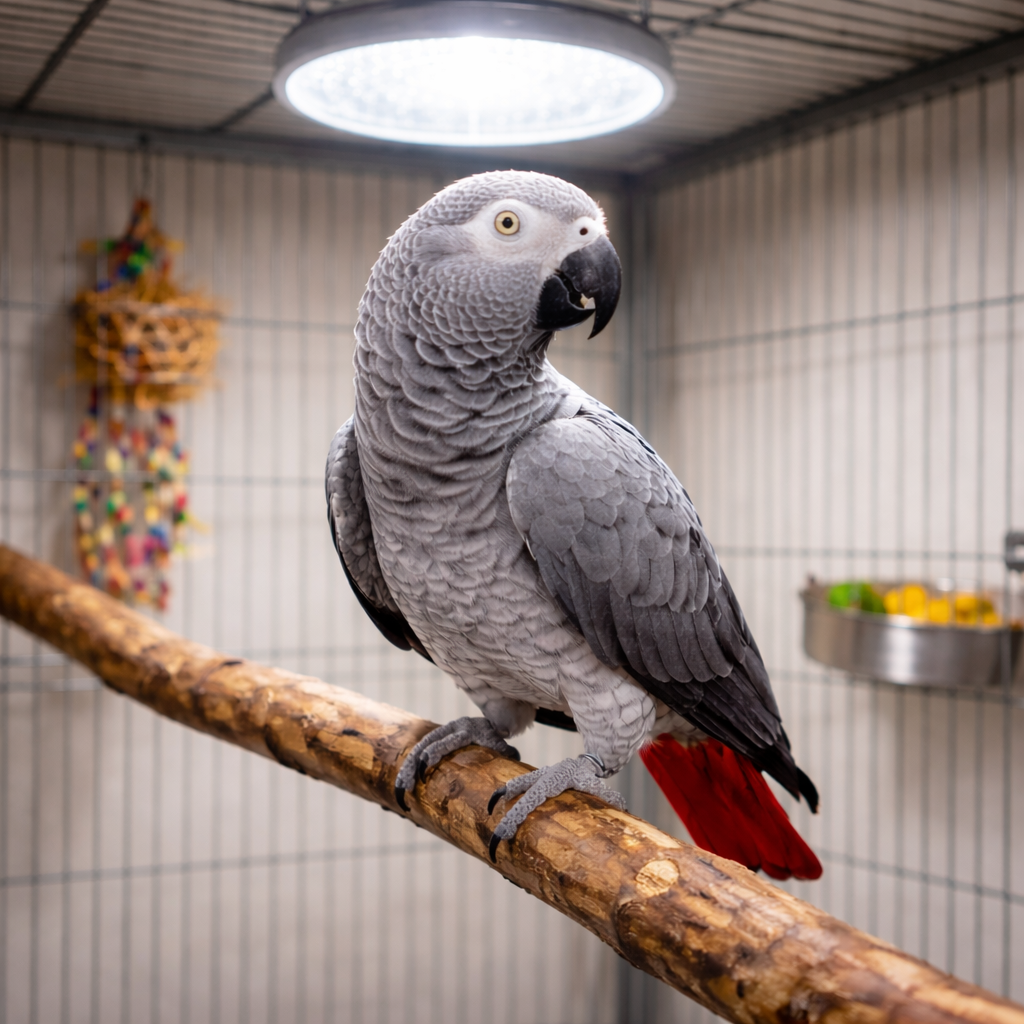
- Motor Skills: Sliding on perches, gripping less firmly, exhibiting uncoordinated movements, or experiencing difficulty landing. This suggests early calcium depletion affecting neuromuscular strength and coordination.
- Behavioral Changes: Increased irritability, heightened reactivity, excessive shredding or feather plucking, and a generally "shorter fuse." Imbalances in calcium and magnesium can significantly impact nervous system excitability, leading to mood alterations.
- Feather Quality: Dull, faded, or discolored feathers; the appearance of "stress bars" (horizontal lines across feather shafts); or a noticeably slow or abnormal molting process. Low Vitamin D3 directly impairs calcium utilization, which is essential for healthy feather follicle integrity and growth.
- Activity Levels: Reduced energy, less vocalization, decreased playtime, or prolonged periods of inactivity. A healthy bird should maintain consistent energy levels year-round.
- Physical Appearance: A slouched or hunched posture, dull eyes, or a less alert demeanor can be visual cues, as observed in comparisons between healthy and calcium-depleted birds.
It is imperative to understand that these symptoms are not "normal" seasonal variations. A healthy indoor bird should maintain its strength, coordination, feather quality, and characteristic behavior irrespective of the season. Any deviation from these norms, especially during winter, should prompt a thorough evaluation of the bird’s lighting and nutritional regimen.
The Progression of Deficiency: From Subtle Shifts to Critical Conditions
The insidious nature of calcium and Vitamin D3 deficiency lies in its gradual progression. Initially, symptoms may be subtle, easily dismissed by owners. A slight dullness in feathers, a momentary slip on a perch, or an occasional bout of grumpiness might not immediately raise alarms. However, as the body continues to draw calcium from its skeletal reserves, the condition worsens.
- Early Stages: Characterized by the subtle signs mentioned above – mild behavioral changes, minor coordination issues, and slight feather quality degradation.
- Moderate Stages: Symptoms become more pronounced. Weakened bones may lead to easy fractures, especially in active birds. Muscle tremors might appear, and the bird’s overall physical strength will visibly diminish. Reproductive issues, such as soft-shelled eggs or egg binding, become a significant risk for breeding females.
- Advanced Stages (Hypocalcemia): This is a medical emergency. Severe calcium depletion can lead to seizures, paralysis, severe tremors, and eventually cardiac arrest. Birds will often exhibit extreme weakness, inability to perch, and difficulty breathing. Expert veterinarians note that birds will prioritize calcium for vital organ functions (heart, muscles) by pulling it from bones. By the time neurological symptoms like falling, tremors, or seizures appear, bone strength may already be dangerously compromised.
Beyond Pellets: The Inadequacy of Diet Alone
A common misconception among avian owners is that a high-quality pelleted diet, supplemented with vegetables, is sufficient to meet all nutritional needs. While commercial pellets are often fortified with vitamins and minerals, their efficacy is contingent upon the bird’s ability to absorb and utilize these nutrients. As discussed, calcium, no matter how abundant in the diet, is largely useless without adequate Vitamin D3.
Therefore, simply increasing the amount of pellets, offering cuttlebone, or providing a basic calcium supplement will not rectify a Vitamin D3 deficiency. The problem is not necessarily a lack of calcium in the food, but a lack of usable calcium by the bird’s body. The solution, fundamentally, must address the underlying light problem or provide a direct, biologically available source of Vitamin D3.
Expert Consensus: Proactive Strategies for Avian Health
Avian veterinarians and nutritionists consistently emphasize a multi-faceted approach to prevent and correct winter-induced deficiencies. The consensus is clear: environmental enrichment, particularly through appropriate lighting, is as crucial as dietary management.
Dr. Alice Smith, a prominent avian veterinarian, states, "We frequently see cases of metabolic bone disease during the colder months, directly linked to insufficient UVB exposure. Owners must understand that indoor lighting, even bright ambient light, does not provide the specific wavelengths necessary for Vitamin D3 synthesis. It’s a fundamental requirement for captive birds."
Implementing the Winter Bone Reset: A Practical Guide
Based on expert recommendations, a comprehensive "Winter Bone Reset" program should include:
- Optimize UVB Lighting:
- Install a proper avian-specific UVB lamp: This is the cornerstone of prevention and treatment. These bulbs are designed to emit UVB wavelengths beneficial for birds.
- Correct Placement: Position the lamp at an appropriate distance from the bird’s favorite perch (typically 12-18 inches, depending on bulb type and wattage, always follow manufacturer’s instructions). The light should be unobstructed by glass or plastic, which filter out UVB rays.
- Appropriate Duration: Provide 10-12 hours of UVB exposure daily, mimicking natural daylight cycles.
- Regular Replacement: Replace UVB bulbs every 6-12 months, as their UVB output degrades significantly over time, even if they still appear to be working.
- Dietary Review and Supplementation (Under Veterinary Guidance):
- Balanced Diet: Ensure the bird is consuming a high-quality pelleted diet supplemented with fresh vegetables, fruits, and a small amount of healthy seeds.
- Calcium-Rich Foods: Incorporate calcium-rich vegetables like kale, spinach, broccoli, and fortified grains.
- Vitamin D3/Calcium Supplements: If a deficiency is suspected or confirmed, a veterinarian may recommend a specific Vitamin D3 and/or calcium supplement. Caution is advised: Over-supplementation of Vitamin D3 can be toxic, leading to kidney damage and calcification of soft tissues. This should always be done under the direct supervision of an avian vet.
- Safe Outdoor Access: Whenever weather permits, allow birds supervised access to unfiltered natural sunlight outdoors. This is the most effective way for them to synthesize Vitamin D3. Ensure the enclosure is secure and protected from predators and environmental hazards.
When to Seek Professional Intervention: Veterinary Urgency

While proactive measures are crucial, knowing when to consult an avian veterinarian is equally important. Any suspicion of advancing weakness or neurological symptoms warrants immediate professional attention.
Specific Red Flags Requiring Urgent Veterinary Consultation:
- Falling or Inability to Perch: A bird repeatedly falling off perches or unable to maintain balance.
- Tremors or Seizures: Involuntary muscle contractions or full-body convulsions.
- Lameness or Difficulty Moving: Limping, favoring a limb, or reluctance to move.
- Severe Lethargy or Collapse: Profound weakness, unresponsiveness, or inability to stand.
- Reproductive Issues: Egg binding or consistently soft-shelled eggs in breeding females.
A veterinarian can perform diagnostic tests, including blood work to measure calcium and Vitamin D3 levels, and potentially X-rays to assess bone density. Treatment may involve injectable calcium, prescription Vitamin D3 supplements, and supportive care to stabilize the bird’s condition.
Broader Implications: Advancing Avian Welfare
The issue of winter-induced calcium and Vitamin D3 deficiency extends beyond individual pet owners; it underscores broader implications for avian welfare and responsible pet ownership. As more exotic birds become companion animals, the responsibility falls on owners, veterinarians, and the pet industry to ensure their complex physiological needs are met within an artificial indoor environment.
Educational initiatives, improved product development for avian lighting, and increased awareness among the public are essential. By understanding the intricate link between light, Vitamin D3, and calcium metabolism, owners can provide a more natural and healthier environment for their feathered companions, preventing debilitating conditions and fostering a higher quality of life. This proactive approach not only safeguards individual birds but also elevates the standards of care for captive avian populations globally.
Key Takeaways:
- Indoor birds are highly susceptible to Vitamin D3 and calcium deficiency during winter months without proper UVB light.
- Symptoms range from subtle behavioral changes and dull feathers to severe neurological issues and bone fractures.
- UVB light is crucial for Vitamin D3 synthesis, which in turn is essential for calcium absorption. Pellets alone are insufficient.
- Proactive measures include proper avian UVB lighting, a balanced diet, and, if necessary, veterinarian-prescribed supplementation.
- Seek immediate veterinary care for advanced symptoms like tremors, seizures, or inability to perch.
Other Helpful Resources:
- Do Birds Need UVB Light Indoors? (birdsupplies.com/collections/bird-lights)
- Signs of Low Calcium in Parrots (birdsupplies.com/blogs/news/60-what-you-need-to-know-about-calcium-magnesium-and-vitamin-d-that-can-save-your-birds-life)
References:
(Original article did not list specific references, but would typically include peer-reviewed avian veterinary journals, avian nutrition guidelines, and professional veterinary textbooks.)
Meet Diane Burroughs, LCSW – licensed psychotherapist and avian wellness educator. With decades of behavior and nutrition experience, she helps bird owners understand what their birds’ bodies are actually doing – and what to do next.

