


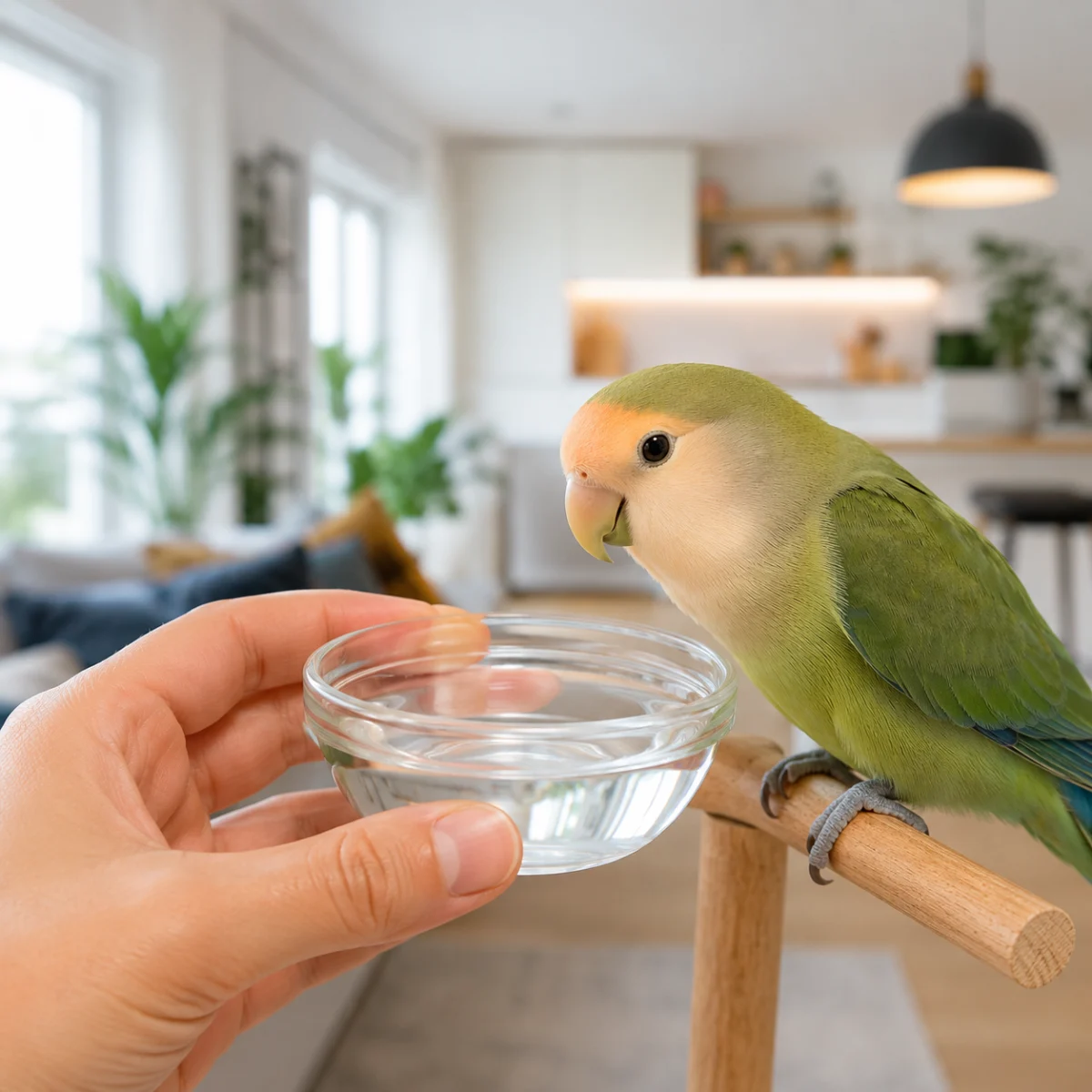
For bird owners seeking to enhance their companion birds’ health through nutritional supplements, a critical question often arises: should these vital additions be mixed into drinking water or incorporated directly into food? The answer, as leading avian veterinarians and nutritionists affirm, is not universally singular but depends fundamentally on the specific properties of the supplement, the bird’s individual habits, and the precise nutritional goal. This article delves into the science behind effective supplement delivery, providing a fact-based analysis to ensure avian companions receive optimal benefits.
The Evolving Landscape of Avian Nutrition and Supplementation
The understanding of avian dietary needs has undergone a significant transformation over the past few decades. Historically, many captive birds were fed rudimentary seed-only diets, which, while seemingly natural, are now known to be severely deficient in essential vitamins, minerals, and amino acids. This led to a plethora of health issues, prompting extensive research into avian physiology and nutritional requirements. The development of balanced commercial pellets marked a significant leap forward, providing a more complete foundational diet. However, even with high-quality pellets and fresh foods, supplementation remains a crucial consideration for many birds, particularly those with specific health conditions, breeding birds, birds under stress, or those recovering from illness.
Supplements aim to bridge nutritional gaps, support physiological functions, and enhance overall well-being. Common deficiencies in captive birds, such as Vitamin A (critical for immune function and epithelial health), Vitamin D3 (essential for calcium absorption), and calcium itself, are often targeted by supplementation. The efficacy of these interventions, however, hinges not just on the quality of the supplement but profoundly on its successful delivery and absorption by the bird.
Core Principles: Water-Solubility, Palatability, and Dosage Reliability
At the heart of the water-versus-food debate are three primary considerations: the supplement’s solubility, its impact on palatability, and the reliability of the dose delivered. These factors dictate the most effective and safe administration route.
Water-Soluble Supplements: Convenience Meets Caution
Many nutritional supplements are specifically formulated to dissolve completely in water. These typically include certain vitamins (e.g., B-complex, some forms of Vitamin C), electrolytes, and particular mineral compounds like chelated calcium. When such products fully dissolve, remain evenly dispersed, and do not alter the water’s taste or color significantly, they can offer a convenient and effective method for daily nutritional support. The continuous availability of supplemented water allows birds to self-regulate their intake over the day, theoretically ensuring a steady supply of nutrients.
-
Advantages of Water Delivery:
- Ease of Administration: Simple mixing into the daily water supply.
- Continuous Access: Birds can consume nutrients throughout the day as they drink.
- Reduced Stress: Avoids direct handling or forced feeding, which can be stressful for some birds.
- Good for Group Settings: Can easily supplement multiple birds in an aviary.
-
Challenges and Considerations for Water Delivery:
- Variability in Intake: Birds do not drink a consistent amount of water each day. Factors like environmental temperature, humidity, activity levels, and the moisture content of their food (e.g., fresh fruits and vegetables, chop) naturally influence water consumption. This variability means the exact amount of supplement a bird receives can fluctuate daily. While often acceptable for general nutritional support, this inconsistency makes water an unsuitable medium for medications requiring precise dosing.
- Supplement Stability: Some compounds degrade rapidly when exposed to air, light, or water contaminants. Ensuring the stability of the supplement in water for the entire day is crucial. Probiotics, for instance, can be sensitive to chlorine in tap water, which can neutralize their beneficial bacteria.
- Palatability Issues: Even if a supplement dissolves completely, it may subtly alter the water’s taste or smell. Birds, known for their sensitivity and neophobia (fear of new things), might reduce their water intake, leading to dehydration or insufficient nutrient consumption.
- Hygiene and Contamination: Supplemented water can become a breeding ground for bacteria if not changed frequently. Food particles, droppings, or debris from bathing can contaminate the water, compromising both the supplement’s efficacy and the bird’s health. Fresh supplemented water should be prepared at least once daily, or more often if soiled.
- Monitoring Intake: It is virtually impossible to accurately measure how much supplemented water an individual bird has consumed, making precise dose monitoring challenging.
Food-Mixed Supplements: Precision and Palatability Management
For supplements that do not readily dissolve in water, alter water palatability, or require an exact daily dose, mixing them with food is generally the preferred method. This category often includes oils (e.g., flaxseed oil, red palm oil), fat-soluble vitamins (A, D, E, K), certain powdered minerals (e.g., bentonite clay), herbal extracts, tinctures, and most medications.
-
Advantages of Food Delivery:
- Dose Reliability: When mixed thoroughly with a palatable food item that the bird reliably consumes in its entirety, this method allows for a much more accurate and consistent delivery of the intended dose. This is paramount for medications where under-dosing can lead to inefficacy and over-dosing can be toxic.
- Broader Range of Supplements: Accommodates supplements that are not water-soluble or are unstable in water.
- Taste Masking: Certain supplements with unpalatable tastes can be effectively masked by mixing them into highly favored foods like chop, mashed sweet potato, or a small portion of fruit.
- Targeted Delivery: Ideal for individual birds needing specific, precise interventions.
-
Challenges and Considerations for Food Delivery:
- Palatability and Refusal: Birds can be highly selective eaters. If a supplement changes the appearance, texture, smell, or taste of their favorite food, they may refuse to eat it, leading to zero intake.
- Uneven Distribution: If not mixed thoroughly, the supplement might be unevenly distributed, resulting in inconsistent intake.
- Waste: If the bird discards portions of the food, some of the supplement will be lost.
- Messiness: Powders or oils can sometimes make food messy, potentially deterring consumption or leading to more waste.
- Introduction Strategy: A gradual introduction strategy is often necessary. Starting with a tiny amount of supplement mixed into a small portion of a favorite food and slowly increasing the dosage over several days or weeks can help the bird acclimate without becoming suspicious.
Understanding Avian Drinking and Feeding Habits: The Crucial Determinants
A bird’s daily water intake is a dynamic variable, influenced by a complex interplay of environmental, physiological, and dietary factors. For instance, in hot, dry climates, or for birds primarily on a dry pellet diet, water consumption will naturally be higher. Conversely, birds consuming a diet rich in fresh fruits, vegetables, or sprouted seeds will derive significant moisture from their food, leading to lower observed water intake. Activity levels also play a role; a highly active bird will likely drink more. Even routine behaviors like bathing can make it appear as though a water bowl has been emptied, when much of the water was simply splashed out.
Similarly, feeding habits vary widely among species and individuals. Some birds are "power eaters" that consume their meals quickly, while others are grazers, nibbling throughout the day. Some are prone to "food play," scattering more than they eat. Understanding these individual nuances is crucial when deciding on the most effective supplement delivery method. A supplement mixed into a small, highly palatable "treat" that is guaranteed to be consumed can be more reliable than one spread across a full day’s meal for a picky eater.
Expert Recommendations and Best Practices
Avian veterinary professionals consistently emphasize several key guidelines for supplement administration:
- Follow Manufacturer Directions Explicitly: The most fundamental rule is to adhere strictly to the instructions provided on the supplement’s label. Products are formulated with specific delivery methods in mind to maximize efficacy and safety. A supplement labeled for drinking water should be used in water; one designed for food should be mixed with food. Deviating from these instructions can render the supplement ineffective or even harmful.
- Consult an Avian Veterinarian: Before introducing any supplement, a consultation with an avian veterinarian is strongly recommended. They can assess your bird’s specific dietary needs, existing health conditions, and current diet to determine if supplementation is truly necessary and which products are most appropriate. Over-supplementation, particularly of fat-soluble vitamins (A, D, E, K) and certain minerals, can lead to toxicity, which can be as detrimental as a deficiency.
- Ensure Freshness: Regardless of the delivery method, ensure that supplemented water or food is prepared fresh daily. This maintains the supplement’s potency and prevents bacterial growth.
- Monitor Your Bird’s Response: Observe your bird closely after introducing a supplement. Look for changes in appetite, drinking habits, droppings, energy levels, and overall behavior. Any adverse reactions warrant immediate cessation of the supplement and veterinary consultation.
- Address Palatability: If a bird refuses supplemented food, do not immediately give up. Experiment with different palatable foods (e.g., a small portion of mashed banana, apple sauce, cooked sweet potato, or a favorite fruit/vegetable) to mix the supplement into. Introduce the supplement gradually, starting with a minimal amount and slowly increasing to the recommended dose. This "stealth" approach often bypasses a bird’s natural wariness.
- Avoid Mixing Multiple Supplements Without Guidance: Unless explicitly stated by the manufacturer or advised by a veterinarian, avoid mixing different supplements in the same water or food. Interactions between compounds can reduce efficacy, alter stability, or even create harmful byproducts.
- Consider Species-Specific Needs: Different bird species have varying metabolic rates and dietary requirements. For example, a lory’s nectar-based diet requires different supplementation strategies than a parrot on a pellet and seed mix.
Common Supplement Categories and Ideal Delivery
- Calcium Supplements: Many forms of calcium, particularly calcium gluconate or calcium citrate, are formulated to be water-soluble and are often effectively administered in drinking water. However, some birds may benefit from calcium added to soft foods, especially if their water intake is low or if a higher, more consistent dose is needed. Cuttlebone and mineral blocks provide environmental calcium but cannot be precisely dosed.
- Multivitamin/Mineral Complexes: These are available in both water-soluble powders and formulations designed to be dusted onto food. The choice depends on the specific product’s design and the bird’s acceptance.
- Probiotics and Prebiotics: Often formulated as water-soluble powders to support gut health. Care must be taken to use non-chlorinated water to protect the live bacterial cultures. Some are also designed to be sprinkled on moist food.
- Omega Fatty Acids (e.g., from flaxseed oil, red palm oil): These are oils and are best mixed with soft foods. They are not water-soluble and would separate in water.
- Herbal Extracts and Tinctures: Typically administered directly (e.g., a few drops onto a favorite treat or fruit) or mixed into a small amount of moist food.
- Enzymes: Usually powdered and mixed with food to aid digestion.
The Broader Impact: Preventing Deficiencies and Toxicities
The correct administration of avian supplements has profound implications for a bird’s long-term health and welfare. Improper delivery methods can lead to two critical issues:
- Under-supplementation: If the supplement is not consumed in sufficient quantities, the underlying nutritional deficiency persists, potentially leading to chronic health problems, impaired immune function, poor feather quality, reproductive issues, and reduced longevity.
- Over-supplementation/Toxicity: Conversely, if a bird consumes too much of a particular nutrient, especially fat-soluble vitamins or certain minerals, toxicity can occur. For example, excessive Vitamin D3 can lead to hypercalcemia, resulting in kidney damage and calcification of soft tissues. This risk is higher when owners deviate from recommended dosages or mix multiple supplements indiscriminately.
By understanding the principles of supplement formulation, avian physiology, and individual bird behavior, owners can significantly enhance the effectiveness of their supplementation efforts. The goal is to provide targeted nutritional support that complements a balanced diet, without causing stress or inadvertently harming the bird.
Conclusion
In summary, the optimal method for delivering nutritional supplements to birds is not a one-size-fits-all solution. It is a nuanced decision guided by the specific properties of the supplement itself – primarily its solubility, stability, and taste profile – alongside the bird’s unique drinking and eating habits. Water can be an excellent vehicle for truly water-soluble, palatable compounds that do not require exact daily dosing. For oils, powders that coat food, and especially medications requiring precise intake, mixing with food offers greater control and dose reliability.
The overarching principle, endorsed by avian health professionals, remains clear: always defer to the manufacturer’s instructions on the product label. These guidelines are developed through research to ensure maximum efficacy and safety. When in doubt, or when a bird exhibits reluctance to consume a supplement via a particular method, consulting an experienced avian veterinarian is the most prudent course of action. Through informed choices and careful observation, bird owners can successfully integrate supplements into their avian companions’ routines, fostering healthier, more vibrant lives.

