


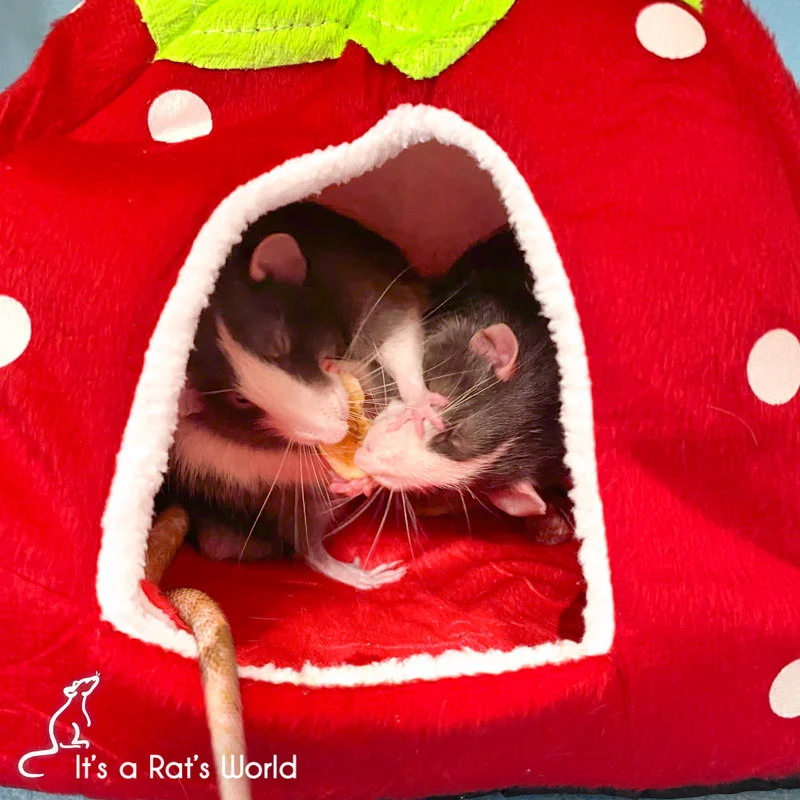
When new acquaintances learn of a deep fascination with rats, the initial reaction is often one of surprise, followed by a flurry of questions. While the intricacies of rat care and behavior are extensive, a concise explanation often falls short of conveying the truly captivating nature of these often-misunderstood animals. This article delves into the delightful and amusing quirks that make rats endlessly fascinating, moving beyond common misconceptions to highlight their unique personalities and behaviors, as observed by dedicated rat enthusiasts and supported by broader understanding of rodent ethology.
The Expressive World of Bruxing and Boggling
Among the most well-known and cherished idiosyncrasies of domestic rats is the phenomenon of "bruxing" and "eye boggling." These behaviors, though appearing unusual to the uninitiated, are vital indicators of a rat’s emotional state and overall well-being.
Bruxing, the rhythmic grinding of teeth, serves a dual purpose. Primarily, it is a biological necessity for rats, as their incisors grow continuously throughout their lives. Regular bruxing helps to keep these teeth at a manageable length, preventing overgrowth that could lead to serious dental issues. This natural wear process is essential for a rat’s ability to eat and maintain good health. Veterinary literature consistently emphasizes the importance of providing safe chewing materials for pet rats to aid in this natural dental maintenance.

However, bruxing extends beyond mere dental hygiene; it is a significant form of emotional expression. While rats may brux when experiencing stress or fear, it is far more commonly associated with states of happiness and contentment. For owners, the soft, rhythmic clicking sound of bruxing is often interpreted as the rat equivalent of purring, a sound that signifies a relaxed and joyful animal. Studies on animal vocalizations and behaviors suggest that such repetitive, non-threatening sounds can indeed be indicators of positive emotional states, fostering a bond between the animal and its caretaker.
Eye boggling, a more visually striking behavior, involves the rapid, involuntary movement of a rat’s eyeballs. This can cause the eyes to bulge outwards from the sockets in a series of rapid oscillations, a phenomenon that can appear startlingly exaggerated, akin to cartoon animations. While this visual display may seem alarming, especially to those unfamiliar with it, it is intrinsically linked to bruxing.
The physical mechanism behind boggling involves the intense vibration of jaw muscles located just behind the rat’s eyes. When a rat is experiencing intense positive emotion and engaging in vigorous bruxing, these muscle contractions can cause the eyeballs to vibrate along with them. The result is the characteristic boggling effect. Therefore, observing eye boggling is a strong indication of a deeply contented and happy rat. The intensity of the boggling often correlates with the intensity of the bruxing and the rat’s overall state of pleasure.
The initial encounter with eye boggling can be a source of genuine concern for new rat owners. Without prior knowledge or context, the sight of a rat’s eyes seemingly protruding from its head can lead to understandable alarm. Anecdotal accounts from experienced rat owners often recall similar experiences of confusion and even fear, leading to veterinary consultations. Historically, before widespread access to information via the internet, veterinary professionals may not have been universally familiar with this common rat behavior, sometimes leading to misdiagnosis or the dismissal of the owner’s observations. However, as the domestic rat community has grown and shared information, it has become clear that boggling is a normal, albeit dramatic, expression of a rat’s joy. This highlights the importance of owner education and the dissemination of accurate information regarding exotic pet behaviors.

The Meticulous World of Rat Grooming
Contrary to the pervasive stereotype of rats as unclean creatures, both wild and domestic rats are remarkably fastidious groomers. This innate drive for cleanliness is readily observable in pet rats and is a testament to their sophisticated hygiene habits.
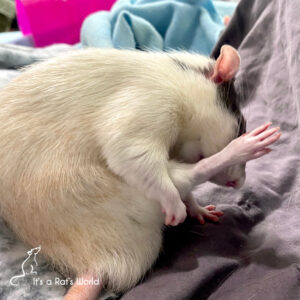
Rats dedicate significant portions of their day to self-grooming, meticulously attending to nearly every part of their bodies. Using their agile paws and precise teeth, they comb through their fur, removing dirt, debris, and loose hairs. This process can appear almost ritualistic, with rats often adopting contorted positions to reach less accessible areas. Their dedication to cleanliness extends to even the most challenging spots, such as their ears, which they may clean with their hind feet, followed by careful inspection of their toes. This thoroughness underscores their commitment to maintaining their physical condition.
Owners often find particular amusement in observing the intricate details of foot-grooming sessions, where rats will meticulously clean each individual toe, often splaying them out to ensure complete coverage. This level of detail in their self-care routine is a clear indicator of their hygienic nature.
An interesting, and often humorous, exception to their otherwise comprehensive grooming routine is their tail. In decades of observation by experienced keepers, the grooming of the tail is a remarkably rare occurrence. Witnessing a rat clean its tail is often a noteworthy event, prompting surprise and a pause in the observer’s activities. This selective neglect of the tail, while their bodies are otherwise immaculately maintained, adds another layer to their peculiar grooming habits, making any rat that does attend to its tail a truly unique specimen.
Allogrooming: The Social and Sometimes Pushy Side of Cleanliness
The pursuit of cleanliness extends beyond self-care for rats; they also engage in "allogrooming," the act of grooming other individuals. This behavior is common among many social animals, but rats exhibit a particularly enthusiastic and sometimes assertive approach to it.
Rats will readily groom their cagemates, fostering social bonds and maintaining a communal level of hygiene within their group. This social grooming is a crucial aspect of their pack dynamics. However, their allogrooming extends to their human companions as well, and this is where their behavior can become both endearing and, at times, slightly overwhelming.
The intensity with which rats engage in allogrooming can sometimes feel like a critique of their human’s cleanliness, as they may immediately begin grooming themselves after being touched, as if to erase any perceived contaminants. This can be interpreted humorously as a subtle, yet blunt, commentary on human hygiene standards.
Their dedication to grooming their owners can manifest in various ways. Some rats develop a particular fascination with their owner’s hair, gently licking or nibbling at it. Others focus on the face, with a notable preference for grooming the cheeks and eyelids. While this demonstrates a desire to care for their human, the "gentle" nibbles can feel quite intense on delicate facial areas.
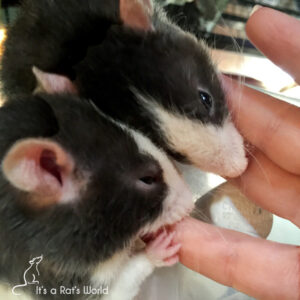
A significant portion of rats exhibit a strong predilection for grooming their owner’s hands and, more specifically, their fingernails. This behavior has led to the informal classification of some rats as "habitual nail biters." Rather than focusing solely on their own nails, these rats seem compelled to "trim" their human’s. This act, while potentially startling, is likely perceived by the rat as a helpful service, an effort to maintain their human’s grooming standards. The owner, in turn, can view these persistent grooming sessions as a form of unsolicited "rat-icure," a testament to their rat’s attentive nature.
Rodentistry: The Ultimate Act of Allogrooming
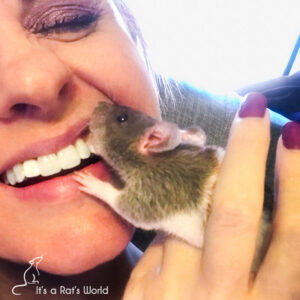
Perhaps one of the most astonishing and amusing manifestations of a rat’s allogrooming drive is their fixation on their owner’s teeth. This behavior, so unique and pronounced, has earned its own descriptive term within the rat-keeping community: "rodentistry." A rat exhibiting this behavior is known as a "rodentist."
These dedicated rodentists will fearlessly insert their heads into their human’s mouth, with the apparent sole purpose of cleaning the teeth. The exact nature of what they perceive as needing removal—be it food particles, plaque, or other oral debris—remains a subject of playful speculation. However, their determination is unwavering; they will persist until they feel their task is complete.
The experience of having a rodentist can be quite intense. The rat’s small, sharp claws can feel quite insistent as they attempt to gently pry open the human’s mouth. Despite protests, often expressed through muffled laughter and attempts to keep the lips tightly closed, the rodentist remains committed to its perceived duty. This can result in minor, superficial scratches around the mouth, a small price to pay for the sheer amusement and the unique bond formed through this peculiar behavior. The sheer dedication and the almost obsessive nature of this act make it one of the most memorable and talked-about rat quirks.
Taste-Testers: A Bold Approach to Food Acquisition
When it comes to food, rats exhibit a remarkable lack of inhibition. If allowed free-roam time during their owner’s meals, they will not hesitate to assert their interest in acquiring a taste of whatever is being consumed. Their approach is direct and unceremonious; they do not employ polite requests or employ pleading gazes.
The moment the scent of appealing food is detected, rats within a considerable radius will converge with remarkable speed, intent on snatching morsels directly from plates or fingers. Even the act of quickly ingesting food does not deter them; they are known to be persistent in their attempts to access it, sometimes even resorting to licking their owner’s lips clean.
This bold food-acquisition strategy is not reserved solely for humans; rats are equally assertive with each other. Witnessing rats snatch food directly from the mouths of their cagemates is a common occurrence, highlighting a deeply ingrained competitive instinct related to sustenance.
This behavior extends to beverages as well. Rats are not above perching on the edge of glasses or mugs, partaking in whatever liquid is available. The acceptance of this behavior by owners often involves a resigned understanding that shared dining experiences are an inevitable part of rat ownership. This unapologetic approach to food reinforces their reputation for opportunism, yet within the context of pet ownership, it adds to their charismatic and often humorous nature.

Sleeping Styles: From Vulnerable to Uninhibited
The sleeping habits of rats, while generally unremarkable, can also present surprising and endearing variations. While most rats tend to sleep in positions that afford them a sense of security, some individuals display a remarkable lack of self-consciousness, adopting positions that appear highly vulnerable.
The most striking of these is "back-sleeping," where a rat sleeps sprawled out on its back, belly exposed. This behavior is generally less common among rats, as it leaves them feeling exposed and susceptible to perceived threats. However, for some rats, this uninhibited posture is a preferred method of rest, suggesting a profound sense of trust and comfort in their environment.
In some instances, this back-sleeping behavior can become contagious within a rat group. Anecdotal evidence from long-term rat owners suggests that this trait can be inherited or learned, with entire groups of rats adopting this unusual sleeping position. The sight of multiple rats sleeping simultaneously on their backs, often in close proximity, is a testament to their social dynamics and their capacity for shared behavioral patterns.
Drinking in Tandem: A Codependent Quirk
Another peculiar social behavior observed in rats is "drinking in tandem," where multiple rats will attempt to drink from a single water bottle nozzle simultaneously. This behavior, while not exclusive to any single rat, can manifest in particularly dramatic ways in some individuals.

One documented instance describes a rat named Potter who, while sleeping on his back, positioned himself directly beneath the water bottle. This inadvertently prevented his cagemates from accessing water without disturbing him. Potter, it seems, did not enjoy drinking alone and actively sought out company for this activity. If another rat approached the water source when he was awake, he would abandon his current activity to join them.
This desire for communal drinking was so strong that it eventually influenced his entire group, leading to all four rats regularly attempting to drink concurrently from the single nozzle. Adding another layer of eccentricity, Potter would often perform his drinking while still on his back, even as his upright companions jockeyed for position. While tandem drinking itself is not an isolated quirk, Potter’s codependent and dramatic approach to the activity highlights the diverse and often amusing ways rats interact and express their social needs.
The Ever-Expanding Repertoire of Rat Quirks
The behaviors discussed above represent only a fraction of the astonishing range of amusing and endearing traits that domestic rats possess. Each rat, with its unique personality, has the capacity to develop and display quirks that continue to surprise and delight their owners. The moment an owner believes they have encountered every possible eccentric habit, their rat will inevitably find a new way to challenge that perception.
The continued observation and sharing of these unique behaviors underscore the complexity and richness of the rat’s inner world. As research into animal cognition and behavior progresses, and as more individuals embrace rat ownership, our understanding of these intelligent and captivating creatures continues to deepen, revealing a world of fascinating adaptations and individual expressions. The ongoing discovery of new quirks ensures that the study of rat behavior remains a dynamic and endlessly rewarding endeavor for those who share their lives with these remarkable rodents.

