


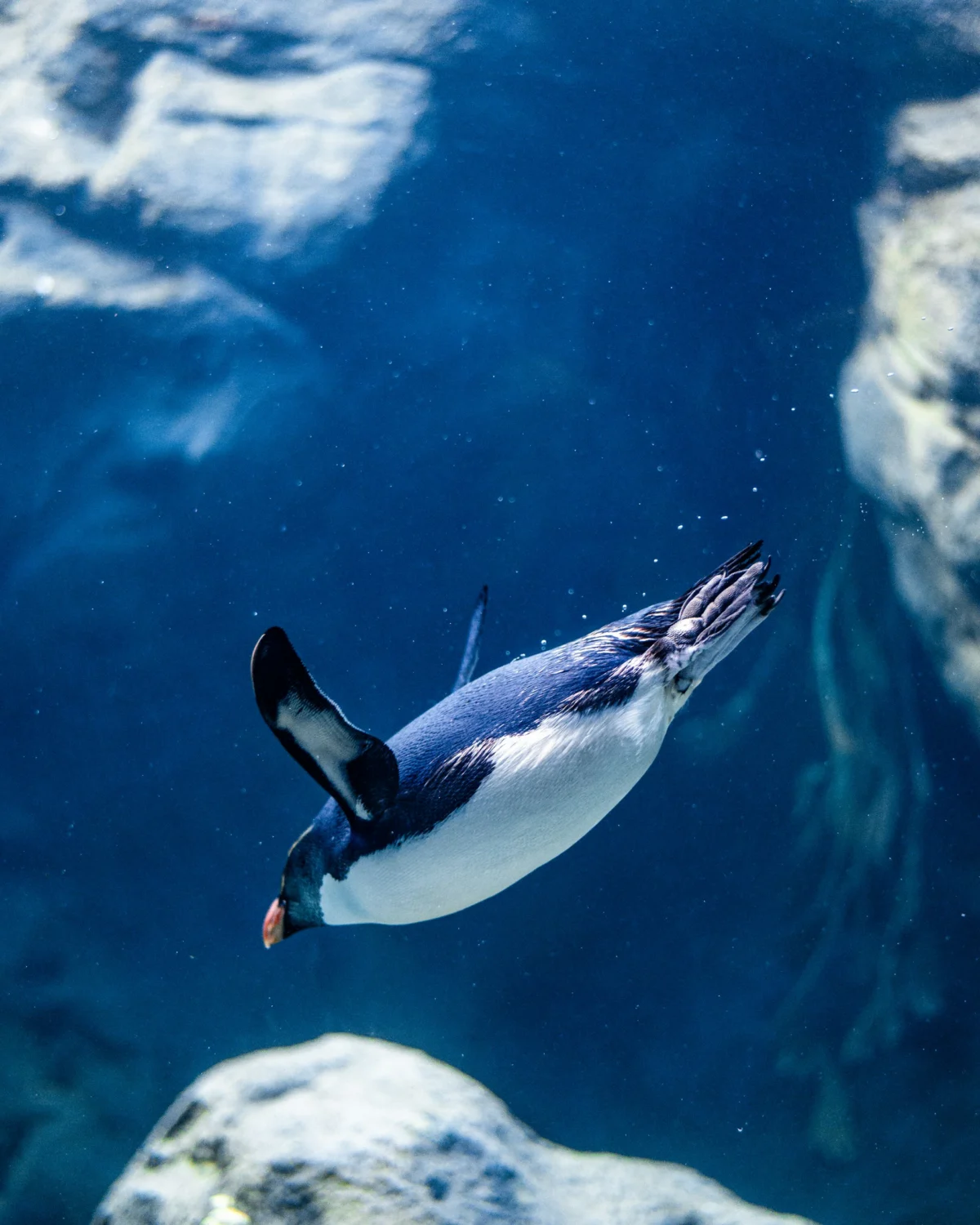
The charming, almost comical waddle of penguins has long captivated observers, leading many to wonder about the mechanics behind their unique gait. With their bodies seemingly rooted directly to their broad, webbed feet, it appears as though penguins might lack discernible legs. This visual deception, however, belies a fascinating anatomical reality: penguins possess knees, but these crucial joints are expertly concealed beneath layers of dense feathers, a testament to their remarkable evolutionary adaptations. This article delves into the hidden anatomy of penguins, exploring the presence and function of their knees, and explaining why their distinctive locomotion appears so legless.
The Anatomy of a Waddle: Unveiling the Penguin’s Knees
Contrary to initial appearances, all penguin species are equipped with knees. These joints, fundamental to locomotion in terrestrial animals, are simply not visible externally due to the bird’s thick, insulating plumage. This strategic concealment is just one of many adaptations that have allowed these flightless seabirds to thrive in diverse and often harsh environments across the Southern Hemisphere.
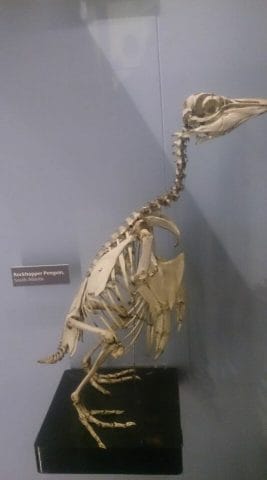
A closer examination of a penguin’s skeletal structure reveals a surprising anatomy. Compared to their relatively short torsos, penguins possess disproportionately long legs. Similar to other avian species, these legs include a fibula, femur (thigh bone), patella (kneecap), and a knee joint. However, the key to their distinctive gait lies in the positioning and structure of these components.
The Enigmatic Kneecap: A Unique Avian Feature
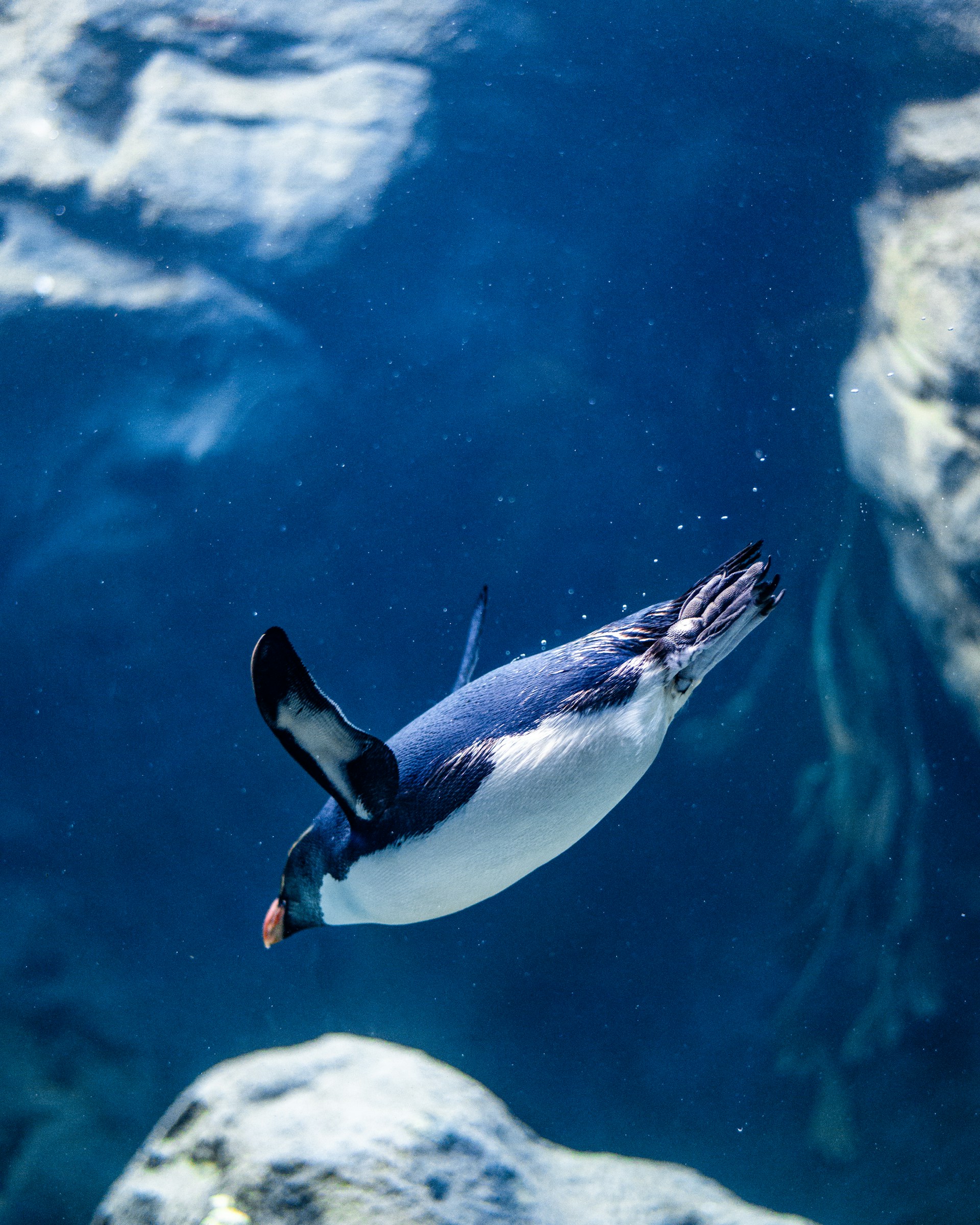
While the presence of knees is common among birds, the presence of a fully formed kneecap, or patella, is not universal. Penguins, however, do possess patellae. What distinguishes penguin kneecaps is their shape. Unlike the more rounded human patella, a penguin’s kneecap is cube-shaped. This unique morphology allows it to fit snugly within the surrounding tendons, facilitating the flexion of the knee joint necessary for walking. This adaptation is crucial for their terrestrial movements, enabling them to navigate icy terrains and maintain balance.
The skeletal structure of penguins is a marvel of evolutionary engineering, optimized for both their aquatic prowess and their terrestrial challenges. The seemingly short legs that give them their characteristic waddle are, in fact, elongated, with the majority of the leg hidden beneath their dense feathers. This arrangement is not merely aesthetic; it serves a vital functional purpose.
The Skeletal Symphony: Upper Legs, Knees, and Lower Legs
The penguin’s upper leg, or thigh, much like that of humans, forms a roughly 90-degree angle with the lower leg. The femur, or thighbone, is notably shorter in penguins than in many other bird species and connects to the pelvis, forming a hip joint. This compact arrangement contributes to their upright posture.
A significant adaptation evident in penguin skeletal structure is the density of their bones. Unlike flying birds, which possess lightweight, hollow bones to aid in flight, penguins have heavier, more solid bones. This increased bone mass serves a crucial purpose in their aquatic lifestyle. It reduces buoyancy, allowing them to dive deeper and swim more efficiently without expending excessive energy to counteract upward forces. This denser bone structure is a direct consequence of their evolution away from flight and towards a life spent primarily in the water.
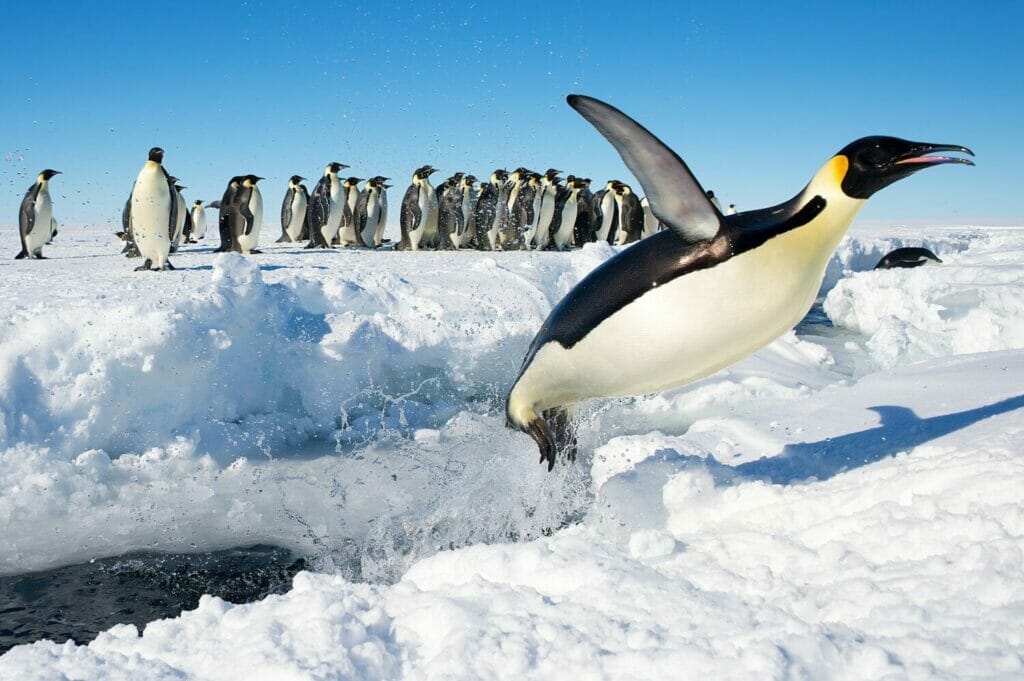
The penguin’s knees are permanently bent, holding their lower legs in a near-vertical position. This constant flexion, while limiting the range of motion at the knee joint itself, is essential for maintaining their upright stance on land. The presence of the patella provides protection to this crucial joint. The knee joint is situated high up on the body, just above the tip of their flippers, contributing to the illusion of very short legs.
The lower legs of penguins are characterized by long tibiotarsi, the fused tibia and fibula bones, analogous to the human shinbone. The exceptional length of these bones means that the rest of the leg structure, including the knees and upper legs, are positioned much higher within the bird’s body. This structural arrangement is key to their unique gait.
The Anchors of the Antarctic: Ankles and Feet
What are most visible of a penguin’s legs are its powerful ankles and large, webbed feet. These features are often mistaken for knees by casual observers. The ankles are robust and play a critical role in propulsion and stability. The large, webbed feet are not just for show; they are essential tools for both aquatic and terrestrial environments. The webbing enhances their efficiency as paddles in the water, providing significant thrust. On land, these broad feet offer a stable platform, allowing them to maneuver with surprising agility across slippery surfaces. Penguin feet typically have three forward-facing toes and a smaller, rear-facing toe (hallux), all equipped with sharp claws that aid in gripping prey and navigating icy terrain.
The Functional Role of Penguin Knees
The knees of penguins, though hidden, are integral to their survival and daily activities. Their functions are diverse and critical:
Propulsion and Stability: Movement on Land and Sea
The primary role of a penguin’s knees is to facilitate movement. In the water, the bent knee allows for powerful strokes that propel them through the ocean. On land, the constant flexion of the knees, combined with their unique leg structure, allows them to maintain an upright posture and walk with their characteristic waddle. This gait, while appearing inefficient, is surprisingly effective for navigating snowy and icy landscapes. The ability to "slice" on snowy banks and stand firmly on solid ground is directly enabled by the stability provided by their knee structure.
Furthermore, the elevated position of their knees, which leads to a short-legged appearance, contributes to their streamlined body shape in the water. This anatomical advantage allows them to swim with greater speed and efficiency, cutting through the water with minimal drag.
Beyond locomotion, their knees also enable them to perform essential daily tasks. Penguins utilize their knees to stand up and sit down, even when sleeping, providing a stable base for rest.
The Nesting Instinct: Incubation and Egg Care
Knees also play a surprisingly important role in penguin reproduction. During the breeding season, many penguin species incubate their eggs by carefully balancing them on their feet, cradled between their knees. This practice shields the precious eggs from the frigid ground, ensuring they remain warm and protected within the insulating folds of the parent’s body. The ability to precisely position and maintain the egg using their knees and feet is a vital behavior for successful chick hatching.
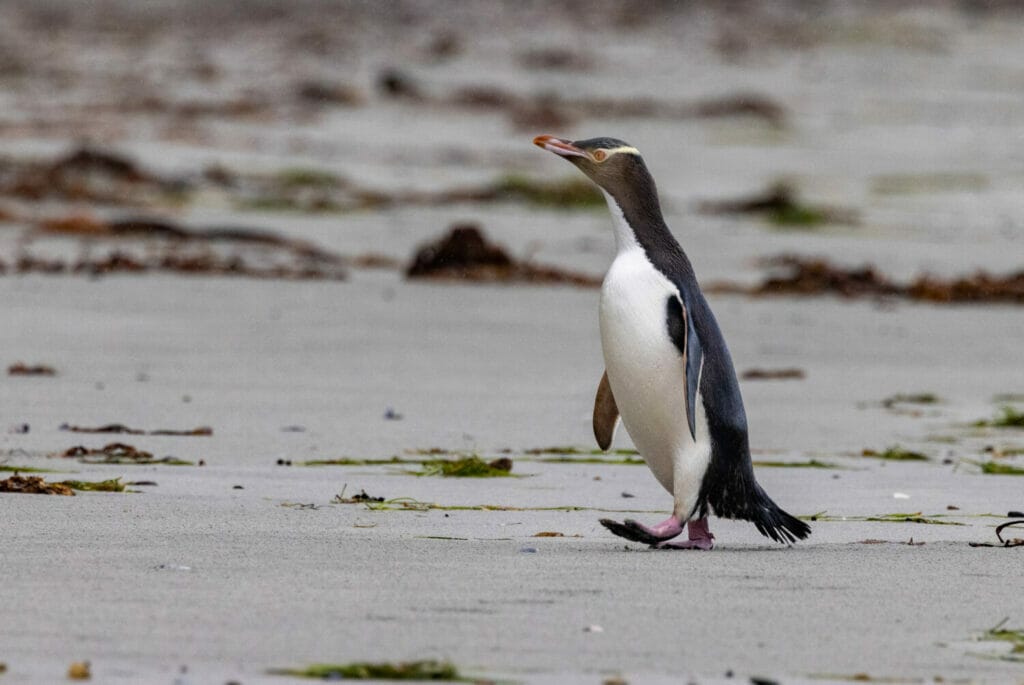
Deconstructing the Waddle: Why the Distinctive Gait?
The penguin’s waddle is a direct consequence of several intertwined anatomical and behavioral factors:
The Advantage of Large Feet
Penguins possess disproportionately large feet relative to their body size. While these feet are essential for propulsion in water and stability on land, their sheer size makes graceful, rapid leg movements on land cumbersome. The waddle allows them to efficiently shift their weight and move these substantial appendages forward.
The Impact of High-Set Knees
As previously discussed, the penguin’s knees are positioned high on their body, allowing for a longer lower leg. This arrangement is advantageous for swimming, providing greater flexibility and range of motion in the water. However, on land, this leads to a somewhat awkward gait. The limited rotation at the hip and the constant bending of the knees result in the side-to-side rocking motion characteristic of a waddle.
The Aerodynamic Body Shape
The oval, streamlined body shape of penguins, optimized for hydrodynamics, also contributes to their waddling gait. Their leg bones occupy a significant portion of their skeletal structure, and the most efficient way for them to propel this body mass forward on two legs is through a side-to-side rocking motion.
The Efficiency of Energy Conservation
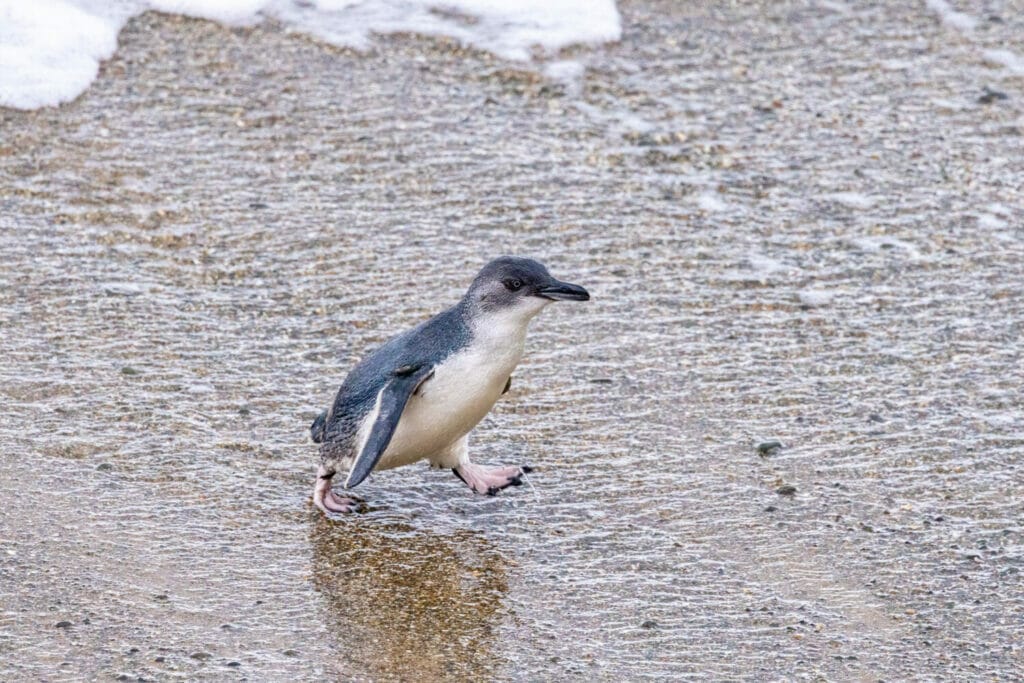
For bipedal animals, walking is inherently energy-intensive. Penguins, with their substantial body mass and dense bones, require a significant amount of energy to move on land. Waddling is a biomechanically efficient method of locomotion that minimizes energy expenditure. By conserving energy on land, penguins can dedicate more resources to essential activities like foraging, breeding, and surviving in their challenging habitats. This strategy is particularly crucial for species that undertake long migrations or spend extended periods away from their breeding colonies.
A Deeper Understanding of Avian Engineering
The penguin’s anatomy, from its hidden knees to its dense bones and large feet, represents a remarkable evolutionary journey. While their waddle may appear clumsy to the untrained eye, it is, in fact, a highly effective and energy-efficient mode of locomotion that has allowed them to conquer diverse aquatic and terrestrial niches. The mystery of their seemingly legless appearance is resolved by understanding the sophisticated adaptations that enable them to thrive in some of the planet’s most unforgiving environments.
Frequently Asked Questions
Where do penguins live?
Penguins are exclusively found in the Southern Hemisphere. Their populations are most concentrated in Antarctica, but they also inhabit coastal regions and islands of South America, Africa, Australia, and New Zealand.
How many penguin species are there?
Currently, there are 18 recognized species of penguins, each adapted to specific environmental conditions and exhibiting unique characteristics.
Are penguins really birds?
Yes, penguins are unequivocally classified as birds. They possess all the defining characteristics of avian life, including laying eggs, having feathers, and possessing wings, even though their wings have evolved into flippers for swimming rather than for flight.
Where can you see penguins outside of Antarctica?
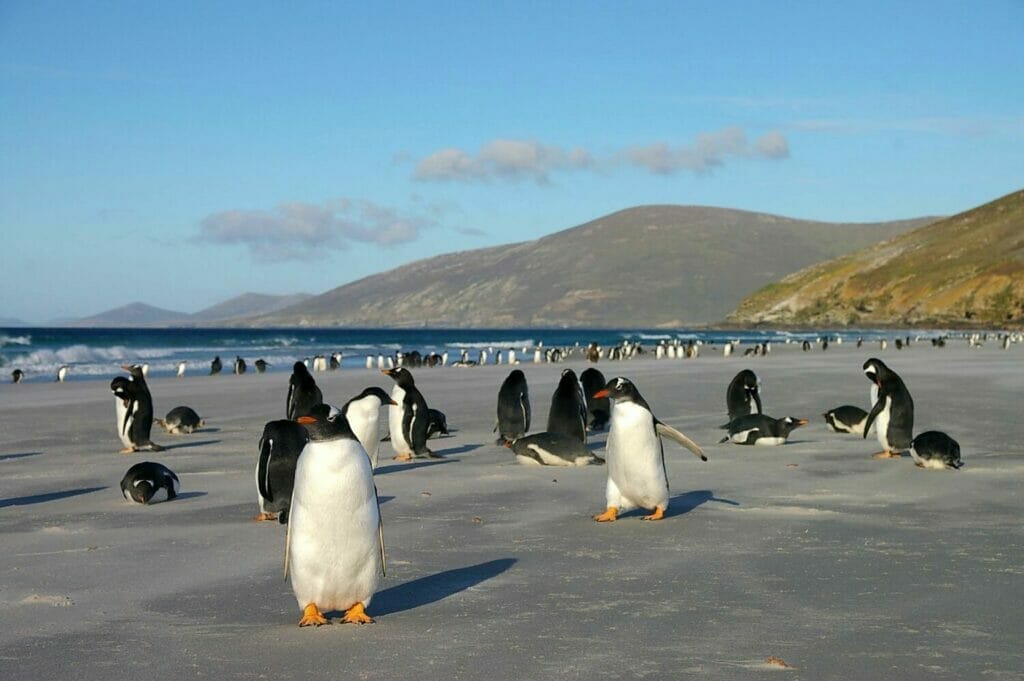
Several locations offer opportunities to observe penguins in their natural habitats beyond the Antarctic continent. These include the Falkland Islands, South Georgia, the Galápagos Islands (which straddle the equator but are influenced by cold ocean currents), parts of the coastlines of South Africa, Australia (particularly Tasmania and Victoria), and New Zealand. Many zoos and aquariums worldwide also house penguin exhibits, providing educational opportunities for the public.

