


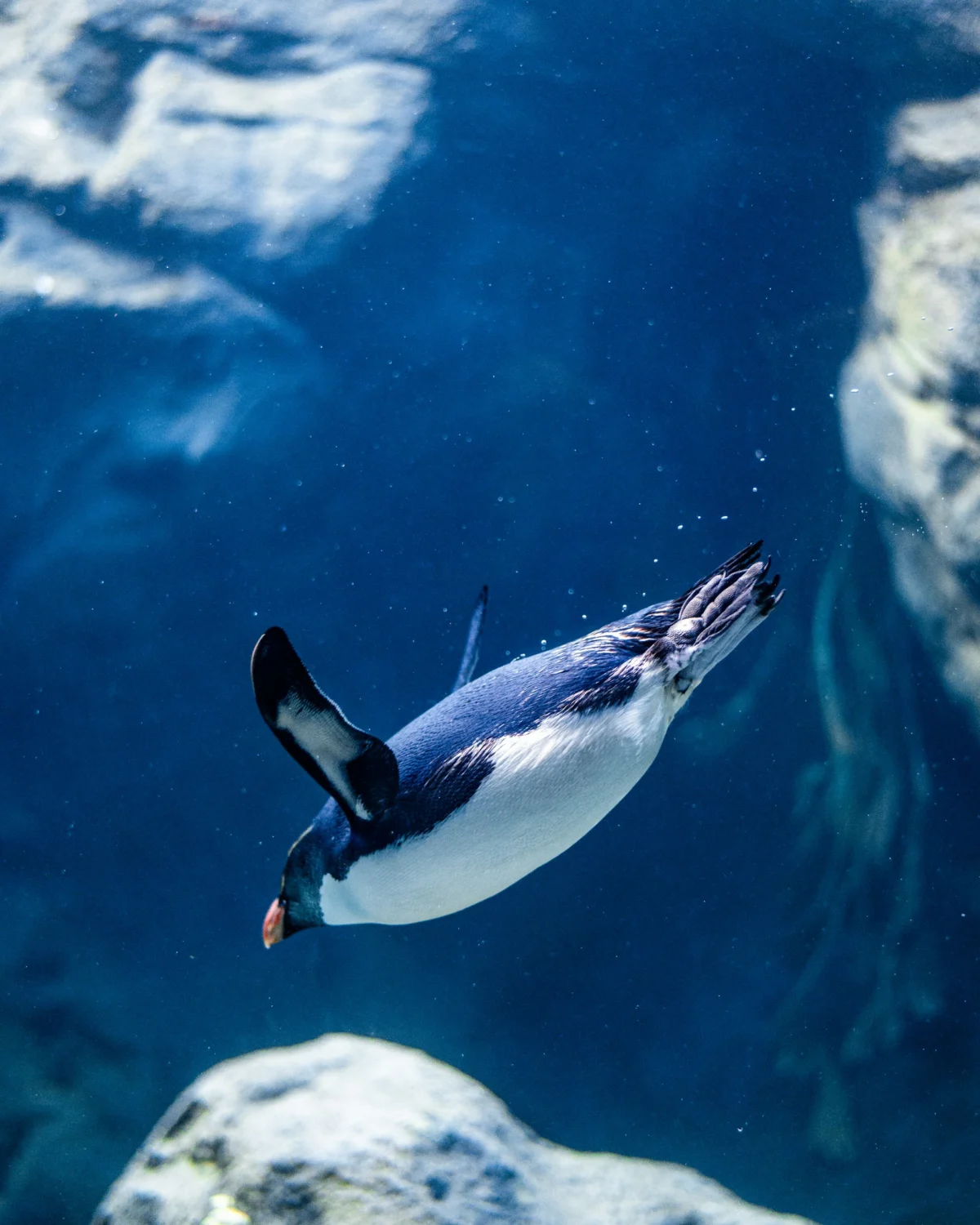
The captivating waddle of a penguin is one of the most recognizable and endearing gaits in the avian world. To the casual observer, these flightless seabirds appear to possess legs that emerge directly from their bodies, contributing to their unique charm. This visual illusion, however, prompts a fundamental question: do penguins actually have knees, and if so, how do they function beneath their dense plumage? While their knees are not outwardly visible, they are indeed a crucial anatomical feature, integral to the penguin’s survival and remarkable adaptations for both aquatic and terrestrial life. This exploration delves into the anatomy of penguin legs, the hidden presence of their knees, and the evolutionary advantages these seemingly understated joints provide.
The Unseen Anatomy: Penguins and Their Knees
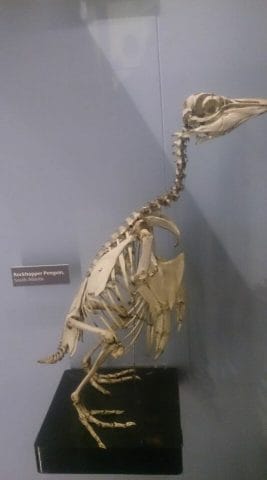
Contrary to popular perception, all penguin species possess knees, just like most other vertebrates. The reason these joints remain concealed is their strategic placement within the bird’s body and the covering of thick, waterproof feathers. A penguin’s skeletal structure reveals unusually long legs relative to its torso, a feature that contributes significantly to its characteristic upright posture and distinctive gait. These legs are comprised of the standard avian leg bones, including the femur (thigh bone), fibula, and tibia, all culminating in the characteristic bird foot. Crucially, penguins also possess kneecaps, or patellae, which are vital for protecting the knee joint.
The skeletal structure of a penguin showcases a leg anatomy that, while functional, is adapted for a dual lifestyle. The femur, or thigh bone, is relatively short and connects to the pelvis, forming the hip joint. However, it is the arrangement of the tibia and fibula, along with the concealed knee joint, that dictates the penguin’s terrestrial locomotion. Unlike their flying counterparts, penguins have evolved denser, heavier bones. This adaptation is a direct consequence of their semi-aquatic existence. Hollow bones, which are advantageous for flight by reducing weight and increasing buoyancy, would be detrimental to a bird that spends a significant portion of its life diving and swimming. The increased bone density provides ballast, allowing penguins to descend more easily and efficiently, reducing buoyancy and enhancing their underwater maneuverability.
The Functional Significance of Penguin Knees
The apparent shortness of a penguin’s legs, leading to their characteristic waddle, is largely an optical illusion. The majority of their leg structure, including the femur and knee joint, is situated high up within their body, close to the torso and concealed by their dense plumage. This arrangement serves multiple purposes. Firstly, it allows for a more streamlined body shape when swimming, reducing drag in the water. Secondly, the bent knee posture, maintained by the powerful musculature around the joint, allows penguins to keep their lower legs vertically positioned. This posture is essential for stability and efficient movement on both slippery ice and rocky terrain.
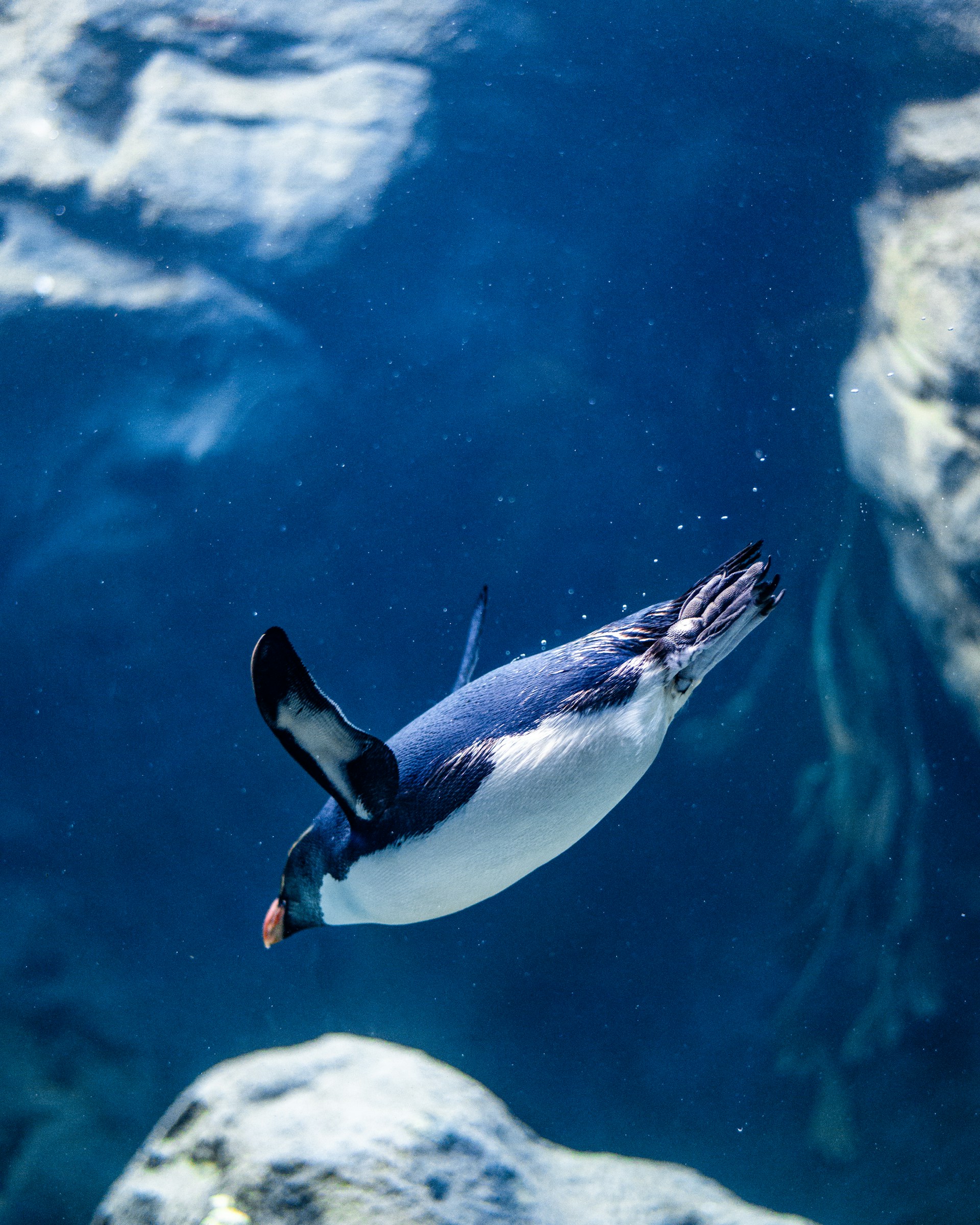
Penguins’ knees are not only crucial for terrestrial ambulation but also play a significant role in their aquatic prowess. The bent knee allows for powerful propulsion through the water, acting as a lever to drive their bodies forward. This flexibility, combined with their flipper-like wings, makes them exceptional swimmers and divers. The presence of a well-developed kneecap (patella) protects this vital joint from the stresses of frequent landings and the impact of maneuvering in turbulent waters. The unique, cube-like shape of their patella is an evolutionary refinement that fits snugly within the surrounding tendons, allowing for efficient flexion and extension of the knee.
The Waddling Enigma: An Evolutionary Advantage
The iconic waddle of a penguin is a direct result of their unique skeletal structure and the way their knees are positioned. The high placement of the knees and the relatively long lower legs contribute to a shorter apparent leg length. To compensate for this, penguins swing their entire bodies from side to side as they walk, a motion that conserves energy and provides stability on uneven surfaces. This gait, while seemingly inefficient, is a highly effective adaptation for their environment.
Several factors contribute to the penguin’s waddle:
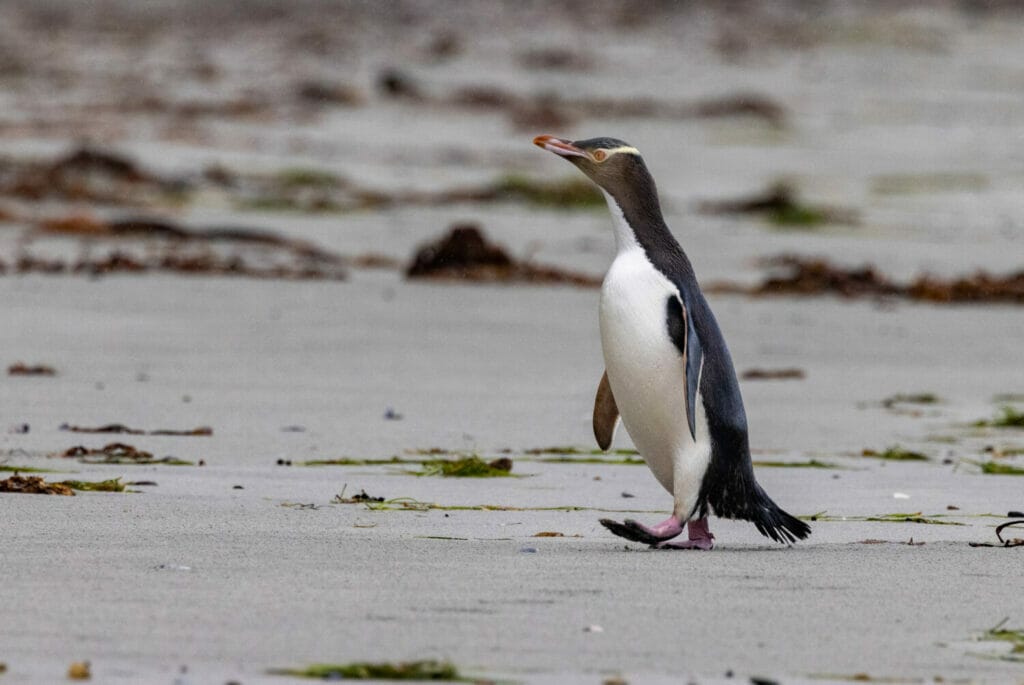
- Large Feet: Penguins possess large, webbed feet that are essential for both swimming and providing a broad base of support on land. However, moving these substantial appendages with precision on land would be challenging. The waddle allows them to manage their large feet more effectively.
- High Knee Placement: As previously mentioned, the knees are positioned high on the body. This placement optimizes them for swimming but necessitates a wider, side-to-side motion for terrestrial locomotion.
- Body Shape: The streamlined, oval shape of a penguin’s body, coupled with the internal arrangement of their leg bones, makes the waddle the most biomechanically efficient method of forward movement.
- Energy Conservation: For bipedal animals, particularly those with significant body mass like penguins, walking can be energetically costly. The waddle is a more energy-efficient mode of locomotion on land, allowing penguins to conserve vital energy reserves for hunting, breeding, and surviving in harsh environments. Studies on penguin energetics have indicated that their waddling gait can be up to 50% more efficient than a more human-like stride for their body size and mass.
Beyond Locomotion: Knees in Penguin Life
The importance of penguin knees extends beyond simple movement. They are integral to various aspects of their life cycle. During the breeding season, many penguin species meticulously construct nests. Their knees assist in the precise movements required to gather nesting materials and maintain the integrity of their breeding sites.
Furthermore, the act of incubating eggs relies heavily on the functionality of their knees. Penguins often hold their eggs on their feet, tucked beneath a brood patch and supported by their knees and upper thighs. This allows them to keep the eggs elevated and warm, protecting them from the frigid ground and icy winds. This delicate balancing act, essential for the survival of the next generation, is facilitated by the controlled flexion and stability provided by their knees.
A World of Penguins: Diversity and Adaptation
The penguin family is remarkably diverse, with 18 recognized species inhabiting a range of environments across the Southern Hemisphere. From the towering Emperor penguins of Antarctica to the smaller Little Blue penguins of Australia and New Zealand, each species exhibits unique adaptations suited to its specific niche.
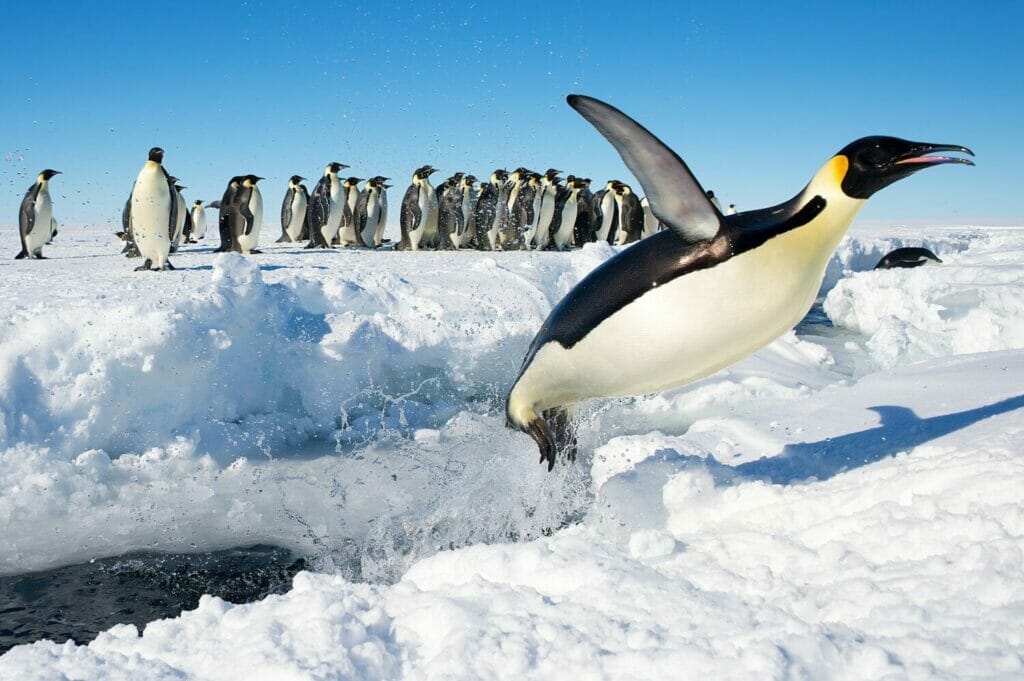
- Emperor Penguins (Aptenodytes forsteri): The largest of all penguin species, Emperor penguins are renowned for their incredible resilience in the extreme Antarctic climate. They undertake arduous journeys across the ice to breed, and their waddle is a testament to their ability to navigate these challenging landscapes. Their dense bones and efficient knee function are critical for survival in such unforgiving conditions.
- Adélie Penguins (Pygoscelis adeliae): Known for their distinctive white eye-rings, Adélie penguins are highly social and inhabit the Antarctic coastlines. Their agility both in and out of the water is a key to their survival, with their knees playing a vital role in their rapid movements.
- Galápagos Penguins (Spheniscus mendiculus): Uniquely, these penguins are found near the equator, a testament to the cool currents that surround the Galápagos Islands. Their smaller size and ability to tolerate warmer climates highlight the diverse evolutionary pathways within the penguin lineage, all underpinned by their fundamental skeletal structure.
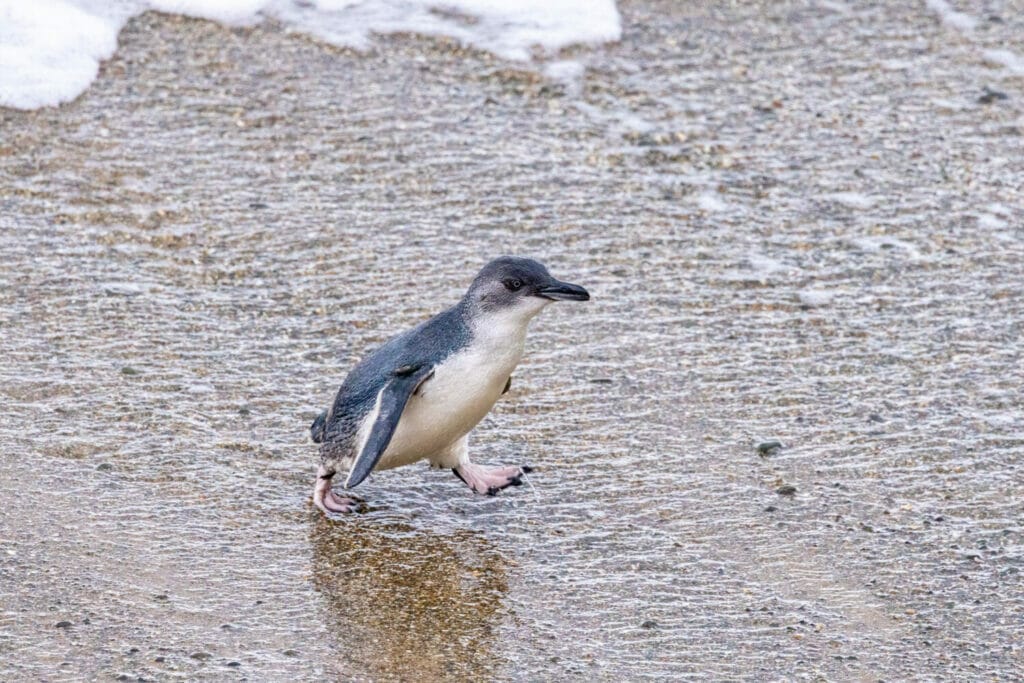
- Little Blue Penguins (Eudyptula minor): The smallest penguin species, these birds are found along the coasts of southern Australia and New Zealand. Their diminutive size does not diminish the importance of their knee function for foraging in coastal waters and navigating rocky shores.
The geographical distribution of penguins is exclusively in the Southern Hemisphere, with the vast majority found in and around Antarctica. However, certain species have adapted to more temperate regions. For instance, penguins can be observed in Australia, New Zealand, South Africa, and even on the Galápagos Islands, demonstrating the remarkable adaptability of these birds. Non-Antarctic sightings are common in these regions, offering opportunities for observation and study.

Conclusion: The Ingenuity of Nature
The seemingly simple act of a penguin waddling is a complex interplay of evolutionary adaptations. While their knees remain hidden from view, they are indispensable components of the penguin’s anatomy, enabling their remarkable aquatic capabilities and their distinctive terrestrial gait. The heavy bones, the high placement of the knees, and the specialized structure of the patella are all testaments to nature’s ingenuity in crafting a creature perfectly suited to its challenging and dynamic environment. Far from being a mere quirk of anatomy, the penguin’s hidden knees are a cornerstone of its survival, allowing it to thrive in some of the planet’s most extreme habitats. Understanding these hidden mechanisms provides a deeper appreciation for the evolutionary marvel that is the penguin.

