


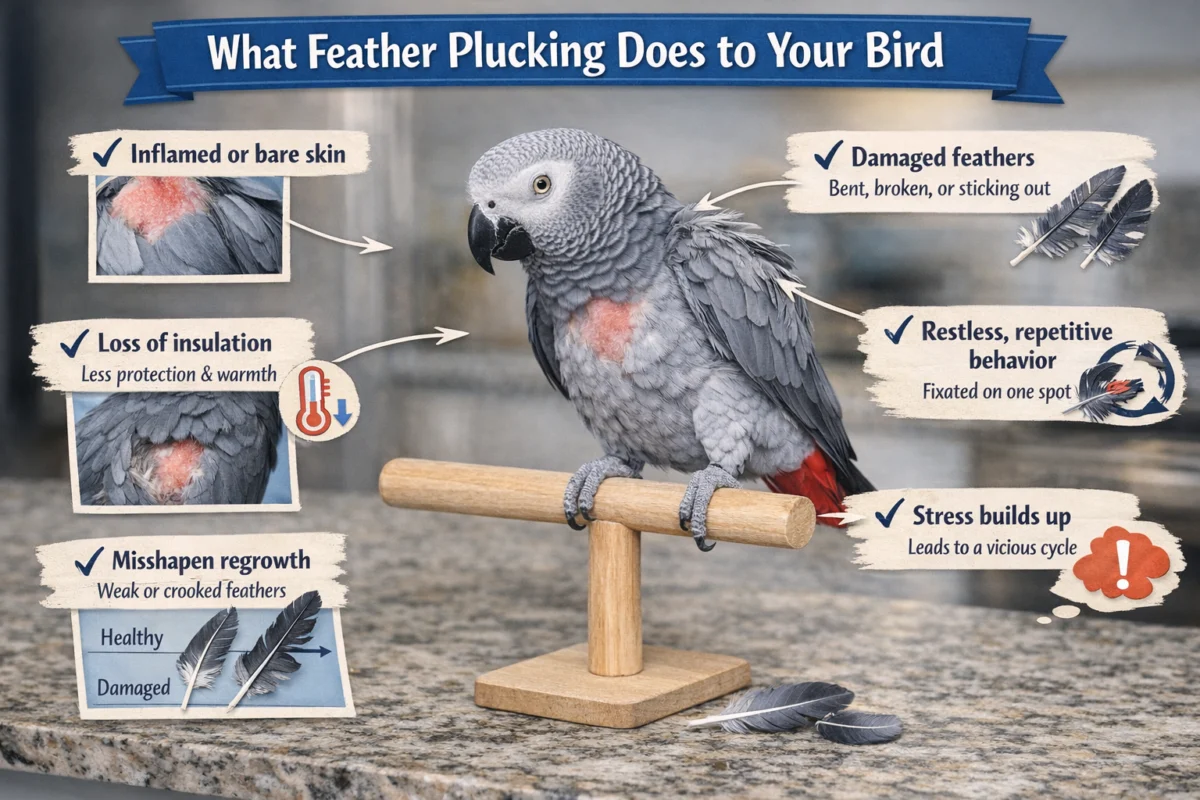
The appearance of loose feathers on a cage floor or a bird’s repetitive focus on a particular body area can be a distressing sight for any avian owner, often signaling the insidious onset of feather plucking. This behavior, a significant concern in companion bird care, is not merely a cosmetic issue but a complex symptom indicating underlying physical or psychological distress. Early detection and intervention are paramount, as what begins as subtle feather manipulation can rapidly escalate into a destructive habit, potentially leading to self-mutilation and severe health complications.
The Nuance of Avian Feather Maintenance: Molting, Preening, and Plucking
Distinguishing between normal avian feather maintenance and problematic behavior is the crucial first step for any bird owner. Birds naturally undergo a process called molting, where old feathers are shed and replaced by new ones. This is a physiological necessity, ensuring the integrity of their plumage for flight, insulation, and protection. During a molt, owners will typically observe a gradual shedding of feathers, often a few at a time, across different parts of the body, with new pin feathers emerging in their place. This process is generally calm and unalarming.
Similarly, preening is a normal and essential daily activity for birds. It involves the meticulous use of their beak and tongue to clean, waterproof, and realign their feathers. A healthy bird will calmly and systematically move across its body, ensuring each feather is in pristine condition. Preening is a vital component of feather health and hygiene, contributing to thermoregulation and flight efficiency.
Feather plucking, however, deviates significantly from these normal behaviors. It is characterized by the bird fixating intensely on specific areas, repeatedly digging, chewing, snapping, or pulling at the same feathers. Unlike the gentle, methodical nature of preening or the natural shedding of molting, plucking is often aggressive and destructive, resulting in visibly damaged, broken, or entirely absent feathers. This abnormal behavior, if left unaddressed, can solidify into a deeply ingrained habit, escalating the risk of severe injury.
The most severe manifestation of this destructive behavior is self-mutilation, where the bird moves beyond damaging feathers to injuring the underlying skin. This stage is marked by focused, repetitive, and often difficult-to-interrupt behavior, leading to raw, bleeding, or infected skin. Self-mutilation is a critical medical emergency requiring immediate veterinary attention to prevent further injury, infection, and potential fatality. Owners commonly first notice damaged feathers rather than simple shedding, or the presence of bare patches on the bird’s body, particularly in accessible areas like the chest, legs, or under the wings.
Prevalence and Background Context of Feather Destructive Behavior
Feather destructive behavior (FDB), encompassing plucking and mutilation, is a pervasive problem in companion avian medicine. Avian veterinarians frequently encounter cases, with some studies suggesting that up to 10% of psittacine (parrot) species in captivity may exhibit some form of FDB. Certain species are disproportionately affected, including African Grey Parrots, Cockatoos, Eclectus Parrots, and Macaws, perhaps due to their high intelligence, complex social needs, and sensitivity to environmental changes. In the wild, FDB is exceedingly rare, primarily because wild birds live in environments that fulfill their natural instincts for foraging, social interaction, flight, and exploration, coupled with natural diets and minimal chronic stress. The transition to a captive environment, often characterized by limited space, monotonous diets, reduced social interaction, and chronic stressors, creates a fertile ground for the development of such maladaptive behaviors.
The Root Causes: Why Birds Start Plucking
Feather plucking rarely occurs without an underlying reason; it is a manifestation of an internal imbalance or discomfort that the bird attempts to alleviate. The causes are broadly categorized into medical and environmental/behavioral factors, often intertwined.
Medical and Physical Factors
A thorough veterinary examination is the cornerstone of diagnosing FDB, as numerous physiological conditions can trigger plucking.
- Nutritional Deficiencies: Inadequate diets, particularly those overly reliant on seeds, often lack essential vitamins (e.g., Vitamin A), minerals (e.g., calcium), and essential fatty acids. These deficiencies can lead to poor feather quality, itchy skin, and compromised immune function, prompting the bird to pluck.
- Parasitic Infestations: External parasites like mites and lice cause intense itching, leading to excessive preening and plucking. Internal parasites, though less direct, can cause systemic discomfort and stress.
- Infections: Bacterial, fungal, or viral infections can affect the skin, feather follicles, or internal organs. Skin infections can cause irritation and pain, while systemic infections can induce general malaise, leading to plucking. Psittacine Beak and Feather Disease (PBFD) and Polyomavirus, for instance, directly impact feather health.
- Allergies: Similar to humans, birds can develop allergies to environmental allergens (dust, pollen, molds) or dietary components, resulting in itchy skin and feather irritation.
- Organ Disease: Liver or kidney disease can cause toxins to build up in the body, leading to skin irritation and poor feather quality.
- Hypothyroidism: An underactive thyroid gland can affect metabolism and feather growth, contributing to brittle feathers and skin problems.
- Heavy Metal Toxicity: Exposure to heavy metals like lead or zinc, often from household items, can cause a range of neurological and systemic issues, including skin irritation and abnormal behavior.
- Pain or Discomfort: Any source of chronic pain, such as arthritis, internal tumors, broken bones, or even impacted preen glands, can cause a bird to focus excessively on the painful area, leading to plucking.
Environmental and Behavioral Factors
Even in the absence of a primary medical cause, environmental inadequacies and psychological stressors are potent triggers for FDB.
- Stress: Chronic stress is a significant contributor. This can stem from a new environment, introduction of new pets or family members, loud noises, perceived threats, or lack of a predictable routine.
- Boredom and Lack of Enrichment: Highly intelligent and curious species like parrots require constant mental stimulation. A lack of appropriate toys, foraging opportunities, and activities can lead to profound boredom, which they may attempt to alleviate by plucking.
- Social Isolation: Parrots are flock animals. Insufficient social interaction with their human caregivers or a compatible bird can lead to loneliness, anxiety, and attention-seeking behaviors, including plucking.
- Inadequate Cage Size or Setup: A cage that is too small, lacks appropriate perches, or is poorly located (e.g., in a high-traffic area without quiet retreat options) can be a constant source of stress.
- Poor Air Quality/Humidity: Dry air, particularly in arid climates or heated homes, can lead to dry, itchy skin. Exposure to irritants like cigarette smoke, air fresheners, or strong cleaning chemicals can also irritate the respiratory system and skin.
- Sleep Deprivation: Birds require 10-12 hours of uninterrupted darkness for sleep. Insufficient sleep can lead to chronic stress and behavioral issues.
- Hormonal Imbalances: During breeding season, frustrated hormonal urges can manifest as aggression, excessive preening, and plucking, particularly if nesting opportunities are absent or interaction with a perceived mate (owner) is inconsistent.
- Learned Behavior: If plucking results in increased attention from the owner (even negative attention), the behavior can become reinforced.
Recognizing the Signs: Early Detection Matters

Most owners unfortunately do not notice plucking until it becomes overtly obvious. However, careful observation can reveal early indicators:
- Feather Damage: Instead of smooth, intact feathers, look for chewed, broken, bent, or ragged feathers.
- Bare Patches: Visible areas of skin where feathers are missing, particularly in accessible areas like the chest, under the wings, or on the legs. Feathers on the head, which the bird cannot reach, are typically spared.
- Excessive Feather Debris: An unusual amount of feather bits, dust, or broken shafts at the bottom of the cage.
- Skin Irritation: Redness, inflammation, scabs, or signs of infection on exposed skin.
- Behavioral Changes: Increased agitation, nervousness, withdrawal, or an unusual preoccupation with specific body areas. The bird may spend extended periods picking at itself, often ignoring other activities.
A simple way to conceptualize this is to consider the condition of the feathers. If feathers are being damaged or removed rather than simply shed, it is not a normal molt.
The Cumulative Impact on Your Bird
The consequences of feather plucking extend far beyond aesthetics, profoundly impacting the bird’s physical and psychological well-being.
- Skin Irritation and Infection: Constant manipulation can leave the skin raw, inflamed, and highly susceptible to bacterial or fungal infections, creating a vicious cycle of discomfort and further plucking.
- Permanent Follicle Damage: Prolonged plucking can damage feather follicles, leading to feathers growing back weak, bent, misaligned, or not at all. These damaged feathers offer less protection and may even be a source of irritation themselves.
- Loss of Insulation and Protection: Feathers are crucial for thermoregulation, protecting the bird from temperature extremes. Their loss can make the bird vulnerable to chills or overheating. Feathers also provide a physical barrier against injury and UV radiation.
- Increased Sensitivity and Discomfort: Exposed skin becomes more sensitive, driving further picking and creating a chronic state of discomfort.
- Entrenched Behavior: The longer the behavior persists, the more it becomes a deeply ingrained habit, making it increasingly difficult to interrupt and reverse.
- Stress and Psychological Burden: The underlying causes of plucking, combined with the physical discomfort it creates, accumulate into significant stress and anxiety for the bird, diminishing its quality of life. The cycle is self-reinforcing: something feels off, the bird plucks, skin/feathers worsen, and the urge to pluck increases. This underscores why early action is critical; the longer it goes unaddressed, the more challenging recovery becomes.
What To Do Right Now: Immediate Intervention
If any signs of feather plucking are observed, procrastination is not an option. Immediate, proactive steps are essential.
- Schedule an Avian Veterinary Appointment: This is the most crucial step. Seek out a qualified avian veterinarian who can perform a comprehensive physical examination, diagnostic tests (blood work, feather biopsies, skin scrapings, radiographs), and rule out medical causes.
- Document Observations: Keep a detailed log of when the plucking occurs, specific areas targeted, accompanying behaviors, changes in environment or diet, and any other relevant observations. This information will be invaluable to your vet.
- Review the Bird’s Environment: Assess the cage size, enrichment items, diet, lighting, humidity, and interaction schedule. Look for potential stressors or deficiencies.
- Ensure Proper Diet and Hydration: Offer a high-quality, species-appropriate pelleted diet supplemented with fresh fruits, vegetables, and whole grains. Ensure constant access to clean, fresh water.
- Increase Enrichment: Immediately introduce new, safe toys, foraging opportunities, and mental challenges to redirect the bird’s attention and provide stimulation.
Strategies for Long-Term Management and Recovery
Addressing feather plucking requires a multi-faceted approach, targeting both the root causes and the behavior itself. There is rarely a single "fix"; rather, a combination of consistent changes yields the best results.
- Implement Veterinary Treatment: Follow all veterinary recommendations for treating underlying medical conditions. This might include medication for infections, dietary supplements, or pain management.
- Optimize Environmental Enrichment: This is paramount for behavioral plucking. Provide a diverse array of toys that can be chewed, shredded, and manipulated. Rotate toys frequently to maintain novelty. Introduce foraging toys that require problem-solving to access treats. Offer opportunities for bathing (misting, shallow water dish) to maintain feather and skin hydration.
- Enhance Social Interaction: Ensure the bird receives consistent, positive interaction from its owner. This could involve training sessions, quiet companionship, or interactive play. However, avoid reinforcing plucking by giving attention only when the bird is plucking.
- Establish a Consistent Routine: Birds thrive on predictability. Maintain regular feeding, sleep, and interaction schedules to reduce stress. Ensure 10-12 hours of uninterrupted dark sleep.
- Address Hormonal Triggers: If hormonal issues are suspected, your vet may discuss environmental modifications (e.g., reducing perceived nesting sites, managing light cycles) or hormonal therapy.
- Behavioral Modification Techniques: Positive reinforcement can be used to reward calm, non-plucking behavior. Distraction techniques can be employed when plucking starts. Consult with an avian behaviorist if needed.
- Humidification: In dry environments, consider using a humidifier near the cage to alleviate dry skin and promote healthier feathers.
- Protective Collars: In severe cases, particularly with self-mutilation, a protective collar (e.g., Elizabethan collar) may be necessary to prevent further injury while underlying issues are being addressed. This should only be a temporary measure under strict veterinary supervision.
When This Becomes Urgent: Recognizing Emergency Situations
Certain signs indicate that a bird is not just struggling but is in immediate danger and requires emergency veterinary care:
- Visible Bleeding or Open Wounds: Any active bleeding or deep lacerations on the skin.
- Rapid Deterioration: Sudden changes in appetite, lethargy, fluffed feathers, or difficulty breathing.
- Aggressive Self-Mutilation: Persistent, uncontrollable picking that is causing significant tissue damage.
- Signs of Infection: Swelling, pus, or foul odor from damaged areas.
At this point, the bird is experiencing severe distress and physical harm, and delaying professional help can have fatal consequences.
Expert Perspectives on Addressing Feather Plucking
Avian veterinarians and behaviorists consistently underscore the complexity of FDB and the need for a holistic approach. Dr. Anya Sharma, a renowned avian veterinarian specializing in behavioral medicine, emphasizes that "feather plucking is rarely a simple habit; it’s a profound symptom demanding a thorough

