


A swollen eye in a parrot is a critical clinical sign that demands prompt and informed attention from owners. While seemingly localized, ocular swelling can indicate a wide spectrum of underlying health issues, ranging from mild irritation to severe systemic disease, making timely veterinary intervention paramount for the bird’s well-being and prognosis. Unlike some minor ailments that might resolve spontaneously, a parrot’s swollen eye rarely warrants a "wait and see" approach, particularly given the intricate connection between the avian eye, respiratory system, and overall health.
Understanding the Avian Ocular and Sinus Anatomy
To fully grasp the implications of a swollen eye in a parrot, it is essential to appreciate the unique anatomy of avian ophthalmic and associated structures. Parrots possess relatively large eyes, providing excellent vision crucial for survival in the wild. The eyelids are typically thin and agile, and many species also have a third eyelid, or nictitating membrane, which sweeps across the eye for protection and lubrication. Crucially, the infraorbital sinus system in birds is extensive and intricately connected to the eye, nostrils (nares), and upper respiratory tract. This anatomical proximity means that an infection or inflammation originating in the sinuses can readily manifest as periorbital swelling, causing the eye to appear puffy or even closed. Conversely, an issue primarily affecting the eye can sometimes secondarily impact the sinuses. This interconnectedness underscores why a "swollen eye" often signals a broader issue than just the ocular globe itself.
Epidemiology and Prevalence of Ocular Issues in Companion Birds
While precise epidemiological data on the prevalence of swollen eyes in parrots specifically is not widely published, avian veterinarians frequently encounter ophthalmic conditions as a presenting complaint. Eye issues, alongside respiratory and gastrointestinal problems, constitute a significant portion of clinical cases in companion birds. Factors such as captive environments, varied diets, stress, and exposure to different pathogens contribute to the susceptibility of parrots to a range of ocular and periorbital ailments. Conditions like conjunctivitis, corneal ulcers, and sinus infections with ocular manifestations are common, highlighting the need for owners to be vigilant about any changes around their bird’s eyes. The swift progression of disease in birds, often masking symptoms until severe, further emphasizes the urgency of addressing such signs.
Identifying the Diverse Causes of Ocular Swelling
The appearance of a swollen eye in a parrot can stem from a multitude of causes, each requiring a specific diagnostic approach and treatment plan. A thorough understanding of these potential etiologies is crucial for both owners and veterinary professionals.
-
Irritation and Foreign Bodies: Environmental factors are common culprits. Dust from bedding, cage substrate, or even dried food particles can irritate the delicate ocular tissues. Airborne irritants like cigarette smoke, chemical fumes (e.g., from cleaning products, air fresheners), or cooking aerosols can cause chemical conjunctivitis, leading to inflammation and swelling. Fine feather dust, particularly from species like cockatoos, can also be an irritant. Foreign bodies, such as a seed hull, a splinter from a perch, or a loose feather, can become lodged under an eyelid or on the surface of the eye, causing acute pain, rubbing, and localized swelling.
-
Trauma and Injury: Parrots, being active and often clumsy, are susceptible to physical trauma. This can range from minor bumps against cage bars, toys, or furniture to more severe incidents like falling or colliding with objects. Bites or scratches from other birds, especially in multi-bird households where dominance disputes occur, are a significant cause of ocular trauma. Such injuries can lead to bruising, lacerations, or even puncture wounds, causing immediate swelling, bleeding, and potential damage to the eye itself.
-
Infections: Infections are a leading cause of significant ocular swelling.
- Bacterial Infections: These can affect the conjunctiva (conjunctivitis), eyelids (blepharitis), or the infraorbital sinuses (sinusitis). Common bacteria include Staphylococcus, Streptococcus, and gram-negative bacteria. Unsanitary cage conditions, contaminated water, or weakened immune systems can predispose birds to bacterial infections.
- Viral Infections: Certain avian viruses can cause ocular signs. For example, Psittacine Beak and Feather Disease (PBFD) or Polyomavirus can compromise the immune system, making birds more susceptible to secondary bacterial or fungal eye infections. Herpesviruses can directly cause conjunctivitis.
- Fungal Infections: Aspergillus species are common environmental fungi that can cause sinusitis and subsequent ocular swelling, particularly in immunocompromised birds or those housed in damp, poorly ventilated conditions.
- Parasitic Infections: Although less common in well-cared-for companion parrots, certain parasites can cause ocular issues. For instance, some nematodes can infect the conjunctiva.
-
Sinus Disease (Sinusitis): Given the close anatomical relationship, sinusitis is a frequent cause of periorbital swelling. Infections (bacterial, fungal, viral, chlamydial) are the primary drivers of sinusitis, leading to inflammation, mucus accumulation, and pressure within the infraorbital sinus, which then pushes on the eye or causes swelling in the surrounding tissues. Chlamydophila psittaci (the causative agent of psittacosis or parrot fever) is a particularly notable pathogen that frequently manifests with respiratory and ocular signs, including conjunctivitis and periorbital swelling.
-
Nutritional Deficiencies: Hypovitaminosis A (Vitamin A deficiency) is a historically significant and still prevalent issue, especially in parrots maintained on seed-heavy diets lacking fresh fruits and vegetables. Vitamin A is crucial for the health of epithelial tissues, including those lining the conjunctiva, tear ducts, and respiratory tract. A deficiency leads to squamous metaplasia, where normal epithelial cells are replaced by hardened, keratinized cells. This can block tear ducts, impair mucus production, and create an environment ripe for secondary bacterial infections, resulting in swollen eyelids, ocular discharge, and periorbital swelling. Dr. Susan O’Connell, an avian nutritionist, notes, "A diet solely reliant on seeds is akin to a human eating only chips; it simply doesn’t provide the comprehensive nutrients needed for long-term health, and the eyes are often one of the first indicators of this deficiency."
-
Neoplasia (Tumors): While less common, tumors or masses around the eye or within the sinuses can cause progressive swelling. These can be benign or malignant and require biopsy for definitive diagnosis.
-
Allergies: Though less frequently diagnosed in birds compared to mammals, environmental allergens can potentially cause mild ocular irritation and swelling in sensitive individuals.
Recognizing the Urgency: When to Seek Immediate Veterinary Care
Distinguishing between a minor irritation and a potentially life-threatening condition is paramount. While some mild puffiness might indeed resolve, certain signs unequivocally demand immediate professional avian veterinary attention.
- Closed or Partially Closed Eye: If the bird is struggling to open its eye, or keeps it completely shut, it indicates significant pain or severe swelling.
- Ocular Discharge: Any discharge—clear, white, yellow, green, or crusty—is a strong indicator of infection or severe inflammation.
- Cloudiness or Color Change in the Eye: A cloudy cornea, a change in iris color, or any visible lesion on the eye itself suggests a serious ophthalmic injury or disease.
- Visible Injury: If the swelling followed an obvious collision, a fight with another bird, or if there’s a visible laceration or foreign body.
- Progressive Swelling: If the swelling is rapidly worsening or has not improved within a few hours.
- Changes in Behavior: Lethargy, anorexia (loss of appetite), decreased vocalization, fluffed feathers, or difficulty breathing accompanying the eye swelling are critical signs of systemic illness and warrant emergency care.
- Bilateral Swelling: If both eyes are affected, it often points to a systemic issue, a widespread environmental irritant, or a severe nutritional deficiency, escalating the urgency.
- Rubbing or Scratching: Persistent attempts by the bird to rub or scratch its eye indicate discomfort and can exacerbate the problem.
It is crucial for owners to understand that a bird continuing to eat does not negate the urgency of these symptoms. Birds are masters of masking illness as a survival instinct, often maintaining normal behaviors like eating until they are critically ill. Delaying veterinary care based on continued appetite can lead to a significantly worse prognosis.
The Diagnostic Process: What to Expect at the Avian Veterinarian
Upon presentation, the avian veterinarian will undertake a comprehensive diagnostic approach to determine the exact cause of the swollen eye.

- Detailed History: The vet will ask about the onset of symptoms, diet, cage environment, exposure to other birds, recent changes, and any previous health issues.
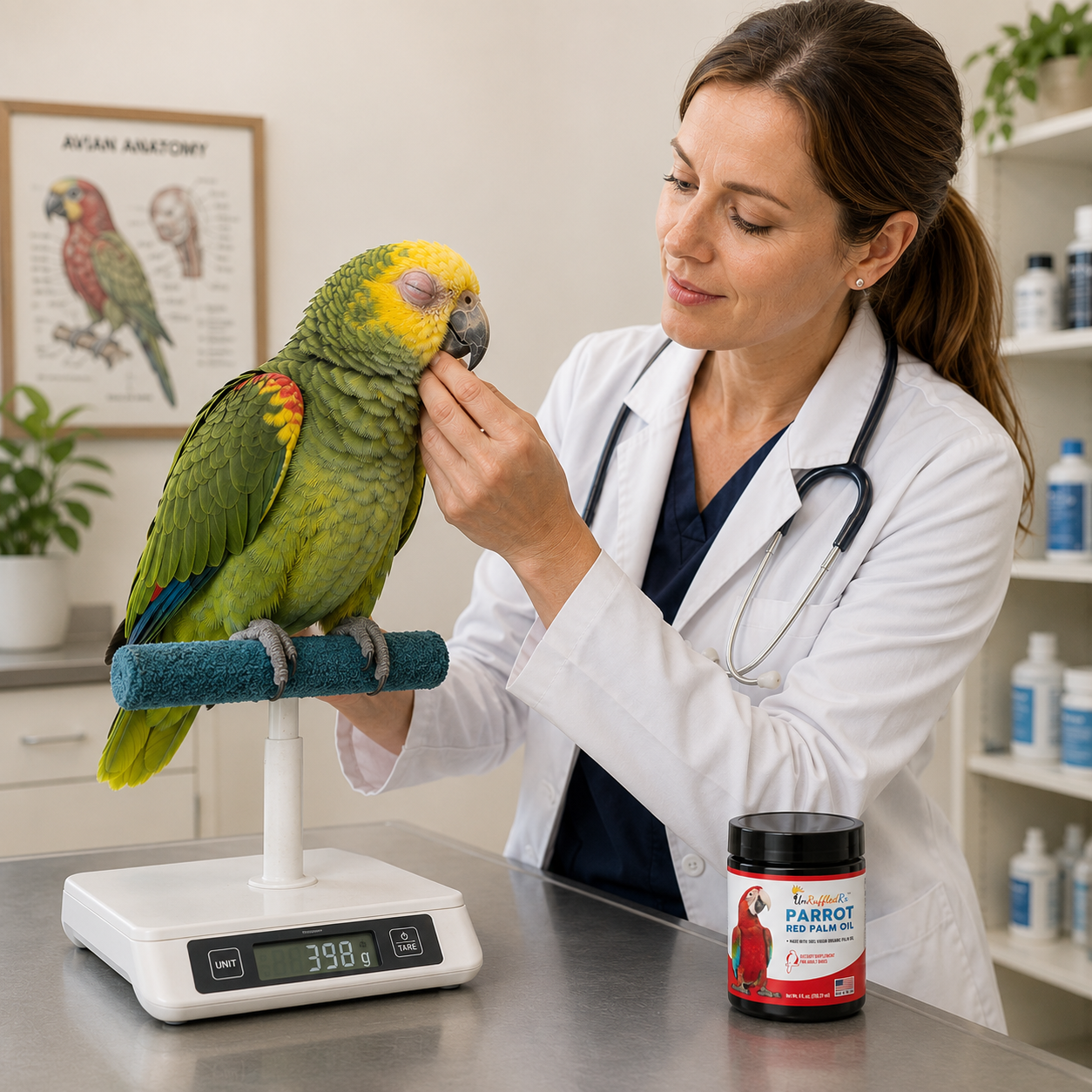
- Physical Examination: A thorough examination of the bird, including a close inspection of both eyes, eyelids, surrounding tissues, nostrils, and oral cavity. The vet will assess for discharge, redness, corneal lesions, and symmetry.
- Ophthalmic Examination: This may involve using an ophthalmoscope to visualize the internal structures of the eye, a fluorescein stain to detect corneal ulcers, and a Schirmer tear test to assess tear production.
- Cytology and Culture: Swabs of any ocular discharge or inflamed tissue may be taken for microscopic examination (cytology) to identify cell types (e.g., inflammatory cells, bacteria, fungi) and for bacterial or fungal culture and sensitivity testing to guide antibiotic selection.
- Blood Tests: A complete blood count (CBC) and biochemistry panel can assess for systemic infection, inflammation, or organ dysfunction. A Vitamin A level test may be recommended if nutritional deficiency is suspected.
- Imaging: Radiographs (X-rays) or computed tomography (CT) scans may be necessary to evaluate the extent of sinus involvement, detect foreign bodies, or identify bone changes or masses.
- Endoscopy: In some complex cases of chronic sinusitis, endoscopy may be performed to visualize the sinus cavities directly and obtain biopsies.
- Biopsy: For suspected masses or unusual tissue changes, a biopsy may be taken for histopathological examination.
"Early and accurate diagnosis is the cornerstone of successful treatment for ocular issues in parrots," states Dr. Evelyn Reed, an avian ophthalmologist. "Many conditions, if caught early, are highly treatable, but delays can lead to irreversible damage or chronic problems."
Treatment Modalities and Long-Term Implications
Treatment for a swollen eye in a parrot is entirely dependent on the underlying cause.
- Topical Medications: Eye drops or ointments (antibiotics, anti-fungals, anti-inflammatories) are commonly prescribed for localized infections or inflammation. It is crucial to use only medications specifically prescribed by an avian vet, as many human ophthalmic preparations can be toxic to birds.
- Systemic Medications: Oral or injectable antibiotics, antifungals, or anti-inflammatory drugs are often necessary for widespread infections (e.g., sinusitis) or systemic diseases.
- Supportive Care: This may include pain management, fluid therapy for dehydrated birds, and nutritional support.
- Environmental Adjustments: Removing irritants, improving cage hygiene, and optimizing humidity levels are vital.
- Surgical Intervention: Procedures may range from flushing the nasolacrimal ducts (tear ducts) to remove blockages, debriding corneal ulcers, removing foreign bodies, or even surgery to drain sinus abscesses or remove tumors.
- Nutritional Correction: For hypovitaminosis A, a complete dietary overhaul is essential, transitioning the bird to a high-quality pelleted diet supplemented with Vitamin A-rich fresh vegetables (e.g., carrots, sweet potatoes, dark leafy greens). Red palm oil can also be a beneficial supplement.
The long-term implications depend heavily on the cause and the timeliness of treatment. Untreated or improperly treated ocular issues can lead to chronic pain, impaired vision, blindness, or even spread to other parts of the body, potentially resulting in fatal systemic infections. Chronic sinusitis can recur, requiring ongoing management.
Prevention and Proactive Care
Preventing ocular issues in parrots involves a multifaceted approach focusing on optimal husbandry and environmental management.
- Balanced Nutrition: A cornerstone of avian health is a diet consisting primarily of a high-quality, species-appropriate pelleted formula (60-80%), supplemented with a wide variety of fresh, clean vegetables, fruits, and small amounts of healthy grains and legumes. This ensures adequate Vitamin A and other essential nutrients.
- Clean Environment: Regular cage cleaning, using bird-safe disinfectants, and providing fresh food and water daily are critical. Minimize dust accumulation and avoid harsh chemicals or aerosols near the bird.
- Safe Caging: Ensure cages are free of sharp edges, loose wires, or small gaps where a bird could injure itself. Provide appropriate, bird-safe toys and perches.
- Avoid Irritants: Protect your bird from cigarette smoke, chemical fumes, strong perfumes, and excessive dust.
- Supervised Interaction: If housing multiple birds, monitor their interactions to prevent fights that could lead to ocular trauma.
- Regular Veterinary Check-ups: Annual wellness exams with an avian veterinarian are invaluable for early detection of subtle health issues before they become critical.
- Quarantine New Birds: Always quarantine new birds for a minimum of 30-45 days, ideally with veterinary screening, to prevent the introduction of infectious diseases to existing flocks.
Common Misconceptions and Owner Pitfalls
Many owners inadvertently exacerbate a swollen eye issue by making common mistakes:
- Self-Medication: Using human eye drops, home remedies, or leftover prescription medications from other animals is dangerous and can cause severe harm or mask symptoms, delaying proper diagnosis.
- Delaying Care: Waiting "just one more day" can be detrimental. Birds compensate for illness, and by the time symptoms are obvious, the condition may be advanced.
- Ignoring Diet: Underestimating the profound impact of a poor diet on eye and respiratory health is a significant pitfall, often leading to recurring issues.
- Assuming Trauma: Not every swollen eye is due to an injury; assuming so can lead to a missed diagnosis of a serious infection or systemic disease.
A swollen eye in a parrot is a definitive sign that something is amiss and requires immediate, professional attention. Through vigilant observation, prompt veterinary consultation, accurate diagnosis, and comprehensive care, parrot owners can significantly improve the outcome for their beloved avian companions, ensuring their long-term health and well-being.

