


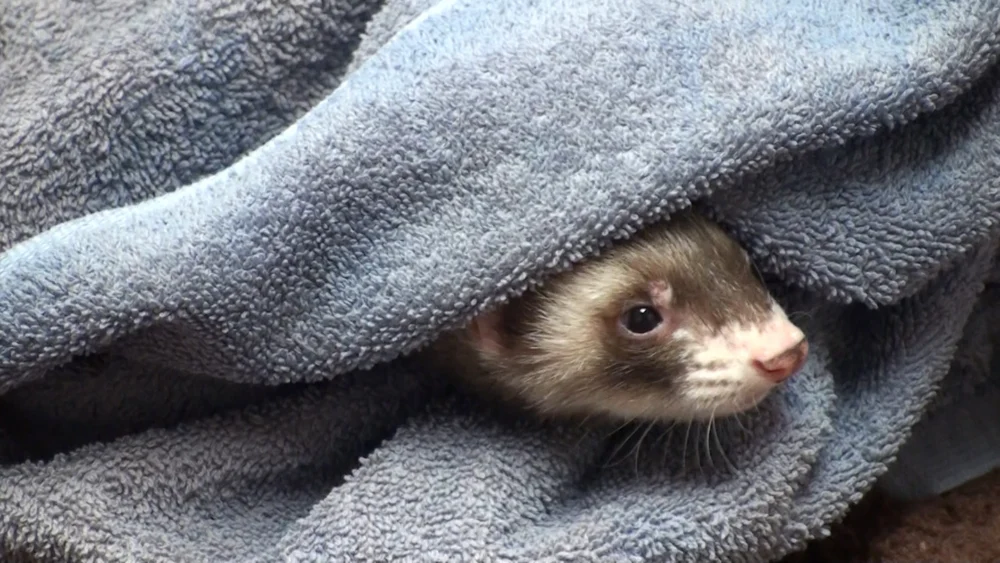
Veterinary clinicians specializing in exotic animal medicine are increasingly facing a diagnostic challenge: the geriatric ferret presenting with vague but alarming clinical signs, including ataxia, intermittent collapse, exercise intolerance, and significant muscle mass loss. While these symptoms frequently lead to a presumptive diagnosis of insulinoma—a common pancreatic beta-cell tumor in the species—recent medical evidence suggests that a reliance on quick-fix diagnostics and a failure to consider broader differential diagnoses may be compromising patient care. Dr. Cathy Johnson-Delaney, a renowned expert in mustelid medicine, recently addressed this critical issue in a comprehensive clinical lecture, emphasizing that "collapse" in the aging ferret is a multi-faceted presentation that requires a more rigorous diagnostic approach than a single blood glucose reading.
The Pitfalls of Rapid Hypoglycemia Diagnosis
For decades, the standard clinical response to a lethargic or collapsing ferret has been the immediate use of a portable blood glucose meter (PBGM). When these devices return a reading below the 70–90 mg/dL range, many practitioners immediately initiate treatment for insulinoma, often prescribing prednisone without further investigation. However, clinical data now suggests this approach is frequently flawed.
Studies, such as those conducted by Petritz et al. (2013) and Summa et al. (2014), have demonstrated that portable glucometers designed for humans or even other domestic animals often yield inaccurate results when used on ferrets. These inaccuracies are compounded by the unique physiology of Mustela putorius furo. Ferret blood glucose levels fluctuate significantly based on recent dietary intake, the timing of the last meal, and the specific composition of the diet. Without accounting for these variables, a low reading may reflect a physiological state rather than a pathological one.
Furthermore, the immediate administration of corticosteroids like prednisone can mask other underlying conditions or even exacerbate certain cardiac and renal issues. Dr. Johnson-Delaney’s research highlights that while islet cell disease is a prevalent reality in older ferrets, it cannot be accurately diagnosed through a single, isolated test. Instead, a diagnosis should be supported by laboratory-processed bloodwork, where glucose is measured promptly after collection to prevent the natural degradation of glucose in the sample (glycolysis).
A Chronology of Clinical Presentation and Misdiagnosis
The typical timeline for a "collapsed ferret" case often begins with the owner noticing "hind-end weakness" or a glazed expression, often referred to as "staring into space." These episodes may last seconds or minutes.
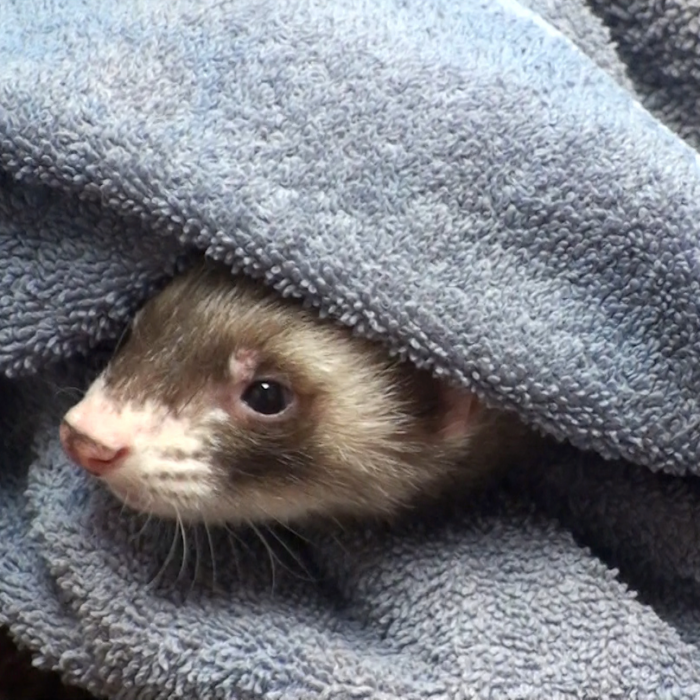
- Initial Presentation: The ferret is brought to the clinic after a collapse event. The animal may appear normal upon arrival or exhibit slight ataxia.
- The "Quick Test" Error: A clinician performs a marginal ear vein prick and uses a human glucometer. The reading shows 62 mg/dL.
- Presumptive Diagnosis: The clinician diagnoses insulinoma. Radiographs are taken, which may show an enlarged spleen (splenomegaly)—a common, often non-specific finding in ferrets—and potentially an enlarged heart (cardiomegaly).
- Treatment Failure: The ferret is started on prednisone. Within a week, the owner reports that the signs have not improved or have worsened.
This trajectory is common when the underlying cause of the collapse is not metabolic but rather cardiac, musculoskeletal, or related to chronic pain.
Expanding the Differential Diagnosis: Beyond the Pancreas
To improve clinical outcomes, Dr. Johnson-Delaney advocates for a systematic evaluation of other body systems that can mimic the signs of hypoglycemia.
Cardiac Disease
Cardiac failure is a leading cause of intermittent collapse in ferrets. Both dilated cardiomyopathy (DCM) and hypertrophic cardiomyopathy (HCM) are frequently seen in geriatric populations. Unlike the "crashing" seen in hypoglycemia, cardiac collapse is often related to exertion. When the heart cannot maintain adequate output, the brain and muscles experience transient hypoxia, leading to a "faint" or collapse. In these cases, cardiomegaly noted on radiographs is not an incidental finding but a primary diagnostic clue.
Chronic Pain and Dental Disease
Ferrets are notoriously stoic animals. Chronic pain from severe dental disease or osteoarthritis can lead to "episodes" where the ferret becomes non-responsive or refuses to move, which owners may interpret as a collapse. Dr. Johnson-Delaney notes that dental hygiene is often overlooked in ferrets. Calculus buildup and tooth wear, particularly in ferrets fed kibble diets, can lead to systemic inflammation and significant oral pain.
Renal and Musculoskeletal Disorders
As ferrets age, renal insufficiency can lead to lethargy and weakness. Similarly, musculoskeletal degeneration, including intervertebral disc disease or sarcopenia (muscle wasting), can make the ferret appear ataxic. When these conditions coexist with a borderline low blood glucose reading, the clinician must discern which is the primary driver of the clinical signs.
Nutritional and Pharmaceutical Interventions
A significant portion of the recent medical discourse has focused on the role of nutraceuticals and specific pharmaceutical protocols in managing the aging ferret.
The "Cardiac Formula"
Dr. Johnson-Delaney has developed a specific "Cardiac Formula" intended to support ferret heart health through a combination of herbal and nutritional supplements. This formula emphasizes the use of U.S. Pharmacopeia (USP) labeled ingredients to ensure purity and potency. Key components include:
- Omega Fatty Acids: A specific 3:1 ratio of Omega-3 to Omega-6 fatty acids is recommended. These are often delivered in a carrier of high-quality salmon oil.
- Coenzyme Q10 and Taurine: Essential for myocardial function in obligate carnivores.
- L-Carnitine: To support cellular energy metabolism within the heart muscle.
The administration of these fats requires care; Dr. Johnson-Delaney warns against shaking or stirring the mixture vigorously, as this can reportedly break delicate fatty acid bonds, reducing the formula’s efficacy.
Emergency Management of Collapse
In cases of acute collapse where the cause is unknown, the immediate priority is stabilization. If hypoglycemia is suspected, clinicians are advised to apply dextrose to the gums and re-evaluate blood glucose within 15 to 30 minutes. However, the timing of the last meal remains the most critical piece of data. If the ferret has eaten within the last two hours, a low glucose reading is more likely to be pathological; if the ferret has fasted, the reading must be interpreted with caution.
For cardiac-related collapse, the use of dobutamine is recommended in emergency settings. While some clinics may not stock dobutamine, it remains a gold standard for inotropic support in ferrets. Alternatives like milrinone are used in human medicine, but their efficacy and safety profiles in mustelids remain less documented.
Professional Implications and the Role of Continuing Education
The complexities of ferret medicine underscore a broader trend in veterinary science: the need for specialized knowledge in exotic mammal care. The American Association of Veterinary State Boards (AAVSB) and the Registry of Approved Continuing Education (RACE) have recognized the importance of this shift, granting continuing education (CE) credits for lectures that challenge traditional diagnostic shortcuts.
Dr. Johnson-Delaney’s work, including her definitive textbook Ferret Medicine and Surgery, serves as a cornerstone for this educational movement. By shifting the focus from "pattern recognition" (e.g., collapse = insulinoma) to "pathophysiological analysis," the veterinary community is better equipped to extend the lifespan and quality of life for these popular pets.

Broader Impact on Exotic Animal Practice
The implications of these findings extend beyond the individual ferret. They signal a maturing of exotic animal medicine into a field that demands the same diagnostic rigor as canine or feline medicine. The "collapsed ferret" serves as a case study in why "point-of-care" testing must be balanced with clinical intuition and comprehensive diagnostics.
As the population of pet ferrets continues to age, the demand for geriatric-specific care will grow. Practitioners are encouraged to move away from the "prednisone-first" mentality and instead embrace a holistic diagnostic battery, including:
- Accurate Blood Chemistry: Utilizing benchtop analyzers or external labs rather than handheld meters.
- Advanced Imaging: Using echocardiography to confirm cardiac disease when cardiomegaly is suspected.
- Pain Assessment: Utilizing tools like the Ferret Grimace Scale to identify hidden sources of distress.
In conclusion, while insulinoma remains a significant health concern for the species, it is only one piece of a complex puzzle. The "collapsed ferret" is a clinical emergency that requires a wide lens, a steady hand, and a commitment to looking past the most obvious diagnosis to find the true cause of the patient’s distress. Through the efforts of pioneers like Dr. Johnson-Delaney and the support of organizations like LafeberVet, the standard of care for these unique carnivores continues to reach new heights.

