


The University of Massachusetts Chan Medical School (UMass Chan) is facing renewed scrutiny following revelations of significant animal welfare violations within its research departments, leading to the temporary suspension of a prominent researcher. Internal documents and oversight reports have detailed a series of failures in laboratory protocol, specifically regarding the euthanasia of animal subjects and the supervision of laboratory personnel. These incidents have centered on the laboratory of Dr. Milena Bogunovic, a researcher who has received millions of dollars in federal funding for the study of inflammatory bowel disease and intestinal immunity. The disciplinary actions taken by the university’s Institutional Animal Care and Use Committee (IACUC) highlight a rare and severe rebuke of a principal investigator, raising broader questions about the efficacy of institutional oversight and the ethical implications of animal-based biomedical research.
Chronology of Laboratory Non-Compliance
The documented violations within the Bogunovic laboratory occurred over a concentrated eight-month period, during which university veterinarians and oversight staff identified repeated departures from approved experimental protocols. The primary source of concern involved a staff member under Dr. Bogunovic’s supervision who consistently failed to adhere to humane euthanasia standards. According to internal reports, this staff member was identified as having improperly euthanized mice on six separate occasions within the eight-month window.
Central to these violations were two specific procedural failures: the omission of required secondary euthanasia methods and the overcrowding of euthanasia chambers. Standard laboratory protocols, governed by the American Veterinary Medical Association (AVMA) Guidelines for the Euthanasia of Animals, typically require a secondary physical method—such as cervical dislocation or the removal of a vital organ—following the administration of carbon dioxide (CO2). This ensures that the animal is deceased before disposal. In at least two instances within a single month, the staff member in question placed mice into a freezer without performing this secondary check, creating a high probability that the animals were still alive and conscious when subjected to freezing temperatures.
Furthermore, the staff member was repeatedly cited for placing an excessive number of mice into euthanasia chambers. Overcrowding in these chambers is strictly prohibited under federal regulations as it increases the level of fear, respiratory distress, and physical suffering experienced by the animals during the induction of unconsciousness. Despite multiple interventions and warnings from university veterinarians, the staff member was caught committing the same violation months later. These persistent failures eventually led to a permanent ban on the staff member’s participation in animal research.
Institutional Response and Principal Investigator Suspension
The severity of the repeated violations led to an almost unprecedented disciplinary action against Dr. Bogunovic. While laboratory staff members are often the primary actors in procedural errors, the responsibility for the conduct of a laboratory rests solely with the Principal Investigator (PI). The UMass Chan IACUC determined that Dr. Bogunovic had failed to provide adequate supervision and had not corrected the identified deficiencies in her staff’s performance.
In a significant administrative move, the committee removed Dr. Bogunovic from her own experiments, effectively suspending her ability to conduct animal research for a period of one year. During this hiatus, the researcher was required to undergo additional training and demonstrate a comprehensive understanding of regulatory compliance before being allowed to resume her work. This level of intervention is considered rare in academic medicine, as it disrupts ongoing federally funded research and signals a major breakdown in the laboratory’s management structure.
Dr. Bogunovic is not the only researcher at UMass Chan to face such allegations. The institution has seen a series of reports involving other high-profile experimenters, including Matt Gounis, Heather Gray-Edwards, and Raffi Aroian. These cases have involved various allegations ranging from the failure to provide adequate pain relief to the mismanagement of parasitic infections within animal colonies. Collectively, these incidents suggest a potential pattern of oversight challenges at the medical school.
Research Objectives and Federal Funding Analysis
The research conducted in the Bogunovic laboratory is primarily focused on understanding the mechanisms of the gastrointestinal system, specifically regarding inflammatory bowel disease (IBD), Crohn’s disease, and the body’s immune response to intestinal pathogens. Over the past decade, Dr. Bogunovic has secured approximately $5 million in federal grants to support these studies.
The National Institute of Diabetes and Digestive and Kidney Diseases (NIDDK) has been the primary benefactor, contributing over $4 million to her research. Additionally, the National Institute of Allergy and Infectious Diseases (NIAID) has provided nearly $1 million in funding. These grants are intended to facilitate the development of human-relevant treatments for debilitating digestive conditions.
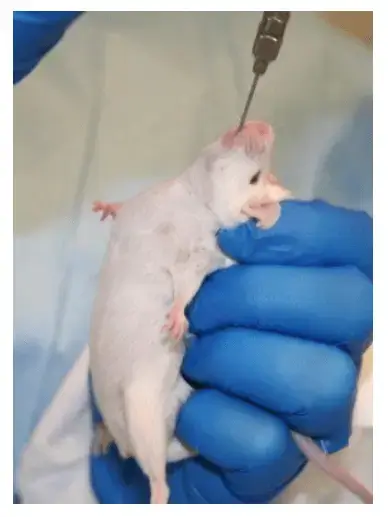
The experimental models used in these studies involve the induction of painful conditions in mice. Common procedures include:
- Chemical Induction of Colitis: Mice are administered chemicals designed to damage the intestinal lining, resulting in chronic inflammation, weight loss, and severe diarrhea.
- Salmonella Infection: Subjects are treated with antibiotics to disrupt natural gut flora before being infected with Salmonella. This leads to systemic inflammation and, in many cases, a fatal condition where bacteria leak into the bloodstream.
- Invasive Physiological Manipulation: The research involves the frequent use of gastric gavage (the insertion of tubes down the throat), the surgical insertion of tubes to collect internal fluids, and the manual manipulation of internal organs to observe immune cell behavior.
The Debate Over Animal Models in Gastroenterology
The controversy surrounding the Bogunovic laboratory extends beyond procedural violations to the fundamental scientific utility of the research itself. Critics, including animal advocacy organizations and some members of the scientific community, argue that mouse models of intestinal disease are inherently flawed. They contend that the physiological differences between the murine and human digestive systems are too great to allow for the reliable translation of results.
Inflammatory bowel diseases in humans are complex, multi-factorial conditions influenced by genetics, environment, and the unique human microbiome. In contrast, laboratory models often rely on acute chemical injury or specific bacterial strains that do not fully replicate the chronic, relapsing nature of human IBD. This "translational gap" is frequently cited as a reason for the high failure rate of new drugs in clinical trials, despite successful results in animal testing.
Proponents of the research argue that while no model is perfect, animal subjects provide a necessary system for observing the interaction of immune cells and nervous system components in a living organism—something that current in vitro (test tube) or computer models cannot yet fully simulate. However, the repeated welfare violations at UMass Chan have bolstered the argument that if animal research is to be conducted, it must be held to the highest possible ethical and procedural standards.
Regulatory Framework and Public Accountability
The incidents at UMass Chan fall under the jurisdiction of several federal and institutional bodies. The Animal Welfare Act (AWA) and the Public Health Service (PHS) Policy on Humane Care and Use of Laboratory Animals provide the legal framework for these activities. Institutions receiving federal funding must maintain an IACUC to oversee all animal-related activities, ensuring they comply with the "Three Rs" of animal research: Replacement (finding alternatives), Reduction (using fewer animals), and Refinement (minimizing pain and distress).
The suspension of a PI suggests that the IACUC determined the "Refinement" aspect of the research had been fundamentally compromised. When an institution fails to uphold these standards, it risks not only its reputation but also its eligibility for future federal funding. The Office of Laboratory Animal Welfare (OLAW) and the U.S. Department of Agriculture (USDA) are responsible for monitoring these institutions and can issue fines or mandate corrective actions.
Broader Implications for Academic Research
The situation at UMass Chan Medical School serves as a case study in the complexities of modern biomedical research. It highlights the tension between the drive for scientific discovery and the ethical obligation to treat sentient subjects with a minimum of suffering. The administrative failure to curb "cavalier and sloppy" euthanasia techniques, as described in the oversight findings, indicates that even well-funded laboratories can suffer from a culture of complacency regarding animal welfare.
As public awareness of laboratory animal treatment grows, there is increasing pressure on academic institutions to transition toward non-animal research methods. Technologies such as "organ-on-a-chip," human intestinal organoids derived from stem cells, and advanced computational modeling are being presented as more accurate and ethical alternatives to traditional animal testing.
For UMass Chan, the path forward involves a rigorous re-evaluation of its internal monitoring systems. The temporary removal of a researcher and the permanent banning of a staff member are reactive measures; the broader challenge lies in fostering a laboratory environment where procedural compliance and animal welfare are prioritized as highly as experimental results. The medical school’s ability to navigate this controversy will likely influence its standing in the competitive landscape of federal research funding and public trust.

