


The catastrophic earthquakes that ravaged Venezuela’s La Guaira region and several other states in late June 2026 unleashed an unprecedented wave of devastation, leaving a profound scar on the nation. Amidst the overwhelming scale of human tragedy, where loss of life and widespread destruction painted a grim landscape, a singular, poignant tale of survival and unwavering loyalty emerged, captivating the world and offering a fleeting yet powerful symbol of hope: the rescue and subsequent passing of Victoria, a resilient parrot. This narrative, initially celebrated as a miracle, transcended its immediate context to underscore the deep-seated bond between humans and animals, and the profound compassion demonstrated by emergency responders even in the direst circumstances.
The Catastrophic Event: Venezuela’s Devastating Earthquakes
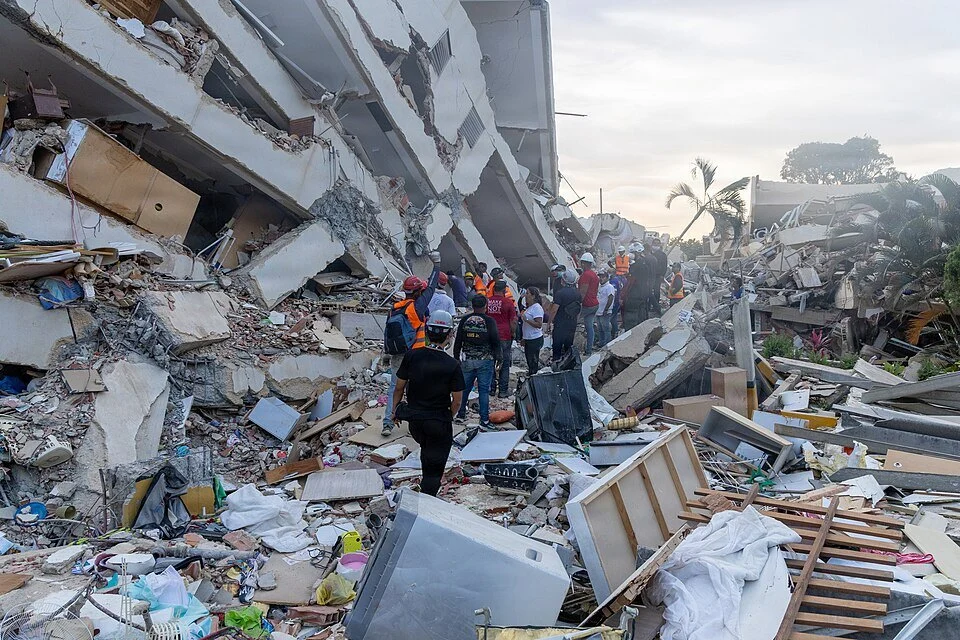
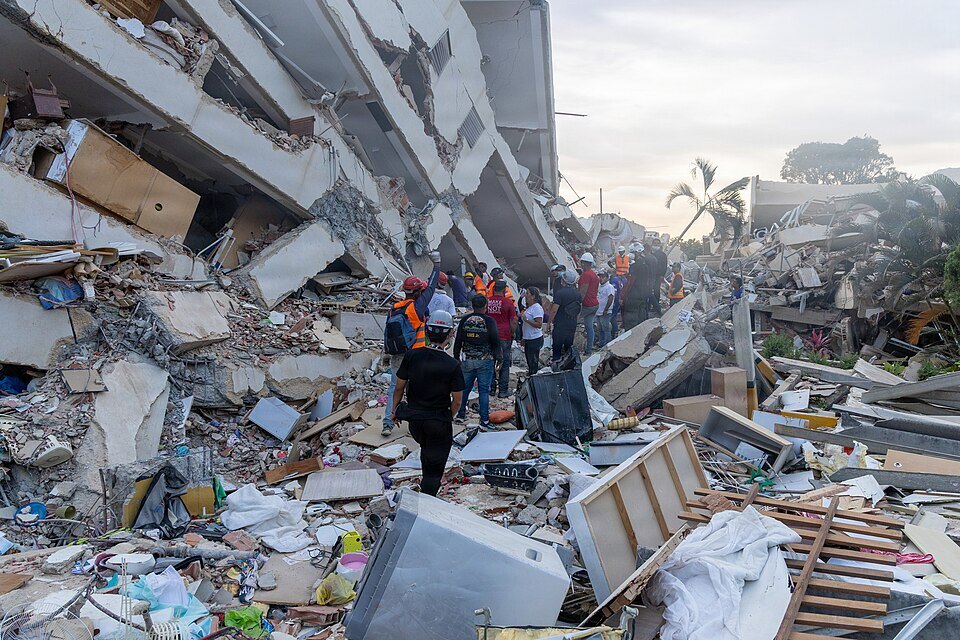
On June 28, 2026, Venezuela was struck by a series of powerful seismic events, with two main tremors registering magnitudes of 7.2 and 7.5, respectively. The epicenters, located within the tectonically active region where the Caribbean and South American plates interact, unleashed destructive forces that propagated across a wide swathe of the country. The coastal state of La Guaira, with its densely populated urban centers and critical infrastructure, bore the brunt of the initial impact, suffering extensive structural collapses and widespread liquefaction in some areas. Beyond La Guaira, several other states reported significant damage, highlighting the regional reach of the disaster.
The immediate aftermath was one of chaos and despair. Buildings, many of them residential, crumbled into heaps of rubble, trapping thousands beneath. Roads buckled, power lines snapped, and communication networks were severely disrupted, hampering initial emergency response efforts. At the latest official count, the human toll was staggering: 4,734 confirmed fatalities, more than 17,000 injured individuals, and an estimated 6.8 million people directly impacted by the quakes, either through displacement, loss of homes, or disruption of essential services. Experts in seismology and disaster management noted that earthquakes of such magnitude in a region with varying building codes and infrastructure resilience inevitably lead to high casualty figures and widespread material damage, particularly in densely populated urban environments. The sheer scale of human suffering quickly prompted national and international calls for aid, transforming the affected areas into a complex humanitarian crisis zone.
Immediate Response and Relentless Search Operations
In the wake of the devastating tremors, emergency teams from across Venezuela, including the valiant Miranda firefighters, national civil defense units, and military personnel, mobilized with remarkable speed and dedication. Their mission was clear yet daunting: to search for survivors amidst the perilous ruins, provide immediate medical assistance to the injured, and secure areas still at risk. Working around the clock, often without rest and in extremely hazardous conditions, these first responders faced immense challenges. Unstable debris piles, the constant threat of aftershocks, and the sheer volume of collapsed structures made every rescue attempt a perilous endeavor. Specialized search and rescue units, some equipped with advanced listening devices and thermal imaging cameras, meticulously combed through the rubble. Sniffer dogs, trained to detect human scent, played an indispensable role, their keen senses often leading rescuers to pockets where life might still cling on.
The first 72 hours are critically important in earthquake rescue operations, often referred to as the "golden hours" for finding survivors. However, as days turned into a week, hope for discovering individuals alive dwindled, yet the tireless efforts of the rescue teams persisted. Their commitment was not merely to human life; a pervasive sense of compassion extended to all living beings trapped in the wreckage. This holistic approach to disaster response, prioritizing every potential survivor regardless of species, became a hallmark of the Venezuelan emergency operations. Rescue officials, speaking to local media, repeatedly emphasized the moral imperative of saving all life, highlighting the profound emotional and psychological impact that even a single successful rescue, human or animal, could have on the morale of both responders and the grieving communities.
Victoria’s Story: A Symbol of Hope Emerges from the Rubble
Seven agonizing days after the catastrophic earthquakes, a moment of extraordinary joy pierced through the prevailing gloom. In one of the most heavily damaged districts of La Guaira, amidst the fragmented remnants of what was once an apartment building, emergency teams made an astonishing discovery. There, clinging tenaciously to the body of its deceased owner, was a parrot. The scene was heartbreakingly poignant, yet simultaneously offered a powerful testament to the enduring bond between humans and their animal companions.
The Miranda firefighters, who spearheaded the rescue, approached the delicate operation with utmost care. The parrot, visibly distressed but alive, was gently extracted from its perilous perch. Initially, the rescuers affectionately named the bird "Panchito," a common and endearing name for parrots in the region. The moment of rescue, captured on video and quickly disseminated through national and international news outlets, instantly became a beacon of hope. One firefighter, his voice thick with emotion, could be heard exclaiming, "My boy, you survived! You’re alive, Panchito!" This raw, unfiltered expression of relief and elation resonated deeply with audiences worldwide, providing a much-needed moment of light amidst the pervasive darkness of the disaster.
The video rapidly went viral, transforming the little parrot into a global symbol of resilience and the indomitable will to survive. As the story spread, individuals who knew the deceased owner came forward, identifying the parrot by its true name: Victoria. This identity, quickly adopted by news cycles, further personalized the narrative, allowing millions to connect with Victoria’s plight on a deeper level. The outpouring of public sentiment was immense, with social media platforms flooded with messages of support, admiration for the rescue teams, and prayers for the little bird’s recovery. For many, Victoria’s discovery was not just the rescue of an animal; it was a powerful reminder that even in the face of overwhelming loss, life finds a way, and compassion can thrive.
An Enduring Bond: Loyalty Beyond Life
The circumstances of Victoria’s discovery painted a vivid picture of the profound bond she shared with her owner. Rescuers noted that the parrot refused to leave his side, clinging tightly to his chest even after his death, a testament to an unwavering loyalty that transcended the ultimate separation. This behavior strongly suggested that in the final terrifying moments of the earthquake, the owner had instinctively attempted to protect Victoria, shielding her from the falling debris with his own body. Their apartment, a testament to their shared life, was completely destroyed, reducing everything to rubble. In this desolate scene, Victoria stood as the sole survivor from their home, a living embodiment of the love and care she had received.
Experts in animal behavior often highlight the remarkable intelligence and emotional depth of parrots. Species like Victoria’s are known to form incredibly strong, lifelong bonds with their human companions, often mirroring human emotions and displaying complex social behaviors. This particular instance underscored how these bonds can manifest even in extreme adversity, demonstrating a level of attachment that deeply moved all who learned of the story. Victoria’s steadfast refusal to abandon her owner’s side, even in death, resonated as a powerful narrative of fidelity, reminding humanity of the unique and often underestimated emotional lives of animals. It served as a stark, yet beautiful, illustration of the mutual comfort and companionship pets provide, especially in times of crisis.
A Battle for Survival: Victoria’s Final Days
Following her dramatic rescue, Victoria was immediately rushed to a local veterinary facility, where a team of dedicated veterinarians and support staff stood ready to provide urgent medical care. Her condition was precarious; while outwardly appearing stable, the trauma of the earthquake, the prolonged entrapment, and the emotional stress had taken a significant toll. She was treated for days with "utmost possible care," receiving fluids, pain management, and nutritional support. The veterinary team worked tirelessly, monitoring her vital signs and administering specialized treatments designed for avian trauma. Initial reports indicated some improvements, sparking renewed hope that Victoria might make a full recovery.
However, the hidden injuries and internal stresses proved too severe. Despite the heroic efforts of the veterinary staff, Victoria’s fragile system succumbed to the trauma. On July 5th, just days after her miraculous rescue, Victoria sadly passed away from her injuries. The news, when it broke, was met with a collective sigh of grief and disappointment both nationally and internationally. The initial joy of her rescue transformed into a shared mourning for a creature that had, for a brief period, symbolized survival against all odds. Social media platforms, which had previously celebrated her rescue, now became spaces for expressions of sorrow and remembrance. Victoria’s passing was a painful reminder of the brutal realities of such disasters, where even the most resilient lives can be extinguished by the immense forces of nature. Yet, her brief time as a symbol of hope left an indelible mark.
Other Successes: Two Canine Survivors
While Victoria’s story concluded with a somber note, the broader efforts of animal rescue in the Venezuelan disaster yielded other positive outcomes. Amidst the ongoing search for human survivors, emergency teams also successfully located and extracted two dogs from the rubble in separate incidents within the La Guaira region. Both canine companions were found alive, albeit injured and traumatized, and were immediately transported to veterinary care facilities. At the time of this writing, both dogs are reportedly recovering, offering another glimmer of success and further testament to the comprehensive and compassionate approach adopted by the rescue operations. These canine rescues, though receiving less global attention than Victoria’s unique story, further underscored the dedication of the rescue teams to saving all lives and provided much-needed positive news to the grieving communities.
The Profound Impact: Humanity, Compassion, and Resilience
The story of Victoria, the parrot rescued from the Venezuelan earthquake rubble, resonated far beyond the immediate context of the disaster. It became a powerful testament to our shared humanity and the innate capacity for compassion that emerges even in the darkest of times. The dedication of the rescue teams, who risked their own lives to save not just humans but also animals like Victoria and the two dogs, illuminated a profound "quality of the world that we all seek and desire" – a world where all living things matter, and where empathy guides action.
Animal rescue stories in the context of major disasters often serve as crucial psychological anchors. They offer a tangible, accessible narrative of hope and survival, providing emotional solace to communities grappling with immense loss. For survivors who have lost everything, the sight of an animal being saved can be a deeply comforting reminder of life’s resilience and the interconnectedness of all beings. For the rescuers themselves, these small victories, like finding Victoria or the two dogs, provide vital moral boosts, sustaining their spirits through the grueling and often heartbreaking work.
Victoria’s legacy is multifaceted. She is remembered not only for her tenacity and determination to survive but also for her unwavering loyalty to her owner, which some believe inadvertently helped draw rescuers’ attention to their location. Her story sparked global conversations about animal welfare in disaster preparedness, highlighting the need for protocols that include the rescue, care, and reunification of pets with their owners. It underscored the emotional significance of companion animals, recognizing their role not just as pets but as integral family members whose loss or survival profoundly impacts human well-being during and after a crisis.
Long-Term Outlook: Rebuilding and Recovery Efforts
As Venezuela grapples with the immense aftermath of the earthquakes, the focus now shifts to the monumental task of rebuilding and long-term recovery. The physical destruction of homes, infrastructure, and public services represents a significant challenge, requiring substantial national and international investment. Beyond the physical, the psychological trauma inflicted on millions will necessitate extensive mental health support for years to come. The economic implications for a nation already facing complex socio-economic challenges are profound, with industries disrupted and livelihoods shattered.
International aid organizations, alongside the Venezuelan government, are working to coordinate relief efforts, providing humanitarian assistance, shelter, and medical supplies. The stories of resilience and compassion, like Victoria’s, serve as a reminder that even in the face of such overwhelming adversity, the human spirit, supported by acts of kindness and dedication, will strive to overcome. The path to full recovery will be long and arduous, but the collective memory of selfless acts by rescuers and the enduring symbols of hope, such as Victoria the parrot, will undoubtedly play a part in inspiring the arduous journey ahead.

