


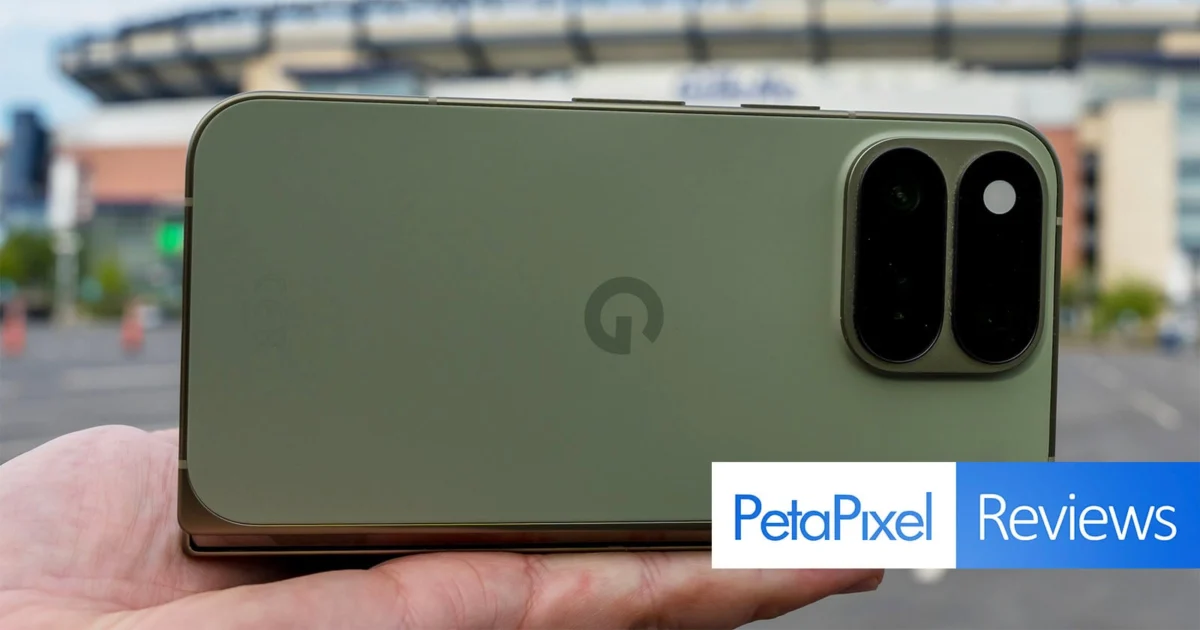
The release of the Google Pixel 11 Pro Fold marks the latest chapter in Google’s endeavor to secure a foothold in the premium foldable smartphone segment. Priced at $1,899, the device enters a market that has shifted significantly since the inception of the original Pixel Fold. While the Pixel brand was once synonymous with groundbreaking computational photography and a hardware-first philosophy, the Pixel 11 Pro Fold suggests a strategic pivot toward iterative, software-heavy updates. This approach raises critical questions about whether Google’s current trajectory aligns with the hardware-focused innovations currently being pioneered by competitors in international markets.
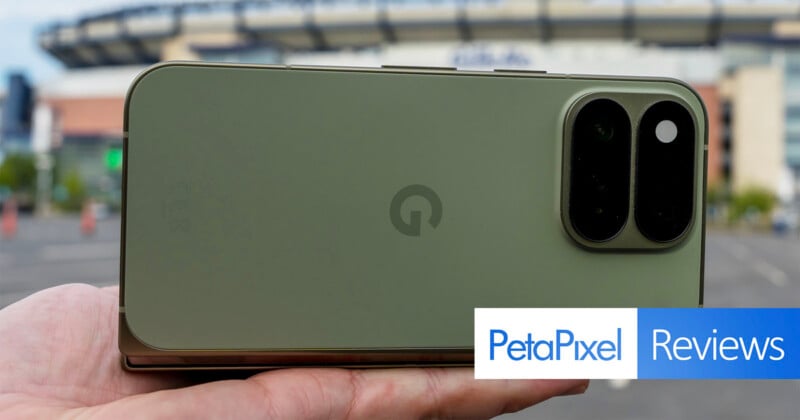
Chronology of the Pixel Fold Evolution
Google’s entry into the foldable arena began with the initial Pixel Fold, which sought to address the unique ergonomic demands of a folding display. However, the lineage has faced persistent challenges regarding hardware design. The Pixel 10 Pro Fold, released in 2025, introduced minor refinements but failed to address the bulky chassis and camera limitations that critics had highlighted since 2023. By September 2026, the launch of the Pixel 11 Pro Fold reflects a design language that has remained largely static for three consecutive generations.
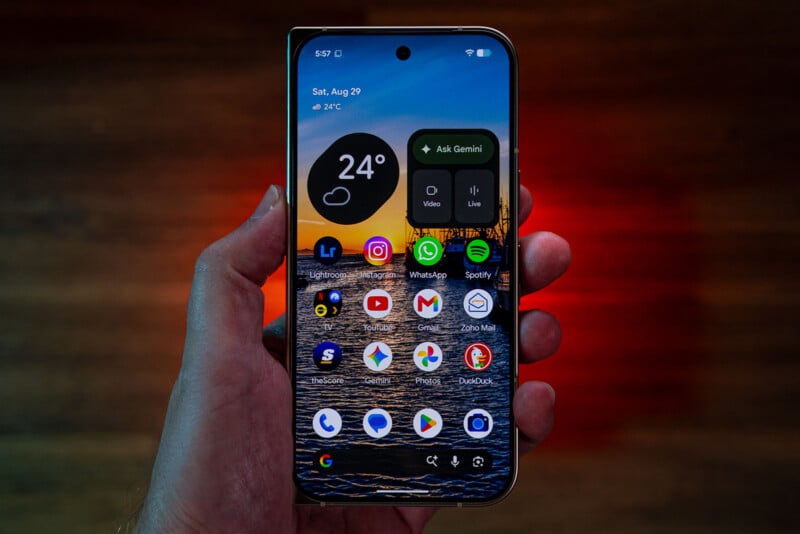
While the mobile industry at large has trended toward thinner, lighter, and more durable hinge mechanisms, the Pixel 11 Pro Fold retains a familiar form factor. This stagnation in physical design stands in stark contrast to the rapid development cycles seen in Asian markets, where manufacturers like Honor and Oppo have successfully integrated large-format sensors and high-capacity batteries into frames that are both thinner and more robust.
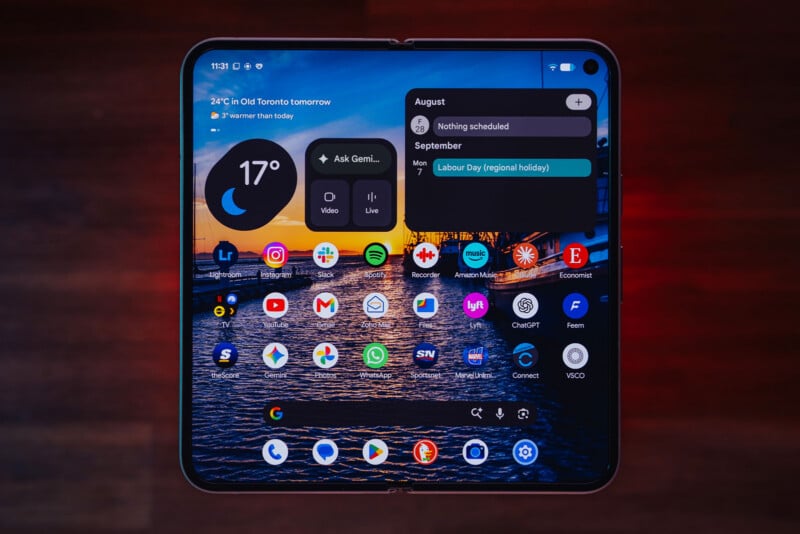
Hardware Specifications and Technical Limitations
The core hardware of the Pixel 11 Pro Fold centers on an 8-inch internal OLED panel with a resolution of 2152 x 2076 and a 6.5-inch external cover screen. While the display technology is high-quality, it remains largely unchanged from its predecessor. The most notable hardware modification is the integration of a 48-megapixel main wide lens with a Type 1/1.3 image sensor and an f/1.7 aperture. While this provides a marginal improvement in low-light performance, the auxiliary cameras remain tethered to older, smaller sensor technology.
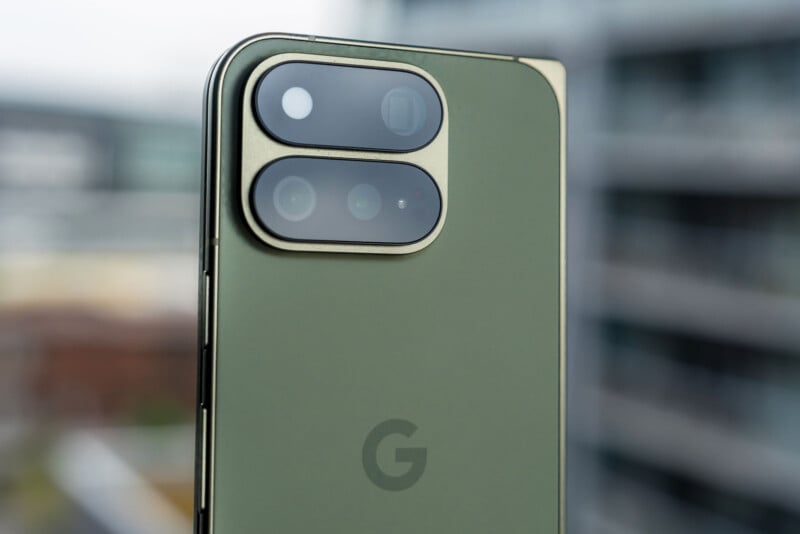
The telephoto lens, a 10.8-megapixel unit with 5x optical zoom, and the 10.5-megapixel ultra-wide sensor do not show the generational improvements expected at this price point. Furthermore, the device continues to utilize the Tensor G6 chipset. While the Tensor series is highly optimized for AI tasks, the hardware’s thermal and processing limits often become apparent when attempting to utilize advanced computational photography features in real-time.
The Role of Artificial Intelligence and Camera Looks
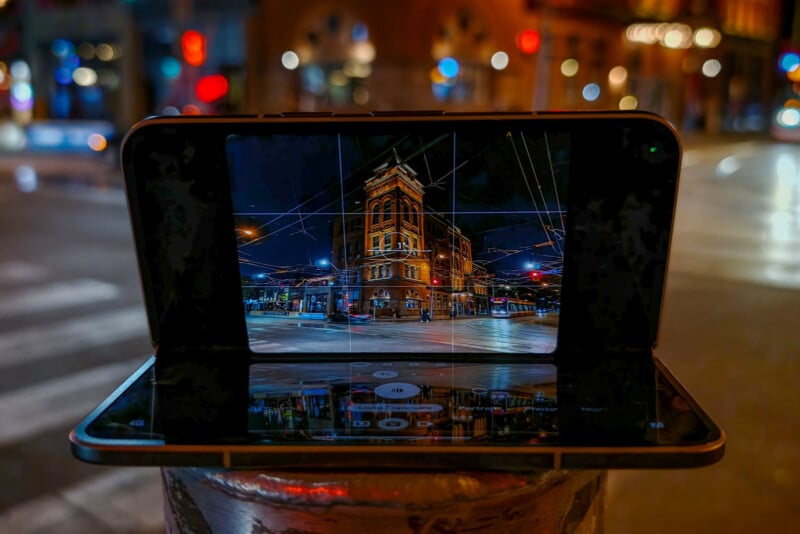
Google has chosen to double down on its software-centric strategy, introducing "Camera Looks" as the defining feature of the 11 Pro line. This suite of seven distinct filters, paired with four processing profiles (Original, Natural, Shadows, and Vanilla), allows users to manipulate the computational pipeline. This represents an attempt to move away from the "Google look"—a hyper-processed, high-dynamic-range aesthetic—toward a more customizable output.
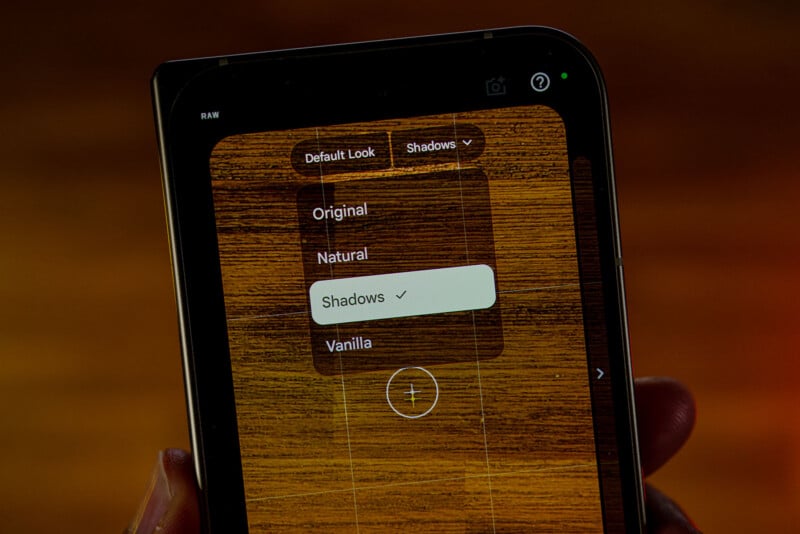
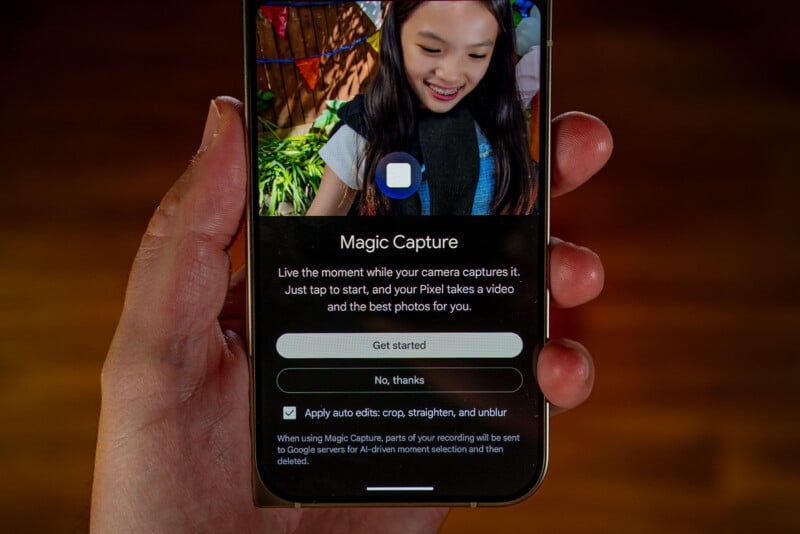
However, the efficacy of these tools is limited by the underlying hardware. For instance, the "Black Tie" monochrome filter is restricted by the sensor’s native dynamic range, and the lack of ability to save custom presets limits the utility for professional or semi-professional photographers. The "Magic Capture" feature, which uses AI to select the best frames from a video clip to create a high-resolution still, remains inconsistent. It currently struggles with fast-moving subjects and fails to provide the level of control that a true burst-shooting mode would offer.

Comparative Market Analysis
The North American foldable market, primarily dominated by Samsung and Motorola, has seen a divergence in strategy. Samsung’s Galaxy Z Fold 8 focuses on productivity and professional-grade software integration, while the Z Fold 8 Ultra targets the high-end enthusiast market with improved camera hardware. Meanwhile, the Motorola Razr series has successfully carved out a niche by focusing on design and portability.

In this context, the Pixel 11 Pro Fold occupies a middle ground that may struggle to appeal to either the productivity-focused power user or the imaging enthusiast. When compared to the Honor Magic V6, which features IP68 and IP69 water/dust resistance, a thinner profile, and larger image sensors, the Pixel 11 Pro Fold appears to be lagging in physical engineering. Google’s retention of the Pixelsnap (MagSafe-compatible) magnetic coils remains a distinct advantage, providing a seamless ecosystem for mounting accessories, but it is an isolated highlight in an otherwise aging hardware platform.
Implications for the Pixel Ecosystem
The reliance on Gemini and AI-driven features as the primary selling points for the Pixel 11 Pro Fold indicates a fundamental change in Google’s product philosophy. By prioritizing software-based enhancements—such as the HiLight LED indicator, which allows for custom notification glows—Google is attempting to differentiate the device through user experience rather than raw performance.

However, this strategy carries inherent risks. If the hardware does not evolve to support more sophisticated imaging, the gap between Google and its global competitors will likely widen. The lack of features like 4K 120fps recording or native Log capture suggests that the device is not intended for the "Pro" segment in the way the branding might imply. Instead, the focus on "Creator mode" tools like teleprompters and social media grids suggests that the Pixel 11 Pro Fold is being repositioned as a lifestyle device rather than a professional imaging tool.

Strategic Outlook and Sustainability
From a sustainability and value perspective, Google’s commitment to seven years of software and security updates provides a level of longevity that is unmatched in the industry. This is a significant factor for consumers considering the $1,899 entry price. If Google continues to roll out major software refinements to this device, the value proposition may improve over time.

Nevertheless, the current state of the Pixel 11 Pro Fold presents a cautionary tale for the industry. It highlights the diminishing returns of iterative hardware updates in the foldable space. For potential buyers, the decision rests on whether the integration of AI-driven software features and the promise of long-term support outweigh the stagnated physical hardware. For existing users of the Pixel 10 Pro Fold, the current upgrades appear insufficient to justify the cost of an upgrade, as the core imaging and design limitations remain largely unaddressed.

As the market for foldables matures, Google faces a critical juncture. The company must decide whether to continue its path of software-led iteration or to invest in the hardware-level breakthroughs that have allowed its competitors to define the current state of mobile technology. For now, the Pixel 11 Pro Fold stands as a capable, if uninspired, representative of the company’s current engineering capabilities.

