


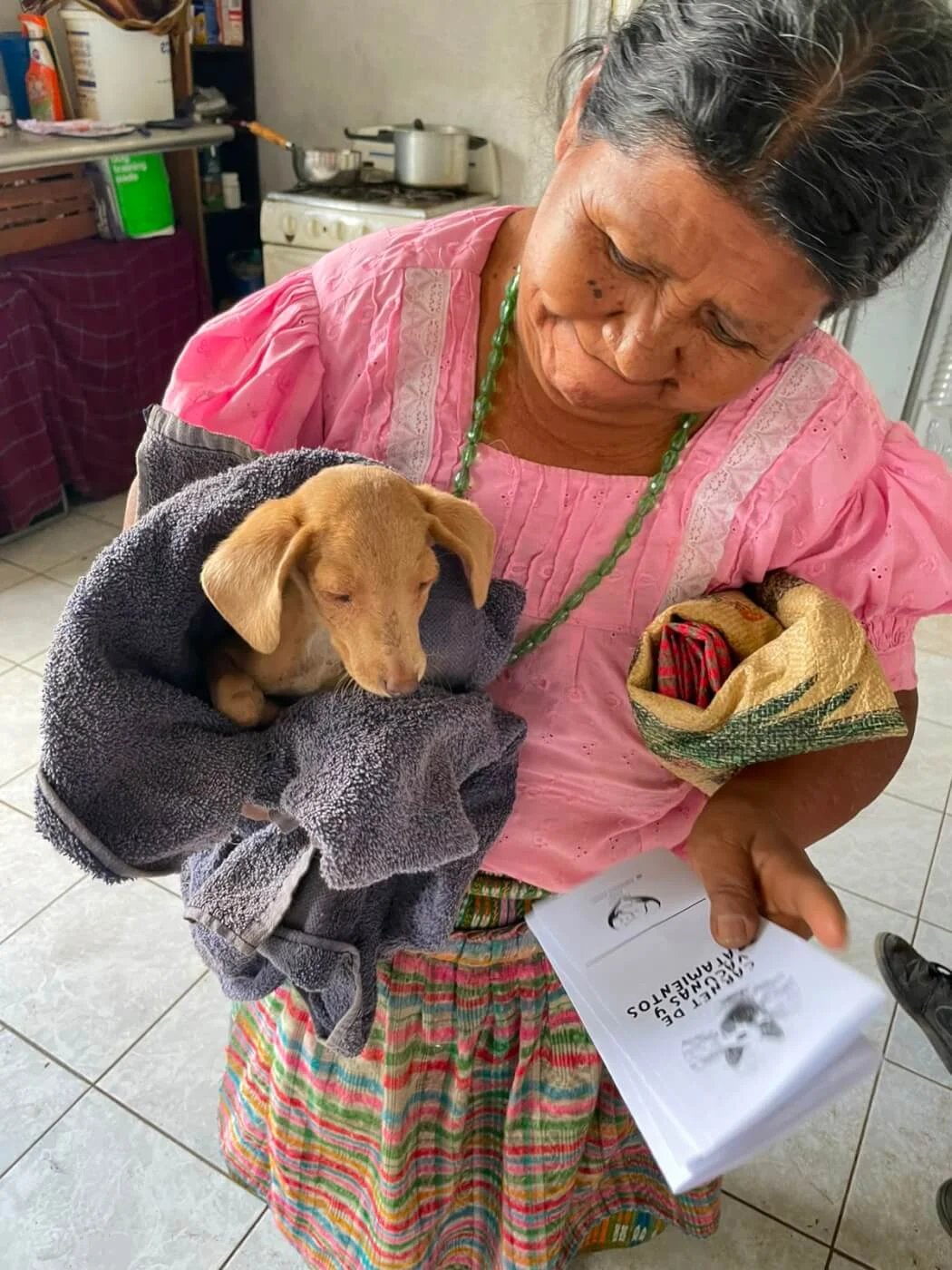
Across the picturesque landscapes of Guatemala, a quiet humanitarian and animal welfare crisis unfolds daily. From the bustling streets of Guatemala City to the vibrant, mountainous shores of Lake Atitlán, countless stray dogs and cats navigate a harsh reality defined by hunger, disease, and neglect. For generations, the sheer volume of homeless companion animals overwhelmed local municipal resources and grassroots organizations alike, leaving communities ill-equipped to manage burgeoning animal populations. However, a transformative shift is underway. Through a powerful international partnership between People for the Ethical Treatment of Animals (PETA) and the local Guatemalan organization Adoptame Atitlan, funded largely by PETA’s Global Compassion Fund (GCF), a new era of proactive veterinary care, community education, and population control has arrived.
The gravity of the stray animal crisis in regions like Lake Atitlán extends far beyond animal suffering; it encompasses public health, environmental concerns, and socio-economic challenges. Uncontrolled stray populations frequently lead to the spread of zoonotic diseases such as rabies, heavy parasite loads, and conflict with local wildlife and residents. Historically, local veterinarians and animal advocates operated with severely limited budgets, making comprehensive spay-neuter campaigns nearly impossible to sustain. The intervention of international philanthropic resources has provided a vital lifeline, shifting the paradigm from reactive rescue to proactive, preventative medicine.
The Scope of the Crisis: Understanding Animal Overpopulation in Central America
Guatemala, like many developing nations in Latin America, faces systemic challenges regarding companion animal welfare. Cultural norms, economic constraints, and a lack of accessible veterinary infrastructure contribute to high rates of unaltered pets roaming freely. When these animals reproduce unchecked, the resulting litters frequently end up abandoned, exacerbating a cycle of suffering.
Animal welfare experts emphasize that traditional catch-and-kill or shelter-only models are both inhumane and mathematically ineffective at controlling stray populations. Instead, international standards point to high-volume, targeted spay and neuter (HVSN) programs as the only proven, sustainable method to reduce stray numbers over time. Recognizing this need, organizations like Adoptame Atitlan dedicated themselves to bridging the gap between vulnerable animal populations and the medical care they require. Yet, without robust financial and logistical backing, their reach remained confined by operational bottlenecks.
Enter PETA’s Global Compassion Fund. Designed specifically to transcend geographic borders and support frontline animal rescuers in crisis zones, the GCF injected critical resources into the region. This funding enabled Adoptame Atitlan to scale its operations exponentially, transforming sporadic local outreach into a systematic, community-wide healthcare initiative.
A Comprehensive Approach: Beyond Spay and Neuter
The collaborative campaign spearheaded by Adoptame Atitlan and supported by the Global Compassion Fund goes far beyond simple surgical interventions. While sterilization remains the cornerstone of the initiative—directly halting the cycle of homelessness before it begins—the program delivers a holistic suite of veterinary services directly to the animals and guardians who need them most.
During recent outreach clinics, multidisciplinary teams of veterinarians, veterinary technicians, and volunteers provided comprehensive medical assessments for hundreds of dogs and cats. Services rendered included:
- Free spay and neuter surgeries performed under sterile conditions by licensed professionals.
- Essential vaccinations to protect against rabies, parvovirus, distemper, and other preventable, highly contagious diseases.
- Targeted treatments for ectoparasites and endoparasites, including severe flea, tick, and worm infestations that severely compromise animal health.
- Wound care, nutritional support, and basic diagnostics for chronically ill or injured street animals.
Crucially, the initiative recognizes that sustainable animal welfare cannot exist in a vacuum separated from human education. Veterinary teams dedicated substantial time to engaging directly with pet guardians and community members. These educational workshops focused on responsible pet ownership, the medical and behavioral benefits of sterilization, proper nutritional requirements, and humane treatment standards. By empowering local residents with knowledge, the program fosters a lasting cultural shift toward empathy and stewardship, ensuring that the benefits of the campaign endure long after the veterinary tents are packed away.
Chronology of an International Partnership
The success of the Guatemala initiative is the result of careful strategic planning and execution. Tracing the timeline of this collaboration highlights how targeted international philanthropy can rapidly mobilize local infrastructure for maximum impact.
Initial phases of the partnership involved baseline assessments of the Lake Atitlán region, identifying areas with the highest densities of stray and neglected animals. Local leaders at Adoptame Atitlan mapped out logistical requirements, securing safe venues for temporary mobile clinics, establishing cold-chain storage for vaccines, and coordinating with municipal authorities to ensure community buy-in.
Concurrently, PETA’s Global Compassion Fund allocated the necessary capital to procure medical-grade surgical instruments, pharmaceuticals, anesthetics, and high-volume preventive treatments. By streamlining the supply chain, the partnership overcame the bureaucratic and financial hurdles that typically plague grassroots veterinary efforts in developing regions.
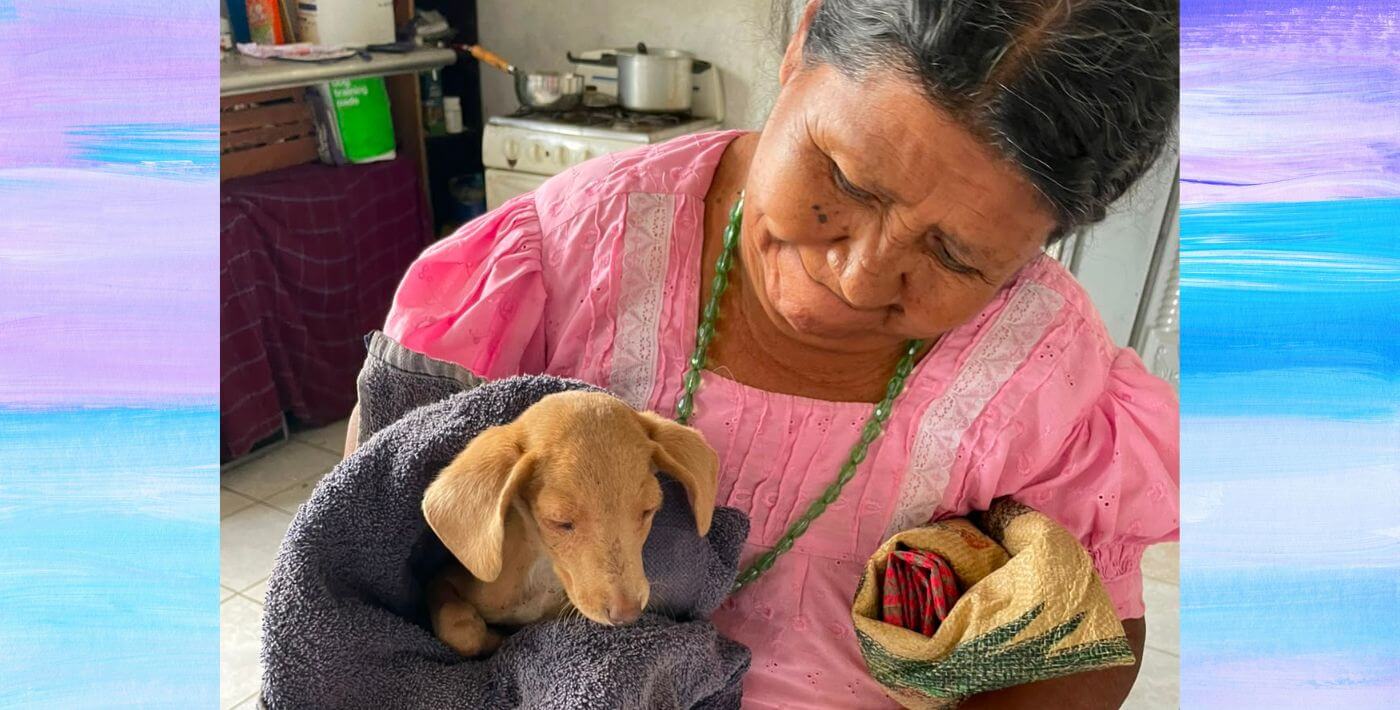
By the time the mobile clinics opened their doors, community outreach workers had already distributed informational flyers and registered hundreds of animals for surgery. The launch of the clinics marked an immediate surge in community participation, with long lines of dedicated guardians bringing their companion animals—and local strays they had taken under their protection—to receive free, high-quality care. Over successive operational blocks, the program achieved significant milestones, altering the trajectory of animal care in the region and laying the groundwork for continuous, recurring clinic schedules.
Voices from the Frontlines: Stakeholder Perspectives and Community Response
While numerical metrics—such as the number of surgeries performed and vaccines administered—offer a clear picture of the program’s efficiency, the human and animal stories on the ground illustrate its true emotional and societal weight.
Local animal advocates and volunteers with Adoptame Atitlan have expressed profound gratitude for the international solidarity shown by PETA and its global donor base. In interviews and community statements, organizers frequently emphasize that the plight of Guatemalan strays can easily become invisible to the broader world. The backing of the Global Compassion Fund not only provides material resources but also validates the tireless, day-to-day labor of local rescuers who often face compassion fatigue and burnout.
Community guardians have likewise reported a tangible change in the health and temperament of their neighborhood animals. Pet owners who previously viewed veterinary care as an unattainable luxury due to economic hardship now have direct access to professional medical services. Local schools and community centers have integrated animal welfare discussions into informal gatherings, reflecting a growing communal consensus that the humane treatment of animals is intrinsically linked to community well-being.
Independent veterinary analysts note that programs combining free sterilization with accessible parasite control yield immediate epidemiological benefits. By drastically reducing the vector loads of fleas, ticks, and gastrointestinal parasites, these clinics simultaneously lower the transmission risks of zoonotic diseases to humans, creating a healthier environment for both species.
The Broader Impact: A Global Movement of Compassion
The initiative in Guatemala does not stand in isolation. It represents a vital node in an expanding global network of mercy and proactive intervention supported by PETA’s Global Compassion Fund. From war-torn communities in Ukraine to underserved regions in Mexico, and now extending deep into Central America, the GCF has consistently demonstrated that geographical boundaries should not dictate an animal’s right to humane treatment and medical care.
The ripple effects of every sterilization surgery performed in Guatemala are exponential. By preventing a single female dog or cat and her offspring from contributing to the overpopulation cycle, the program spares hundreds, if not thousands, of future animals from the horrors of starvation, disease, abuse, and premature death. This preventative philosophy is mathematically proven to be the most humane and fiscally responsible method for managing stray populations worldwide.
Despite these significant achievements, the demand for veterinary care continues to outpace available resources. Thousands of animals across Guatemala and neighboring regions still lack access to basic medical interventions, and grassroots organizations operate at maximum capacity just to maintain current baseline services.
How You Can Help: Supporting the Global Compassion Fund
The continuation and expansion of this life-saving work depend heavily on public awareness and philanthropic support. Maintaining mobile veterinary clinics, securing essential pharmaceuticals, and opening new facilities require sustained financial investment.
Every contribution directed toward PETA’s Global Compassion Fund directly translates into tangible action on the ground: purchasing surgical steel, securing anesthetic agents, funding transport for remote community outreach, and providing educational materials to empower the next generation of animal advocates.
The transformation underway in Guatemala proves that systemic animal suffering is not an insurmountable reality; it is a challenge that can be systematically dismantled through education, medical intervention, and international cooperation. By joining this global movement of compassion, supporters worldwide can help ensure that stray animals are no longer forgotten, and that every companion animal receives the dignity, health, and care they rightfully deserve.

