


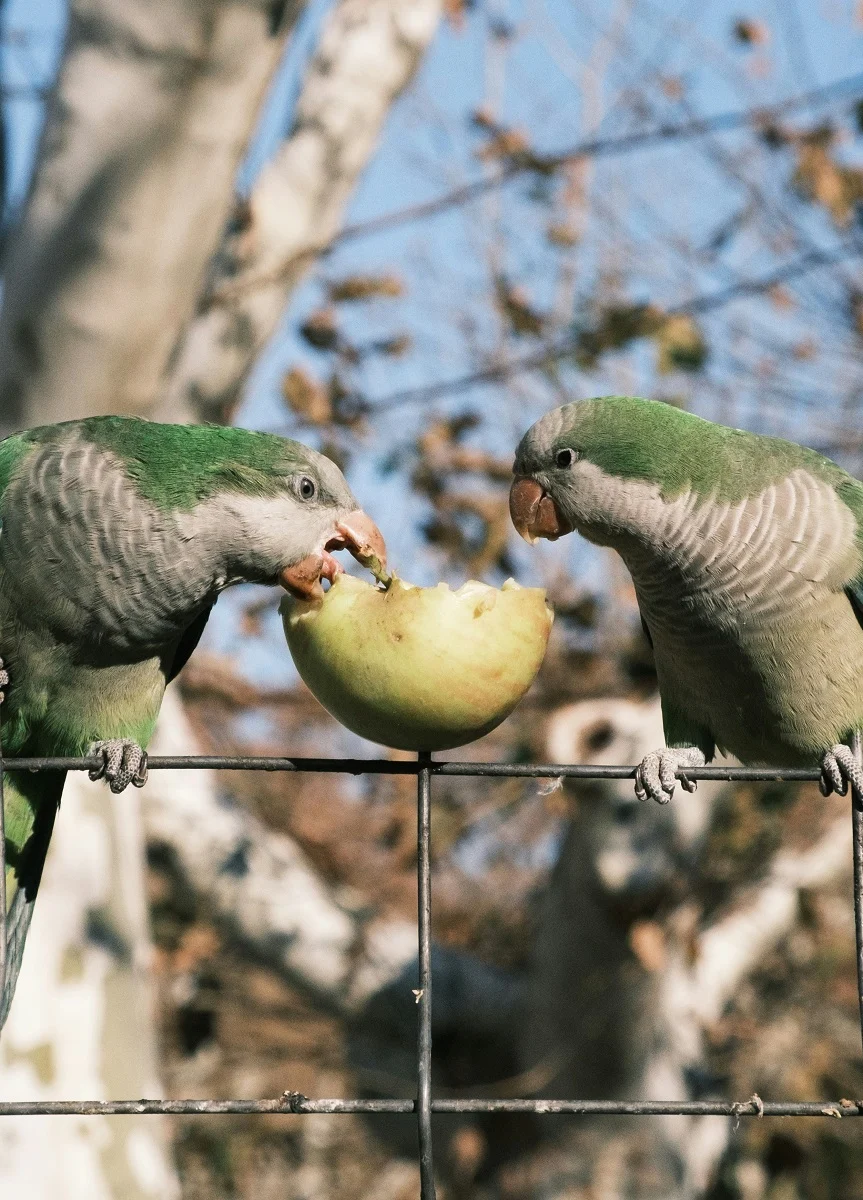
The Quaker parrot, scientifically classified as Myiopsitta monachus and more commonly known as the monk parakeet, has long occupied a unique niche in both avian veterinary science and international wildlife management. Native to the lowland scrublands and forests of South America, this compact, highly intelligent psittacine has successfully transitioned from a regional agricultural pest into a global urban phenomenon and a cherished household companion. As prospective pet owners increasingly turn their attention toward these charismatic birds, avian experts and conservationists emphasize the necessity of understanding the species’ complex behavioral traits, specialized dietary requirements, and profound ecological footprint.
Main Facts and Avian Profile
Weighing up to 140 grams and reaching lengths of approximately 13 inches, the Quaker parrot is readily identifiable in its wild state by a mossy green back, a soft gray front, and striking blue flight feathers. Selective breeding programs over recent decades have successfully expanded this palette, introducing color morphs featuring blue, yellow, white, and gray plumage. Despite subtle sexual dimorphism—females are marginally smaller than males—visual identification of sex remains virtually impossible, necessitating DNA analysis for definitive determination.
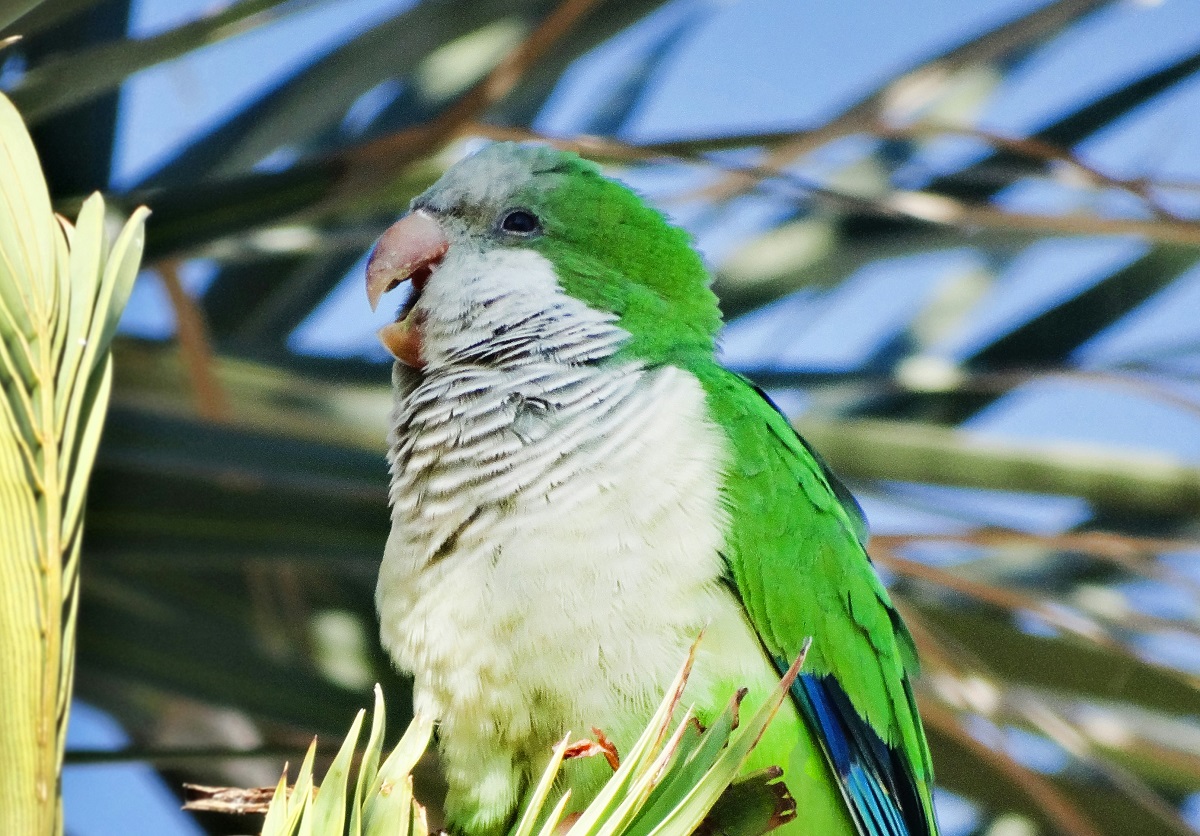
In captivity, the species is celebrated for a lifespan that can stretch up to three decades, provided individuals receive optimal veterinary oversight and nutritional care. Renowned for their boisterous personalities and considerable cognitive capabilities, monk parakeets operate at a low-to-moderate noise level relative to larger parrot species, though their distinct flock calls and aptitude for human speech imitation demand careful consideration from prospective owners.
Chronology and Geographical Expansion
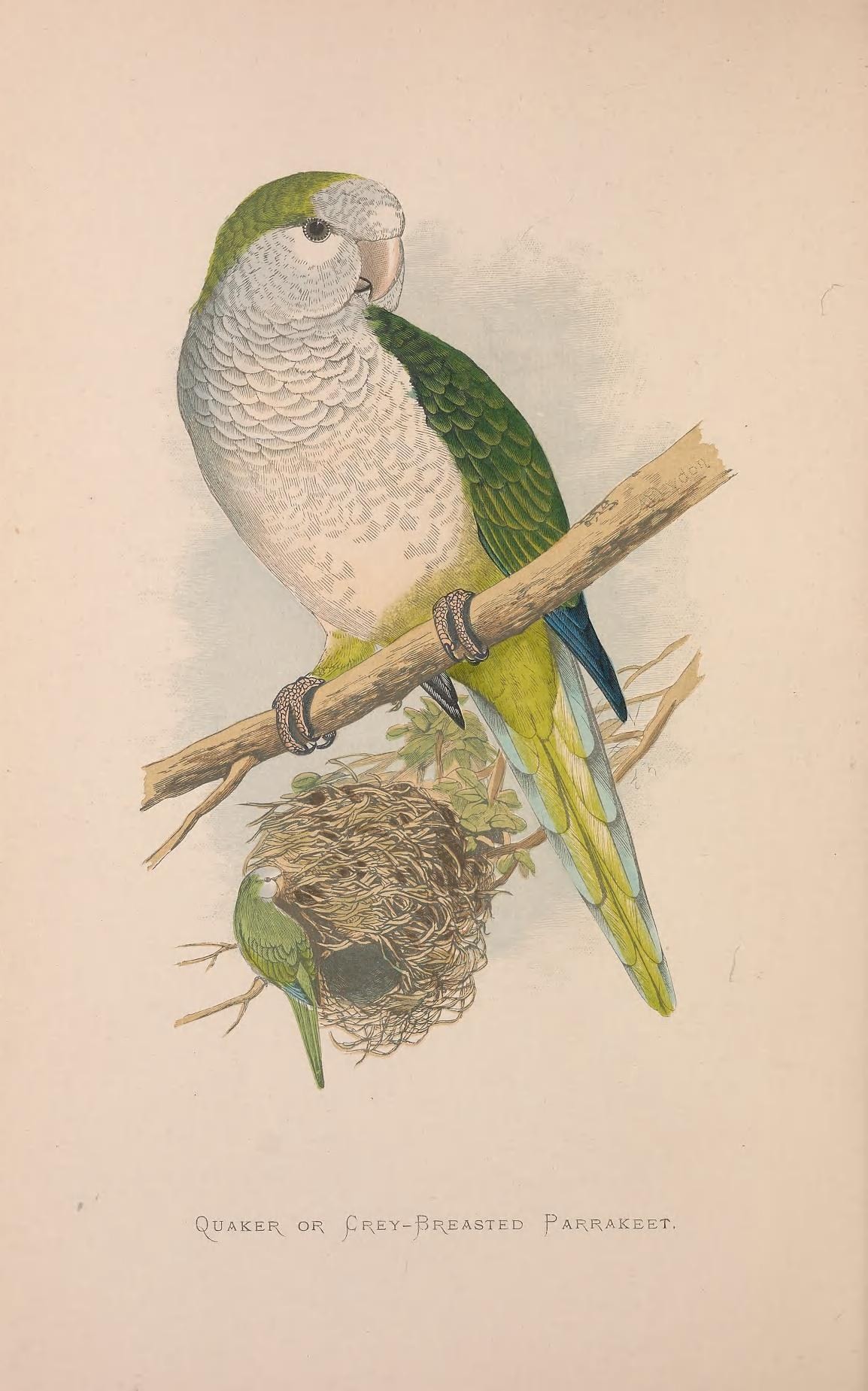
Historically, the natural habitat of Myiopsitta monachus was strictly confined to a contiguous region of South America encompassing southern Brazil, eastern Bolivia, most of Paraguay and Argentina, and the entirety of Uruguay. Operating primarily as a lowland species at elevations below 3,300 feet, these birds traditionally inhabited sparsely wooded savannas, palm forests, and scrublands, constructing intricate communal stick nests that could span several feet in diameter.
The trajectory of the species shifted dramatically during the latter half of the twentieth century, driven by two distinct anthropogenic factors: the global pet trade and agricultural expansion. As international demand for exotic pets surged, thousands of monk parakeets were exported to North America, Europe, and parts of Asia. Accidental escapes and intentional releases subsequently established robust, self-sustaining feral populations in major metropolitan areas across the globe, ranging from Madrid and Valencia in Spain to numerous urban centers across the United States.

Simultaneously, within their native South American range, the conversion of land for industrial agriculture—particularly the widespread cultivation of maize and the establishment of eucalyptus plantations for paper pulp—inadvertently provided the species with an abundant, reliable food supply and enhanced nesting infrastructure. Consequently, the International Union for Conservation of Nature (IUCN) Red List classifies Myiopsitta monachus as a species of Least Concern, noting that local populations are not only stable but actively benefiting from human-induced environmental modifications.
Supporting Data and Physiological Requirements
Maintaining a Quaker parrot in a domestic environment requires rigorous adherence to specialized husbandry standards. Avian veterinarians increasingly caution against traditional, seed-heavy diets, which lack essential micronutrients and frequently precipitate chronic malnutrition, hepatic lipidosis, and shortened lifespans. Modern nutritional protocols mandate a foundation of high-quality formulated pelleted food, supplemented regularly with fresh leafy greens, vegetables, low-sugar fruits, and access to a mineral block for calcium regulation.
Housing requirements are similarly stringent. Given their active disposition and high intelligence, monk parakeets require a cage with a minimum horizontal width of 30 inches. Because parrots predominantly utilize the upper quadrants of their enclosures, horizontal flight space takes precedence over vertical height. Furthermore, daily out-of-cage enrichment is mandatory to prevent obesity and psychological distress. Owners must invest significant time in interactive play, foraging puzzles, and social engagement to replicate the complex social structures found in wild flocks.
Official Responses and Regulatory Restrictions
While the IUCN maintains a favorable conservation outlook for wild populations in South America, governmental and environmental agencies in destination countries have adopted aggressive containment and regulatory frameworks. Because monk parakeets are prolific breeders capable of adapting to temperate climates, established feral populations pose a severe ecological and economic threat.
Agricultural ministries in multiple jurisdictions have designated the species as an agricultural nuisance. In their native range, large flocks routinely descend upon grain and corn fields, inflicting substantial economic losses on farmers. In regions where the species has been introduced—such as several U.S. states where ownership restrictions or outright bans have been enacted—wild populations present additional infrastructure hazards. Their massive, communal stick nests are frequently constructed on utility poles and electrical transformers, triggering widespread power outages, short circuits, and costly municipal repairs. Consequently, wildlife authorities in various domestic and international territories enforce strict import bans, possession permits, or eradication protocols to curb the spread of feral colonies.
Broader Impact and Implications
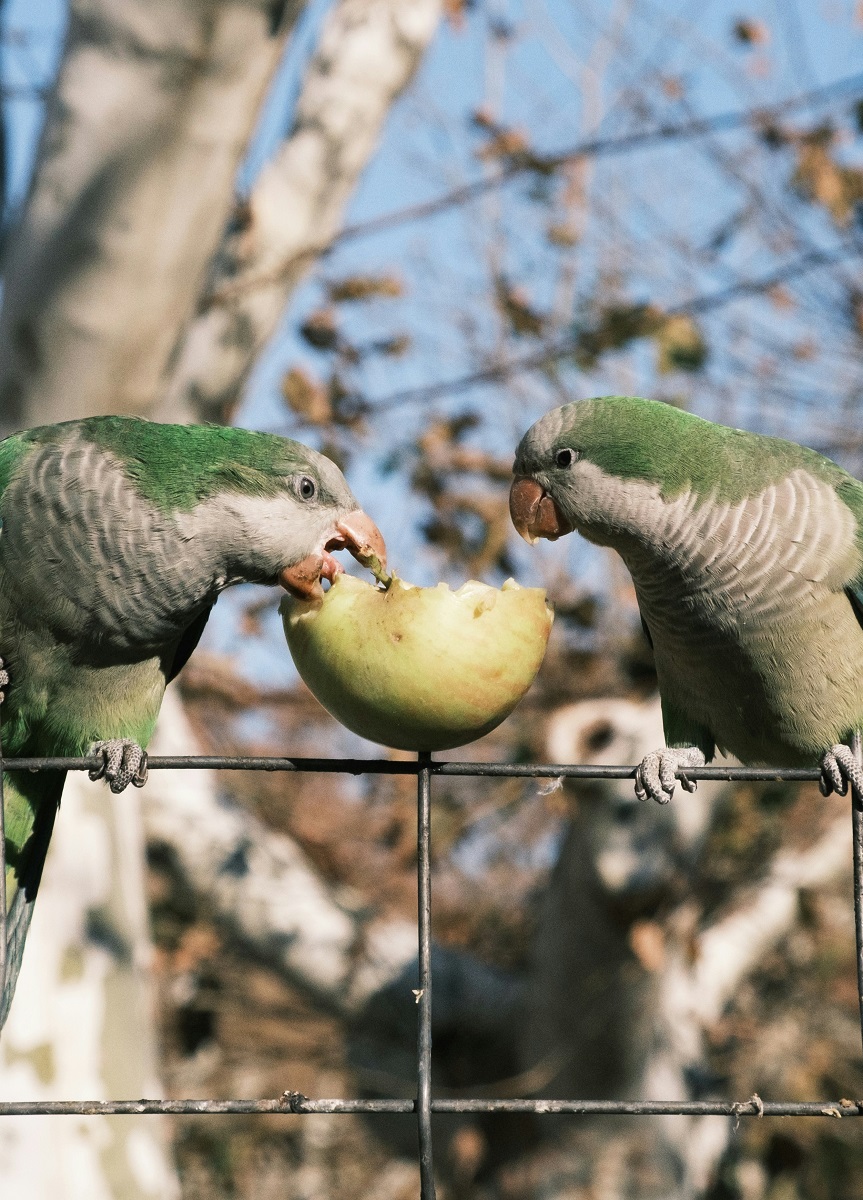
The dual status of the Quaker parrot—simultaneously valued as an affectionate, articulate household pet and condemned as an invasive agricultural pest—underscores the complex consequences of the global exotic pet trade. For prospective owners, understanding the behavioral nuances of Myiopsitta monachus is paramount. Their strong territorial instincts regarding cage ownership, potential for hyper-attachment to a single human, and relentless nest-building compulsions require experienced, dedicated handling.
Ultimately, the phenomenon of the monk parakeet serves as a case study in avian adaptability. As urbanization and climate shifts continue to alter natural landscapes, resilient species like the Quaker parrot demonstrate an unprecedented capacity to thrive alongside human civilization. Whether observed foraging alongside pigeons in a European capital or nesting in a suburban backyard, Myiopsitta monachus remains a testament to the complex interplay between wildlife conservation, domestic animal husbandry, and global ecological management.

