


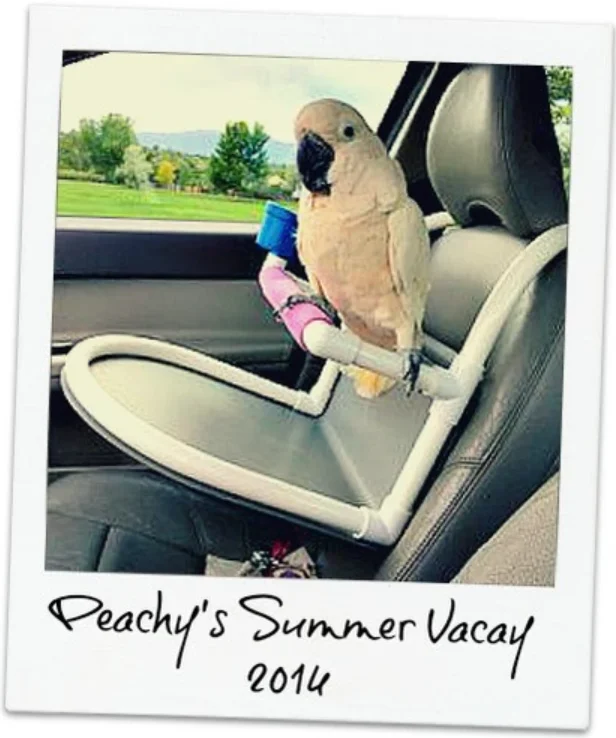
The concept of traveling with pets has evolved significantly, moving beyond traditional companions like dogs and cats to include exotic animals such as parrots. For thousands of parrot owners, the decision to embark on a journey with their feathered companions is driven by a desire for continued bonding and a preference over leaving them with pet sitters. However, the unique physiological and psychological needs of avian species necessitate meticulous preparation and a nuanced understanding of their welfare during transit. This guide delves into the intricacies of taking a car trip with a pet bird, outlining essential preparations, safety protocols, stress mitigation strategies, and critical considerations for ensuring a safe and enriching experience for both bird and owner.
The Feasibility of Avian Travel: An Expert Perspective
The fundamental question of whether parrots can travel safely in a car is met with a conditional affirmative from avian experts: yes, but only with thorough preparation and an understanding of the individual bird’s temperament. Parrots, being highly social and flock-oriented creatures, often derive immense security from the presence of their primary caregivers. This inherent need for companionship can make traveling with their human flock a less stressful alternative to being left in an unfamiliar environment with a sitter. A 2022 survey by the American Pet Products Association (APPA) indicated a steady increase in pet travel, with a growing segment of owners exploring options for exotic pets, highlighting the demand for comprehensive guidance.
Pre-Travel Assessment: Is Your Bird Ready?
Before any journey, a critical assessment of your bird’s readiness is paramount. Avian veterinarians and behaviorists recommend evaluating several key indicators:
- Carrier Comfort: The bird should be accustomed to and comfortable within a travel carrier, associating it with positive experiences rather than confinement.
- Environmental Adaptability: Observe how your bird reacts to new sights, sounds, and temporary changes in its immediate surroundings. A bird that panics easily in novel situations may require more intensive pre-travel training.
- Routine Stability: The bird should maintain normal eating, drinking, and play behaviors even when slightly outside its regular routine or home environment.
- Prior Car Exposure: Previous short, positive car rides are invaluable for acclimatization to motion and vehicle sounds.
If a bird exhibits significant distress during these preliminary assessments, it signals a need for further training and gradual exposure rather than immediate travel. This proactive approach minimizes stress and enhances safety.
The Crucial Role of Acclimatization Training
Effective preparation for avian car travel begins weeks, if not months, before the intended trip. This involves a systematic acclimatization process:
- Carrier Familiarization: Introduce the travel carrier in a familiar, safe space at home. Keep the door open, placing favorite treats, toys, or familiar perches inside to encourage exploration and positive association.
- Proximity Training: Once the bird comfortably enters and rests in the carrier, move it gradually closer to the vehicle.
- Engine On, Stationary: Secure the carrier within the car, turn on the engine, but do not drive. This allows the bird to become accustomed to the vehicle’s sounds and vibrations.
- Short Drives: Progress to very short drives around the block, carefully observing the bird’s body language for any signs of discomfort or stress. Gradually increase the duration and distance of these practice runs.
This methodical training prevents panic, reduces the likelihood of motion sickness, and builds confidence, making the actual travel day significantly smoother.
Understanding and Mitigating Travel Stress in Avian Companions
While some birds adapt well to travel, the experience can be inherently stressful for others. Parrots thrive on predictability, and the unfamiliarity of new sounds, vibrations, and environments can trigger anxiety.
Recognizing Signs of Avian Distress
Vigilance for signs of stress is crucial throughout the journey. Common indicators of avian travel stress include:
- Panting: Can signal overheating or extreme anxiety.
- Fluffed Feathers: While sometimes a sign of relaxation, it can also indicate cold, illness, or severe stress. Differentiate based on other contextual cues.
- Aggression or Biting: Often a fear-based response to perceived threats or discomfort.
- Excessive Vocalization/Screaming: A clear alarm or distress call.
- Feather Plucking or Over-Preening: Displacement behaviors indicative of significant stress or anxiety.
- Loss of Appetite or Refusal to Drink: A serious indicator of stress that can lead to dehydration or nutritional deficiencies.
- Changes in Droppings: Stress can manifest as changes in droppings (e.g., watery, discolored).
Upon observing any of these signs, it is imperative to pull over, assess the bird’s condition, and provide comfort and security. In emergency scenarios, such as wildfire evacuations, where gradual acclimatization is impossible, prioritizing comfort and security within the carrier becomes paramount.
The Paradox: Why Some Birds Thrive on Road Trips
Interestingly, many parrots appear to prefer car trips over being left behind. This phenomenon is largely attributed to their inherent flock mentality. Being in close proximity to their trusted human companions provides a sense of security that often outweighs the stress of a new environment. A study published in the Journal of Avian Medicine and Surgery noted that consistent owner presence could mitigate anxiety in companion birds during short-term environmental changes. With proper preparation and positive reinforcement, car travel can become a positive, bonding experience that the bird anticipates with curiosity rather than fear.
Veterinary Insights: Supporting Emotional Well-being
Avian veterinarians frequently advise on strategies to support a bird’s emotional health during travel. This includes recommending specific calming products, but always with the caveat of prior consultation to ensure suitability for the bird’s species and individual health. These products, which might include vet-trusted supplements or avian-specific pheromone sprays, are designed to support emotional wellness before, during, and after a trip, creating a smoother transition.
Logistics of Avian Car Travel: Carriers, Security, and Comfort
The cornerstone of safe avian car travel is the selection and proper use of a secure, appropriate carrier.
Selecting the Optimal Travel Carrier
The ideal bird travel carrier must prioritize safety, ventilation, and comfort. Key features to look for include:
- Robust Construction: Made from non-toxic, durable materials (e.g., acrylic, metal, or high-quality fabric like the Pak’o’Bird).
- Excellent Ventilation: Crucial for temperature regulation and preventing stale air accumulation. Ample openings or mesh panels are essential.
- Secure Latching Mechanism: To prevent accidental escapes.
- Appropriate Size: Large enough for the bird to stand, turn around, and perch comfortably, but not so large that the bird could be jostled excessively during sudden stops.
- Easy to Clean: Accidents happen, and a carrier that can be quickly sanitized is invaluable.
- Visibility: Clear-sided carriers can reduce a bird’s anxiety by allowing them to see their surroundings and their owner.
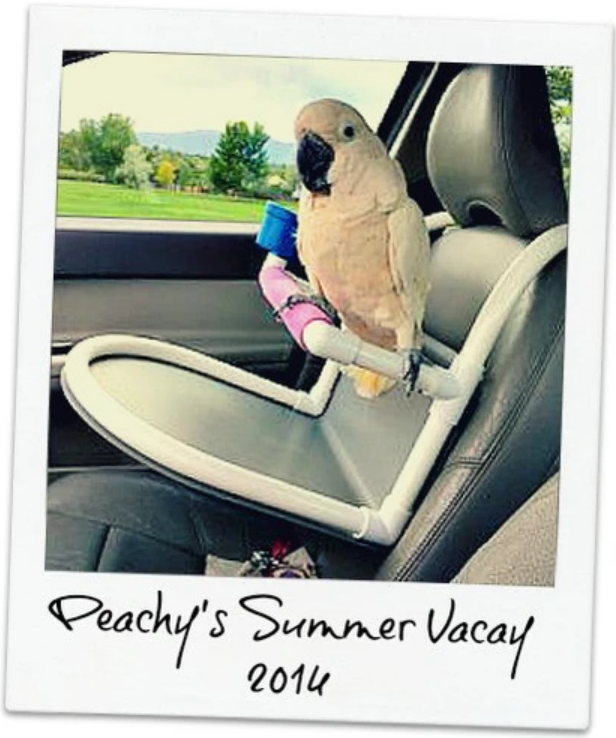
While bird car seats exist, they are generally recommended only for highly confident, harness-trained parrots and should always be supplemented with a secure travel carrier as a backup for emergencies or extended stops. The primary concern with car seats is the difficulty in safely restraining a bird in the event of a collision or sudden maneuver.
Securing Your Bird in Transit
Properly securing the carrier within the vehicle is non-negotiable. The carrier should be placed on a level surface, ideally in the back seat, and firmly secured with a seatbelt or bungee cords to prevent shifting, tipping, or sliding during travel. This stability is crucial for preventing injuries and reducing motion-induced stress.

Combating Motion Sickness and Disorientation
Birds, like humans and other pets, can experience motion sickness. To mitigate this:
- Smooth Driving: Avoid erratic acceleration, sudden braking, or sharp turns.
- Stabilized Carrier: Ensure the carrier remains level and does not swing or rock excessively.
- Minimal Internal Movement: Remove dangling toys or items that could swing unpredictably, as these can exacerbate disorientation. Instead, provide a stationary chew toy or shreddable block for engagement.
- Hydration and Skin Health: A quick spritz of avian-safe aloe vera spray can help counteract dry skin caused by air conditioning or altitude changes, adding to overall comfort.
Duration and Breaks: Pacing Your Journey
The length of an avian car trip should be determined by the bird’s individual tolerance and experience, rather than a fixed mileage target.
Determining Trip Length: Bird-Centric Limits
For birds new to car travel, initial trips should be limited to under two hours. As a bird gains experience and demonstrates comfort, longer journeys of four to six hours may be feasible, provided strategic breaks are incorporated. The importance of practice cannot be overstated; real-world scenarios, such as emergency evacuations during events like wildfires (a situation experienced firsthand by many pet owners in vulnerable regions), underscore the necessity of prior training.
Strategic Stop Planning
Regular breaks are essential for avian well-being on longer trips. Aim to pull over every 90 to 120 minutes in a quiet, safe location. During these stops:
- Vehicle Off: Always turn off the car before opening the carrier door to minimize startling sounds.
- Fresh Water and Familiar Snacks: Offer fresh water and a preferred, familiar snack. Familiarity reduces stress.
- Stress Level Check: Observe your bird for any lingering signs of stress (panting, fluffed feathers, agitation). This is an opportunity to adjust conditions or extend the break.
- Harness Time (If Trained): For harness-trained birds, a supervised 5-10 minute stretch outside the carrier (but still protected) can provide vital exercise and mental stimulation.
Environmental Control During Stops and Drives
Temperature management is paramount. Birds are highly susceptible to extreme temperatures:
- Heat Safety: Never leave a bird unattended in a parked car, even for short periods. Interior car temperatures can rise rapidly, leading to fatal heatstroke. Utilize air conditioning, park in the shade, or use reflective sunshades.
- Cold Safety: Below 45°F (7°C), birds can quickly become hypothermic. Ensure the carrier is protected from direct drafts, use blankets to cover part of the carrier, and utilize the car’s heating system cautiously, avoiding direct hot air blasts.
- Sun Exposure: Protect the carrier from direct, prolonged sunlight, which can cause overheating.
The guiding principle is always comfort over convenience; adjusting routes or taking extra breaks to ensure your bird’s safety and well-being is non-negotiable.
Comprehensive Pre-Trip Planning Checklist
A detailed checklist ensures no critical element is overlooked:

- Veterinary Health and Grooming: Schedule a wellness check-up approximately one week before travel. Discuss travel suitability, potential calming supplements, and ensure nails and wings are safely trimmed to prevent injury or accidental escape. For interstate travel, inquire about any required health certificates, though these are less common for car travel than air travel.
- Accommodation Logistics: "Pet-friendly" does not automatically mean "parrot-friendly." Always call hotels ahead to confirm their avian policies, inquire about quiet rooms, and clarify any restrictions on cage covers or noise. Bring a waterproof mat for under the cage and plan to set up the bird in a calm corner of the room away from direct drafts, windows, or TV noise.
- The Essential Avian Travel Kit:
- Secure, well-ventilated travel carrier with appropriate perches and easily accessible food/water dishes.
- Ample supply of familiar food and treats (enough for the trip plus extra).
- Bottled water from home to minimize digestive upset from unfamiliar water sources.
- Portable water bottle or drip dispenser for in-carrier hydration.
- Favorite, non-dangling toys for enrichment.
- Cage cover for privacy and calming.
- Cleaning supplies: bird-safe wipes, small brush, waste bags, paper towels.
- Avian first-aid kit: styptic powder, vet-approved pain relief (if applicable), emergency vet contact information (both local and destination), sterile gauze.
- Harness and leash (if bird is trained).
- Portable perch or play stand for hotel use.
- Copies of veterinary records, including vaccination history and emergency contact details.
- Vet-approved calming aids or supplements.
- Avian-safe humidity spray.
Enhanced Freedom and Safety: Harness Training
For parrots, harness training significantly expands travel opportunities. A harnessed bird can safely explore supervised outdoor areas during breaks, stretch its wings, or calmly accompany its owner during hotel check-ins. This added freedom provides crucial exercise and mental stimulation, directly reducing travel-related stress. Consistent practice before the trip, along with reliable ID tags and recall training, maximizes safety. Even short, supervised harness sessions (5-10 minutes) outside the carrier can make a profound difference in a bird’s overall well-being on multi-day journeys.
Specialized Calming Solutions for Avian Travelers
A range of products can aid in managing travel anxiety, though their use should always be discussed with an avian veterinarian:
- Calming Formulas: Oral supplements, often containing ingredients like L-theanine or chamomile, can be administered 1-2 hours prior to travel to help reduce anxiety.
- Aloe Mist: Regular spritzing within the carrier helps maintain skin and feather hydration, particularly in dry car environments or during altitude changes.
- Immune-Support Supplements (e.g., FeatherUp): These can bolster the immune system and help prevent stress-related behaviors like feather plucking, supporting overall health during potentially stressful periods.
These products, when bundled into a "Bird Travel Kit," streamline pre-trip preparation and provide comprehensive support for the bird’s physical and emotional health.
Critical Considerations: When Travel Is Not Advised
Despite best intentions, there are specific circumstances when traveling with a bird is ill-advised:
- Health Concerns: A sick bird, one undergoing heavy molting, or experiencing significant hormonal mood swings should not travel. Their compromised immune system or heightened stress levels make travel a significant risk.
- Lack of Training: If a bird has not been properly acclimatized to a carrier or harness, attempting a trip will likely result in extreme distress for the bird and a challenging experience for the owner. Training is foundational to a positive outcome.
- Weather Extremes: Traveling when temperatures are consistently above 85°F (29°C) or below 45°F (7°C) is dangerous. Birds are highly sensitive to temperature fluctuations and can quickly suffer from heatstroke or hypothermia.
Conclusion: Embracing Responsible Avian Adventures
Traveling with a pet bird can be an incredibly rewarding experience, fostering a deeper bond and offering new adventures for both pet and owner. However, it demands a commitment to meticulous planning, continuous observation, and prioritizing the bird’s safety and comfort above all else. By understanding avian physiology, recognizing stress signals, and implementing proactive training and preparation strategies, owners can transform potential anxieties into opportunities for enriching experiences.
Industry-standard products, such as secure, well-ventilated travel carriers (e.g., Pak’o’Bird) and species-appropriate calming aids, represent crucial components of a comprehensive travel plan. When birds feel safe, seen, and supported by their human flock, they are far more likely to embrace the journey with curiosity and contentment, truly enjoying the destination and the path leading to it.
Further Reading:
- "6 Tips for Car Travel with Parrots" – BirdSupplies.com
- "Pet Friendly Vacations: RV Travel With Your Bird" – BirdSupplies.com
- "Finding a Bird-Friendly Hotel" – BirdSupplies.com
About the Author:
Diane Burroughs, LCSW, brings over 30 years of experience helping bird lovers build stronger, healthier bonds with their parrots. With a foundation in psychotherapy and Applied Behavior Analysis (ABA), Diane combines proven behavioral science with simple, real-life strategies anyone can use. Through her books, behavior consultations, and UnRuffledRx parrot wellness products, she’s dedicated to helping real bird owners create trust, confidence, and a lifetime of positive experiences with their feathered companions. Diane’s products have been featured in the Journal of Avian Medicine and Surgery and at ExoticsCon, a national conference for exotic animal veterinarians. Her bird collars and supplements are trusted by avian vets and stocked in vet clinics across the U.S. With thousands of individualized behavior plans under her belt, Diane’s mission is simple: to help parrots and their people thrive together.
TAGS: #CarTravelWithBirds #TakingYourBirdOnVacation

