


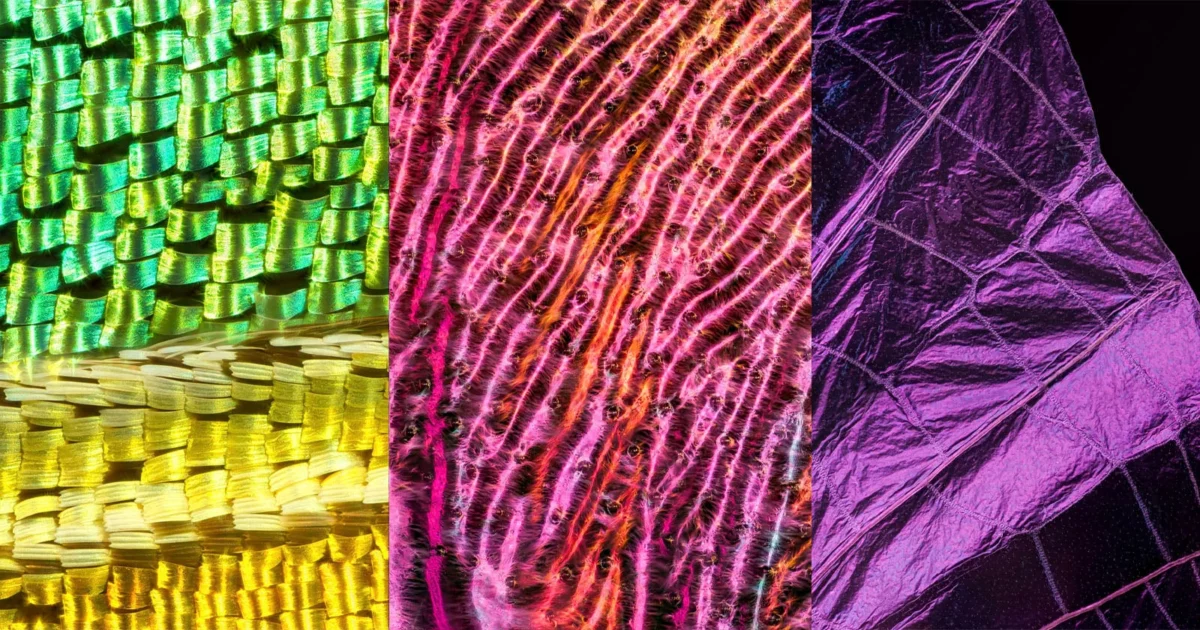
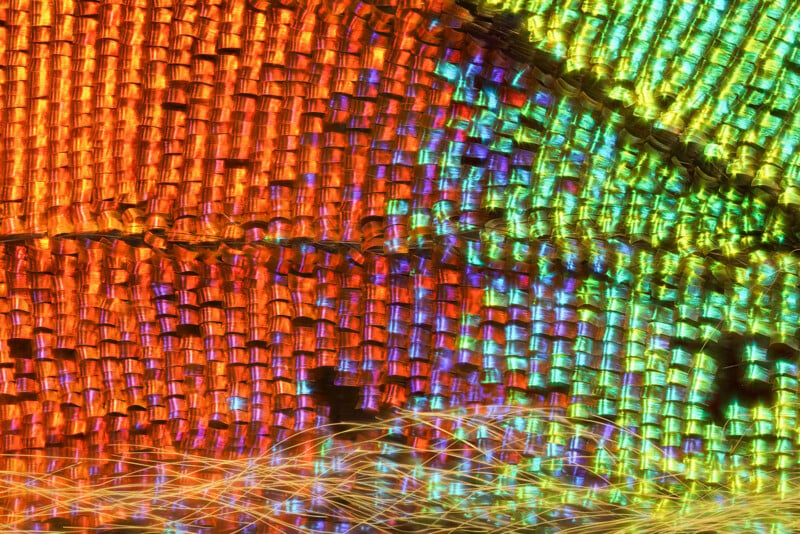
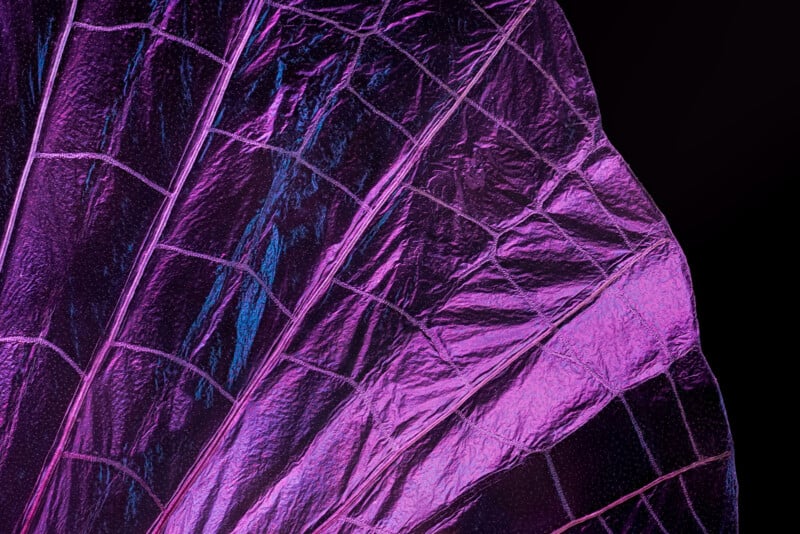
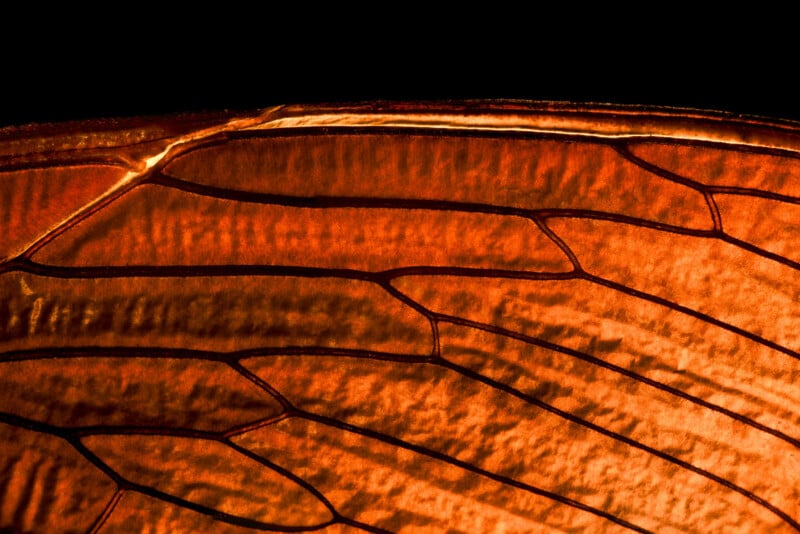
In an extraordinary fusion of high-end optical technology and meticulous artistic vision, photographer Chris Perani has released his latest body of work titled Wings, a collection that explores the hidden landscapes of insect anatomy. By utilizing extreme macro photography techniques, Perani reveals vibrant colors, intricate textures, and complex architectural patterns on the wings of insects—details that remain entirely invisible to the naked human eye. Each final image in the series is the result of a grueling technical process, involving the digital assembly of thousands of individual photographs to create a single, ultra-high-resolution composite.
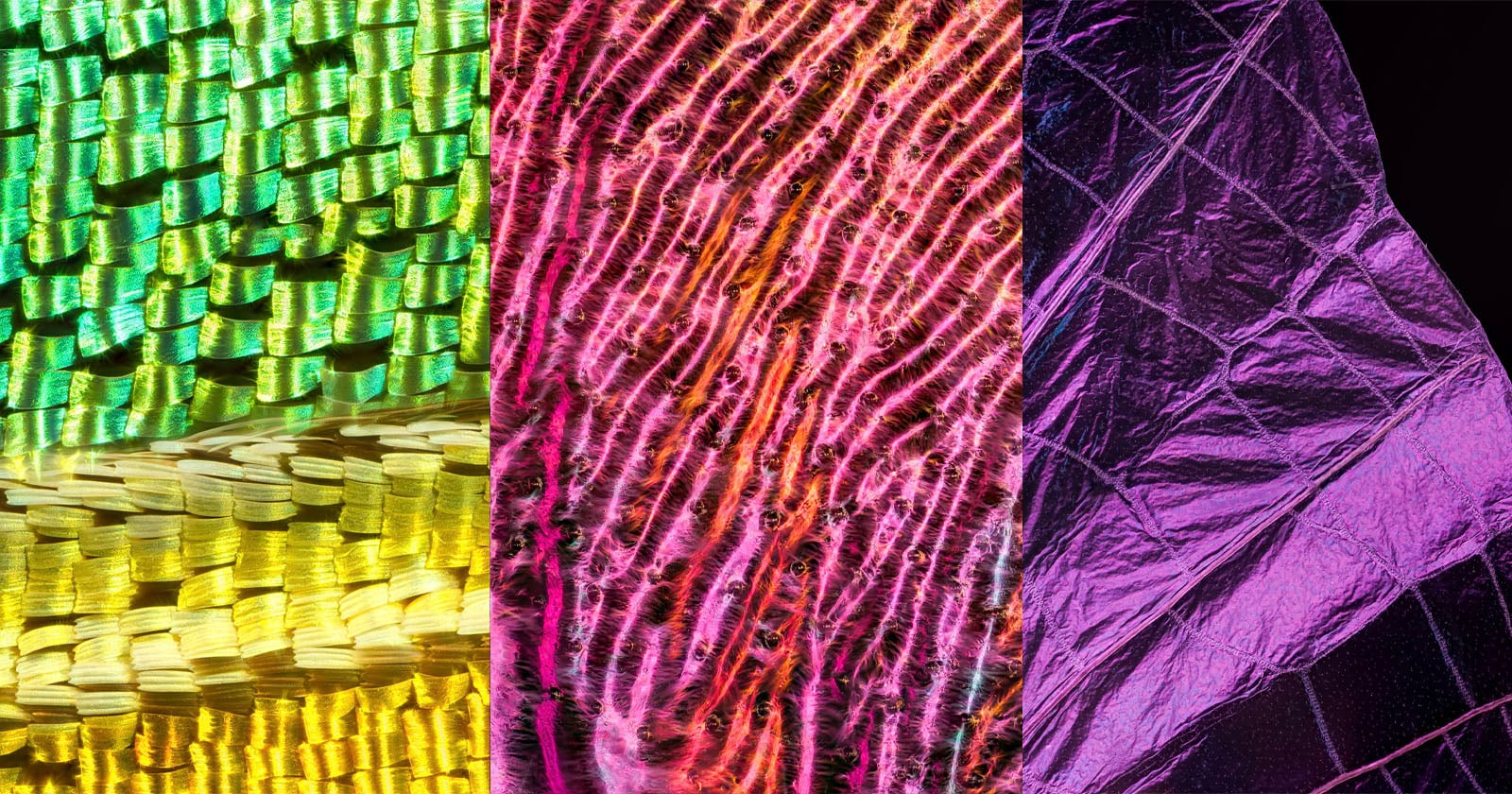
The subjects of Perani’s lens range from the familiar to the exotic, including butterflies, moths, bees, wasps, beetles, and damselflies. By focusing on subjects often no larger than a pencil eraser, Perani transforms biological structures into abstract vistas of light and color. His work serves as both a scientific documentation of structural coloration and a contemporary artistic exploration of the natural world’s smallest wonders.
Technical Mastery: The Hardware and Software of Extreme Macro
The production of such high-fidelity imagery requires a specialized equipment manifest that far exceeds the capabilities of standard consumer photography. At the heart of Perani’s home studio setup is the Sony Alpha 7R V, a full-frame mirrorless camera renowned for its 61-megapixel resolution. This high pixel count is essential for capturing the minute details required for large-format prints and deep-zoom inspections.
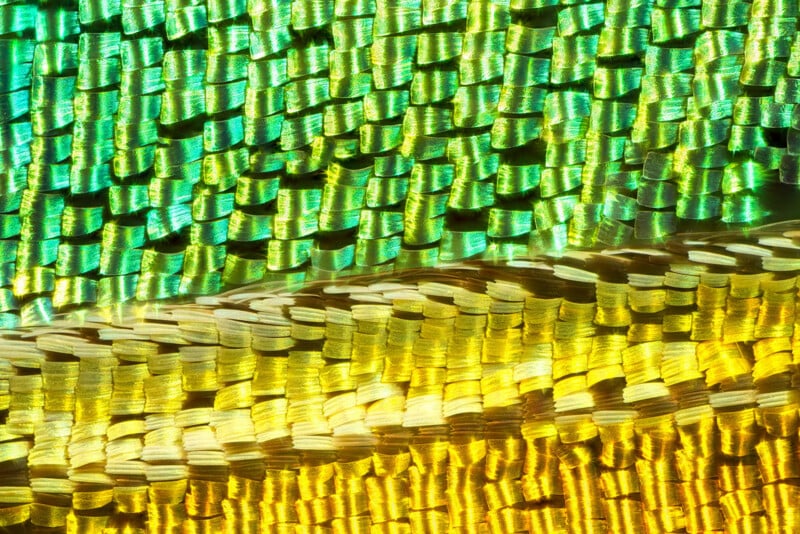
To achieve the necessary magnification, Perani bypasses traditional macro lenses in favor of Nikon 5x and 10x microscope objectives. These lenses are designed for scientific precision but present a significant challenge: an incredibly shallow depth of field. At such high magnifications, only a microscopic sliver of the subject is in focus at any given time.
To overcome this physical limitation, Perani employs a technique known as focus stacking. The camera is mounted on a Cognisys automatic rail system, a precision-engineered device that moves the camera forward in increments measured in microns. This allows the photographer to capture a "stack" of images, each focusing on a slightly different plane of the insect wing.
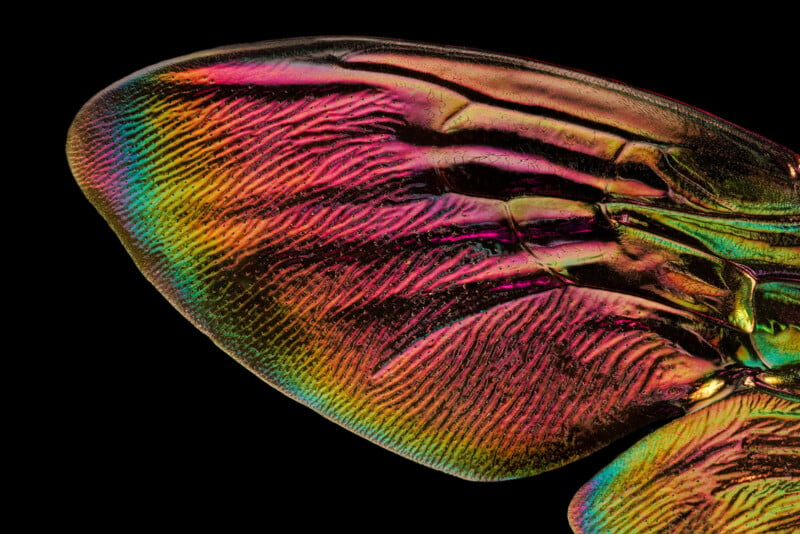
The shooting process is a test of patience and technical endurance. A single project can require six hours of automated shooting. Once the camera finishes a sequence for one section of the wing, Perani must manually slide the specimen to capture the next segment, a process he compares to shooting a panoramic landscape, albeit on a microscopic scale.
The data management for these shoots is immense. Perani typically captures 10 to 15 distinct sections of a wing, with each section consisting of hundreds or even thousands of frames. These files are then processed using Helicon Focus, a specialized software designed to blend the sharpest parts of each frame into a single, fully focused image. The final assembly takes place in Adobe Photoshop, where the sections are stitched together and meticulously cleaned of dust and imperfections.
The Science of Light: Thin-Film Interference and Structural Color
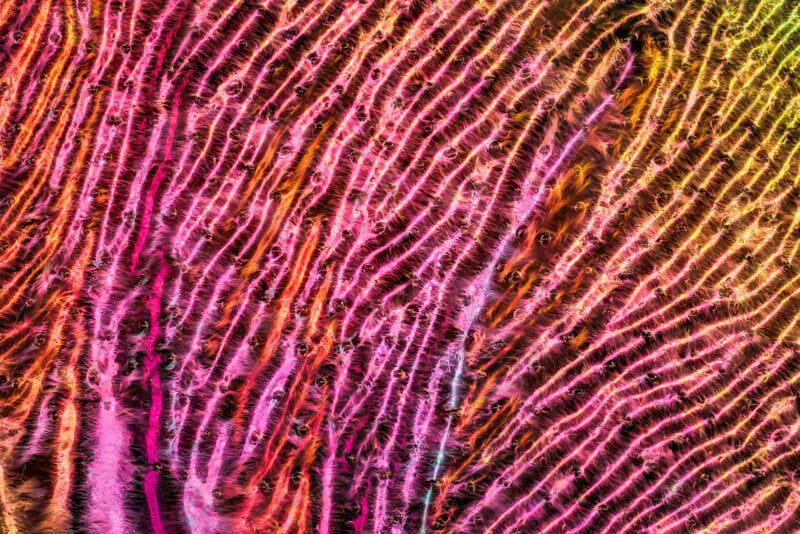
A primary focus of the Wings series is the exploration of iridescence, a phenomenon known in physics as thin-film interference. Unlike traditional pigments, which produce color by absorbing certain wavelengths of light, the colors found on many insect wings are "structural." They are created by the physical interaction of light with microscopic structures on the wing’s surface, such as chitin scales or ridges.
Perani notes that many of his subjects, particularly bees, appear dark or even colorless under standard ambient light. However, when illuminated at the "absolute perfect angle," these wings reveal a "delicate fabric of light and structure." This highlights the importance of his lighting rig, which utilizes small gooseneck lights and colored gels to manipulate how light hits the specimen.
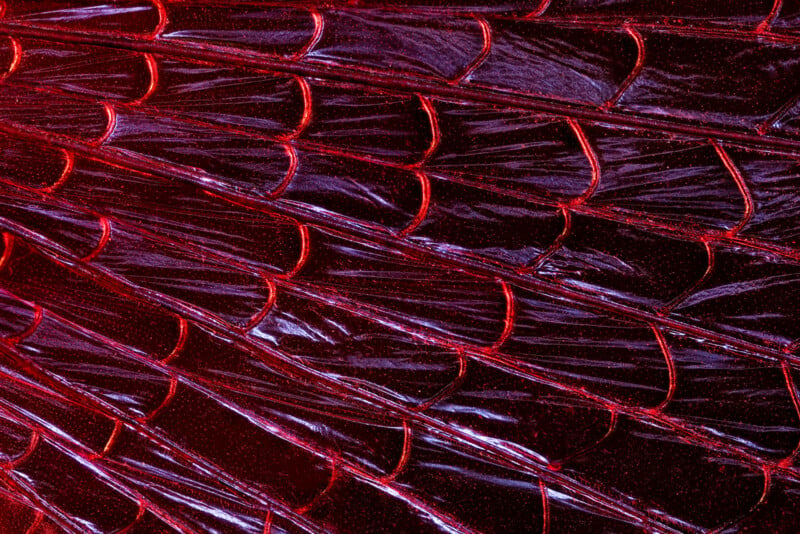
The challenge of capturing structural color is twofold. First, the photographer must find the angle that triggers the interference pattern. Second, the specimen must remain perfectly still for the duration of the multi-hour shoot. Perani explains that even a micro-shift in the subject or the light source can completely alter the colors captured, making the post-production "puzzle" nearly impossible to solve.
A Chronology of Artistic Evolution
Chris Perani’s journey into the world of extreme macro began several years ago with a focus on lepidoptera. In 2018, he gained international recognition for his macro photos of butterfly wings, some of which were created by combining over 2,100 separate shots. Following the success of that project, he shifted his focus in 2019 to the inorganic world, capturing the crystalline structures of minerals in a series that required upwards of 25,000 individual photos per image.
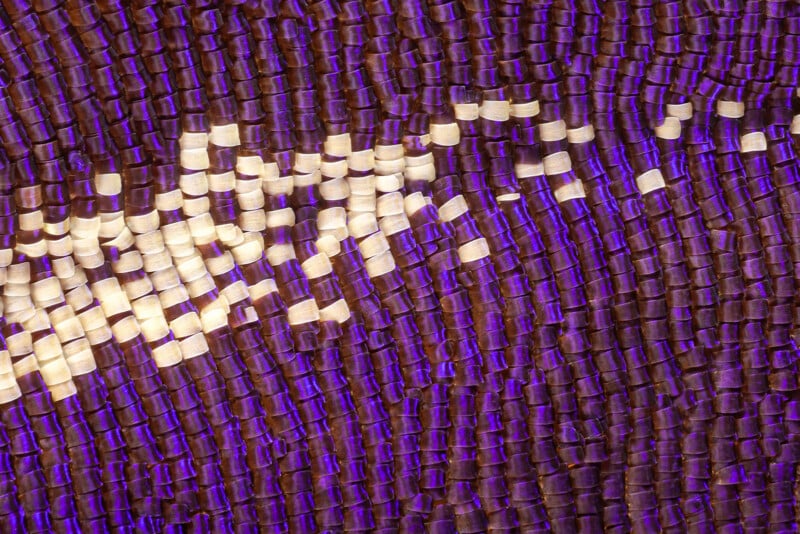
The Wings project represents a significant shift in Perani’s philosophy. While his earlier works were aimed at capturing the "existing beauty" of the subjects with clinical precision, his new work prioritizes "artistic interpretation." By experimenting with unconventional lighting angles and vibrant gels, Perani is no longer just documenting the insect; he is curate-ing a visual experience that emphasizes the "unique architecture" of the wing as a design element.
This evolution has seen his work move beyond the pages of photography journals and into the worlds of fashion and large-scale art installations. Designers and architects have drawn inspiration from the geometric patterns and iridescent palettes revealed in his composites, finding in them a blueprint for bio-inspired aesthetics.
Sourcing and Ethical Considerations in Macro Photography
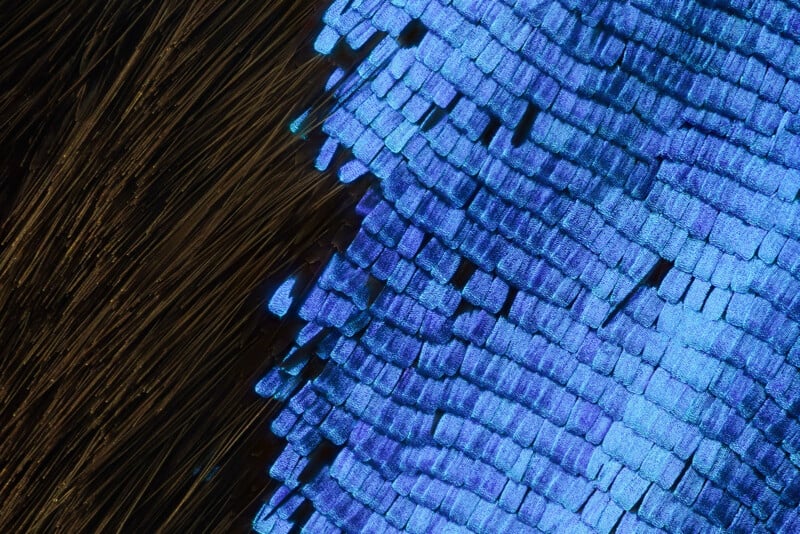
The specimens featured in Perani’s work are sourced primarily through specialized vendors such as BicBugs. These organizations cater to collectors, educators, and artists, providing ethically sourced insects from around the world. Sourcing through reputable vendors ensures that the insects used in the photography are not endangered species and are often the byproduct of sustainable farming initiatives in tropical regions, which provide economic incentives for local communities to preserve rainforest habitats.
By bringing these specimens into a studio environment, Perani is able to control every variable of the environment, from humidity to vibration, both of which are critical when working at 10x magnification. The resulting images provide a permanent, digital record of biodiversity, immortalizing the intricate details of species like the Madagascan sunset moth (Chrysiridia rhipheus) and the Carpenter bee (Xylocopa latipes).
Broader Impact and Scientific Implications
While Perani identifies primarily as a photographer, his work has significant implications for the scientific community and the public’s understanding of entomology. The level of detail provided by his "ultra-high-resolution" composites offers a perspective usually reserved for researchers using Scanning Electron Microscopes (SEM). However, unlike the grayscale images produced by SEMs, Perani’s work preserves the full spectrum of natural color.
Educational Value
These images serve as powerful educational tools. By presenting insects as beautiful, complex organisms rather than "pests," Perani’s work fosters a greater appreciation for the role of insects in our ecosystem. The visual impact of a damselfly wing or a beetle’s elytra can spark curiosity in biology and conservation among audiences who might otherwise overlook the micro-world.
Biomimicry and Engineering
Engineers and material scientists often look to structural coloration for breakthroughs in technology. The way insect wings reflect light without fading or the way they repel water (hydrophobicity) are areas of intense study. Perani’s clear, detailed imagery provides a visual reference for the "architecture" that facilitates these natural properties, potentially aiding in the development of new paints, textiles, and optical sensors.
Conclusion: Building the Microscopic Puzzle
The final result of Chris Perani’s labor is a collection that defies the traditional boundaries of photography. By spending hours on a subject the size of an eraser and days at the computer "building a puzzle," Perani has bridged the gap between the visible and the invisible.
The Wings series reminds us that there is a vast, complex world operating just beyond our perception. In an era where digital photography is often defined by speed and instant gratification, Perani’s process is a testament to the value of "slow photography." His work requires a rare combination of technological proficiency, biological knowledge, and artistic patience. As his images continue to circulate through galleries and digital platforms, they provide a shimmering, iridescent window into the hidden structures that support the life of the planet’s most diverse group of animals.

