


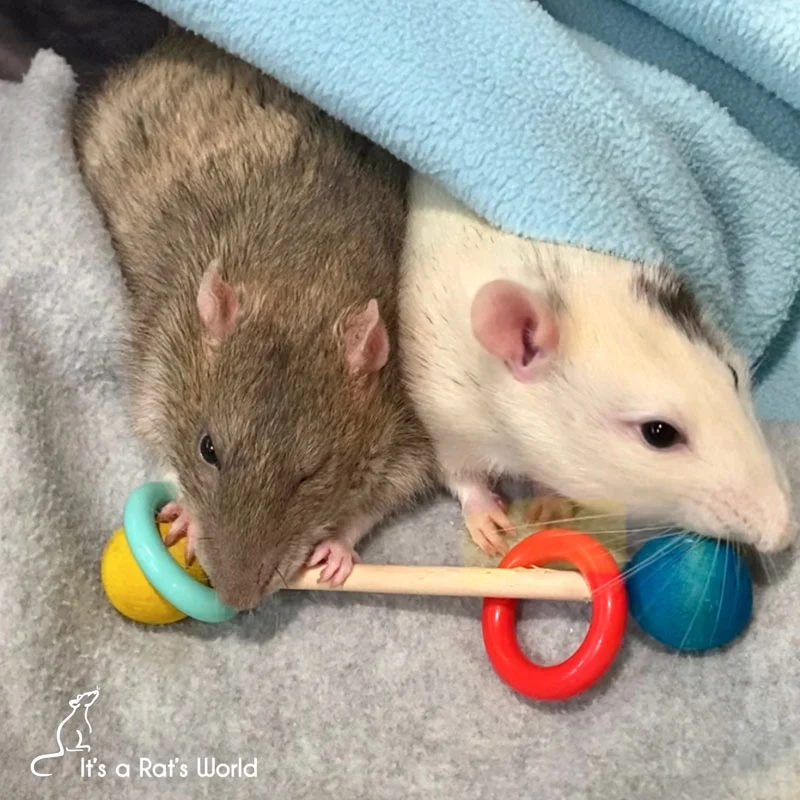
The perception of exercise has evolved significantly from its 1980s emphasis on aesthetics to a modern understanding of its vital role in overall health. This paradigm shift is not exclusive to humans; domesticated rats, our small companions, also reap substantial benefits from regular physical activity, impacting both their physical vitality and mental acuity. While the image of a rat in a leotard might be humorous, the necessity of exercise for their well-being is a serious consideration for any responsible pet owner.
The Multifaceted Benefits of Rat Exercise
Regular physical activity is fundamental to the proper functioning of a rat’s body, bolstering its ability to combat disease and maintain a healthy weight. Obesity, a growing concern in pet populations, places undue stress on a rat’s skeletal and muscular systems. This excess weight can precipitate a cascade of health issues, including joint degeneration, cardiac problems, the onset of diabetes, and the development of lipomas, which are benign fatty tumors.
Weight Management and Disease Prevention:
A study published in the Journal of Small Animal Practice highlighted that overweight rodents, including rats, exhibit a higher incidence of metabolic disorders and reduced lifespan. Maintaining a healthy weight through exercise is therefore a proactive measure against these prevalent health concerns. For owners noticing a tendency towards plumpness in their rats, a critical evaluation of dietary intake and daily activity levels is paramount. Resources such as the article "Is My Rat Fat?" offer guidance on assessing a rat’s body condition and understanding the dietary factors contributing to weight gain.

Mental Stimulation and Behavioral Health:
Beyond the physical advantages, exercise is indispensable for a rat’s mental health, serving as a powerful stress reducer. A sedentary lifestyle can lead to boredom, depression, and the manifestation of undesirable behaviors. This is particularly pertinent given that domesticated rats spend a significant portion of their lives within the confines of a cage. The inherent curiosity and intelligence of rats require outlets for exploration and engagement to prevent psychological distress.
It is crucial to note that this discussion pertains to healthy rats without pre-existing mobility restrictions due to age, illness, or injury. For rats facing such challenges, consultation with a veterinarian is essential to develop tailored exercise strategies that accommodate their specific needs.
Facilitating Movement: Beyond the Gym
Unlike their wild counterparts who exhibit naturally high activity levels driven by survival instincts, domesticated rats often rely on their owners to stimulate movement. The concept of exercise for rats does not necessitate a miniature gym or strenuous routines. Rats do not perspire, nor do they require weightlifting or aerobics. Their fundamental need is for daily opportunities and motivation to engage their bodies and move beyond their resting places.
Enriching the Cage Environment:
To combat the natural inclination towards sedentary behavior, especially as rats age, their living environment must be more than just a comfortable abode. While multi-level cages offer some verticality, they are insufficient on their own. Owners must strategically introduce elements that actively encourage movement and exploration within the cage.
-
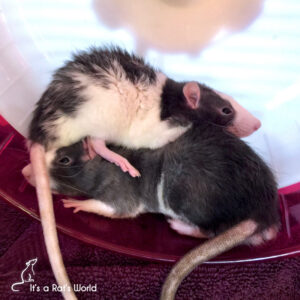
Exercise Wheels: The introduction of an exercise wheel can be a game-changer, though success varies among individual rats. Some readily embrace the opportunity to run, while others may repurpose the wheel as a napping spot. When selecting a wheel, safety and size are paramount. Wheels should be appropriately sized for adult rats (often extra-large), constructed from solid materials without gaps or bars that could trap limbs or tails, and securely fastened to prevent any space between the wheel and cage bars where a rat could become entrapped. Introducing wheels to young rats is advisable, as older, more sedentary individuals, particularly males, may be less inclined to use them for their intended purpose. Reputable brands like the Wodent Wheel and Silent Spinner are often recommended, with ongoing research into newer, safer options.
-
Interactive Decor and Enrichment: Beyond wheels, a variety of interactive items can significantly enhance a rat’s engagement within its cage. This often involves a creative combination of commercially available pet products and repurposed household objects. Items that function as climbing structures, bridges, tunnels, and dig boxes can transform a cage into a stimulating environment. For instance, a wooden bird perch can be ingeniously repurposed as a toilet paper holder, encouraging rats to interact with and dismantle the paper. Modifying ramps or introducing more challenging pathways can also promote increased physical exertion.
Out-of-Cage Activities: Expanding Horizons
Providing opportunities for rats to explore beyond their immediate enclosure is a highly effective method for encouraging activity. Their innate drive to explore new spaces and interact with novel stimuli serves as a powerful motivator.
-
Free-Ranging Safely: Allowing rats to roam freely outside their cage, even for those exhibiting more relaxed tendencies, can be immensely beneficial. This does not necessarily mean granting unrestricted access to the entire home. Instead, designating specific times and rat-proofing a particular room offers a controlled yet expansive environment. During these periods, providing engaging items that promote continuous activity is key. Historically, bathrooms have proven to be effective free-ranging spaces, outfitted with igloos, tubes, cardboard boxes, and other structures for climbing and exploration. Owners can also actively participate, becoming a "human jungle gym" for their rats.

A particularly amusing and engaging activity observed is what has been termed "TPing the bathroom." This involves rats ingeniously utilizing toilet paper holders, often climbing the pole to access the dangling paper and then sliding down with their bounty. This behavior, while seemingly mischievous, results in significant physical exertion as the rats scatter and retrieve the paper. It also fosters problem-solving skills and collaborative efforts within the group. The encouragement of such activities, even if it means providing extra toilet paper, underscores the value of allowing rats to express their natural behaviors in a safe context. Comprehensive guides on safe free-ranging practices are available for owners seeking to implement this effectively.
-
Dedicated Play Areas and Pens: Establishing a designated play area outside the cage serves as a rat’s equivalent of a playground. These safe, confined spaces allow rats to expend energy freely. Play areas can be commercially acquired or custom-built. While some store-bought options exist, rats’ ingenuity in escaping can render them less secure.
To maximize the exercise potential of a play area, strategic enrichment is crucial. Puzzle toys and dig boxes are excellent additions, promoting both physical movement and mental stimulation. Items that encourage climbing and ingress/egress, such as igloos, tunnels, and floor-standing wheels, further enhance activity. Creativity is encouraged, utilizing everyday objects like small trash cans filled with paper, tissue, and cardboard, which rats will enthusiastically empty and stash.
Maintaining rats’ interest in these enrichment items requires a dynamic approach. Offering a variety of items and rotating them on a weekly or bi-weekly basis prevents novelty from wearing off. Custom-built play structures can be designed to function as multi-level "rat gyms," incorporating elements like balance beams (thin plastic piping) and tunnels (larger diameter pipes) to connect different sections.

-
Engaging Toys and Agility Courses: Direct interaction with rats using safe pet toys, such as chaseable rolling balls or wand-style toys with feathers, can encourage active play. For owners seeking a more advanced engagement, establishing an agility course can provide both significant exercise and mental challenges. Online resources and dedicated social media channels showcase impressive rat agility courses, demonstrating how rats can simultaneously develop physical fitness and learn new tricks.
Harnessing Instincts: The Power of Food Motivation
As rats mature, their activity levels naturally decline, with male rats, in particular, sometimes exhibiting a pronounced tendency towards lethargy, especially after neutering. To maintain their activity levels, a strategic use of food can be employed to "trick" them into exercising.
-
Making Them Work for Their Meals: Modifying how rats access their food can transform feeding time into an exercise opportunity. Instead of a simple floor-level food bowl, consider elevated food crocks or treat foragers. Requiring rats to stand and stretch to reach their food, or engaging with foraging wheels that dispense food gradually, demands more physical effort. This mimics natural foraging behaviors and provides a sustained period of activity.
-
"Pea Fishing" and Foraging Activities: Simple yet highly effective activities like "pea fishing" can provide substantial exercise and mental engagement. This involves placing frozen peas in a shallow container of water. Rats exhibit a remarkable enthusiasm for "fishing" out the peas, often engaging in competitive behavior if multiple rats are present, further increasing their activity. This activity burns calories and provides a fun, interactive experience.

Understanding Individual Differences
It is a common misconception that a fat rat is necessarily inactive. Personal observations reveal that even rats with ample opportunities for free-ranging can be genetically predisposed to carrying extra weight, even with careful dietary management. Genetics play a significant role in a rat’s metabolism and body composition.
For owners concerned about significant weight issues in their rats, a consultation with a veterinarian is highly recommended. A professional can help discern whether the weight gain is attributable to underlying health conditions, dietary imbalances, or if a more structured exercise regimen is warranted.
In the context of our busy lives, consistently meeting a rat’s daily exercise needs can be challenging. However, by incorporating a variety of stimulating activities within their environment and offering opportunities for exploration, owners can significantly enhance their rats’ physical health, mental well-being, and overall quality of life. The commitment to providing an active and enriched lifestyle is a testament to the bond between owners and their cherished rat companions.

