


A question frequently posed by conscientious bird owners – whether pet birds truly benefit from antioxidant support during periods of heightened physiological or environmental stress – elicits a nuanced response: sometimes, under specific conditions, and always as an integral component of a comprehensive nutritional strategy. This topic, recently explored in depth by avian health expert Diane Burroughs in an article published on December 18, 2025, and last updated on December 27, 2025, underscores the delicate balance between proactive wellness and unnecessary intervention in avian care. While daily antioxidant supplementation may not be universally required for most birds, targeted nutritional assistance can be pivotal in maintaining normal cellular function and bolstering overall resilience when a bird’s system is working harder than usual.
The growing interest in antioxidants for pet birds stems from owners observing subtle shifts in their companions’ well-being – instances where a bird isn’t overtly ill but appears somewhat more taxed by life’s demands. This intuitive drive to support long-term wellness without resorting to excessive measures is a commendable aspect of modern pet ownership. The discussion extends beyond mere supplementation, delving into the fundamental processes of oxidative stress, its normal occurrence in biological systems, and the specific circumstances under which additional support becomes a thoughtful consideration rather than a speculative gamble.
Understanding Oxidative Stress: A Biological Imperative for Birds
Oxidative stress is not an anomaly but an inherent part of being alive, a natural byproduct of fundamental biological processes. For birds, creatures characterized by their remarkably high metabolic rates, active lifestyles, and rapid physiological cycles, this phenomenon is particularly pronounced. Every action, from respiration and digestion to movement and the rapid growth of feathers, generates metabolic byproducts that the body must efficiently manage. At its core, oxidative stress occurs when there is an imbalance between the production of reactive oxygen species (ROS), also known as free radicals, and the body’s ability to detoxify these harmful byproducts or repair the resulting damage.
Free radicals are unstable molecules with unpaired electrons, making them highly reactive and capable of causing damage to cellular components like DNA, proteins, and lipids. While a certain level of free radical production is normal and even necessary for some cellular signaling pathways, an unchecked accumulation can lead to cellular dysfunction and contribute to various health issues over time. Birds, with their fast-paced energy expenditure necessary for flight and maintaining their vibrant personalities, are constantly engaged in metabolic activities that produce these molecules. Antioxidants, in essence, are nutrients that help the body maintain this delicate balance, acting as molecular peacekeepers that neutralize free radicals without halting the essential oxidative processes. They ensure the body manages these processes efficiently, supporting a bird’s physical condition and its innate ability to cope with daily stressors.
The evolutionary history of birds further highlights the importance of robust antioxidant systems. Wild birds, especially migratory species, endure immense physical exertion and environmental challenges that demand powerful internal defenses against oxidative damage. Research, such as studies cited in scientific journals, indicates that flying can stimulate the antioxidant system in migratory songbirds, offering protection against oxidative damage. This inherent biological capacity suggests that while birds are naturally equipped, the unique demands of captivity might necessitate a different approach to support these systems.
The Disparity: Wild vs. Captive Environments and Oxidative Load
The environments of well-cared-for parrots in human homes, while intended to be safe and nurturing, differ significantly from their wild counterparts. These differences introduce a unique set of stressors that can collectively contribute to a bird’s metabolic workload and, consequently, its oxidative load over time.
In the wild, birds engage in extensive foraging, flight, and social interactions within vast, complex ecosystems. Their diets are incredibly diverse, rich in a wide array of fresh plant materials, seeds, fruits, and insects, all contributing a natural bounty of antioxidants and other vital phytonutrients. Captive environments, by contrast, often present:
- Limited Foraging Variety: Even with the best intentions, a pet bird’s diet, while balanced with commercial pellets, may lack the sheer diversity of plant compounds found in a wild diet. This can result in a narrower spectrum of antioxidant intake.
- Processed Foods: While modern avian pellets are scientifically formulated to provide essential nutrients, their processing can sometimes diminish certain heat-sensitive antioxidants or alter their bioavailability compared to fresh, raw foods.
- Indoor Air Quality: Enclosed spaces can expose birds to household pollutants, volatile organic compounds (VOCs) from cleaning products, candles, or air fresheners, and dust, all of which can increase respiratory and systemic oxidative stress.
- Artificial Lighting: The lack of full-spectrum natural light, particularly UV-B, can impact vitamin D synthesis and disrupt natural circadian rhythms, potentially influencing metabolic processes and stress responses.
- Routine Changes and Social Stress: Companion birds, highly intelligent and social creatures, are sensitive to changes in their household routine, noise levels, travel, the introduction of new pets or people, or even perceived social disruption. These emotional and environmental stressors trigger physiological responses that demand increased metabolic activity and, consequently, higher antioxidant needs.
None of these factors inherently signify "bad care"; rather, they represent the normal demands placed on a bird’s body within a domestic setting. Good nutrition, therefore, plays an even more crucial role in how well these birds cope, recover, and ultimately thrive in the long term.
When Targeted Antioxidant Support Becomes Crucial
The core principle guiding antioxidant supplementation is targeting support during periods of increased physiological demand or environmental challenge. These are the times when the body’s inherent systems may be stretched, and thoughtful nutritional intervention can provide a valuable buffer.
- Molting: A Demanding Renewal: Feather production is an incredibly nutrient-intensive process, demanding significant energy, protein, and micronutrients. Even birds on excellent daily diets can experience a degree of physiological stress during a heavy molt. The rapid growth of new feathers requires a high rate of cell division and protein synthesis, which inherently increases metabolic byproducts and thus the need for antioxidant protection to ensure healthy feather development and minimize cellular damage.
- The Golden Years: Supporting Aging Avian Companions: As birds age, their cellular repair mechanisms can become less efficient, and their immune systems may weaken, making them more susceptible to chronic low-grade inflammation and oxidative damage. Older birds and rescue birds, who often come with a history of nutritional deficiencies or prolonged stress, frequently take longer to recover from changes and stressors. Antioxidant support can help maintain cellular integrity, support immune function, and potentially mitigate some age-related decline, contributing to their comfort and resilience.
- Hormonal and Seasonal Fluxes: Changes in light cycles, sleep patterns, and reproductive behaviors can significantly increase physical and emotional demands on a bird. Hormonal surges associated with breeding seasons, for instance, are energetically taxing and can lead to behavioral shifts that are themselves stressful. Providing targeted antioxidant support during these periods can help buffer the physiological strain and support overall systemic balance.
- Dietary Gaps and the Quest for Variety: While commercial pellets form a foundational part of many pet bird diets, the full spectrum of beneficial phytonutrients, including a vast array of antioxidants, is often found in fresh, varied plant-based foods. Many birds, despite their owners’ best efforts, do not consistently consume enough variety of these fresh foods. In such cases, supplemental antioxidants, derived from whole food sources or thoughtfully formulated supplements, can help bridge these nutritional gaps, ensuring a broader intake of protective compounds.
- Environmental and Emotional Stressors: Beyond the daily grind, acute stressors like routine changes, excessive noise, travel to a new location, social disruption (e.g., changes in household members or interaction patterns), or even routine veterinary visits can elevate a bird’s nutrient needs. The physiological stress response involves hormonal changes that can increase metabolic rate and free radical production. During these times, targeted antioxidant support can help the body cope more effectively and recover more quickly.
It is crucial to differentiate what antioxidant support is and isn’t. It serves as a simple, effective way to offer the body additional support during normal, yet demanding, periods of stress. This isn’t about radically altering a bird’s entire care regimen but rather enhancing it by integrating helpful nutrients into foods or water already being provided. Importantly, antioxidant support is not a panacea; it is not meant to "fix" behavioral issues or serve as a substitute for fundamental care components such as balanced nutrition, consistent routines, environmental enrichment, appropriate mental stimulation, and regular veterinary check-ups. Instead, it functions synergistically with these foundational elements.
The Science Behind Antioxidants: What They Are and How They Work
Antioxidants are a diverse group of compounds, encompassing vitamins, minerals, and a vast array of phytonutrients found in plants. Their primary role is to protect cells from damage caused by free radicals. Key antioxidants relevant to avian health include:
- Vitamin E (alpha-tocopherol): A fat-soluble vitamin, Vitamin E is a potent chain-breaking antioxidant that protects cell membranes from oxidative damage, particularly important in tissues with high lipid content.
- Vitamin C (ascorbic acid): A water-soluble vitamin, Vitamin C is a powerful antioxidant that can neutralize free radicals directly and also helps regenerate other antioxidants like Vitamin E. While some bird species can synthesize their own Vitamin C, others may benefit from dietary sources, especially during stress.
- Carotenoids (e.g., beta-carotene, lutein, zeaxanthin): These vibrant pigments found in many fruits and vegetables are not only powerful antioxidants but also precursors to Vitamin A, essential for vision, immune function, and healthy skin and feathers.
- Flavonoids: A large group of plant compounds found in berries, citrus, leafy greens, and herbs, flavonoids exhibit strong antioxidant and anti-inflammatory properties, contributing to cellular protection.
- Selenium: An essential trace mineral, selenium is a crucial component of antioxidant enzymes, such as glutathione peroxidase, which plays a central role in the body’s defense against oxidative stress.
These compounds work through various mechanisms, primarily by donating an electron to a free radical, thereby stabilizing it and preventing it from causing further damage. Many antioxidants also work in concert, regenerating each other and forming a complex network of defense. The effectiveness of antioxidants is often enhanced when consumed as part of whole foods, where they interact with other beneficial compounds in a synergistic manner, a concept often referred to as the "entourage effect." This highlights why a diverse diet rich in fresh produce is generally more beneficial than relying solely on isolated supplements.
Expert Perspectives and Best Practices
Avian veterinarians and nutritionists consistently advocate for a holistic approach to pet bird care, emphasizing that optimal health is a mosaic of diet, environment, mental stimulation, and preventative medicine. Regarding antioxidants, the consensus leans towards informed, targeted use rather than indiscriminate supplementation. As inferred from professional discussions, experts would likely caution against viewing any single supplement as a miracle cure. Instead, they emphasize:
- Foundation First: Prioritizing a well-balanced diet of high-quality pellets, a wide variety of fresh, bird-safe fruits, vegetables, and greens, and clean water. This foundational diet is the primary source of essential nutrients and naturally occurring antioxidants.
- Context is Key: Supplements, including antioxidants, should be considered within the specific context of an individual bird’s needs, age, health status, and lifestyle. A young, healthy bird on an excellent diet may require very little, if any, additional support, whereas an older bird, one undergoing a heavy molt, or one experiencing chronic stress might benefit considerably.
- Veterinary Consultation: Any significant changes to a bird’s diet or the introduction of supplements should ideally be discussed with an avian or exotic veterinarian. They can provide guidance based on a thorough understanding of the bird’s health history and current condition, helping to avoid potential nutrient imbalances or interactions with existing medications.
- Quality over Quantity: When supplementation is deemed necessary, choosing high-quality, reputable products with clearly listed ingredients and appropriate dosages for avian species is paramount. Supplements with excessively long ingredient lists resembling a "chemistry set" rather than natural food sources should be approached with caution.
The role of the bird owner is pivotal in this informed decision-making process. Owners are encouraged to be keen observers of their bird’s appetite, droppings, energy levels, feather quality, and overall behavior. These subtle cues often signal when additional support might be beneficial or when a professional intervention is warranted.
Common Pitfalls in Avian Supplementation
Despite the best intentions, bird owners can inadvertently make mistakes when attempting to enhance their pet’s diet, particularly concerning supplementation. These pitfalls often stem from a deep desire to provide the best care, but without adequate context or a systematic approach.
- Changing Everything at the Same Time: A common error is introducing multiple dietary changes, new supplements, altered lighting schedules, and revised routines simultaneously. While the goal might be comprehensive improvement, this approach makes it impossible to ascertain which specific intervention, if any, yielded a positive (or negative) effect. If a bird’s condition improves, the owner cannot identify the causal factor, making future adjustments difficult. If the bird declines, identifying the culprit becomes a complex diagnostic challenge.
- Following Advice Without Context: Online communities, while valuable for shared experiences and peer support, can also be sources of generalized advice that may not apply to every individual bird. A supplement or dietary approach that significantly benefits one bird due to its unique health profile or specific stressors might be completely unnecessary or even detrimental to another. The individual bird’s species, age, current health, existing diet, and environmental factors all contribute to its specific nutritional needs. What works for a molting cockatiel might be irrelevant for an aging Amazon parrot.
- Over-supplementation and Nutrient Imbalances: More is not always better when it comes to vitamins and minerals. Fat-soluble vitamins (A, D, E, K) can accumulate in the body and lead to toxicity if given in excessive amounts. Even water-soluble vitamins, while generally safer, can disrupt the balance of other nutrients or place undue strain on excretory organs. A balanced diet aims for optimal levels, not maximal intake, of every nutrient. Indiscriminate supplementation without a clear understanding of the bird’s existing diet can lead to imbalances that are counterproductive to health.
- Misinterpreting Behavioral Cues: Attributing complex behavioral issues solely to nutritional deficiencies and attempting to "fix" them with supplements without addressing underlying causes (e.g., lack of enrichment, inadequate sleep, social deprivation, fear) is another common mistake. While nutrition affects mood and nervous system function, it is rarely the sole cause of complex behavioral problems. A holistic approach requires identifying and addressing all contributing factors.
Cultivating an Antioxidant-Rich Avian Diet
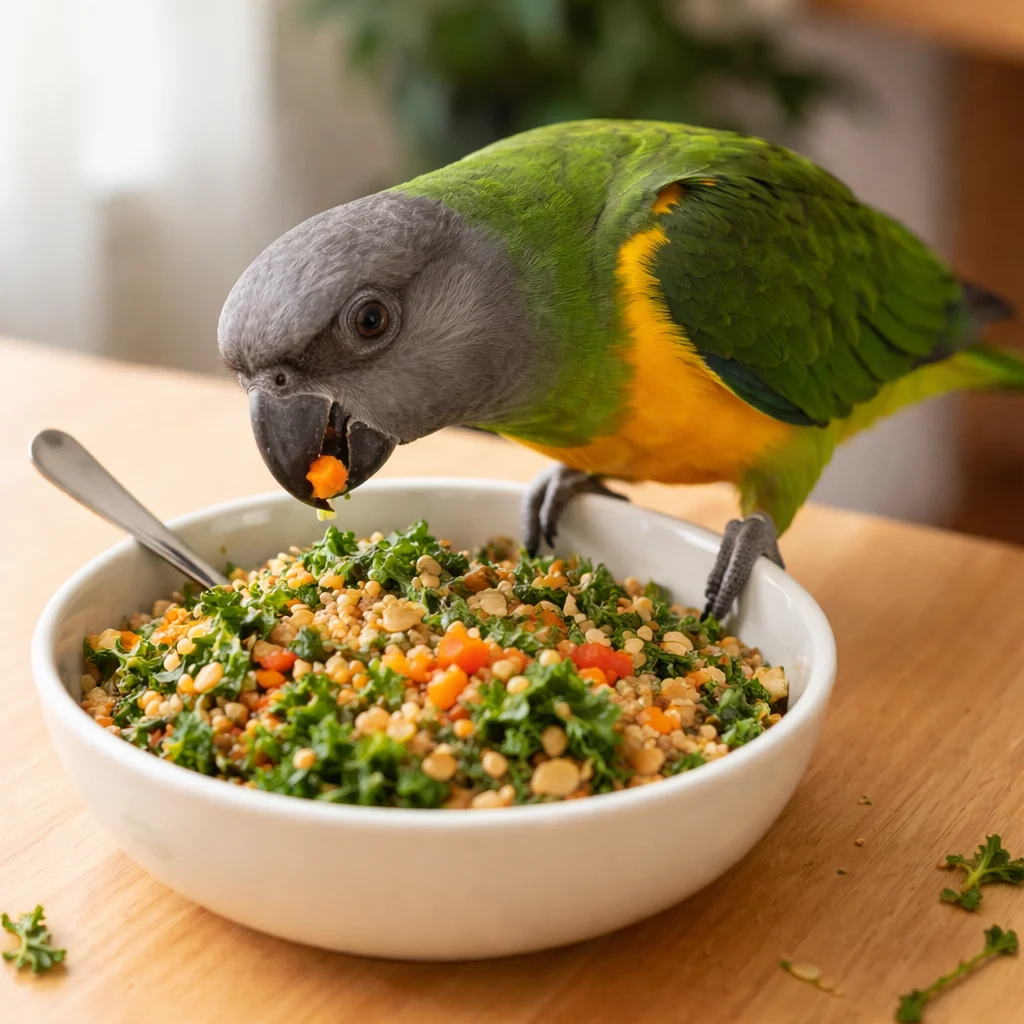
The most effective and safest way to ensure a bird receives adequate antioxidant support is through a diverse diet rich in whole, unprocessed plant-based foods. Incorporating a variety of these items daily can act as a protective "armor" against everyday stress.
- Berries: Blueberries, raspberries, strawberries, and cranberries are powerhouses of antioxidants, particularly anthocyanins and Vitamin C. They can be offered fresh or lightly thawed from frozen.
- Dark Leafy Greens: Kale, spinach, collard greens, dandelion greens, and parsley are packed with vitamins A, C, E, and various flavonoids. They should be thoroughly washed and offered in small, manageable pieces.
- Colorful Vegetables: Bell peppers (especially red, yellow, orange), sweet potatoes, carrots, pumpkin, and broccoli provide carotenoids, Vitamin C, and other beneficial compounds. Cooked sweet potato and pumpkin are often well-received.
- Specific Seeds and Nuts (in moderation): Flax seeds and chia seeds contain omega-3 fatty acids and lignans, which have antioxidant properties. Brazil nuts are an excellent source of selenium, but should be given sparingly due to their fat content.
- Herbs and Spices: Certain herbs like rosemary, oregano, thyme, and turmeric are known for their potent antioxidant and anti-inflammatory properties. Small amounts can be sprinkled on fresh chop or pellets.
The concept of "bird chop" – a finely diced mixture of various fruits, vegetables, and greens – is an excellent way to introduce variety and ensure a broad spectrum of nutrients and antioxidants. Rotating different plant-based nutritional supports over time, similar to an "insurance policy," can help cover potential nutritional gaps before they manifest as health issues, making long-term care more manageable and effective.
Implementing Support Safely and Responsibly
When considering any form of dietary enhancement for a pet bird, simplicity and consistency generally yield the best results.
- Start Small and Observe: Introduce one new food item or supplement at a time, and in small quantities. Meticulously observe your bird for any changes in appetite, the consistency or color of droppings, energy levels, feather appearance, and overall behavior. This allows for clear identification of what is working and what might be causing an adverse reaction.
- Monitor Health Indicators: Regular monitoring of weight, activity levels, and general demeanor is crucial. A healthy bird should maintain a consistent weight, remain active and engaged, and exhibit normal preening and social behaviors.
- When to Involve a Professional: It is paramount to recognize the signs that warrant immediate veterinary attention. Sudden weight loss, lethargy, a significant change in appetite or droppings, difficulty breathing, feather plucking that is not typical for molting, or major behavioral shifts (e.g., aggression, severe fear, self-mutilation) are all red flags. These symptoms are indicators of potential underlying health issues that require diagnosis and treatment by an avian or exotic veterinarian, not merely the addition of supplements. Supplements are supportive tools, not diagnostic or curative agents for illness.
Broader Implications for Avian Health and Welfare
The discourse surrounding antioxidants for pet birds extends beyond mere nutritional advice; it has broader implications for avian health, welfare, and the evolving understanding of responsible pet ownership.
- Proactive vs. Reactive Care: The proactive consideration of targeted antioxidant support represents a shift from reactive care (treating illness after it occurs) to preventative wellness. This approach aims to build resilience, strengthen natural defenses, and potentially extend the healthy lifespan of companion birds.
- Enhancing Resilience and Longevity: By buffering the effects of oxidative stress, particularly during demanding life stages or environmental challenges, antioxidants contribute to maintaining cellular integrity and physiological function. This can translate into improved overall resilience against disease and stressors, potentially leading to a longer, healthier, and more vibrant life for pet birds.
- Empowering Bird Owners with Knowledge: Providing detailed, context-rich information about antioxidants and oxidative stress empowers bird owners to make more informed decisions. It moves them beyond anecdotal advice and equips them with a deeper understanding of avian biology and nutrition, fostering a more sophisticated and compassionate approach to pet care. This knowledge helps owners discern genuine needs from marketing hype, ensuring that their efforts are truly beneficial for their feathered companions.
In conclusion, supporting a bird’s health does not necessitate an overly complicated regimen. Small, consistent, and informed choices often yield more significant and sustainable results than the pursuit of elusive perfection. A solid, everyday diet forms the bedrock of avian health, providing the majority of essential nutrients. Thoughtful, targeted, and rotating plant-based support, including judiciously chosen antioxidant-rich foods or supplements, can serve as a valuable enhancement during periods when a bird’s physiological needs are elevated. This balanced perspective – one that prioritizes fundamental care while intelligently incorporating supportive measures – is the hallmark of truly exceptional avian husbandry.

