


Georgia, a state celebrated for its abundant natural beauty, from the mist-shrouded Blue Ridge Mountains to the sprawling Okefenokee Swamp, is a haven for a diverse array of wildlife. While the state’s geography, stretching from the Appalachian Plateau to its roughly 100 miles of coastline, supports a rich ecosystem, many residents and visitors harbor a curiosity about the avian predators that grace its skies. This article delves into the fascinating world of hawks in Georgia, aiming to clarify the often-confusing taxonomy and identify the species that call the Peach State home. With 438 bird species recorded in Georgia, ranking it 32nd nationally on eBird, the state offers ample opportunities for birdwatching enthusiasts to encounter a variety of raptors.

Understanding the Taxonomy of Hawks
The classification of birds of prey can be intricate, with overlapping family and subfamily designations that can lead to common misunderstandings. To accurately identify the hawks of Georgia, it’s essential to understand their scientific categorization.
The order Accipitriformes encompasses most of the world’s birds of prey. Within this order lies the family Accipitridae, which is commonly known as the family of hawks, eagles, and kites. Further refining this classification, the subfamily Accipitrinae is designated for "true hawks." This subfamily is further divided into several genera, including Accipiter, Microspizias, Erythrotriorchis, Megatriorchis, and Circus.
While the strict definition of "true hawks" resides within the Accipitrinae subfamily, many species commonly referred to as hawks, particularly those belonging to the genus Buteo, are not technically classified as "true hawks." However, due to their common nomenclature and ecological roles, this exploration will include prominent Buteo species found in Georgia. Currently, eBird lists four members of the Accipitrinae subfamily as having been sighted in Georgia.
Georgia’s Diverse Hawk Population
Georgia’s varied habitats, from dense forests to open fields and wetlands, support a notable population of hawks. While the exact number of individual hawks is difficult to quantify, the state is home to several distinct species, each with unique characteristics, behaviors, and ecological niches. We will explore the key species that frequent the Peach State, providing identification details, size comparisons, distribution maps, and interesting facts.
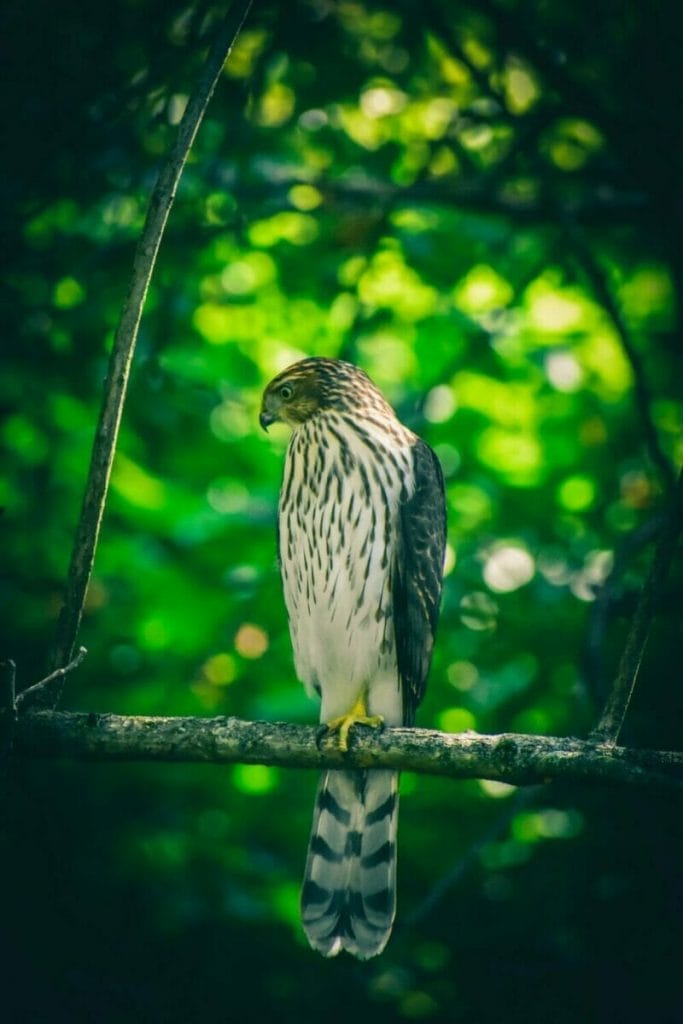
Red-shouldered Hawk (Buteo lineatus)
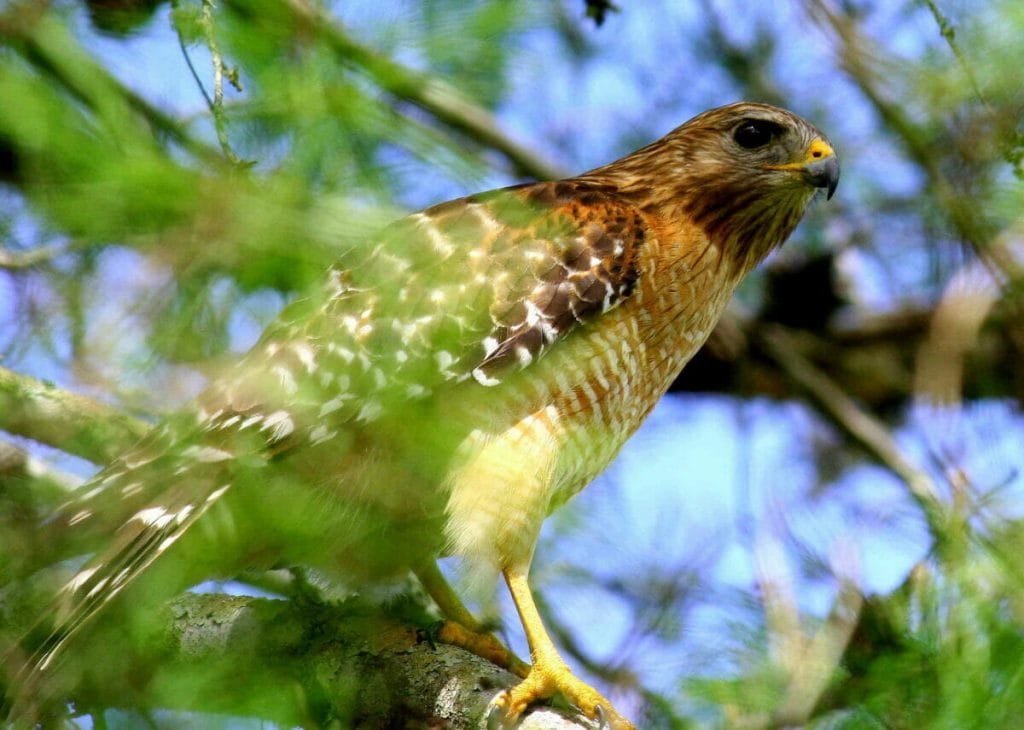
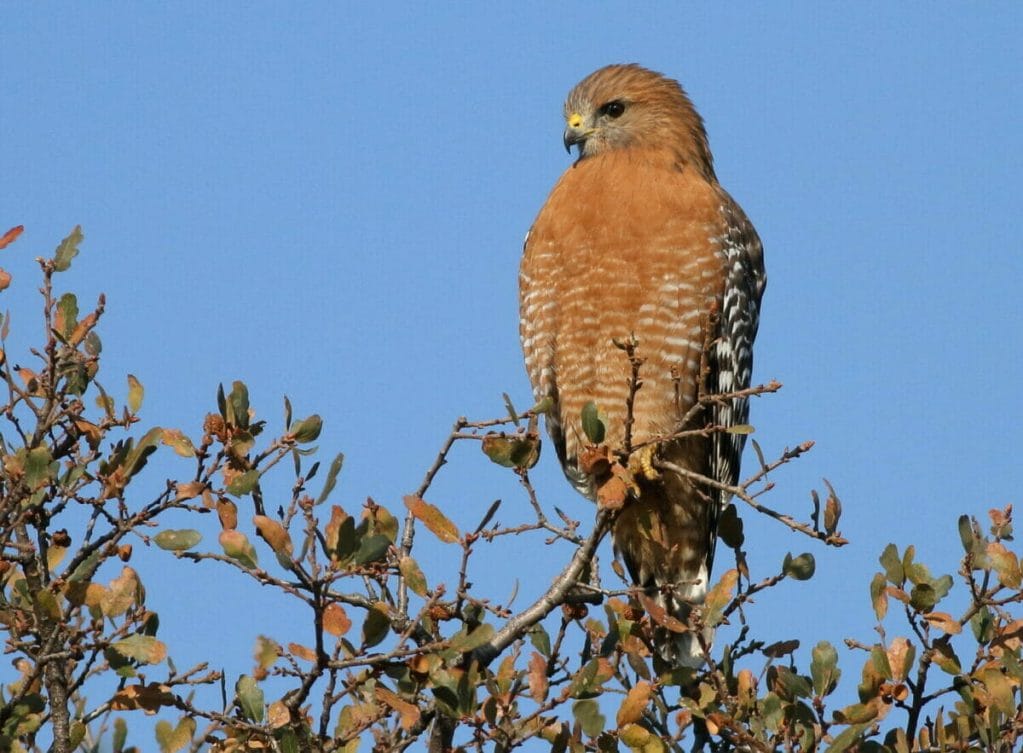
The Red-shouldered Hawk is a striking resident of Georgia, identifiable by its distinctive rufous coloring on the breast and head, which extends to its shoulders. The underside of its wings and tail feature beautiful black and white barring.
- Identification and Size: Adults display a reddish-brown chest and belly, with broad, black and white bands on their tail and wings. Immature birds are browner and streaked.
- Length: 16.9 to 24.0 inches
- Wingspan: 37.0 to 43.7 inches
- Weight: 17.1 to 27.3 ounces
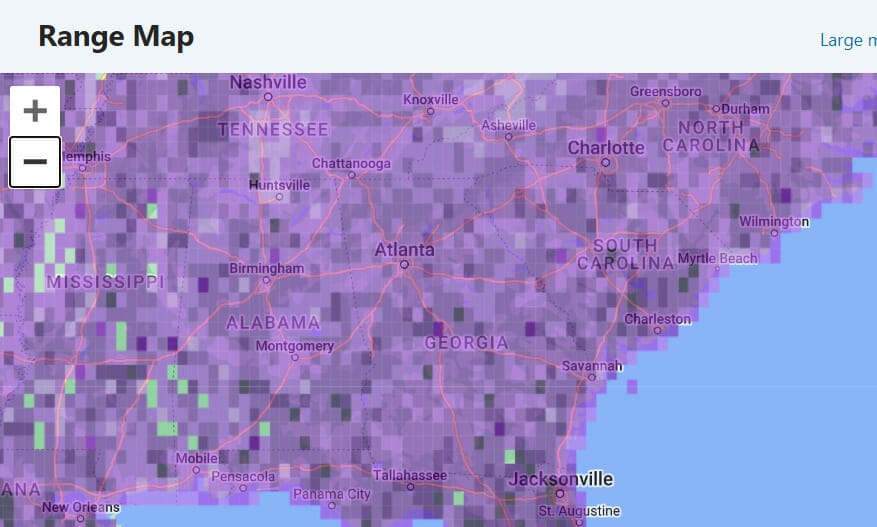
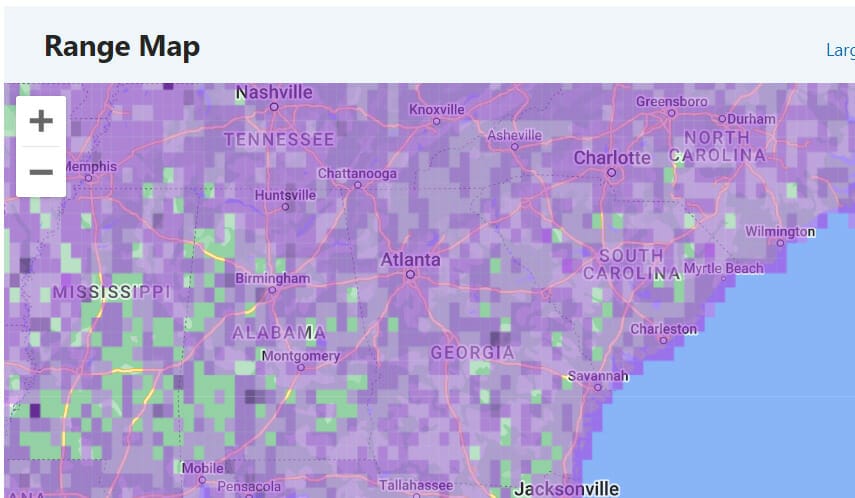
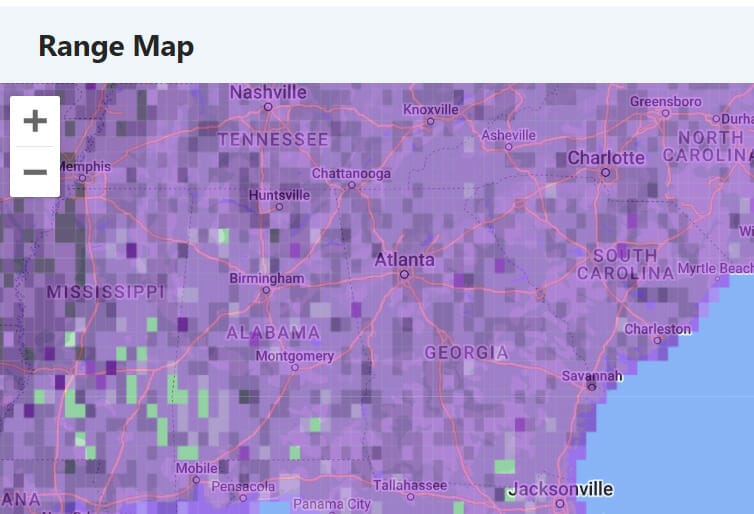
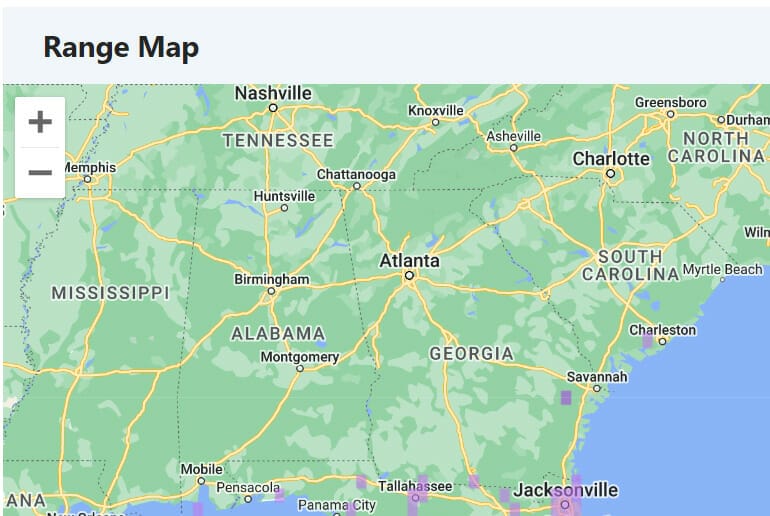
- Distribution: This hawk is a year-round resident throughout Georgia, inhabiting wooded areas, particularly those near water. Its presence is widespread across the state, as indicated by eBird range maps.
- Interesting Fact: The Red-shouldered Hawk primarily hunts small prey such as mice, small rabbits, and snakes, often found in the forested environments it favors.
Cooper’s Hawk (Accipiter cooperii)
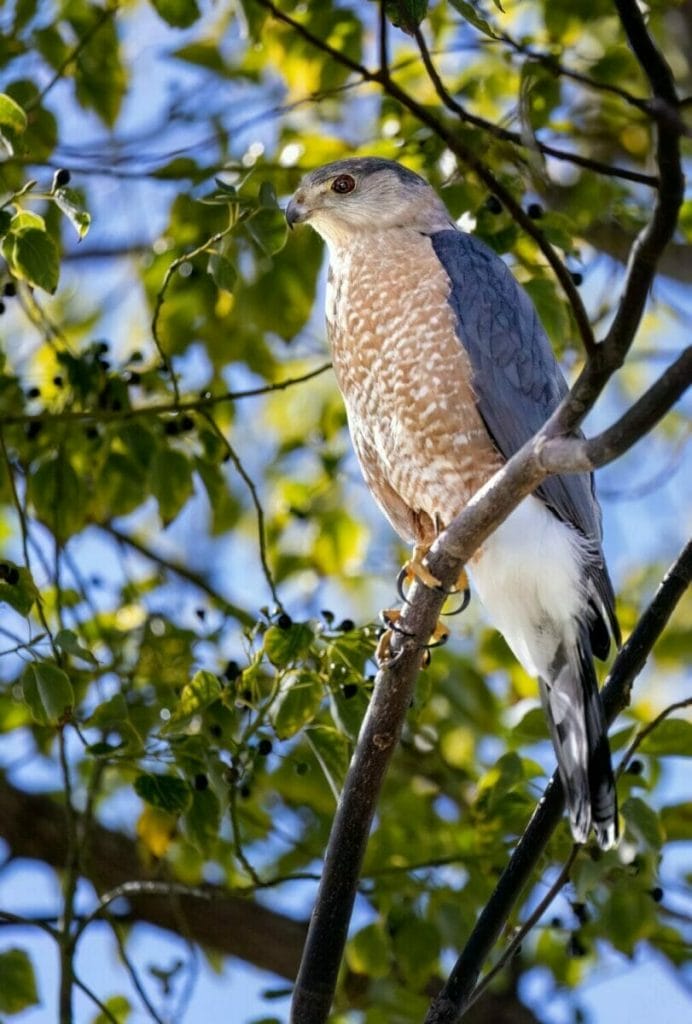
A medium-sized hawk, the Cooper’s Hawk is known for its slender build and agile flight, often observed hunting in wooded areas and suburban environments.
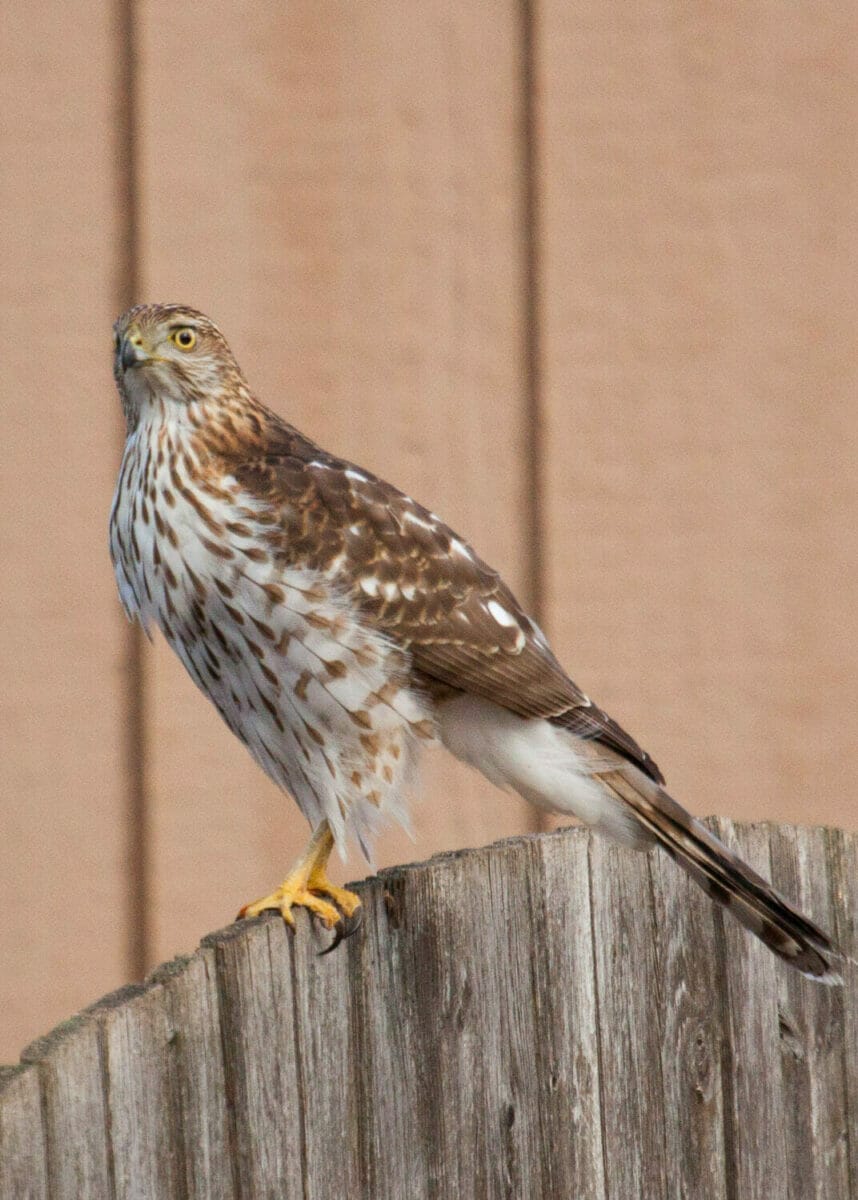
- Identification and Size: Adult Cooper’s Hawks are slate gray on their backs with a reddish-orange, barred breast and belly. Females are noticeably larger than males. Juvenile birds are brown with streaks. Their eyes are a striking, staring feature.
- Length: 14.6 to 17.7 inches
- Wingspan: 24.4 to 35.4 inches
- Weight: 7.8 to 24 ounces
- Distribution: While migratory in some parts of the United States, the Cooper’s Hawk is a resident species in Georgia, observed year-round. They are often found in the canopy of forests, which can make them less conspicuous than other species.
- Interesting Fact: Cooper’s Hawks are adept predators of other birds, using their powerful talons to capture and kill their prey with a crushing grip.
Sharp-shinned Hawk (Accipiter striatus)
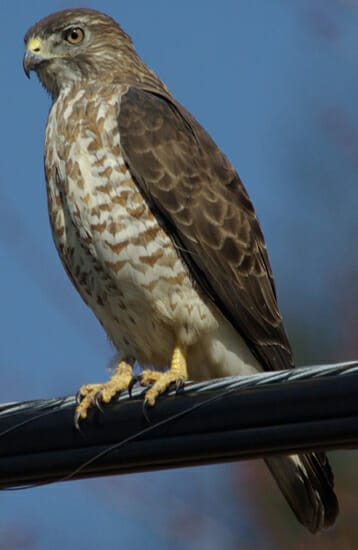
The Sharp-shinned Hawk is North America’s smallest Accipiter. It shares a similar appearance with the Cooper’s Hawk, leading to frequent confusion. However, its smaller size and paler underparts are key distinguishing features.
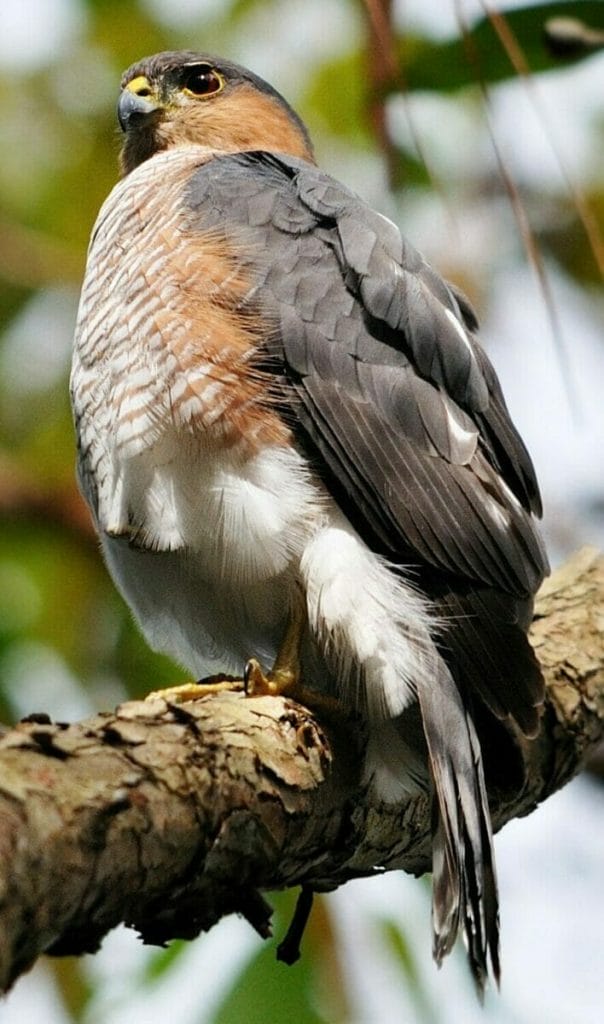
- Identification and Size: Adults have a gray back and a finely barred, pale underside. Females are larger than males. Juvenile birds exhibit brown plumage with streaks.
- Length: 9.4 to 13.4 inches
- Wingspan: 16.9 to 22.1 inches
- Weight: 3.1 to 7.7 ounces
- Distribution: The Sharp-shinned Hawk is a migratory species in Georgia, present during the non-breeding season. They breed in Canada and are widespread across Georgia, though their preference for dense forests can make them less visible, particularly in the southern regions of the state.
- Interesting Fact: These agile hunters primarily prey on small birds, dispatching them with their sharp talons before plucking them to eat.
Red-tailed Hawk (Buteo jamaicensis)
Often considered the most common raptor in the United States, the Red-tailed Hawk is a familiar sight across Georgia. Its name comes from its distinctive reddish tail, though plumage can vary significantly.
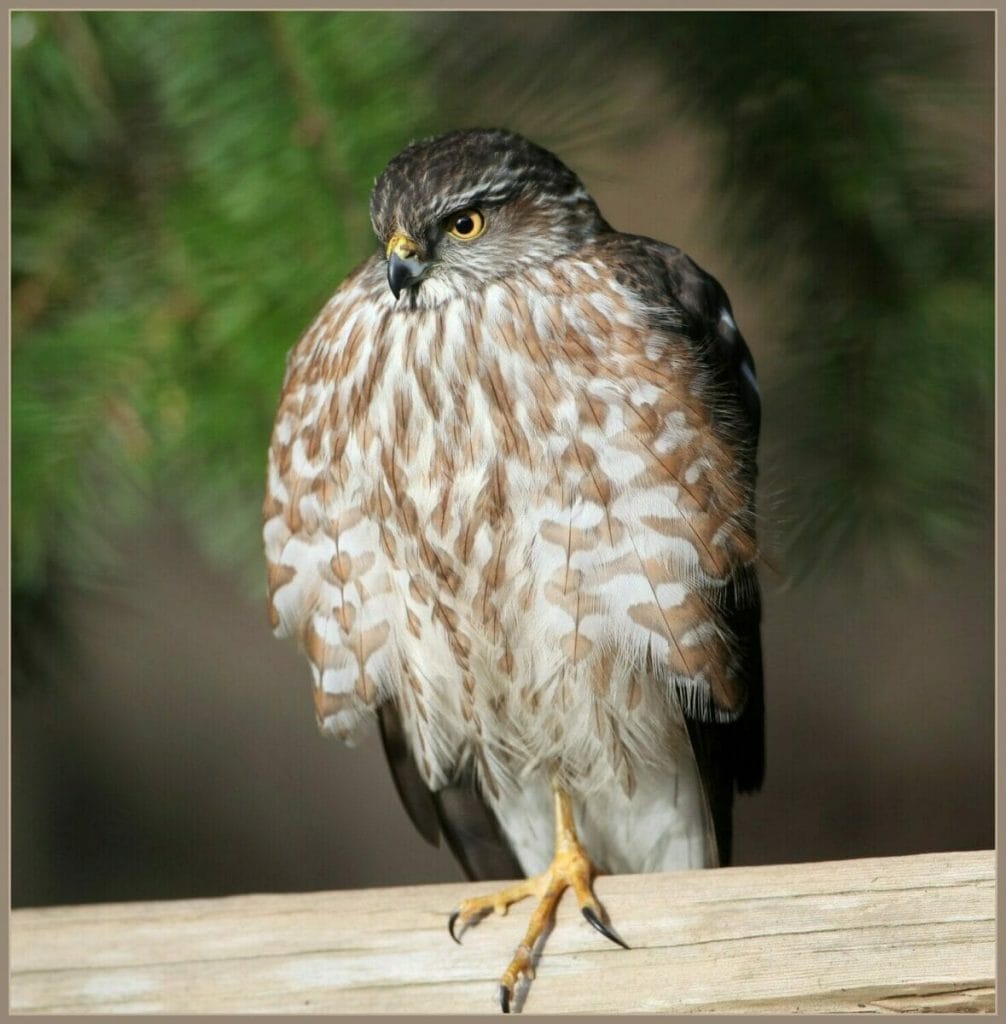
- Identification and Size: Adults typically display a bright red tail, pale underparts, and variable red and brown markings. Males are smaller than females.
- Length: 17.7 to 25.6 inches
- Wingspan: 44.9 to 52.4 inches
- Weight: 24.3 to 51.5 ounces
- Distribution: The Red-tailed Hawk is a year-round resident, abundant throughout Georgia. Its presence is widespread, covering nearly the entire state, indicating its adaptability to various habitats.
- Interesting Fact: The Red-tailed Hawk’s shrill call is so iconic that it is frequently used in films as a sound effect, often to evoke a sense of danger or wildness.
Broad-winged Hawk (Buteo platypterus)
This short-bodied hawk is characterized by its broad wings and distinctive plumage. The Broad-winged Hawk is a summer visitor to Georgia, utilizing the state’s forests for breeding.
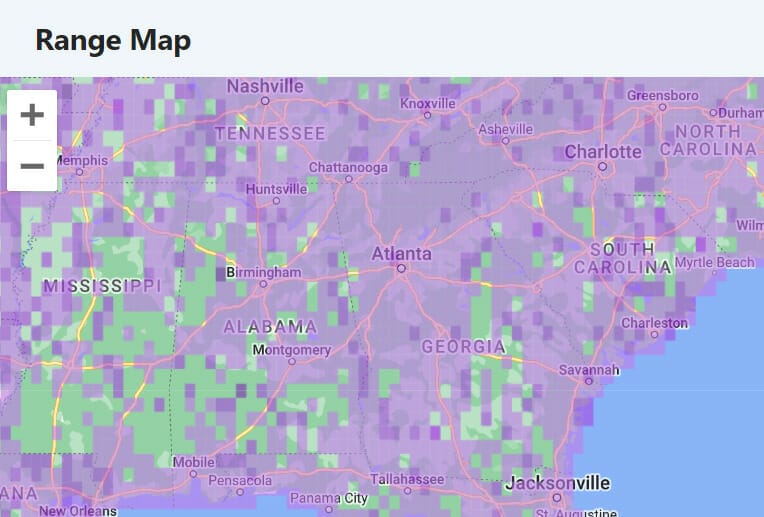
- Identification and Size: Adults have a brown back and a barred breast. Their wings show rufous coloration near the shoulders and are banded with black and white towards the tips and tail.
- Length: 13.4 to 17.3 inches
- Wingspan: 31.9 to 39.4 inches
- Weight: 9.3 to 19.8 ounces
- Distribution: The Broad-winged Hawk breeds in Georgia during the warmer months and migrates to Central and South America for the winter.
- Interesting Fact: During their migration, Broad-winged Hawks often gather in large flocks called "kettles," soaring and circling together in a spectacular natural display.
Short-tailed Hawk (Buteo brachyurus)
A less common sight in Georgia, the Short-tailed Hawk is primarily found in the southern parts of the state. It is more prevalent in South Florida and breeds further north.
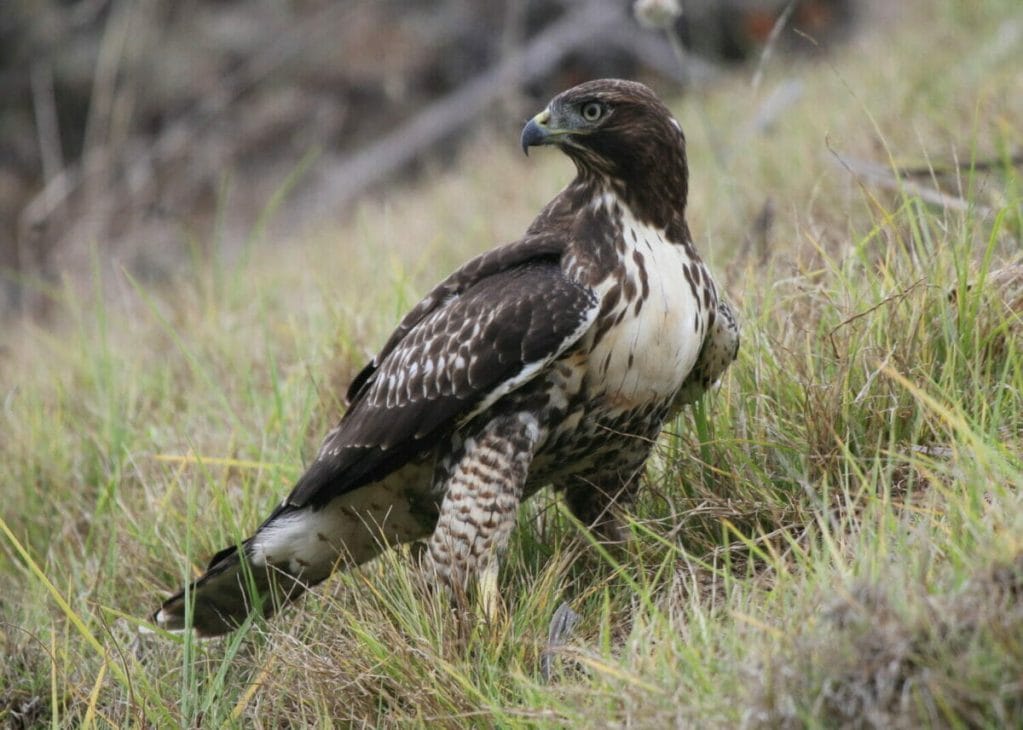
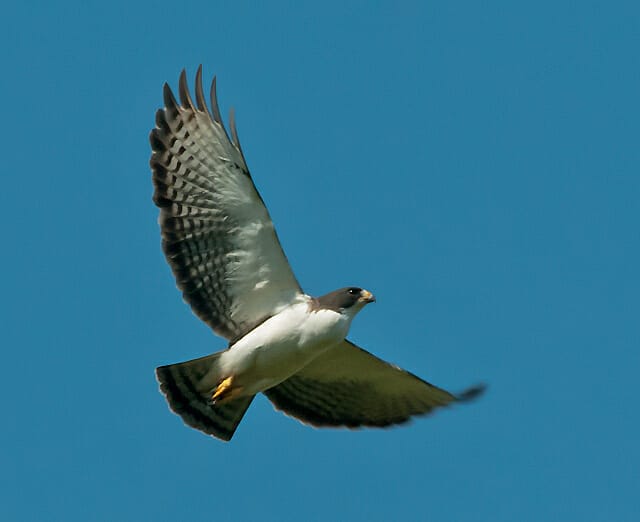
- Identification and Size: This hawk is identifiable by dark patches around its face framing a white throat. It exhibits two morphs: a dark morph with a mostly black body and white underwings, and a pale morph with a white underside and black barring.
- Length: 15.3 to 17.3 inches
- Wingspan: 32.7 to 40.5 inches
- Weight: 13.6 to 16.9 ounces
- Distribution: Sightings in Georgia are rare, with fewer than 15 reported to eBird. Its established population in south Florida and breeding grounds further north mean its presence in Georgia is limited.
- Interesting Fact: The Short-tailed Hawk population in Florida is predominantly of the dark morph, suggesting this is the form most likely to be observed in Georgia.
Northern Goshawk (Accipiter gentilis)
The Northern Goshawk is a powerful and distinctive raptor. Its presence in Georgia is notably rare, with only a few documented sightings.
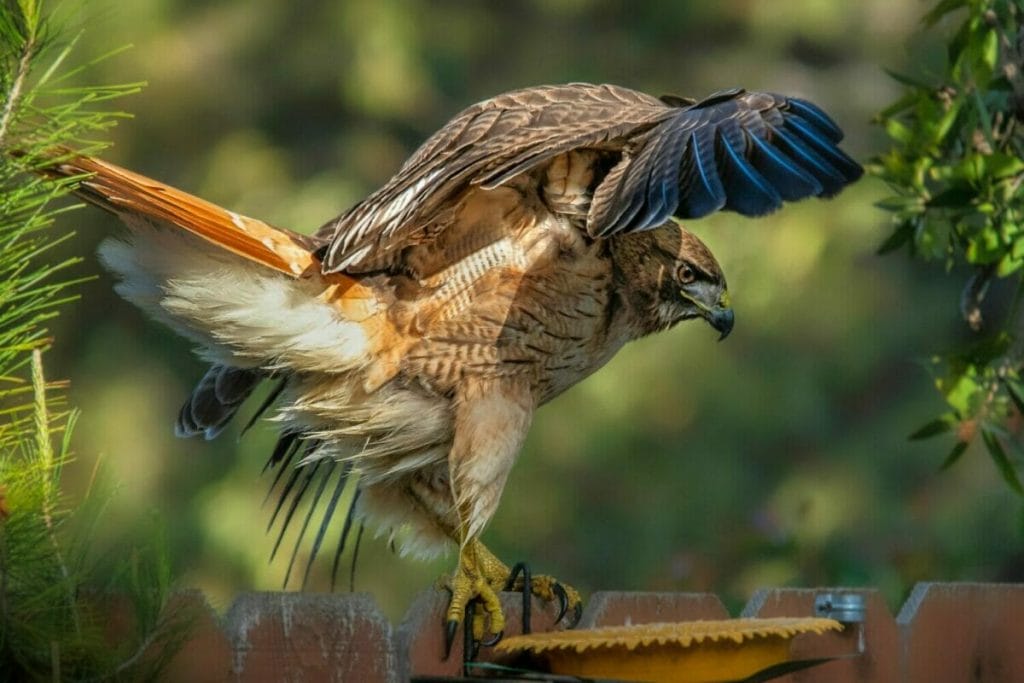
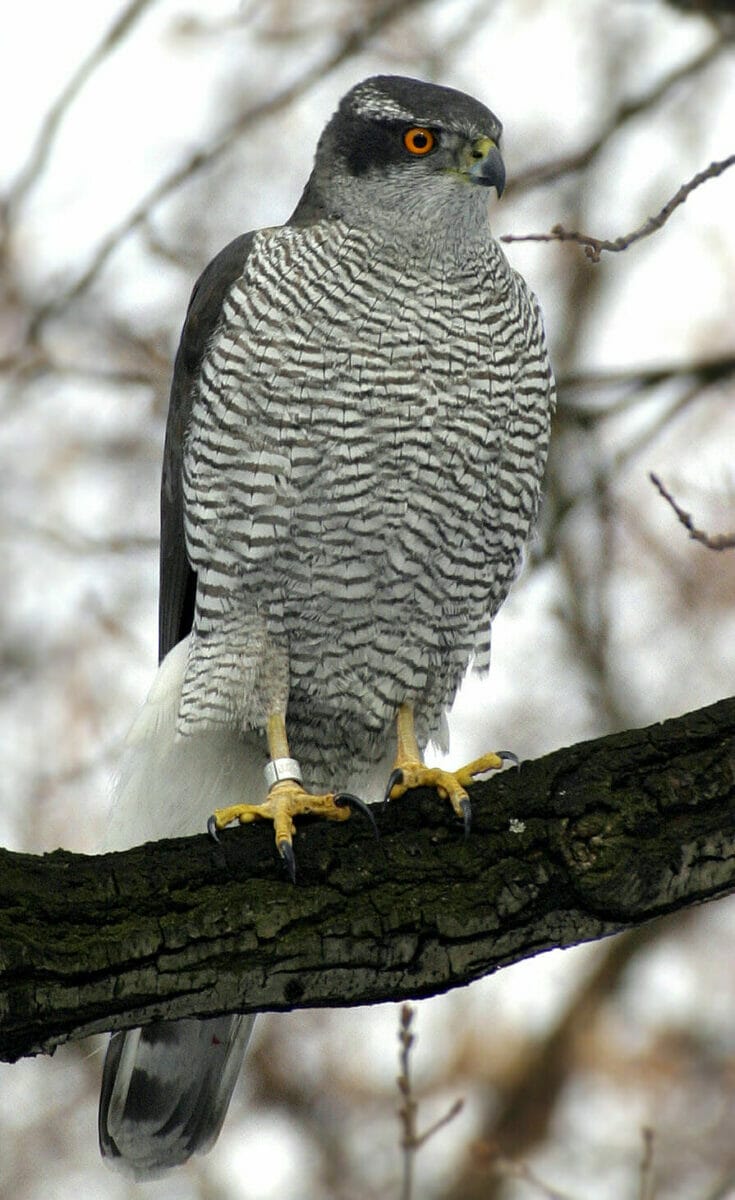
- Identification and Size: Adults are characterized by dark gray backs and pale undersides with intricate markings. A prominent red eye and a strong white brow are key identification features. Juveniles display varied brown plumage.
- Length: 20.9 to 24.0 inches
- Wingspan: 40.5 to 41.1 inches
- Weight: 22.3 to 48.1 ounces
- Distribution: Georgia lies on the outer edge of the Northern Goshawk’s range. The north-western border of the state is the only area where this species might be encountered, with very few confirmed reports.
- Interesting Fact: Northern Goshawks are known to establish multiple nesting sites during the breeding season, often alternating between them or reusing successful nests in subsequent years.
Northern Harrier (Circus hudsonius)
The Northern Harrier is an elegant raptor, often seen flying low over open country. It is a winter visitor to Georgia, inhabiting grasslands and marshes.
- Identification and Size: This hawk is typically gray above with distinctive facial markings and barred underwings. It possesses a long tail.
- Length: 18.1 to 19.7 inches
- Wingspan: 40.2 to 46.5 inches
- Weight: 10.6 to 26.5 ounces
- Distribution: Georgia falls within the non-breeding range of the Northern Harrier. They are present in the state during spring, autumn, and winter, favoring open habitats.
- Interesting Fact: The Northern Harrier’s hunting strategy involves flying low over open fields and grasslands, listening and looking for small mammals and other prey.
Broader Context and Implications
The presence of these diverse hawk species in Georgia underscores the state’s ecological importance and the need for continued conservation efforts. Hawks play a crucial role in maintaining the balance of ecosystems by controlling populations of rodents, snakes, and other small animals. Their presence is also an indicator of environmental health.

The classification of birds of prey, as highlighted by the distinction between "true hawks" and Buteo species, reflects the ongoing scientific endeavor to understand the intricate web of life. Ornithologists continue to refine our understanding of avian relationships through genetic research and detailed observation.
While the article focuses on hawks, Georgia is also home to other impressive raptors, including three species of eagles (Bald Eagle, Golden Eagle, and Osprey) and three species of falcons (Peregrine Falcon, American Kestrel, and Merlin). This broader diversity further emphasizes Georgia’s significance as a birdwatching destination.
The Role of eBird Data
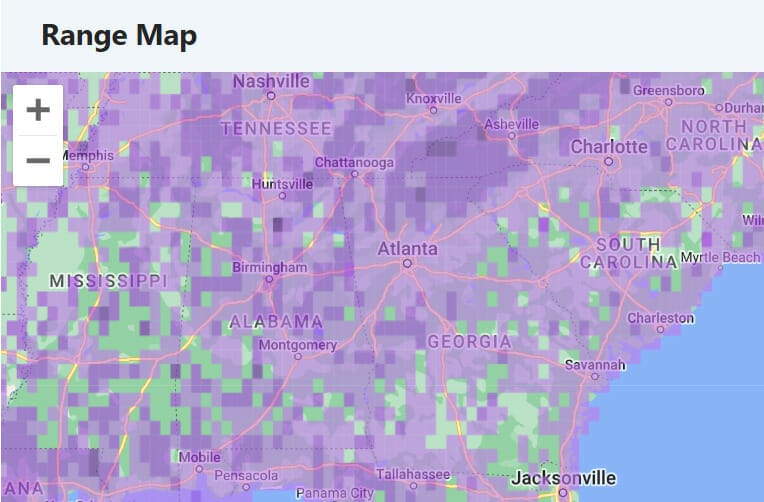
The information presented regarding species distribution and sightings, particularly for rarer species like the Short-tailed Hawk and Northern Goshawk, is largely derived from citizen science data compiled by eBird. This platform, managed by the Cornell Lab of Ornithology, relies on birdwatchers submitting their observations, providing invaluable real-time data on bird populations, migration patterns, and distribution. The limited sightings reported for certain species in Georgia serve as a crucial indicator of their rarity within the state and highlight areas where further research and monitoring may be beneficial.
Conclusion
Georgia’s skies are graced by a fascinating array of hawks, encompassing species from the Accipiter, Buteo, and Circus genera. In total, eight species commonly referred to as hawks inhabit the state: the Red-shouldered Hawk, Cooper’s Hawk, Sharp-shinned Hawk, Red-tailed Hawk, Broad-winged Hawk, Short-tailed Hawk, Northern Goshawk, and Northern Harrier. Understanding their distinct characteristics, habitats, and migratory patterns provides a deeper appreciation for Georgia’s rich biodiversity. While the state’s varied geography supports these avian predators, ongoing environmental stewardship is essential to ensure their continued presence and the health of the ecosystems they inhabit.
Frequently Asked Questions
What is the largest bird of prey in Georgia?
Among the hawk species discussed, the Red-tailed Hawk is the largest, closely followed by the Northern Harrier. These larger raptors often require expansive territories to hunt effectively.
How do you differentiate between a hawk and a falcon?
Falcons possess a distinct notch, known as a "tomial tooth," on the top of their bill, which aids in killing prey. Hawks lack this feature. Falcons also tend to be smaller, more slender, and exceptionally agile flyers compared to the generally more robust build of many hawk species.
Can a hawk lift a dog?
While large hawk species are powerful predators, it is highly unlikely for them to lift an adult dog. They primarily prey on smaller animals such as rodents, birds, and reptiles. The theoretical capacity to carry off very small domestic animals like kittens or very small puppies exists, but such occurrences are exceedingly rare, especially in suburban or urban backyards where human activity might deter them.

