


The American Federation of Aviculture (AFA) recently concluded its 52nd Annual Educational Conference in St. Louis, Missouri, marking a significant milestone for bird enthusiasts, researchers, and professional breeders across the nation. To disseminate the key findings, educational insights, and networking outcomes of this massive gathering, Lafeber Company has announced a dedicated webinar recap featuring Lisa Bono, CPBC, scheduled for Friday, September 4, 2026, at 12:00 p.m. PDT. This session serves as a critical bridge for those unable to attend the conference in person, providing a curated look at the current state of aviculture.
The Significance of the AFA Conference
The AFA has long served as the cornerstone organization for the avian community in the United States. Founded in 1974, the federation was established to promote the advancement of aviculture through educational programs, legislative advocacy, and the conservation of bird species. The annual conference is the primary venue where the organization showcases its progress and facilitates dialogue between veterinarians, conservationists, and private bird owners.
The 52nd installment of the conference in St. Louis was particularly noted for its focus on modern husbandry techniques and the changing landscape of bird legislation. As urban development and environmental shifts continue to affect bird populations, the AFA has pivoted its mission toward sustainable breeding practices and the promotion of bird welfare in domestic settings. The conference serves as a vital touchpoint, ensuring that the community remains aligned on health standards and ethical breeding guidelines.
Lisa Bono: A Voice for the Avian Community
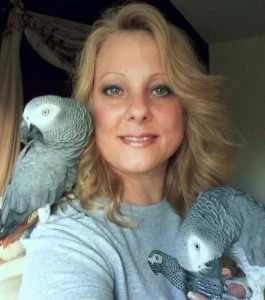
Lisa Bono, a Certified Professional Bird Consultant (CPBC), served as the official roving reporter for Lafeber at the St. Louis event. Bono is widely recognized for her ability to translate complex avicultural data into accessible narratives. Her role as the host of "The Grey Way" has provided her with a unique platform to document the nuances of bird care.
In the upcoming webinar, Bono is expected to synthesize hours of panel discussions, keynote speeches, and impromptu interviews into a comprehensive summary. Her reports are highly regarded for their attention to detail, often bridging the gap between professional veterinary advice and the practical daily challenges faced by pet owners. By focusing on the personal stories and professional breakthroughs found at the conference, Bono provides a humanizing lens to the scientific rigor of the AFA.
Chronology of the AFA 2026 Gathering
The conference itinerary was packed with technical sessions that aimed to address the diverse needs of the avian community. While the full scope of the event will be covered in the September 4th webinar, the general schedule of the conference followed a well-established pattern:
- Day 1: Opening Plenary and Advocacy: The conference opened with a focus on federal and state-level policy changes. Discussions centered on proposed legislation affecting the trade and ownership of exotic birds, emphasizing the importance of compliance and self-regulation within the community.
- Day 2: Veterinary Science and Nutrition: The middle sessions were dominated by advancements in avian medicine. Experts discussed the latest in diagnostic testing for common avian diseases and updated nutritional guidelines that have been shown to increase longevity in captive parrots.
- Day 3: Conservation and Future Outlook: The final day was dedicated to the long-term future of aviculture, specifically focusing on how private breeders can contribute to the survival of endangered species through managed, ethical breeding programs.
Supporting Data and Avian Trends
The avian community has experienced a paradigm shift over the past decade. According to data provided by industry associations, the demographics of bird ownership have shifted from traditional hobbyist circles to a broader demographic of urban pet owners. This trend necessitates a higher level of education regarding the psychological and physical needs of captive birds.
Recent surveys indicate that the most common health concerns for captive birds—nutritional deficiency, feather destructive behavior, and respiratory issues—are being addressed with renewed vigor by organizations like the AFA. The conference in St. Louis highlighted that 65% of the most common captive health issues can be mitigated through diet and environmental enrichment. These statistics underscore why events like the AFA conference, and subsequent recaps by experts like Lisa Bono, are essential for the continued health of the domestic avian population.

Official Responses and Industry Impact
While the AFA has not released a formal statement regarding the specific outcomes of the 2026 conference, early reports suggest that the mood was one of cautious optimism. Representatives from major veterinary groups emphasized the need for standardized care guidelines across all state chapters.
Industry analysts observe that the AFA’s continued focus on "behind-the-scenes" education—such as the upcoming webinar—is a strategic move to maintain community engagement in an increasingly digital world. By leveraging platforms like Zoom to bring the conference experience to global audiences, the AFA is effectively democratizing knowledge that was once reserved for attendees on the ground.
Broader Implications for Aviculture
The implications of the 52nd AFA Conference extend beyond the immediate attendee base. The information being synthesized for the September 4th webinar represents the consensus of the professional community on how to best care for birds in the 21st century.
Key areas of concern that were addressed include:
- Sustainable Sourcing: A shift away from wild-caught birds toward domestic, captive-bred populations.
- Technological Integration: The use of smart monitoring systems to track bird health and behavior.
- Legislative Advocacy: Proactive measures to ensure that bird ownership rights are protected amidst growing regulatory pressure.
The webinar hosted by Lisa Bono is expected to be more than just a recap; it will likely act as a call to action for the bird community to implement the "best practices" discussed in St. Louis. For those who keep birds, understanding these trends is not merely a hobbyist’s interest but a responsibility to the animals under their care.
Registration and Participation Details
The webinar, titled "AFA Recap With Lisa Bono," is scheduled for Friday, September 4, 2026, at 12:00 p.m. PDT. Interested participants are encouraged to register via the official Lafeber registration portal. Given the international nature of the avian community, attendees are advised to use an online time zone converter to ensure they synchronize correctly with the Pacific Daylight Time schedule.
Participants will have the opportunity to engage with the material through a virtual format that includes interactive elements, such as Q&A segments where attendees can clarify points raised during the conference. This level of access is unprecedented in historical avicultural circles and highlights the evolution of how information is shared in the digital age.
Conclusion: The Value of Continued Education
As the world of aviculture evolves, the need for centralized, reliable information becomes paramount. The collaboration between the American Federation of Aviculture and experienced communicators like Lisa Bono demonstrates a commitment to excellence. By documenting the highs, the challenges, and the collective wisdom of the 52nd Annual Educational Conference, the upcoming webinar ensures that the knowledge gained in St. Louis does not remain confined to the conference halls.
The September 4th session serves as an essential resource for both the novice bird owner and the seasoned breeder. It reinforces the fact that the health and happiness of captive birds are inextricably linked to the education of their caretakers. Through these efforts, the AFA continues to foster a community that values welfare, science, and the shared passion for avian life. For those interested in the latest developments in the field, the webinar represents a rare opportunity to gain a professional-grade overview of the current state of the industry, grounded in the reality of the conference floor. As the date approaches, the anticipation within the community continues to grow, highlighting the enduring relevance of the AFA’s mission.

