


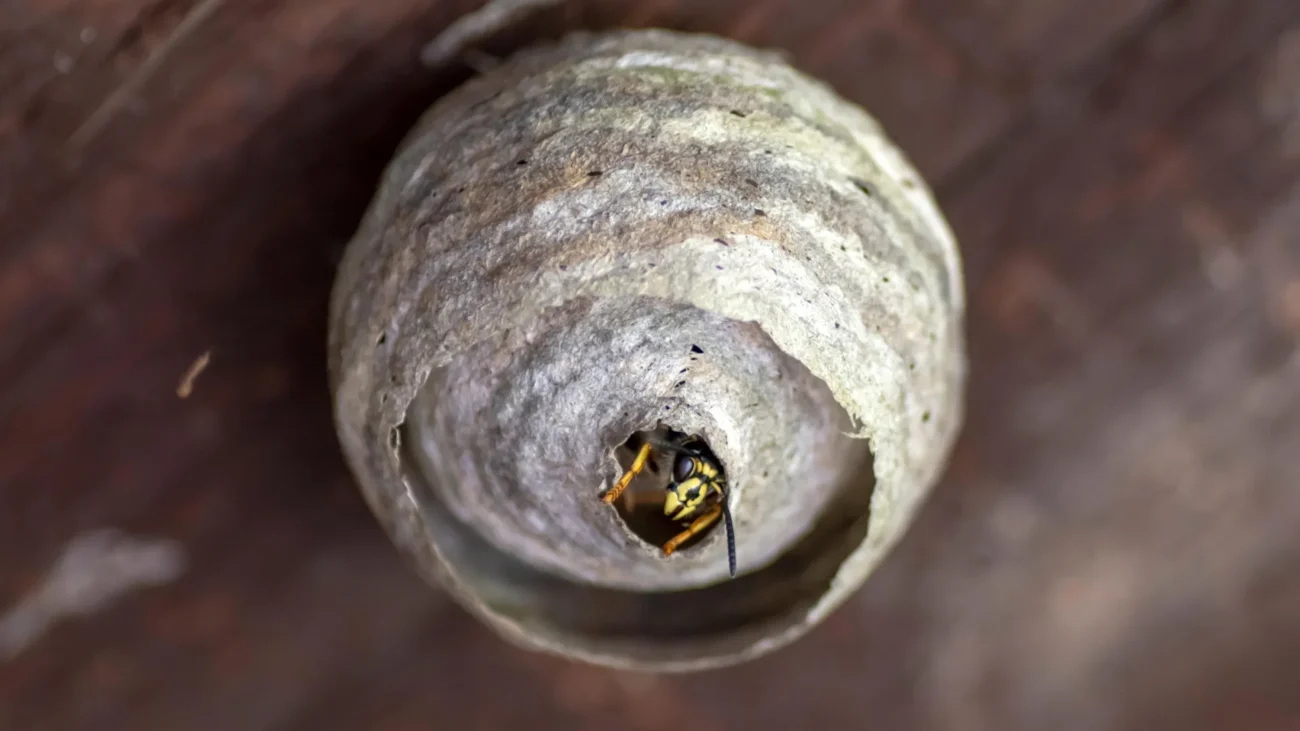
For many people, the arrival of summer reliably brings with it a familiar irritant: the common social wasp. Whether hovering persistently over a backyard picnic or seeking out a sheltered nesting spot in a loft, these insects are as woven into the fabric of the warm season as long daylight hours and outdoor festivals. However, the summer of 2026 has defied historical norms. Across multiple regions, entomologists, pest control professionals, and the general public have noted a startling and unprecedented scarcity of wasps.
This unexpected absence has alarmed researchers who rely on the insects for ecological studies. While the phenomenon might initially sound like welcome news to those who dread being stung during outdoor dining, scientists emphasize that the sudden disappearance of wasps signals deeper environmental disruptions with potentially severe consequences for global ecosystems.
Main Facts of the 2026 Wasp Shortage
Field researchers and pest management specialists have reported a drastic reduction in wasp sightings and nest removal requests compared to previous years. In academic laboratories, entomology students attempting to source common social wasps for behavioral and ecological experiments have faced extreme difficulties finding specimens in the wild.
Ordinarily, warm weather accelerates the growth and expansion of wasp colonies, frequently driving them into close proximity with humans and generating media headlines regarding "plagues of wasps." By contrast, professional pest-control agencies reported a remarkably quiet season by mid-summer, with minimal calls for nest interventions. Although systematic national monitoring initiatives—such as the Big Wasp Survey—are still compiling comprehensive datasets, the preliminary observational evidence points toward a significant population suppression event.
Chronology of the Season: From Promising Spring to Extreme Heat
The trajectory of the 2026 wasp season began with seemingly favorable conditions. During the early spring months, a dry and temperate climate encouraged a high volume of overwintered foundresses—new queens—to emerge from hibernation. These queens successfully initiated solitary nest-building, single-handedly managing foraging, egg-laying, and the initial rearing of brood. For a social insect species, this foundational phase represents the highest hurdle; once the first generation of worker wasps matures to take over foraging duties, the survival odds of the colony improve substantially.
However, the meteorological pattern shifted abruptly. The benign spring gave way to severe weather volatility, characterized by unprecedented regional heat spikes interspersed with unseasonably cold, damp days and sharply dropping nocturnal temperatures. This erratic climate proved disruptive during the vulnerable nest-founding window. The extreme thermal swings are believed to have forced many queens to abandon their nascent nests or succumb to environmental stress, drastically reducing the anticipated spring population bounty.
As the season progressed into summer, consecutive heatwaves took a heavy toll. While certain insect groups, such as butterflies, experienced favorable conditions that facilitated uninterrupted foraging and reproduction, social wasps faced distinct physiological thresholds. Entomologists note that insects possess a critical thermal maximum (CTmax)—the upper temperature limit an organism can endure before experiencing severe physiological failure, desiccation, muscle spasms, and stupor.

While honeybees and certain other social insects exhibit CTmax thresholds approaching 49°C, ground surface temperatures in several impacted regions exceeded 50°C during the 2026 heatwaves. Furthermore, research indicates that temperatures well below an insect’s absolute CTmax can impair cognitive function and foraging efficiency. Wasps are estimated to have a CTmax of approximately 45°C (113°F), making them acutely vulnerable to the extreme ground-level heat recorded during the summer months. Although social insects utilize sophisticated thermoregulation behaviors—such as wing-fanning to cool larvae—and possess specialized cuticular hydrocarbons on their exoskeletons to prevent moisture loss, the intensity and duration of the 2026 heatwaves appear to have pushed these biological defenses past their limits.
Anomalies in Insect Morphology: The Shrinking Wasp Phenomenon
Compounding the observation of low population numbers is an unusual physical trait among the surviving wasps: an abnormally small adult size. The ultimate body size of most insect species is permanently determined during their larval development phase, dictated strictly by the nutritional quality and quantity provided by the colony.
Under normal developmental timelines, early spring workers are diminutive because a single queen can provision only limited amounts of food. By early August, however, mature colonies possess a vast workforce capable of intensive foraging, resulting in well-fed larvae and significantly larger adult workers. The persistence of "spring-sized" adult wasps deep into the summer suggests two primary drivers: a restricted availability of diverse prey items limiting larval nutrition, and direct thermal stress. Elevated ambient temperatures accelerate metabolic and developmental rates in insect larvae, causing them to pupate prematurely at a reduced physical size. This occurrence aligns with a documented century-long trend of shrinking body sizes among social insect populations linked to gradual global warming.
Official Responses and Scientific Context
Environmental scientists and conservation organizations have expressed growing concern over the cascading ecological implications of insect population fluctuations. While public perception often casts wasps strictly as pests, academic consensus views them as vital components of local food webs. Wasps function simultaneously as effective pest-controllers by consuming vast quantities of agricultural and garden pests, as secondary pollinators visiting a wide variety of flowering plants, and as decomposers that facilitate nutrient recycling.
Entomologists stress that sharp declines in wasp numbers could trigger imbalances in prey populations, allowing herbivorous insects to multiply unchecked. Furthermore, the simultaneous pressures of erratic spring weather and intense summer heatwaves on multiple pollinator and insect species highlight the profound vulnerability of cold-blooded organisms to rapid climate shifts. Conservation groups tracking bumblebees and butterflies have noted similar anomalies, warning that prolonged thermal stress and floral withering threaten long-term population stability across multiple insect orders.
Broader Impact and Implications for Ecosystems
The events of the summer of 2026 serve as a stark case study in how localized climate extremes can reverberate through biological communities. As global temperatures continue to fluctuate unpredictably, the physiological tolerances of key keystone species are increasingly tested. The diminished capacity of social wasps to maintain normal colony growth, thermal regulation, and physical development under extreme heat underscores the limits of ecological resilience.
Researchers emphasize that understanding these population anomalies requires robust, long-term empirical data rather than isolated observations. Initiatives designed to track insect behavior, distribution, and morphology are critical for mapping the trajectory of climate-induced population shifts. Ultimately, the silent summer of 2026 challenges traditional perceptions of garden wildlife, reframing a common nuisance species as a vulnerable indicator of broader environmental strain.

