


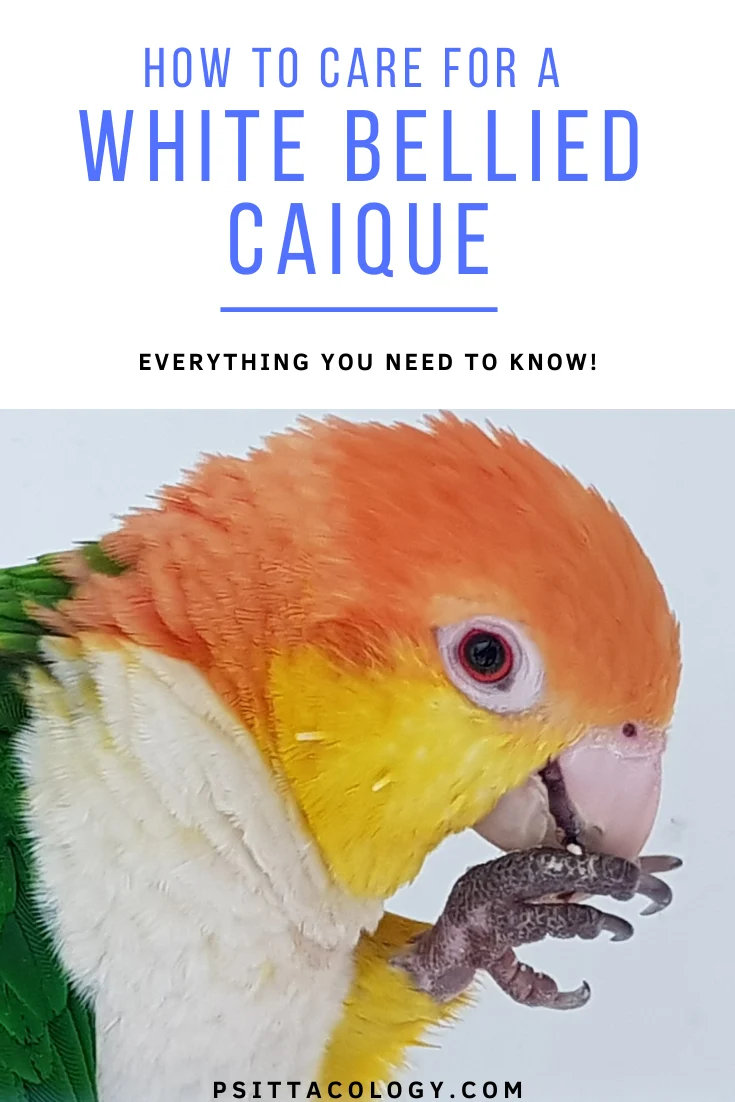
The white-bellied caique, scientifically recognized within the genus Pionites and encompassing various subspecies such as Pionites leucogaster, Pionites xanthomerius, and Pionites xanthurus, represents one of the most distinctive and vibrant parrot species native to the Neotropical rainforests of South America. Characterized by their stocky physiques, vivid coloration, and boundless energy, these medium-sized psittacines have increasingly captured the attention of avian researchers, conservationists, and specialized exotic pet owners alike. However, their complex behavioral repertoires, specific dietary requirements, and vulnerable status in the wild demand a rigorous, highly informed approach to their care and conservation.
Main Facts and Biological Overview
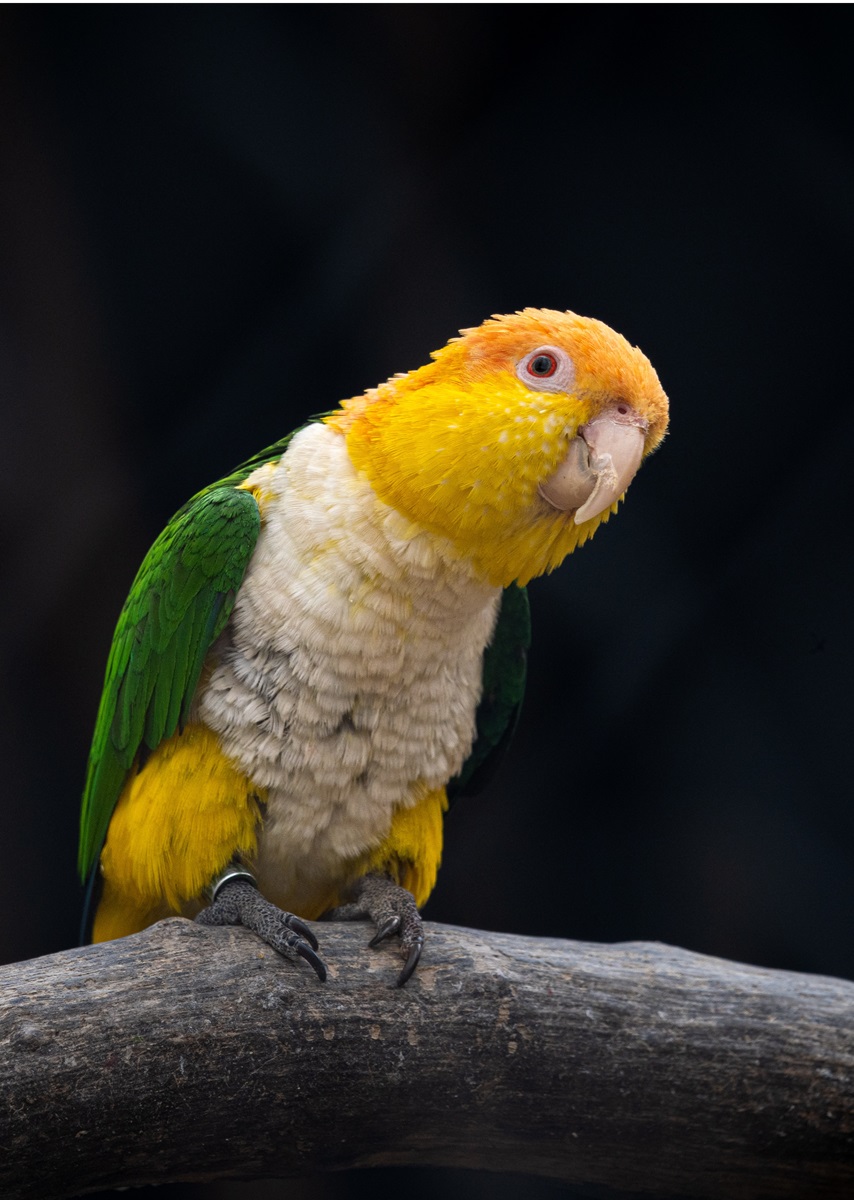
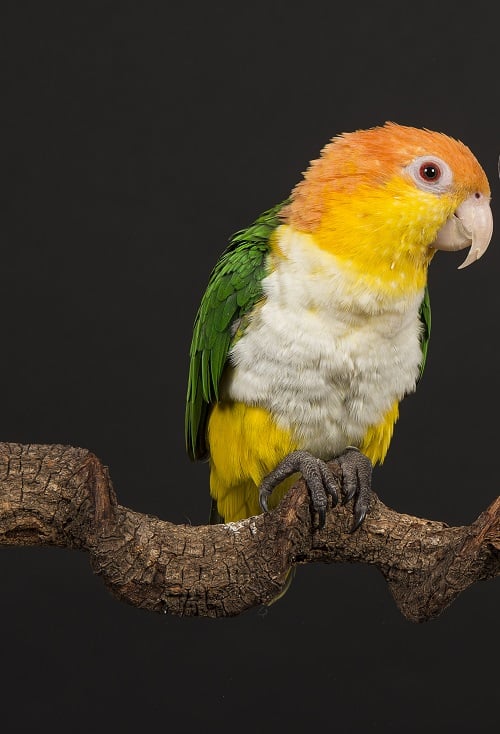
Standing at an adult height of approximately 23 centimeters (9 inches) and weighing up to 170 grams, the white-bellied caique features a compact build complemented by a short, stumpy tail. Their plumage is visually striking, featuring entirely white to cream-colored chests and abdomens, bright yellow cheeks, vivid orange crowns, and contrasting deep green backs and wings. Their beige beaks and unusual reddish eyes, which are framed by distinct bare eye-rings, further set them apart from other parrots.
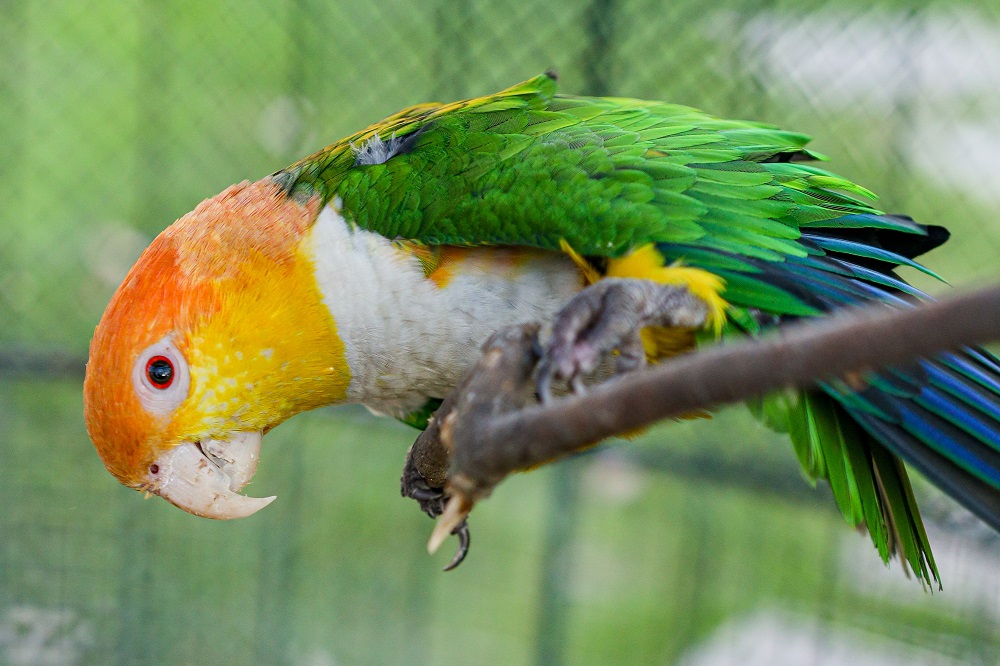
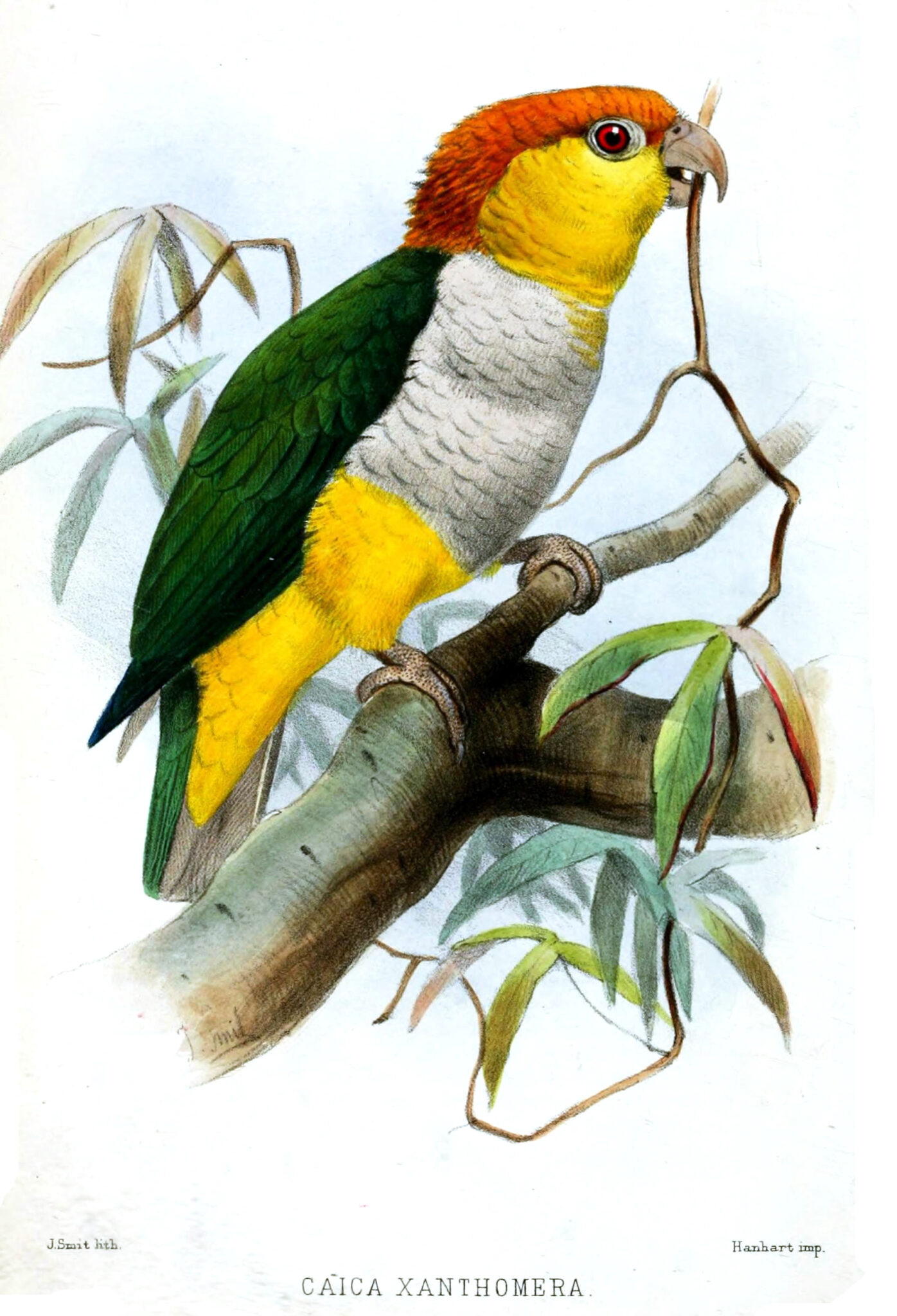
Despite their striking visual features, white-bellied caiques are monomorphic, meaning there are no reliable external physical characteristics to differentiate males from females. Consequently, definitive sex determination requires DNA testing. Taxonomically, the classification of caiques has been subject to ongoing debate within the ornithological community. While traditional frameworks categorized the genus Pionites into broad species groups—specifically the white-bellied caique and the black-capped caique—modern scholarly resources, including comprehensive databases like Birds of the World, increasingly elevate specific subspecies such as P. l. xanthurus and P. xanthomeria to distinct species status based on distinct geographical color variations.
Natural Habitat and Conservation Status
The native range of the white-bellied caique spans the tropical rainforest canopies of the Amazon basin, with significant populations residing in Brazil, Bolivia, Peru, and Ecuador. Within these dense arboreal ecosystems, caiques typically traverse the upper forest layers in tight-knit social groups consisting of up to ten individuals, utilizing hollow trees for nesting and roosting.
Despite their adaptability in the wild, the International Union for Conservation of Nature (IUCN) lists many white-bellied caique populations as vulnerable or endangered. The primary driver of this population decline is widespread deforestation across the Amazon basin, which severely fragments their natural habitat and reduces the availability of mature nesting hollows. Furthermore, the illegal wildlife trade has historically exerted pressure on wild populations, though international protective frameworks such as the Convention on International Trade in Endangered Species of Wild Fauna and Flora (CITES) strictly regulate their commercial movement.

Dietary Ecology: Wild Feeding Habits Versus Domestic Care
Scientific field studies underscore the dietary complexity of wild white-bellied caiques. Research examining the stomach contents and foraging behaviors of wild populations reveals that these parrots consume an extraordinarily diverse diet comprising dozens of plant species. Their natural intake is heavily anchored in seeds—including those extracted from various fruits—as well as raw, often unripe fruits, flower buds, nectar, and pollen. Consequently, wild caiques function as vital ecological pollinators for numerous rainforest tree species.
In addition to plant matter, observational studies indicate that wild caiques opportunistically consume bark, leaves, insects such as ants, and mineral-rich soils from natural clay licks. This behavioral ingestion of soil, known as geophagy, is believed to provide essential micronutrients and neutralize dietary toxins ingested from wild seeds.
Replicating this diverse nutritional intake in a domestic environment presents a significant challenge for avian keepers. Avian veterinary experts caution against relying exclusively on traditional seed mixes, which are often excessively high in fat and deficient in critical vitamins and minerals. Similarly, feeding a diet overly concentrated in sweet domestic fruits can lead to severe metabolic and nutritional imbalances, as cultivated fruits contain significantly higher sugar concentrations than the unripe wild fruits caiques consume in their natural habitat.

A balanced domestic diet should instead prioritize high-quality formulated pellets, supplemented by a controlled variety of fresh vegetables, leafy greens, sprouted seeds, and limited portions of fresh fruit. High-fat items, such as nuts and dried fruits, should be reserved exclusively for behavioral training and positive reinforcement. Furthermore, constant access to fresh water and supplemental calcium sources, such as cuttlebone or calcium blocks, remains essential for long-term health.
Behavioral Profile and Temperament Analysis
Often dubbed the "clowns of the parrot world," white-bellied caiques possess an exceptionally playful, acrobatic, and high-energy disposition. Their behavioral repertoire includes distinctive traits such as floor-surfing, intense rolling motions, and enthusiastic dancing, which distinguish them from many other companion parrot species.
However, this high energy is matched by a complex and demanding temperament. Ethologists and avian behaviorists emphasize that caiques are not suitable pets for novice bird keepers. As they mature through puberty, caiques frequently undergo notable behavioral shifts, occasionally exhibiting sudden territorial aggression, intense nipping, and mood swings. Like many psittacines, they tend to form an intensely bonded relationship with a single primary caregiver, which can sometimes result in redirected aggression toward other household members or pets.
Furthermore, caiques are notoriously territorial and generally intolerant of other bird species sharing their immediate territory. Introducing a caique into a multi-species household carries a high risk of aggressive territorial disputes over food or cage space. Consequently, providing adequate daily out-of-cage time, robust environmental enrichment, and structured behavioral training is mandatory to mitigate destructive habits such as excessive chewing, screaming, and territorial lunging.
Housing, Environmental Enrichment, and Safety
Due to their boundless vitality, white-bellied caiques require substantially more living space than their modest physical size might suggest. A domestic enclosure must be exceptionally sturdy, constructed from durable metal bars capable of withstanding relentless chewing, and equipped with secure, escape-proof locking mechanisms that outsmart the bird’s high intelligence.
Within the enclosure, owners must provide multiple natural-wood perches of varying diameters to promote foot health, alongside designated feeding stations and a reliable bathing apparatus, as caiques frequently enjoy water baths. Beyond the primary cage, setting up an external play gym outfitted with foraging toys, shredding materials, and natural branches is vital for daily physical exertion.

Environmental enrichment is critical to preventing psychological distress, feather-picking, and chronic screaming. In the wild, caiques dedicate the majority of their waking hours to complex foraging tasks. Captive management must simulate these natural behaviors through puzzle feeders, foraging boxes, and rotation of interactive toys. Moreover, because caiques are intensely curious explorers, any room they access must undergo rigorous parrot-proofing. Household hazards—including toxic houseplants, open water sources, non-stick cookware coatings (PTFE/Teflon), and airborne chemical fumes from scented candles or cleaning agents—pose fatal risks to avian respiratory systems and must be strictly eliminated.
Vocalizations and Vocal Training Limitations
While white-bellied caiques are generally considered moderately noisy compared to larger parrot species such as macaws or cockatoos, they are by no means silent animals. Their daily vocalizations typically consist of melodic whistles, digital-sounding beeps, and soft squawks. However, when alarmed or seeking flock members across distances, they are capable of producing piercing, high-pitched screams.
Prospective owners seeking a proficient talking parrot will find that caiques are modest vocal learners. While individual birds may master a few distinct words or phrases, they cannot compete with renowned talking species such as African grey parrots or Amazon parrots. Nevertheless, caiques excel at learning and repeating short melodic tunes, whistles, and household sound effects through consistent positive reinforcement training.
Medical Considerations and Veterinary Care
Owning a white-bellied caique necessitates a proactive relationship with a qualified avian veterinarian. Due to their inquisitive nature, caiques are prone to accidental ingestion of foreign objects, trauma, and toxicity incidents. Establishing baseline wellness checks and maintaining emergency veterinary contact information is critical.
A notable medical concern specific to this group is avian polyomavirus, a viral pathogen that attacks internal organs and can be rapidly fatal, particularly to nestlings and young caiques under four weeks of age. Veterinary immunization protocols often recommend vaccination against polyomavirus to protect vulnerable populations.
Broader Impact and Implications of Avian Ownership
The keeping of white-bellied caiques as companion animals reflects a broader trend of exotic pet ownership intersecting with conservation biology. As wild populations face increasing habitat loss from Amazonian deforestation, the role of captive breeding programs, responsible avian husbandry, and public education becomes paramount. Ensuring that prospective owners are fully educated on the four-decade lifespan, intense behavioral demands, and specialized dietary needs of caiques helps prevent abandonment and promotes higher welfare standards across the exotic pet community. Through careful regulation of the pet trade and robust habitat conservation initiatives, stakeholders hope to safeguard the future of these charismatic Neotropical parrots in both their native rainforest canopies and domestic environments.

