


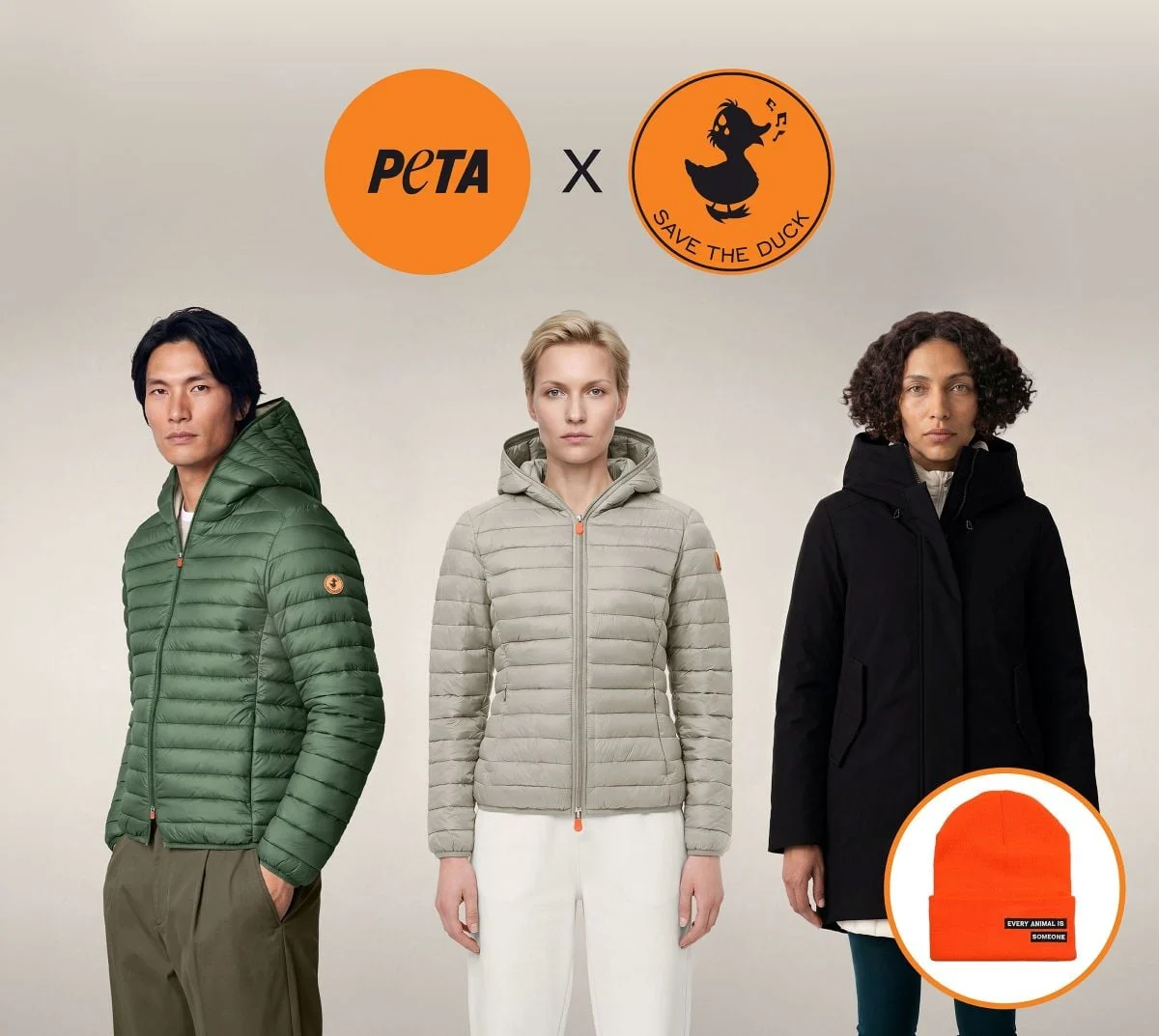
The intersection of high fashion and ethical consumerism has long been a focal point of awards season red carpets, but this year, the transformation extends far beyond the cameras and the gowns. As television’s elite gather in Los Angeles for the annual Primetime Emmy Awards, nominees, presenters, and winners will be introduced to a new standard of luxury outerwear that prioritizes sustainability and animal welfare. In a high-profile collaboration, People for the Ethical Treatment of Animals (PETA) and premium outerwear manufacturer Save the Duck have secured a prominent presence at the official backstage Emmys Giving Suite, bringing cruelty-free fashion directly to the television industry’s most influential figures.
This strategic partnership highlights a growing shift within the entertainment and luxury apparel sectors, where consumers and celebrities alike are increasingly demanding alternatives to traditional animal-derived materials such as down, leather, and fur. By introducing Hollywood’s top talent to high-end, feather-free garments, the initiative seeks to redefine winter fashion through the lens of ethical responsibility, proving that warmth, style, and luxury do not require the exploitation of animals.
The Evolution of Television’s Biggest Night and Sustainable Swag Lounges
To understand the significance of this activation, one must examine the role of backstage gifting suites within the broader ecosystem of Hollywood awards shows. Over the past two decades, gifting lounges associated with major ceremonies like the Emmys, Oscars, and Golden Globes have evolved from simple promotional pit-stops into powerful marketing platforms. Brands vie fiercely for placement inside these exclusive suites, knowing that securing a product in the hands of a high-profile celebrity can yield millions of impressions, social media endorsements, and substantial cultural capital.
Historically, these lounges were dominated by luxury goods that frequently relied on exotic skins, fur trims, and traditional down insulation. However, as global awareness surrounding climate change and animal rights has intensified, the ethos of Hollywood has undergone a noticeable transformation. A growing number of A-list actors, directors, and producers actively scrutinize the ethical practices of the brands they endorse or wear.
Into this shifting landscape steps the collaboration between PETA and Save the Duck. By securing a footprint in the official backstage Emmys Giving Suite, the organizations are effectively bypassing traditional advertising channels to place ethical fashion directly into the hands of cultural tastemakers. Stars visiting the suite will be invited to select a Hollywood-worthy puffer jacket or parka from Save the Duck’s expansive catalog, paired with PETA’s signature orange beanie emblazoned with the declarative statement: Every Animal Is Someone.
Engineering Warmth Without Cruelty: The Rise of PLUMTECH®
The core of Save the Duck’s appeal lies in its technological innovation, which challenges the long-held industry assumption that animal feathers are uniquely indispensable for extreme cold-weather insulation. Founded on the principle that comfort should never come at the expense of cruelty, the brand has built a global reputation for manufacturing outerwear that is completely free of down, feathers, leather, and fur.
The cornerstone of the company’s engineering is PLUMTECH®, a patented, high-performance synthetic insulation designed to mimic the lightness, fluffiness, and thermal retention of traditional animal down. Unlike natural down, which is harvested from ducks and geese—often through painful live-plucking or from birds raised in the foie gras industry—PLUMtech® is manufactured from recycled and advanced polyester fibers.
From a technical standpoint, this synthetic alternative offers several distinct advantages over traditional down. While natural down loses its insulating properties and clumps together when exposed to moisture, PLUMTECH® maintains its thermal capacity even in damp or wet conditions. Furthermore, garments utilizing this technology are exceptionally lightweight, highly compressible, and fully breathable, making them ideal for the variable climates navigated by traveling celebrities and urban commuters alike.
Industry analysts note that the global market for sustainable and vegan apparel has expanded exponentially over the past ten years. Consumers are no longer willing to trade environmental degradation or animal suffering for personal comfort. By pioneering materials that rival—and in some cases surpass—traditional animal products in terms of durability and performance, brands like Save the Duck have successfully bridged the gap between ethical activism and high-end fashion retail.
A History of Advocacy and Recognition

The collaboration at the Emmys represents the continuation of a long-standing relationship between Save the Duck and PETA. The animal advocacy organization has consistently championed the outerwear brand for its unwavering commitment to animal-free manufacturing processes.
A notable milestone in this partnership occurred in 2019, when PETA honored Save the Duck with its prestigious Company of the Year award. The recognition was granted in acknowledgment of the brand’s groundbreaking contributions to compassionate commerce, specifically its total elimination of animal-derived products and its aggressive promotion of synthetic, cruelty-free alternatives within the mainstream fashion market.
Over the years, PETA has utilized various high-profile platforms to challenge the fashion industry’s reliance on down and fur. By aligning with a commercial powerhouse like Save the Duck during awards season, the organization is deploying a proactive, positive reinforcement model. Rather than focusing solely on boycotts or protests, the campaign offers industry leaders a tangible, stylish alternative, demonstrating that compassionate fashion can be both aspirational and accessible.
The Sentient Lives Behind the Materials
While the immediate focus of the Emmy Gifting Suite activation is on style and celebrity endorsement, both PETA and Save the Duck emphasize that the deeper message is rooted in the intrinsic value of animal lives. The fashion industry’s demand for down, leather, wool, and fur impacts millions of animals annually, many of whom possess complex emotional lives and social structures that are frequently overlooked by consumers.
Ethologists and animal behaviorists have documented extensive evidence regarding the cognitive and emotional capacities of the species most commonly exploited by the textile industry. Ducks and geese, whose down feathers are historically vacuumed or plucked for coats and comforters, are devoted, highly social animals that form lifelong pair bonds and exhibit complex flock dynamics.
Similarly, cattle raised for leather production develop deep, enduring friendships and experience measurable psychological distress when separated from their preferred companions within a herd. Sheep, widely utilized for wool production, possess facial recognition capabilities that rival those of primates and can distinguish between dozens of individual human and ovine faces, maintaining long-term social memories.
Advocacy groups argue that recognizing these animals as sentient individuals rather than raw commodities is the first step toward a broader cultural paradigm shift. By choosing synthetic, plant-based, or recycled materials, consumers actively reject the commodification of animal life, aligning their personal wardrobes with ethical values.
Broader Implications for the Fashion and Entertainment Industries
The integration of cruelty-free fashion into major Hollywood events carries significant implications for the broader retail and entertainment markets. When high-profile celebrities are photographed wearing sustainable, vegan brands, it frequently triggers immediate trend adoption among fans and retail consumers. This phenomenon, often referred to as the "red carpet effect," has the potential to accelerate market demand for ethical alternatives on a global scale.
Furthermore, luxury and premium fashion houses are facing increasing pressure from investors, regulatory bodies, and younger demographic cohorts—particularly Generation Z and Millennials—to transparently report on their environmental and ethical footprints. Major international designers have progressively banned fur from their runways over the past half-decade, and the movement away from traditional down is gathering similar momentum.
Economic forecasts within the apparel sector suggest that the vegan fashion market, valued at tens of billions of dollars globally, will continue to experience robust growth throughout the remainder of the decade. Innovations in lab-grown leather, plant-based textiles derived from agricultural waste, and advanced thermal insulations like PLUMTECH® are transforming research and development budgets across the industry.
As the television industry celebrates its finest creative achievements at the Emmys, the presence of PETA and Save the Duck serves as a timely reminder that style and ethics are no longer mutually exclusive. By providing nominees and winners with the tools to make a compassionate fashion statement, the collaboration sets a forward-looking precedent for how major cultural institutions can champion sustainability on the global stage. For consumers looking to emulate their favorite stars this autumn, the message from Los Angeles is clear: staying warm and looking sharp has never required compromising on compassion.

