


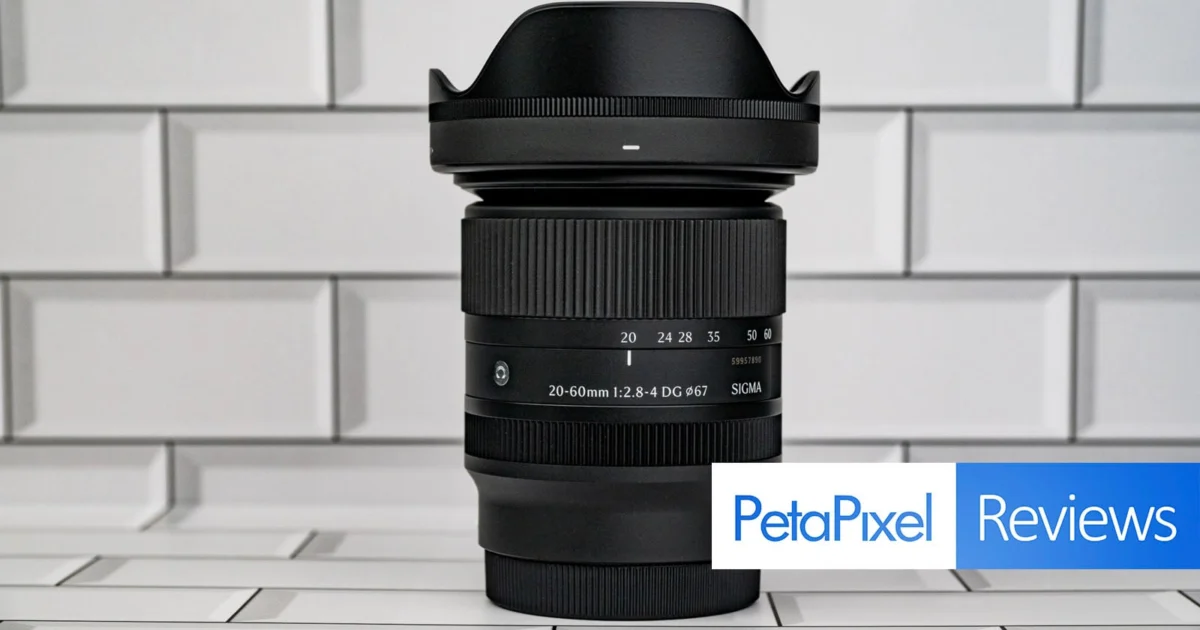
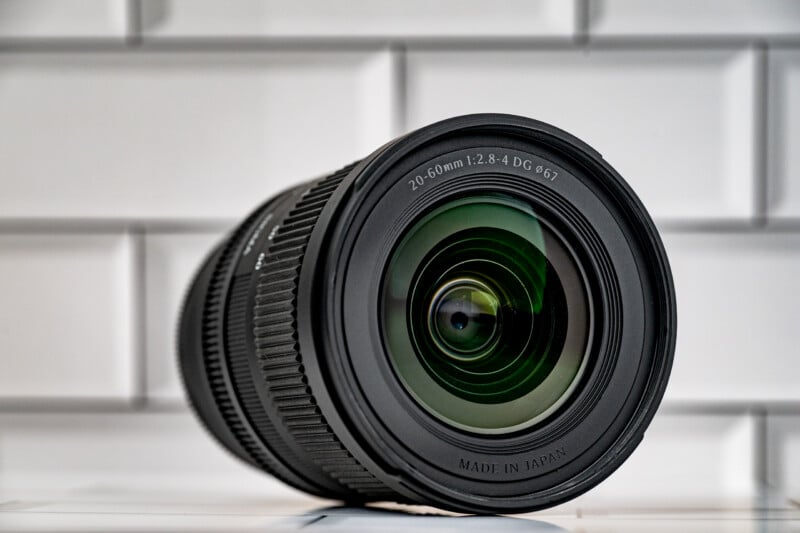
The release of the Sigma 20-60mm f/2.8-4 DG Contemporary lens marks a significant development in the market for full-frame mirrorless optics, specifically for the Sony E-mount and Leica L-mount ecosystems. By balancing a wide 20mm ultra-wide starting point with a variable aperture that reaches f/2.8 at the wider end, Sigma has positioned this product as a direct challenger to established "travel-zoom" lenses. The lens enters a competitive landscape dominated by manufacturers seeking to satisfy the growing demand for single-lens solutions that negate the need for carrying heavy, redundant glass.

Technical Specifications and Design Philosophy
The Sigma 20-60mm f/2.8-4 DG Contemporary is engineered with a primary focus on weight distribution and portability. Weighing approximately 375 grams (13.2 ounces) and utilizing a 67mm filter thread, the lens maintains a compact footprint that aligns with the "Contemporary" series design philosophy. This series is traditionally defined by Sigma as the intersection of high optical performance and compact physical dimensions.
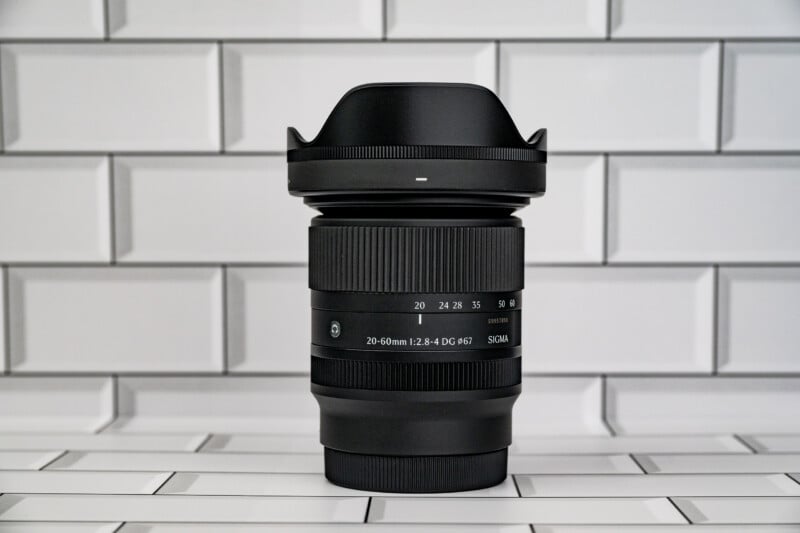
Internally, the lens utilizes a high-speed linear motor to facilitate rapid autofocus acquisition, a critical requirement for both modern hybrid shooters and professional videographers. While the lens lacks built-in optical image stabilization—a standard omission in this specific class of mirrorless lenses to keep the barrel slim—it relies on the high-performance in-body image stabilization (IBIS) systems currently standard in most modern E-mount and L-mount camera bodies.
Market Context and Strategic Positioning
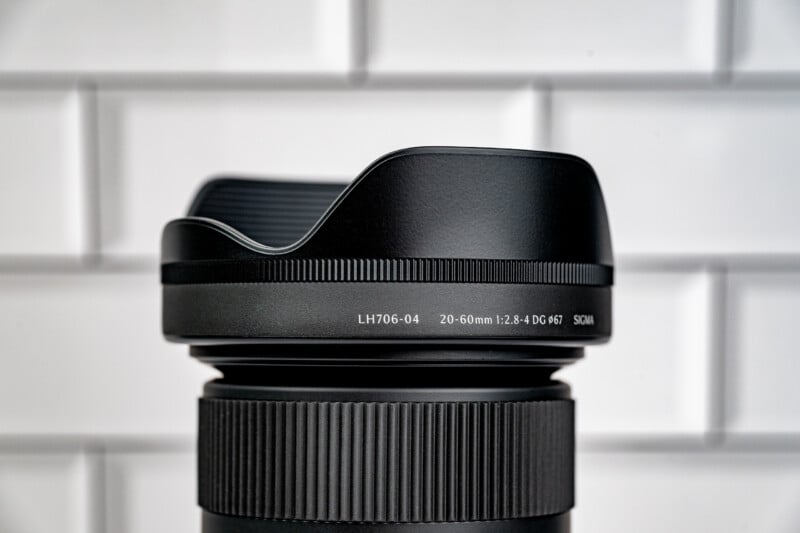
The development of this lens follows a broader industry trend toward wider-than-standard focal lengths. Traditionally, standard zoom lenses began at 24mm. However, consumer demand for vlogging, real estate photography, and architectural documentation has pushed the industry standard toward 20mm.

Sigma’s entry into this segment is strategically timed. The Sony 20-70mm f/4 G, while highly regarded for its constant aperture, carries a premium price point of approximately $1,200. Similarly, the Panasonic 20-60mm f/3.5-5.6, often sold as a kit lens for L-mount systems, provides a cost-effective entry point but lacks the light-gathering capability of the Sigma’s f/2.8 aperture. At a retail price of $849, the Sigma 20-60mm f/2.8-4 occupies a middle ground that provides a faster, more professional-grade aperture at the wide end while remaining significantly more affordable than premium constant-aperture alternatives.
Performance Analysis: Optics and Utility
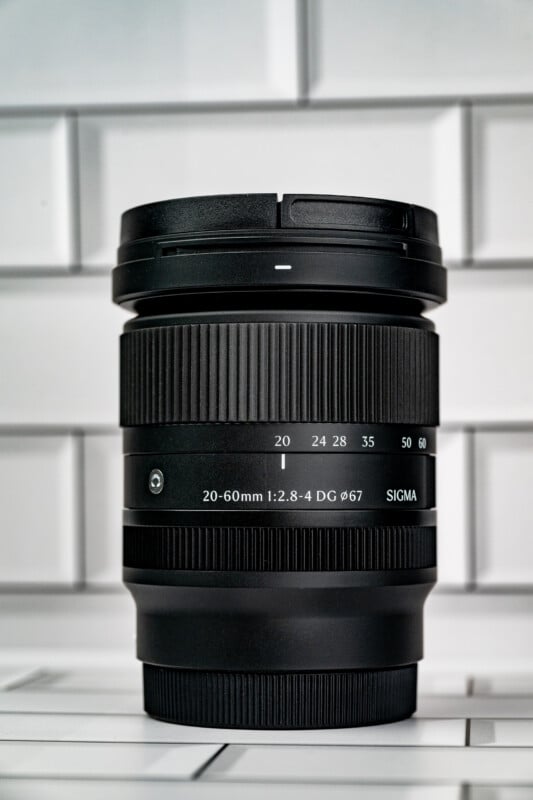
Optical testing reveals that the lens maintains high contrast and sharpness, particularly at the 20mm focal length. While corner softness is present when shooting wide open at f/2.8, the performance improves significantly as the aperture is stopped down to f/5.6. This is a common characteristic of high-performance, compact zooms. The 60mm end of the range shows commendable consistency, providing sharp results in the center of the frame at f/4.
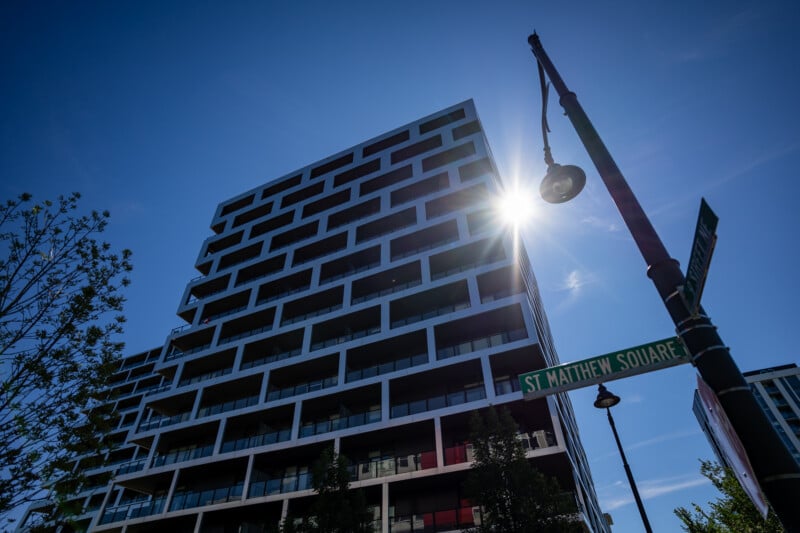
Flare resistance, a hallmark of modern Sigma coatings, remains robust. During testing, the lens demonstrated minimal ghosting, even under challenging backlit conditions. However, the lens does exhibit some longitudinal chromatic aberration (LoCA) at the 20mm f/2.8 setting, though it is easily corrected in post-production. The bokeh quality is functional rather than cinematic; specular highlights occasionally reveal "onion-ring" patterns, which may be a point of consideration for portrait photographers who prioritize smooth, creamy background separation.
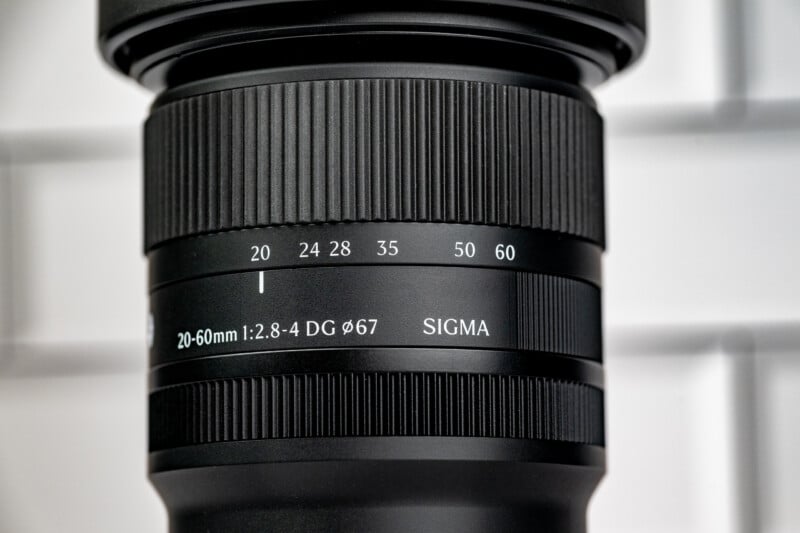
A notable feature for creators is the lens’s macro capability. With a maximum magnification ratio of 1:2.3 at the 35mm mark, the lens allows for tight, detailed close-ups of subjects such as flora or small mechanical components. This capability significantly expands the utility of the lens for field photographers who may not have a dedicated macro lens in their bag.
Implications for Video Production
The video industry has increasingly moved toward gimbal-based stabilization. A major challenge for gimbal operators is the "weight shift" caused by lenses that extend significantly during zooming. The Sigma 20-60mm’s design minimizes this shift, making it a viable candidate for stabilized cinematography.

However, prospective buyers should note the presence of focus breathing. When shifting focus from near to far, the field of view undergoes a minor, observable change. While this is a common trade-off in hybrid-designed lenses, it is a factor that professional cinematographers must account for during focus pulls. Despite this, the inclusion of a high-speed linear motor ensures that the lens tracks subjects accurately during video recording, meeting the needs of modern autofocus-dependent vlogging workflows.

Comparative Landscape
The following table summarizes the competitive position of the Sigma 20-60mm in the current market:

| Feature | Sigma 20-60mm f/2.8-4 | Sony 20-70mm f/4 G | Panasonic 20-60mm f/3.5-5.6 |
|---|---|---|---|
| Aperture | f/2.8-4 | Constant f/4 | f/3.5-5.6 |
| Price | ~$849 | ~$1,200 | ~$599 (varies by kit) |
| Best For | Value/Light gathering | Consistency | Budget/Entry-level |
The Sony 20-70mm remains the superior choice for users who prioritize a consistent exposure profile across the entire zoom range, which is often essential for professional event videography. Conversely, the Panasonic 20-60mm continues to be the most cost-effective option for L-mount users, particularly those who are just beginning their journey into full-frame photography. The Sigma, however, succeeds by providing a "best of both worlds" scenario: the wider f/2.8 aperture for low-light situations and a price point that undercuts the premium Sony offering.

The Evolution of the "Contemporary" Line
Sigma’s "Contemporary" branding has evolved from being perceived as "budget-tier" to representing a highly refined category of high-value tools. By leveraging the advanced glass-molding techniques developed for their flagship "Art" line, Sigma has managed to maintain competitive edge-to-edge sharpness in a smaller, lighter package.

The manufacturing process for this lens involves the use of specialized low-dispersion elements that effectively control color fringing. Furthermore, the weather-sealing on the mount side indicates that the lens is designed for real-world usage, rather than just studio environments. While it lacks the physical AF/MF toggle switch found on more expensive lenses, the omission is a deliberate design choice intended to reduce the size of the lens barrel, reflecting a prioritization of portability over redundant physical controls.
Conclusion and Industry Outlook
The Sigma 20-60mm f/2.8-4 DG Contemporary is a strategic addition to the E-mount and L-mount lineups. By addressing the specific pain points of modern hybrid shooters—namely the need for a wider field of view and better low-light performance without the weight penalty of f/2.8 constant-aperture professional zooms—Sigma has created a versatile, reliable, and reasonably priced piece of equipment.
The lens is particularly well-suited for travel photography, landscape, and vlogging. While it does not outperform specialized prime lenses in bokeh quality or constant-aperture zooms in professional broadcast scenarios, its overall performance-to-weight ratio is difficult to ignore. For the average enthusiast or working professional looking to streamline their gear kit, the Sigma 20-60mm represents a compelling, future-proof investment. As camera manufacturers continue to refine their internal stabilization and autofocus algorithms, the value of lenses like the Sigma 20-60mm, which prioritize optical quality in a compact, usable form factor, will only continue to rise.

