


The American Association of Veterinary State Boards’ Registry of Approved Continuing Education program has officially granted accreditation to a comprehensive webinar focused on foraging and enrichment for avian species, spearheaded by the renowned M. Scott Echols, DVM, DABVP (Avian Practice). This educational initiative, released on March 18, 2026, marks a significant milestone in the ongoing effort to integrate behavioral health into the standard of care for captive birds. By providing one hour of continuing education credit to veterinarians and veterinary technicians, the program addresses a critical gap in traditional veterinary training: the intersection of physiological health, environmental lighting, and the psychological necessity of natural foraging behaviors.
The webinar, hosted by LafeberVet, explores the complex relationship between a bird’s environment and its systemic health, with a specific focus on the role of ultraviolet radiation and the implementation of cognitive challenges. As avian medicine evolves from a reactive, disease-based model to a proactive, welfare-based model, experts like Dr. Echols are increasingly emphasizing that physical ailments in captive birds are often the secondary results of chronic stress and environmental deprivation.
The Evolution of Avian Enrichment and Clinical Standards
The field of avian medicine has undergone a radical transformation over the last three decades. In the late 20th century, veterinary care for companion birds was largely focused on infectious disease management and basic nutrition. However, as the longevity of captive parrots and other avian species increased, practitioners began to see a surge in chronic conditions related to sedentary lifestyles and psychological distress.
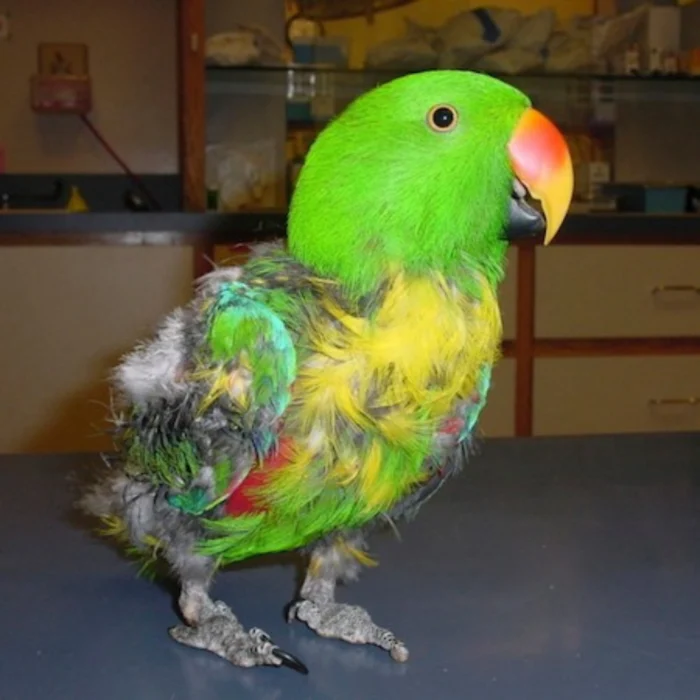
The timeline of this evolution suggests a shift in the early 2010s toward "environmental enrichment" as a formal therapeutic recommendation. What was once considered a luxury or a hobbyist’s pursuit—providing puzzles or varied textures—is now recognized as a medical requirement. Dr. Echols, a diplomate of the American Board of Veterinary Practitioners, has been at the forefront of this movement. His work often highlights that birds in the wild spend between 40% and 60% of their waking hours foraging. In contrast, captive birds often meet their caloric needs in less than 30 minutes, leading to a "behavioral vacuum" that is frequently filled by self-mutilation, excessive vocalization, or aggression.
The accreditation of this webinar by the AAVSB RACE program signifies that the veterinary community now views behavioral enrichment as a science-based discipline. To receive RACE approval, educational content must undergo rigorous peer review to ensure it meets high standards of clinical relevance and scientific accuracy. This validation encourages practitioners to move beyond simple advice and toward prescribing specific enrichment protocols as part of a bird’s treatment plan.
The Physiological Impact of Ultraviolet Radiation and UVB Light
One of the most technical aspects of the curriculum presented by Dr. Echols involves the role of light—specifically ultraviolet (UV) radiation—in avian health. While often categorized as an environmental "extra," light is a fundamental biological requirement. The webinar delves into the specifics of UVB radiation (wavelengths of 290–315 nm), which is essential for the cutaneous synthesis of Vitamin D3.
Data suggests that a significant percentage of captive birds suffer from subclinical hypocalcemia, often due to inadequate UV exposure. Vitamin D3 facilitates the absorption of calcium from the intestines; without it, birds may suffer from metabolic bone disease, poor eggshell quality, and even neurological tremors. Furthermore, birds possess tetrachromatic vision, meaning they can see into the ultraviolet spectrum. For many species, UV-reflective plumage plays a vital role in social signaling and mate selection.
The webinar provides veterinary professionals with the data needed to advise clients on the proper use of artificial lighting. It addresses the common misconception that window glass is sufficient for UV exposure; in reality, most standard glass filters out the majority of beneficial UVB rays. By understanding the radiation requirements of different species, veterinarians can better diagnose and prevent the "indoor-bird syndrome" that plagues many household pets.
Chronology of Avian Behavioral Research
The development of the current foraging and enrichment protocols can be traced through several key research milestones:
- The 1990s – The Recognition of Stereotypies: Early research identified that captive parrots often developed repetitive, non-functional behaviors (stereotypies) due to barren environments.
- 2003 – The Concept of "Contrafreeloading": Studies demonstrated that many birds prefer to work for food even when identical food is freely available, a phenomenon known as contrafreeloading. This discovery revolutionized the approach to feeding captive animals.
- 2010–2018 – Advancements in Avian Vision: Research into the avian eye confirmed the importance of the UV spectrum, leading to a push for full-spectrum lighting in clinical and home settings.
- 2020–2025 – Integration of Technology: The use of advanced imaging and metabolic testing has allowed veterinarians like Dr. Echols to map how enrichment activities reduce cortisol levels and improve overall organ function.
This timeline reflects a deepening understanding of the "whole bird" approach, where the mental state is viewed as inseparable from the physical state.
Supporting Data on Foraging Efficacy
Clinical data presented in the context of avian welfare highlights the dramatic impact of foraging on behavioral health. In a controlled study of psittacines, birds provided with complex foraging opportunities showed a 30% reduction in feather-destructive behaviors compared to a control group with standard bowl feeding. Furthermore, increased activity levels associated with foraging were linked to better cardiovascular health and lower instances of obesity-related pododermatitis (bumblefoot).
Veterinarians are now using these statistics to justify the "prescriptive" nature of enrichment. Rather than suggesting a owner "buy a toy," the practitioner might prescribe a specific "foraging ladder" or a "shredding station" designed to stimulate specific muscle groups and cognitive pathways. This data-driven approach elevates enrichment from a suggestion to a medical necessity.
Official Responses and Professional Implications
The veterinary community has responded with widespread support for the formalization of enrichment education. Representatives from the Association of Avian Veterinarians (AAV) have frequently noted that "behavioral health is health," suggesting that the absence of enrichment should be viewed as a welfare deficiency.
While the AAVSB does not comment on individual webinar content, the RACE approval process itself serves as an official endorsement of the material’s educational value. For veterinary technicians, who are often the primary educators for pet owners, this one-hour credit provides the tools necessary to conduct "wellness audits" during routine exams. These audits assess the bird’s cage environment, light exposure, and foraging opportunities, allowing the technician to offer concrete, science-based improvements.
Dr. Echols’ involvement is particularly significant given his reputation as a "veterinarian’s veterinarian." Known for his meticulous approach to avian anatomy and surgery, his advocacy for enrichment carries weight with practitioners who might otherwise dismiss behavioral health as "soft science." His endorsement bridges the gap between high-tech surgical intervention and the foundational needs of the avian patient.
Broader Impact and Future Implications for the Industry
The release of this accredited webinar has implications that reach far beyond the individual veterinary clinic. As more practitioners become educated in these protocols, the demand for scientifically designed enrichment products is expected to rise. This, in turn, pressures the pet manufacturing industry to move away from purely aesthetic toys and toward items that serve a documented behavioral purpose.
Moreover, the emphasis on UVB radiation and light quality is likely to drive innovation in the lighting industry. Manufacturers are being challenged to produce bulbs that provide consistent, safe levels of UV radiation without the risk of thermal burns or retinal damage.
For the pet owner, the shift toward accredited enrichment education means that the advice they receive from their veterinarian will be more standardized and evidence-based. This reduces the reliance on anecdotal information found on social media and ensures that the bird’s environment is optimized for its specific biological needs.
In conclusion, the "Foraging and Enrichment" webinar by M. Scott Echols, DVM, DABVP, represents a critical step in the professionalization of avian welfare. By integrating the physics of light with the psychology of foraging, the program provides a holistic framework for modern avian care. As the veterinary community continues to embrace these standards, the goal of moving captive birds from a state of mere survival to one of true thriving becomes increasingly attainable. This initiative underscores the fact that in the world of avian medicine, the environment is just as important as the medicine in the bottle. Through rigorous continuing education and a commitment to scientific inquiry, the veterinary profession is ensuring a brighter, more stimulated future for the birds in its care.

