


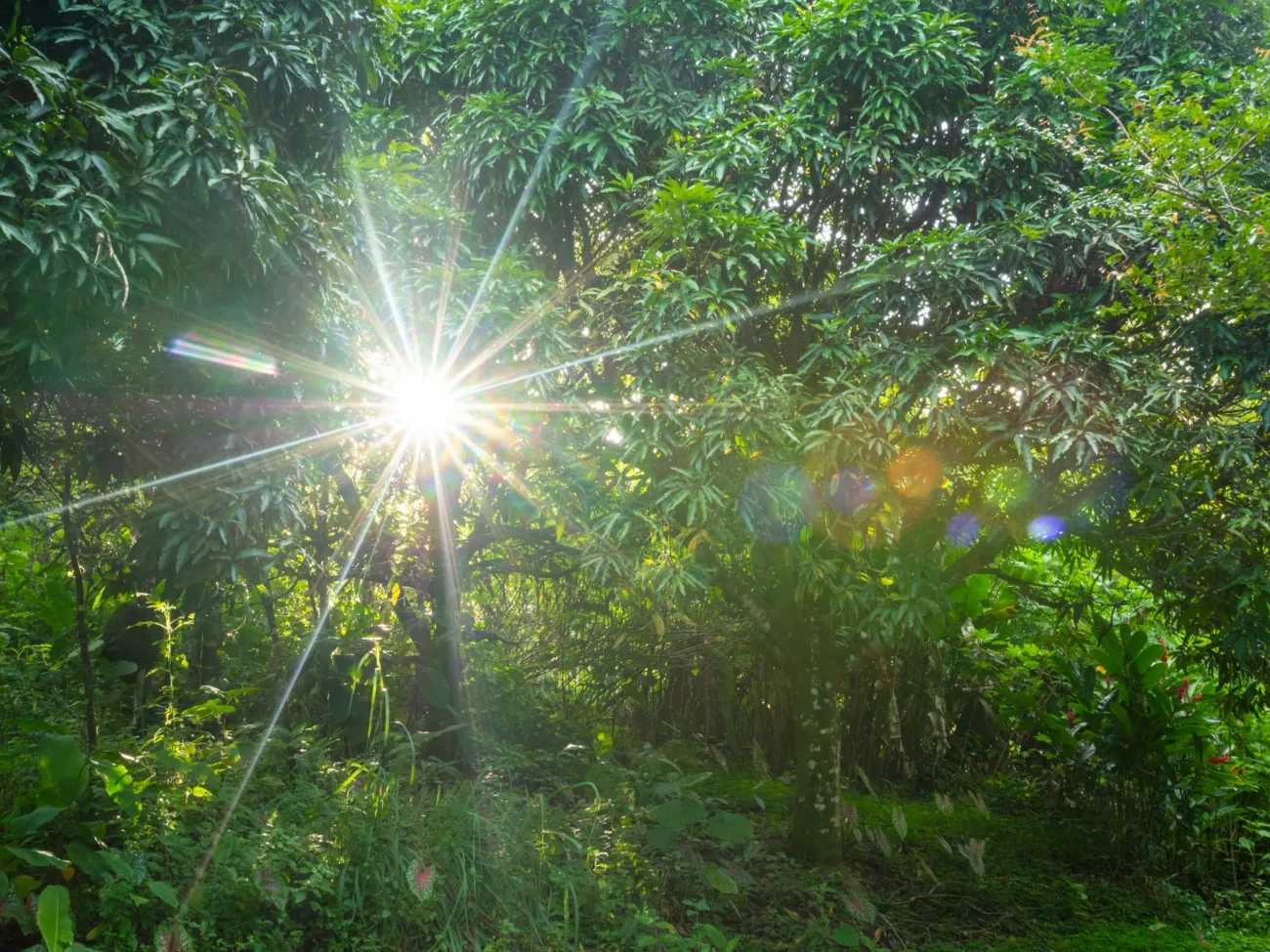
For decades, the Atlantic Forest, a globally significant biodiversity hotspot stretching along Brazil’s eastern coast and into parts of Paraguay and Argentina, has been under immense pressure. Deforestation driven by relentless agricultural expansion, primarily cattle ranching and sugarcane cultivation, coupled with pervasive land-use change, has drastically diminished its original expanse. Today, an alarming statistic underscores the severity of this transformation: more than 80% of this vital biome has vanished. What remains are fragmented forest patches, isolated islands of green that, against all odds, continue to harbor extraordinary biodiversity, including hundreds of bird species found nowhere else on Earth. Yet, the narrative of the Atlantic Forest is not solely one of loss and devastation. It is also a powerful testament to human persistence and the enduring spirit of conservation.
The Scale of Loss and the Seeds of Hope
The initial extent of the Atlantic Forest biome was estimated to be around 1.3 million square kilometers. This rich ecosystem, renowned for its high endemism and intricate ecological webs, has been systematically reduced by human activities since colonial times. The expansion of coffee plantations in the 19th century and the subsequent growth of cattle ranching and, more recently, vast sugarcane monocultures, have been primary drivers of this habitat destruction. This fragmentation has severe consequences for wildlife, isolating populations, hindering gene flow, and increasing vulnerability to extinction. Species like the golden lion tamarin and the Lear’s macaw are poignant examples of wildlife pushed to the brink by habitat loss.

However, amidst this sobering reality, the concept of "persistence" emerges as a defining characteristic of the Atlantic Forest’s ongoing story. This persistence is not merely a passive survival; it is an active struggle fueled by dedicated individuals, local communities, and international conservation organizations working collaboratively to safeguard what remains and to foster its recovery. This proactive approach was recently underscored by a significant regional workshop organized by BirdLife International and its esteemed partners: Aves Argentinas, Guyra Paraguay, and SAVE Brasil.
A Collaborative Push for Action in Northeastern Brazil
In northeastern Brazil, a region particularly emblematic of the Atlantic Forest’s fragmentation, this crucial workshop convened. The gathering focused on advancing the Atlantic Forest Action Plan, a strategic initiative designed to address the multifaceted challenges facing the biome. The plan is built upon three interconnected and mutually reinforcing priorities: protection, restoration, and sustainable land use. These pillars represent a holistic approach, recognizing that conservation efforts must be integrated with the socio-economic realities of the people who live in and around these precious forest remnants.
The workshop was more than just a series of meetings and technical discussions. It was designed to be deeply immersive, grounding participants in the very landscapes where conservation is happening on the ground. This experiential learning component is vital for fostering understanding, building solidarity, and identifying practical solutions.

Conservation and Livelihoods: A Symbiotic Relationship
The team’s journey took them across fragmented forest areas in the states of Alagoas and Pernambuco, states that bear significant scars from historical land-use practices. Here, they had the invaluable opportunity to meet and engage with the individuals and projects that are the bedrock of ongoing conservation efforts. These encounters provided a firsthand glimpse into the challenges and triumphs of sustaining ecological integrity while supporting human well-being.
One such inspiring figure was João Evangelista, a local producer whose family has embarked on a remarkable transformation of their land. Guided by his father’s legacy, João has cultivated a thriving example of agroforestry, a system that integrates trees and shrubs into crop and animal farming systems. In a region historically dominated by the stark, low-biodiversity landscapes of cattle ranches and sugarcane fields, João’s work offers a compelling alternative. It demonstrates that production and conservation are not mutually exclusive forces; rather, they can be complementary and mutually beneficial.
On João’s land, the vibrant green of banana trees intermingles with native vegetation, while the cultivation of cacao and coffee diversifies the agricultural output and enriches the soil. The gradual return of the forest to areas that were once cleared is a visible manifestation of this successful integration. For João, this process of restoration extends far beyond simply planting trees. It encompasses the vital task of protecting water sources, enhancing crop resilience, naturally managing pests, and, crucially, creating pathways for younger generations to remain connected to their rural heritage and livelihoods.

João eloquently articulated the intrinsic link between trees, biodiversity, and land health during the team’s visit: "Where there are trees, there are birds," he explained. "And where there are birds, the land becomes healthier." This simple yet profound statement encapsulates the ecological wisdom that is often embedded within local communities and traditional knowledge systems.
People: The Guardians of the Forest’s Future
The collaborative efforts extend to the vital work being done at the Reserva Particular do Patrimônio Natural (RPPN) Pedra D’Antas. This private reserve, diligently protected by SAVE Brasil for over two decades, stands as a beacon of hope within the fragmented landscape. Tucked away amidst the remaining forest patches, RPPN Pedra D’Antas is a sanctuary for an astonishing array of life, sheltering more than 250 bird species, including 14 that are globally threatened. Beyond avian life, the reserve is a haven for mammals, amphibians, and unique endemic plant species that continue to persist despite the pervasive pressures of habitat fragmentation.
At Pedra D’Antas, the team encountered a dedicated group of individuals whose lives and livelihoods are inextricably woven into the fabric of conservation. Local guides, park rangers, researchers, and members of the surrounding communities shared their experiences, illustrating how conservation has become an integral part of their daily lives. Their work encompasses not only the direct protection of the forest but also the development of sustainable tourism, the implementation of restoration projects, and the long-term stewardship of the territory.

The conservation efforts at Pedra D’Antas are not episodic events; they represent a sustained and unwavering commitment – a daily undertaking. These are individuals who possess an intimate understanding of these forests, their delicate ecosystems, and the complex challenges they face. They continue their vital work of protection even as the pressures on the surrounding landscape intensify.
A Network of Resilience: Partnerships and Collective Action
The survival of the Atlantic Forest, though now existing in fragmented remnants, is not a story of isolated pockets of nature. Instead, these fragments are deeply interconnected through a robust network of people, strategic partnerships, and collective action that transcends geographical and political borders. This collaborative spirit is the engine driving the region’s conservation agenda.
The recent workshop, by bringing together BirdLife International and its partners, exemplifies this cross-border collaboration. Aves Argentinas, Guyra Paraguay, and SAVE Brasil, each with their unique expertise and regional focus, are united by a common goal: to secure a future for the Atlantic Forest. This multi-stakeholder approach is essential for addressing a problem of such immense scale and complexity.

The implications of these sustained conservation efforts are far-reaching. Beyond the preservation of biodiversity, these initiatives contribute to the maintenance of vital ecosystem services, such as water regulation, soil conservation, and climate mitigation. Furthermore, by fostering sustainable land-use practices and ecotourism, they create economic opportunities for local communities, demonstrating that environmental protection can be a pathway to prosperity.
The story of the Atlantic Forest is a powerful reminder that even in the face of overwhelming environmental degradation, the human spirit’s capacity for resilience, innovation, and collective action can forge a path toward recovery. Within these fragmented yet interconnected forest remnants, something far more profound than biodiversity persists: it is the unwavering decision to resist, to protect, and to restore, ensuring that this irreplaceable natural heritage endures for generations to come. The ongoing efforts underscore a critical analysis: the future of the Atlantic Forest hinges not only on scientific research and policy interventions but, more importantly, on the sustained commitment and empowered action of the people who are its most ardent guardians.
© All photos by Juan F. Ricaurte.

