


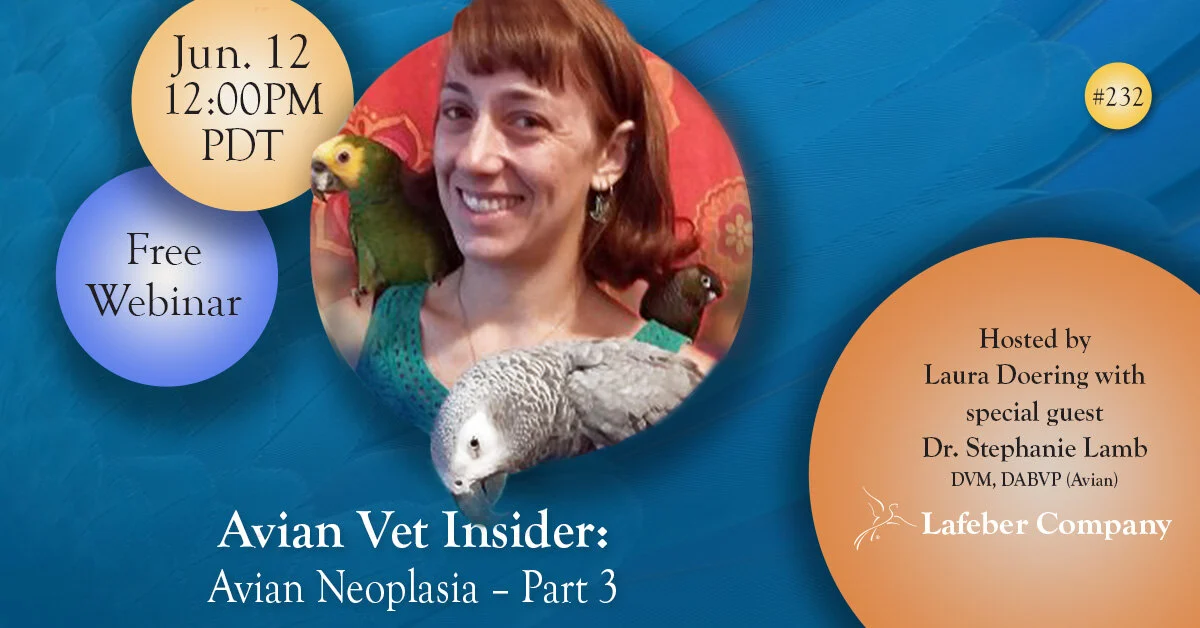
The final installment of a pivotal three-part webinar series on avian neoplasia, presented by esteemed avian veterinarian Dr. Stephanie Lamb, is scheduled for Friday, June 12, 2026, at 12:00 p.m. PDT. This concluding session promises to delve deeper into the complex landscape of tumor types affecting pet birds, building upon previous discussions of skin, reproductive, and other organ systems to explore additional anatomical areas susceptible to neoplastic processes. Organized to empower both veterinary professionals and avian enthusiasts, the webinar aims to provide crucial insights that can guide more informed care and decision-making in the face of challenging cancer diagnoses in avian companions.
Understanding Avian Neoplasia: A Growing Concern in Veterinary Medicine
Avian neoplasia, the uncontrolled proliferation of abnormal cells forming tumors, represents a significant and often under-recognized health challenge in the field of avian medicine. While historically perceived as less common than in mammals, increasing diagnostic capabilities, longer lifespans of pet birds, and a deeper understanding of avian pathology have revealed that cancer is a prevalent and serious concern across numerous avian species. These conditions can range from benign growths that may require monitoring to aggressive malignancies that profoundly impact a bird’s quality of life and longevity. The term "neoplasia" encompasses a vast spectrum of diseases, manifesting in various forms such as carcinomas, sarcomas, lymphomas, and specific types like lipomas or papillomas, each with distinct biological behaviors and prognostic implications.
The importance of addressing avian neoplasia stems from several factors. Firstly, the unique physiology and anatomy of birds often make diagnosis challenging. Symptoms can be subtle and non-specific, mimicking other diseases, leading to delays in identification. Secondly, treatment options, while evolving, are often limited by the small size of the patients, their inherent stress response to handling, and the specialized expertise required for surgical or medical interventions. Thirdly, the emotional and financial burden on bird owners can be substantial, underscoring the need for comprehensive education that enables them to understand the disease process, evaluate treatment options, and provide optimal palliative care when curative measures are not feasible. Educational initiatives like Dr. Lamb’s series are therefore vital in bridging knowledge gaps and fostering a more proactive approach to avian oncology.
The Webinar Series: A Chronology of Comprehensive Learning
This upcoming session marks the culmination of a meticulously structured three-part series designed to offer a progressive and in-depth understanding of avian neoplasia. While the specific content of the preceding parts is inferred, a logical progression would suggest the following:
-
Part 1: Foundations of Avian Oncology and Diagnostic Approaches. This initial session likely introduced the fundamental concepts of neoplasia in birds, differentiating between benign and malignant growths, and discussing common predisposing factors such as genetics, diet, environmental toxins, and viral infections. Crucially, it would have covered various diagnostic methodologies, including physical examination techniques tailored for avian patients, advanced imaging modalities like radiography, ultrasonography, computed tomography (CT), and magnetic resonance imaging (MRI), as well as the critical role of cytology and histopathology for definitive diagnosis. Emphasis would have been placed on early detection strategies and the interpretation of diagnostic findings.
-
Part 2: Common Avian Cancers and Systemic Manifestations. Building upon the diagnostic framework, the second part of the series would have likely delved into specific, frequently encountered neoplastic conditions affecting common organ systems. This would include detailed discussions on skin tumors (e.g., xanthomas, papillomas, basal cell carcinomas), reproductive tract tumors (e.g., ovarian cysts, oviductal adenocarcinomas common in female birds, testicular tumors), and possibly gastrointestinal or hepatic neoplasms. Each condition would have been explored in terms of its clinical presentation, preferred diagnostic pathways, and an overview of current therapeutic strategies, including surgical resection, cryosurgery, and the nascent application of chemotherapy or radiation therapy in avian patients.
-
Part 3: Expanding Horizons – Advanced and Systemic Neoplasia, Management, and Prognosis. The upcoming final installment is poised to consolidate and expand upon the knowledge base established in the preceding webinars. This session will move beyond the more commonly discussed sites to explore additional, perhaps less frequent but equally significant, areas of the body that may be affected by tumors. This could include, but is not limited to, musculoskeletal tumors (osteosarcomas, fibrosarcomas), renal neoplasms, neurological tumors, or multi-systemic conditions like lymphoma. The discussion will likely integrate comprehensive management strategies, including advanced surgical techniques, the nuances of chemotherapy and radiation therapy in avian patients, and the critical role of supportive care, pain management, and nutritional support. A significant component is expected to be dedicated to prognosis, quality-of-life considerations, and the ethical dilemmas faced by both veterinarians and owners when confronting advanced or incurable avian cancers. The session’s focus on "additional areas of the body that may be involved" suggests a holistic approach, ensuring attendees gain a complete picture of avian oncological challenges.
Dr. Stephanie Lamb: A Leading Voice in Avian Medicine
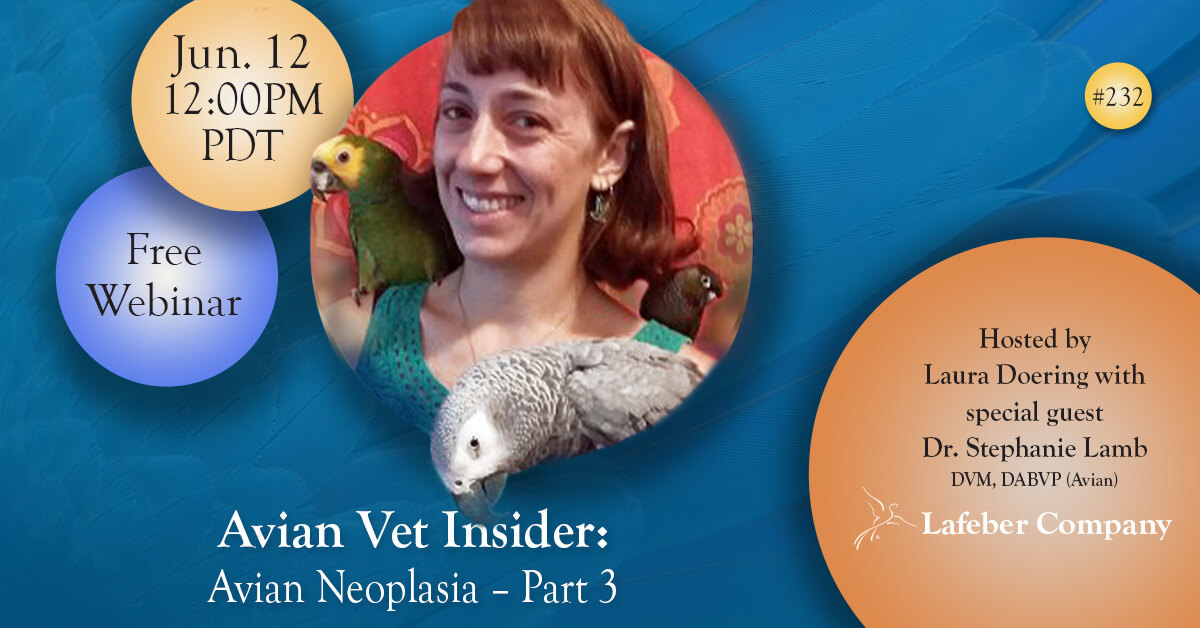
Dr. Stephanie Lamb is recognized as a distinguished figure in the realm of avian veterinary medicine, making her an exceptionally qualified expert to lead this comprehensive series. While specific biographical details beyond her name are not provided in the original content, her selection as a presenter for such a specialized and critical topic strongly implies a wealth of experience, advanced training, and a reputation for excellence within the avian veterinary community. Typically, specialists presenting on such topics hold board certification in avian practice (e.g., Diplomate of the American Board of Veterinary Practitioners, Avian Practice), possess extensive clinical experience in treating a wide array of avian species, and are actively involved in research, teaching, or publishing within the field.
Her expertise likely encompasses not only the diagnosis and treatment of avian diseases but also a deep understanding of avian physiology, pathology, and husbandry, all of which are crucial for effective oncology. Dr. Lamb’s ability to distill complex medical information into an accessible format for a diverse audience, ranging from seasoned veterinarians to dedicated bird owners, underscores her pedagogical skills and commitment to advancing avian health knowledge. Her presentations are anticipated to be grounded in the latest scientific research and clinical best practices, providing attendees with actionable insights and evidence-based recommendations.
Supporting Data and the Scope of Avian Cancer
While precise, universally accepted epidemiological data on avian neoplasia prevalence remains challenging to compile due to the vast diversity of avian species, varying husbandry practices, and inconsistencies in diagnostic reporting, several studies and clinical observations highlight its significance. Certain species, such as budgerigars (Melopsittacus undulatus), cockatiels (Nymphicus hollandicus), and Amazon parrots (Amazona spp.), are anecdotally and sometimes statistically noted to have higher incidences of specific tumor types. For example, renal adenocarcinomas and lipomas are relatively common in budgerigars, while reproductive tract tumors are frequently observed in older female psittacine birds, particularly cockatiels and budgerigars. Skin tumors, including squamous cell carcinomas and fibrosarcomas, can affect a wide range of species.
The diagnostic journey for avian cancer patients is often intricate. Unlike mammalian patients where a larger body size allows for easier tissue sampling and less invasive procedures, avian patients present unique challenges. The small body mass necessitates extreme precision in biopsies, and general anesthesia carries higher risks. Furthermore, the rapid metabolism of birds can alter drug pharmacokinetics, making chemotherapy protocols difficult to standardize and often requiring careful individual titration. The cost associated with specialized diagnostics (endoscopy, advanced imaging, histopathology) and treatments can also be a barrier for owners, highlighting the need for veterinarians to offer clear communication and realistic expectations regarding prognosis and financial commitments.
Implications for Bird Owners and Veterinary Professionals
The educational value of Dr. Lamb’s webinar series for both avian owners and veterinary professionals cannot be overstated. For bird owners, understanding avian neoplasia demystifies a frightening diagnosis. It equips them with the knowledge to recognize potential warning signs, engage in informed discussions with their veterinarians, and make compassionate decisions regarding their pet’s care, whether it involves aggressive treatment or palliative support. This empowerment fosters a proactive approach to avian health, potentially leading to earlier detection and better outcomes. Furthermore, learning about the various types of tumors, their prognoses, and available treatment options can help owners navigate the emotional complexities associated with a cancer diagnosis, reducing feelings of helplessness and promoting a sense of control over their pet’s well-being.
For veterinary professionals, especially those in general practice who may not specialize in avian medicine, the webinar provides an invaluable opportunity for continuing education. It offers updated information on diagnostic protocols, expands their knowledge of less common avian tumor types, and refines their understanding of current treatment modalities. This enhanced knowledge base translates directly into improved patient care, allowing veterinarians to offer more accurate diagnoses, develop more effective treatment plans, and provide more comprehensive client education. The series undoubtedly aids in standardizing and elevating the level of avian oncological care available across the veterinary landscape. Given the rapid advancements in veterinary medicine, continuous learning in specialized areas like avian oncology is crucial for maintaining clinical competency and offering cutting-edge care.
Broader Impact and Future Outlook for Avian Oncology
The successful execution of educational initiatives such as Dr. Lamb’s webinar series has a broader ripple effect on the field of avian medicine. By disseminating specialized knowledge to a global audience via virtual platforms like Zoom, it fosters a community of informed practitioners and owners, leading to improved outcomes for avian patients worldwide. This increased awareness and education can stimulate further research into avian cancer, potentially leading to the development of novel diagnostic tools, more targeted therapies, and preventative strategies. Collaborations between academic institutions, veterinary pharmaceutical companies, and specialist practitioners are often catalyzed by such widespread educational efforts.
The commitment of organizations like Lafeber, which hosts these educational events, underscores a growing recognition of the importance of avian health within the broader pet care industry. As pet birds continue to gain popularity and live longer lives, the demand for specialized veterinary care, including oncology, will undoubtedly increase. By providing accessible, high-quality information, these webinars contribute significantly to the professional development of veterinarians and elevate the standard of care for avian companions. The ongoing evolution of diagnostic technologies, coupled with a deeper understanding of avian genetics and immunology, holds promise for future breakthroughs in the fight against avian neoplasia. Ultimately, the cumulative impact of such educational endeavors is a healthier, more vibrant future for avian populations under human care.

