


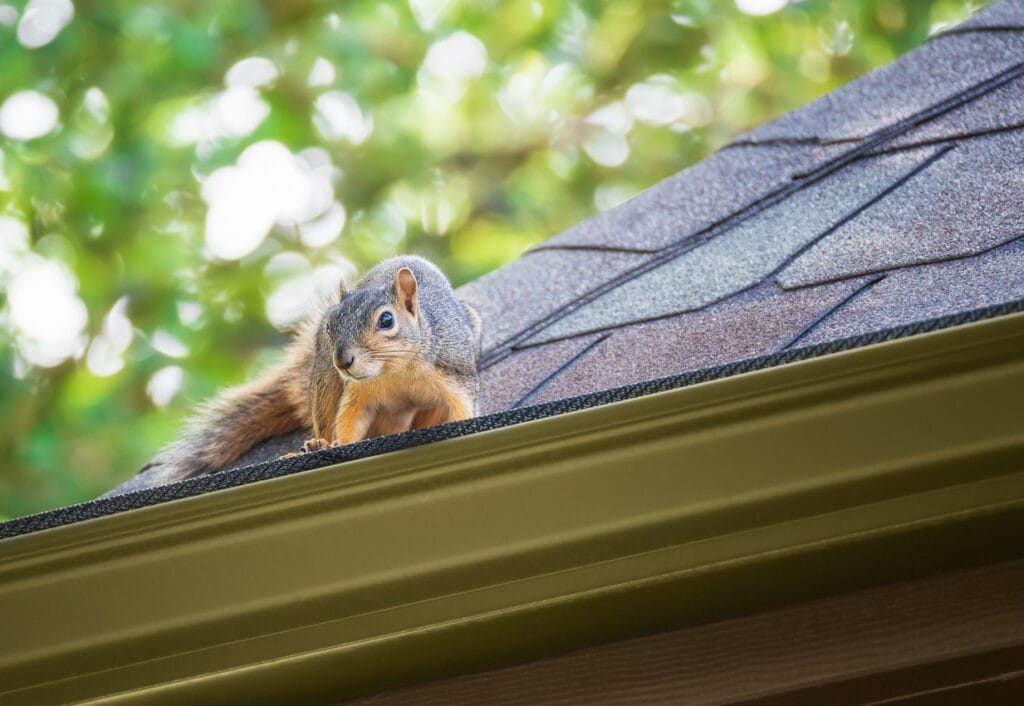
Squirrels, with their remarkable agility and unwavering determination, are the undisputed acrobats of the backyard. Their keen interest in birdseed and nuts often pits them against their avian counterparts, leading to a perpetual tug-of-war over nature’s bounty. While the sight of these furry creatures can be charming, their persistent raids on bird feeders present a common dilemma for nature enthusiasts aiming to attract birds while simultaneously deterring these opportunistic mammals. The fundamental question for many remains: do birds and squirrels coexist peacefully, or is conflict inevitable?
The reality is that birds and squirrels often share a mutual interest, particularly when it comes to readily available food sources like bird feeders. This shared appetite, however, is precisely where the harmony breaks down. In areas with a significant squirrel population, regular skirmishes at bird feeders are not uncommon. These confrontations are rarely an even match. Squirrels, being considerably larger and more robust than most backyard birds, typically assert their dominance, often scaring away smaller avian visitors and claiming the entire feeder for themselves. Their impressive leaping ability, capable of covering over ten feet, combined with their exceptional climbing and digging skills, makes them formidable adversaries. Furthermore, their intelligence and learning capacity mean they quickly adapt to new challenges, relentlessly pursuing their culinary goals. This persistence can even extend to physically damaging feeders, with squirrels known to gnaw through wood and plastic in their quest for a meal.
Squirrels and the Allure of the Bird Feeder
The appeal of high-quality birdseed extends equally to squirrels. Popular choices like black oil sunflower seeds, various nuts, and suet are equally prized by both species. While some individuals appreciate the entertaining antics of squirrels and may even welcome their presence in their gardens, many bird watchers view them as unwelcome pests that disrupt the delicate balance of their carefully curated feeding stations.
Birds, by nature, are generally more accommodating towards their own kind, often sharing feeders with a diverse array of species. Squirrels, however, possess a different disposition. Their voracious appetites and dominant personalities often lead them to aggressively chase away birds, consuming all the available food and leaving the feeder completely depleted. This can leave native bird populations struggling to find adequate sustenance. The author’s observation notes the persistent nature of squirrels, highlighting instances where their efforts to access feeders result in significant damage to plastic or wooden structures, rendering them unusable. Beyond simply consuming birdseed, squirrels can also pose a predatory threat to nesting birds. Their tendency to prey on bird eggs or newly hatched chicks can make gardens with a high squirrel population less attractive to nesting species, impacting local biodiversity.
Strategies for Protecting Your Bird Feeders
The challenge of protecting bird feeders from squirrels is a nuanced one, requiring a tailored approach based on feeder type and garden layout. Squirrels are notoriously cunning, and a multi-pronged strategy is often necessary to outwit them. Some enthusiasts have even resorted to elaborate obstacle courses designed to test a squirrel’s ingenuity before it reaches its prize.
Strategic Location: The First Line of Defense
The most crucial element in deterring squirrels is the strategic placement of bird feeders. To make access difficult, feeders should be situated far from potential launch points such as porches, gutters, wires, and trees. This distance forces squirrels to make longer, more challenging jumps, reducing their likelihood of success. A recommended practice is to mount feeders on smooth metal poles, ideally about six feet off the ground. Additionally, maintaining a clear perimeter by pruning bushes and branches within a twelve-foot radius of the feeder can significantly restrict squirrel access.
Caging: Creating a Squirrel-Proof Barrier
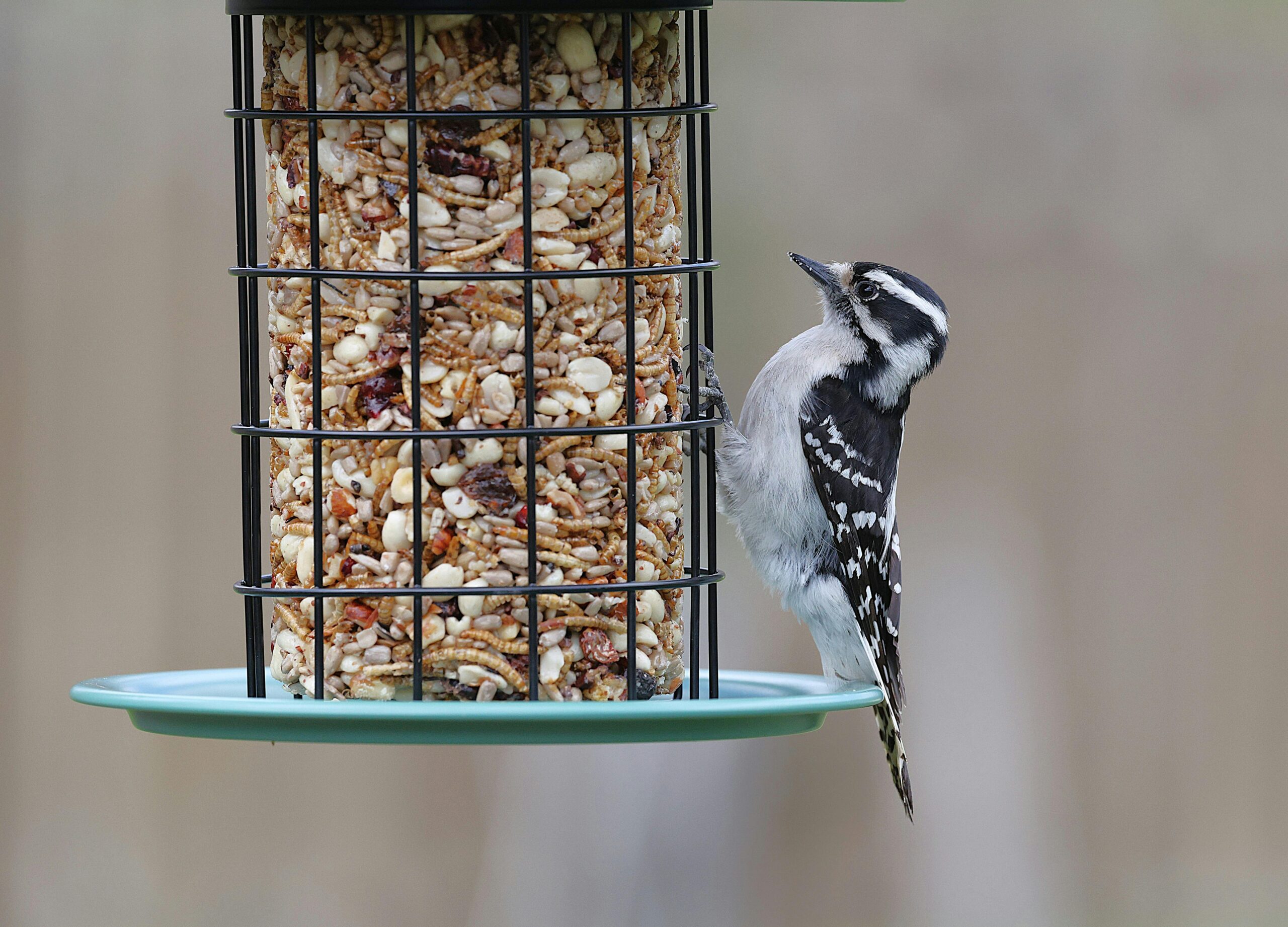
For smaller backyards where isolating feeders is not feasible, caging offers an effective solution. Wrapping a feeder in chicken wire with appropriately sized holes can allow smaller birds to feed freely while excluding squirrels. This method also serves the dual purpose of deterring larger, more aggressive birds like pigeons and starlings. For those seeking a ready-made solution, commercially available "squirrel-proof" feeders often incorporate protective caging.
Tilting and Spinning Mechanisms: The Element of Surprise
Specially designed feeders that tilt or spin when a squirrel attempts to climb onto them can be highly effective. These mechanisms unbalance the squirrel, making it incredibly difficult for them to reach the food. The resulting acrobatics can provide an entertaining spectacle for observers, but the primary function is to deter the unwanted feeder guests.
Spinner Wires: A Treacherous Path
Another innovative method involves hanging feeders from a thin, horizontal wire equipped with spinners. These spinners, which can be fashioned from materials like short pieces of pipe or sewing thread spools, rotate when a squirrel attempts to traverse the wire. This disorients the animal, causing it to lose its footing and fall, thus preventing access to the feeder.
Baffles: The Dome of Defense
Baffles, typically dome-shaped guards made of smooth plastic or metal, can be installed above or below bird feeders to prevent squirrels from reaching the seed. These baffles, available commercially or constructible at home, should be at least 15 inches wide and sloped downwards to prevent squirrels from reaching around them. Many baffles are designed to spin or twirl under a squirrel’s weight, further destabilizing the animal and keeping it away from the food.
Maintaining a Clean Feeding Environment
Regular cleaning of the area beneath bird feeders is essential. Removing spilled seeds and debris eliminates scavenging opportunities for squirrels and prevents the accumulation of old or potentially contaminated food, which can be unhealthy for birds and other wildlife.
Feeder Design: Built for Resilience
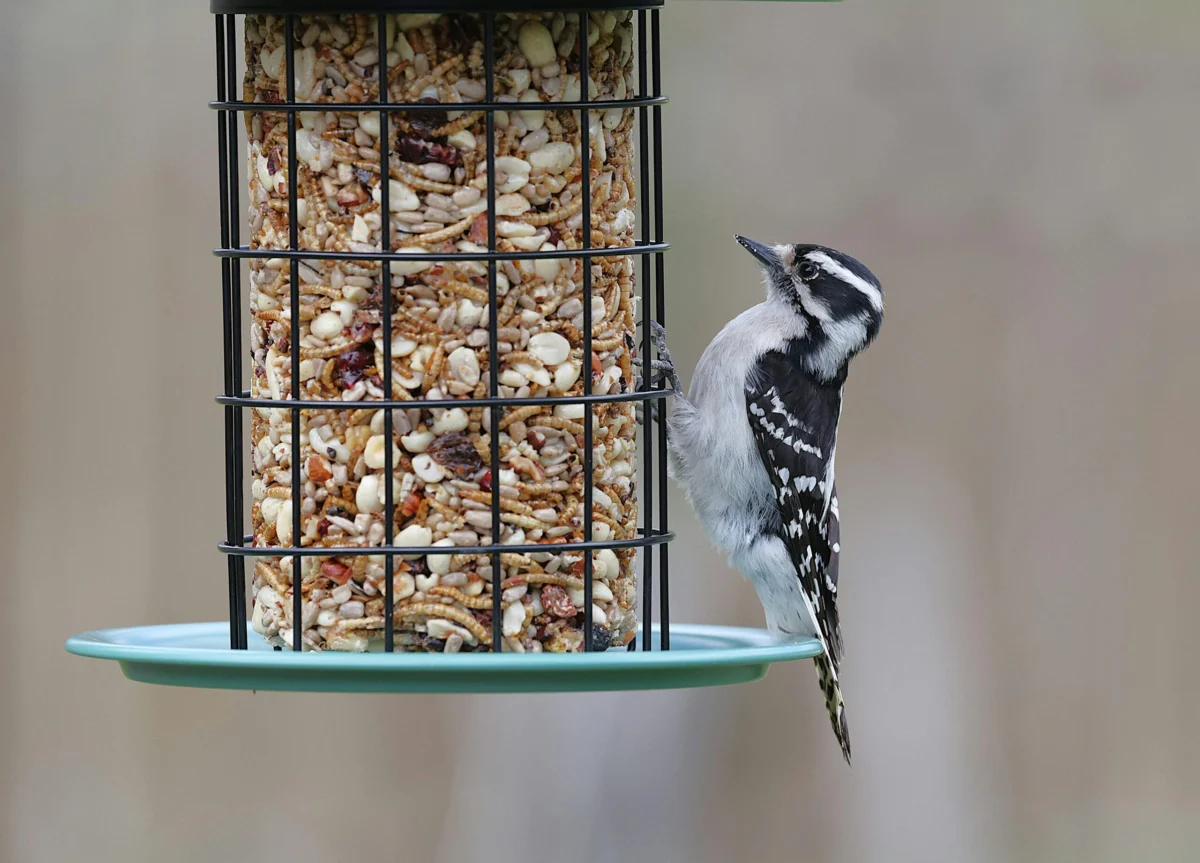
In cases where squirrels have caused significant damage to feeders, investing in specially designed squirrel-proof models is advisable. These feeders often feature weight-activated doors or hatches that close when a heavier animal, like a squirrel, lands on them, while remaining accessible to lighter birds. Additionally, feeders constructed from metal or featuring robust, thick designs are more resistant to squirrel damage.
Seed Selection: A Matter of Taste
While squirrels are attracted to most birdseed varieties, they tend to avoid seeds with a bitter taste, such as nyjer or safflower seeds. Incorporating these into your birdseed mix can help attract birds while deterring squirrels.
The Spicy Solution: A Natural Deterrent
Mammals, including squirrels, are sensitive to the capsaicin found in peppers and chili powders, while birds are unaffected. Sprinkling cayenne pepper or similar spices onto birdseed can effectively deter squirrels. However, it’s important to note that rain can wash away the spice, requiring regular reapplication. Pre-treated chili seeds or suet are also available from some retailers. When handling spices, it is advisable to wear gloves and avoid inhaling the dust.
Humane Trapping and Relocation: A Last Resort
For persistent and problematic squirrel infestations, contacting local wildlife authorities for guidance on humane trapping and relocation methods may be necessary. It is crucial to adhere to all local wildlife laws and regulations.
Eliminating Shelter: Reducing Appeal
Squirrels are less likely to frequent areas with readily available shelter. Removing potential nesting sites around your home, such as in sheds, attics, or under eaves, can encourage them to seek habitats elsewhere.
What NOT to Do: Ethical Considerations
While the persistence of squirrels can be frustrating, it is vital to remember their role in the ecosystem and to avoid any methods that could cause them harm. Hunting, poisoning, or otherwise endangering squirrels is unethical and often illegal. The author emphasizes that poisoned bait can inadvertently harm birds and other wildlife, and predators that consume poisoned squirrels can also become seriously ill or die. Furthermore, releasing cats to hunt squirrels is ill-advised, as cats may indiscriminately prey on birds and other native fauna. Coating feeder poles with oil or grease is also discouraged, as it can cause illness or make birds more vulnerable if they come into contact with it.
Conclusion: Coexistence and Creative Solutions
If deterring squirrels proves to be an insurmountable challenge, temporarily removing bird feeders for a few days or weeks can sometimes redirect their attention. However, they are likely to return once feeders are reinstated. It’s important to acknowledge that achieving complete squirrel-proofing can be difficult.
An alternative approach to the constant struggle of squirrel deterrence is to establish a dedicated feeding station for them. Offering squirrels nuts, corn, and berries can create an attractive "take-out" option, allowing birds to feed undisturbed.
Squirrels are an integral part of the natural world, possessing fascinating characteristics and skills. They share the garden with birds, insects, and other creatures, and their presence is as valid as any other. Observing squirrels can be as rewarding as watching birds, offering insights into their complex behaviors and adaptations. Ultimately, while various methods exist to keep squirrels away from bird feeders, occasional visits are an expected part of backyard wildlife observation.
Happy feeding and watching!
FAQ
Do squirrels kill birds?
While squirrels are primarily vegetarian and do not typically hunt birds for food, they may injure a bird if they feel threatened. However, they are known to consume bird eggs from unattended nests or prey on nestlings, especially if the opportunity arises.
Do birds kill squirrels?
Yes, birds of prey, such as hawks, falcons, owls, and eagles, regularly hunt and consume squirrels. Smaller backyard birds competing for food at feeders are unlikely to pose a threat to a squirrel.

