


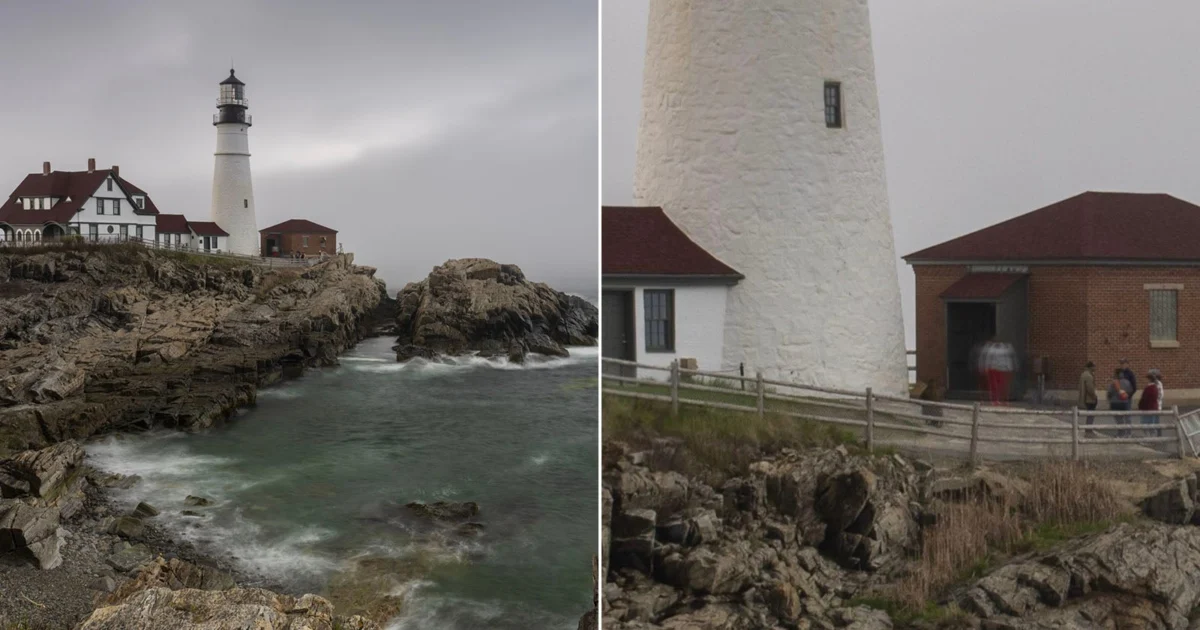
The modern digital photography landscape is defined by a striking contradiction: while camera sensors continue to push the boundaries of resolution, often exceeding 60 megapixels, the infrastructure of the internet has largely remained optimized for speed and data conservation. For professional photographers, this creates a significant bottleneck. A high-fidelity image captured on a flagship mirrorless camera is often stripped of its detail, texture, and tonal nuance the moment it is uploaded to a social media platform or a standard cloud sharing service. To bridge this technological divide, Japanese developer and photographer Ryutaro Kiuchi has launched HiRezGo, an innovative online sharing platform designed to preserve and display images in their full, uncompressed glory through a specialized streaming architecture.
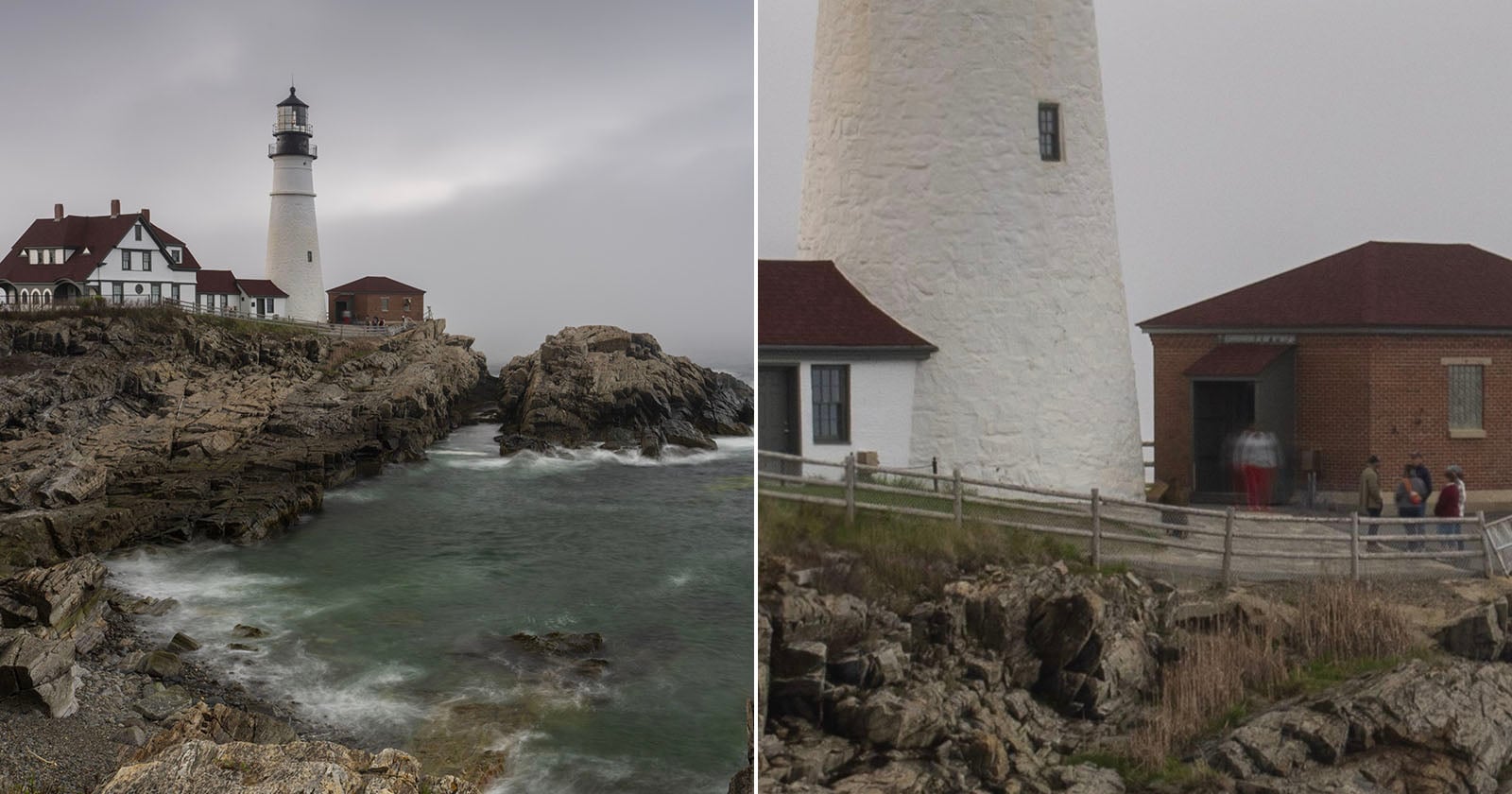
HiRezGo represents a fundamental shift in how photographic data is handled on the web. Rather than treating an image as a static file to be aggressively downsized and compressed for quick loading, the platform treats high-resolution photographs as interactive visual data. This approach allows photographers to share their work with clients and peers without the fear of color degradation, banding, or the loss of micro-contrast that typically plagues standard web uploads. By leveraging a progressive streaming methodology, HiRezGo ensures that the visual distinction between a high-end professional camera and a smartphone remains apparent to the viewer, even within a standard web browser.
The Megapixel Paradox and the Necessity of Fidelity
The impetus for HiRezGo stems from what many in the industry call the "Megapixel Paradox." Over the last decade, manufacturers like Sony, Canon, Nikon, and Fujifilm have released sensors capable of capturing staggering amounts of detail. For example, the Sony a7R series, specifically the a7R VI mentioned by Kiuchi, captures images at 67 megapixels. These files contain immense amounts of information that allow for significant cropping and large-scale printing. However, when these files are uploaded to mainstream social media platforms or most portfolio sites, they are subjected to "heavy-duty" compression algorithms.
According to Kiuchi, this compression is not merely a minor inconvenience; it is a devaluation of the photographer’s craft. When a high-resolution file is compressed, the first elements to disappear are the fine textures and the subtle transitions in gradients. Shadow regions often suffer from "crushing," where detail is replaced by muddy blacks, and highlights may lose the delicate micro-contrast that gives an image its three-dimensional quality. Kiuchi notes that this process often makes high-end professional photography look "somehow ordinary," effectively erasing the technical advantages of expensive optics and high-resolution sensors.
The reason for this industry-wide trend toward compression is rooted in economics and infrastructure. For a platform serving millions of users, hosting and serving uncompressed high-resolution files is prohibitively expensive. High-resolution images require significant server resources, increased bandwidth, and longer loading times, all of which can negatively impact user retention and operational costs. Most services, therefore, prioritize scalability and speed over image fidelity. HiRezGo was built specifically to challenge this status quo by offering a niche, high-performance alternative for those whose work demands uncompromising quality.

Progressive Streaming: The Technological Foundation
The core innovation behind HiRezGo is its use of a progressive streaming approach, a technique more commonly found in high-end digital archives and geographical mapping software than in consumer photo-sharing apps. This technology allows the platform to load image data dynamically based on the user’s specific viewing needs.
When a user first opens an image on HiRezGo, the platform serves a lower-resolution version that fits the initial screen size, ensuring a fast initial load time. However, as the user interacts with the image—specifically when they zoom in to inspect sharpness or fine detail—the platform seamlessly streams additional high-resolution data in real-time. This ensures that the user only consumes the data they need at any given moment while maintaining access to the full, original quality of the file.

Kiuchi describes this process as a "data streaming operation" rather than a simple "resizing operation." By bypassing the aggressive pre-compression typical of the web, HiRezGo maintains the integrity of the original file. This allows photographers and their clients to review critical elements such as focus accuracy, skin texture in portraits, or the intricate details of a landscape without needing to download a massive file locally. The result is a smooth, high-fidelity experience that works across various devices without taxing the user’s bandwidth unnecessarily.
Chronology of Development and Technical Hurdles
The development of HiRezGo was not a straightforward task. Kiuchi, acting as both the primary developer and a target user, spent a significant period in a "trial and error" phase to ensure the platform’s compatibility across the fragmented landscape of modern web browsers and hardware.

One of the primary challenges was ensuring that the progressive streaming technology functioned consistently across both desktop and mobile environments. Modern browsers have different internal processing methods for handling large data streams, and mobile devices often have hardware limitations that can cause stuttering if the data delivery is not perfectly optimized. Kiuchi had to navigate thousands of combinations of factors, including server-side data management, communication protocols for different devices, and the internal logic of the image viewer.
The goal was to create a "pinpoint optimal" implementation that felt native to the browser. This involved rigorous testing of how data is cached, how quickly the high-resolution tiles are served during a zoom event, and how the platform handles various file formats. The result is a highly compatible tool that allows for direct URL sharing, QR code generation, and the ability to embed images into external websites using iframes, all while maintaining the core streaming functionality.

Features Tailored for the Professional Workflow
HiRezGo is positioned as more than just a storage site; it is designed to be a functional part of a professional photography workflow. The platform offers several key features that address the specific needs of commercial and freelance photographers:
- Client Review and Sharpness Verification: Photographers can send a HiRezGo link to clients, allowing them to verify the technical quality of a shoot immediately. Because the viewer can zoom in to 100% or more with full detail, the "is it in focus?" conversation becomes instantaneous and unambiguous.
- Portfolio-Quality Presentation: For photographers showcasing their work to high-end clients, HiRezGo serves as a digital gallery that reflects the true quality of their equipment and skill. It eliminates the "smartphone-look" that can occur on lower-quality hosting sites.
- Seamless Integration: The ability to embed HiRezGo images as an iframe means photographers can upgrade their existing websites with high-resolution streaming capabilities without needing to rebuild their entire online presence.
- Accessibility: By supporting QR codes and direct URLs, the platform makes it easy to transition from a physical encounter (like a gallery show or a business meeting) to a high-quality digital viewing experience.
Subscription Tiers and Market Data
To support the significant server and bandwidth costs associated with high-resolution streaming, HiRezGo has launched with a tiered subscription model. This allows users to choose a plan that fits their volume of work and traffic needs.

- Free Tier: This entry-level option is designed for casual users or those wishing to test the technology. It includes 5GB of storage, a limit of 10 uploads per day, and supports up to 3,000 monthly page views. This tier is supported by advertisements.
- Lite Plan: Priced at $95.99 annually (with monthly options available), the Lite plan increases storage and page view limits while removing advertisements, making it suitable for burgeoning professionals.
- Standard Plan: At $287.99 annually, this plan is aimed at high-volume professional photographers. It offers the highest storage capacity, significantly more monthly page views, and unlimited daily uploads.
These pricing tiers reflect the premium nature of the service. Compared to standard cloud storage like Google Drive or Dropbox, which may offer more raw storage for the price, HiRezGo provides a specialized viewing engine that those generic services lack.
Future Implications and the Roadmap Ahead
While HiRezGo is now publicly available, Kiuchi emphasizes that the platform is an evolving project. The roadmap for the service includes several ambitious features that could further revolutionize the professional workflow. Among these are client-specific private galleries, real-time sharing capabilities that allow images to be uploaded directly from a camera during a shoot, and even browser-based AI retouching tools.
The broader implication of HiRezGo is the potential re-valuation of high-end photographic equipment in a digital-first world. As Kiuchi noted, the value of the camera has not disappeared; rather, the places where that value can be demonstrated have decreased. By providing a dedicated space for high-fidelity viewing, HiRezGo helps restore the "visual distinction" that justifies the investment in professional-grade gear.
In an era where the majority of images are consumed on small screens with high levels of compression, HiRezGo stands as a technical advocate for the "slow viewing" of photography. It encourages viewers to look closer, to appreciate the nuances of a captured moment, and to see exactly what the photographer saw through the viewfinder. As high-resolution displays become more common in laptops, tablets, and smartphones, the demand for services that can actually feed those displays with high-quality data is likely to grow, positioning HiRezGo at the forefront of a necessary shift in web-based visual communication.

